RTLS
SpaceTimeOS
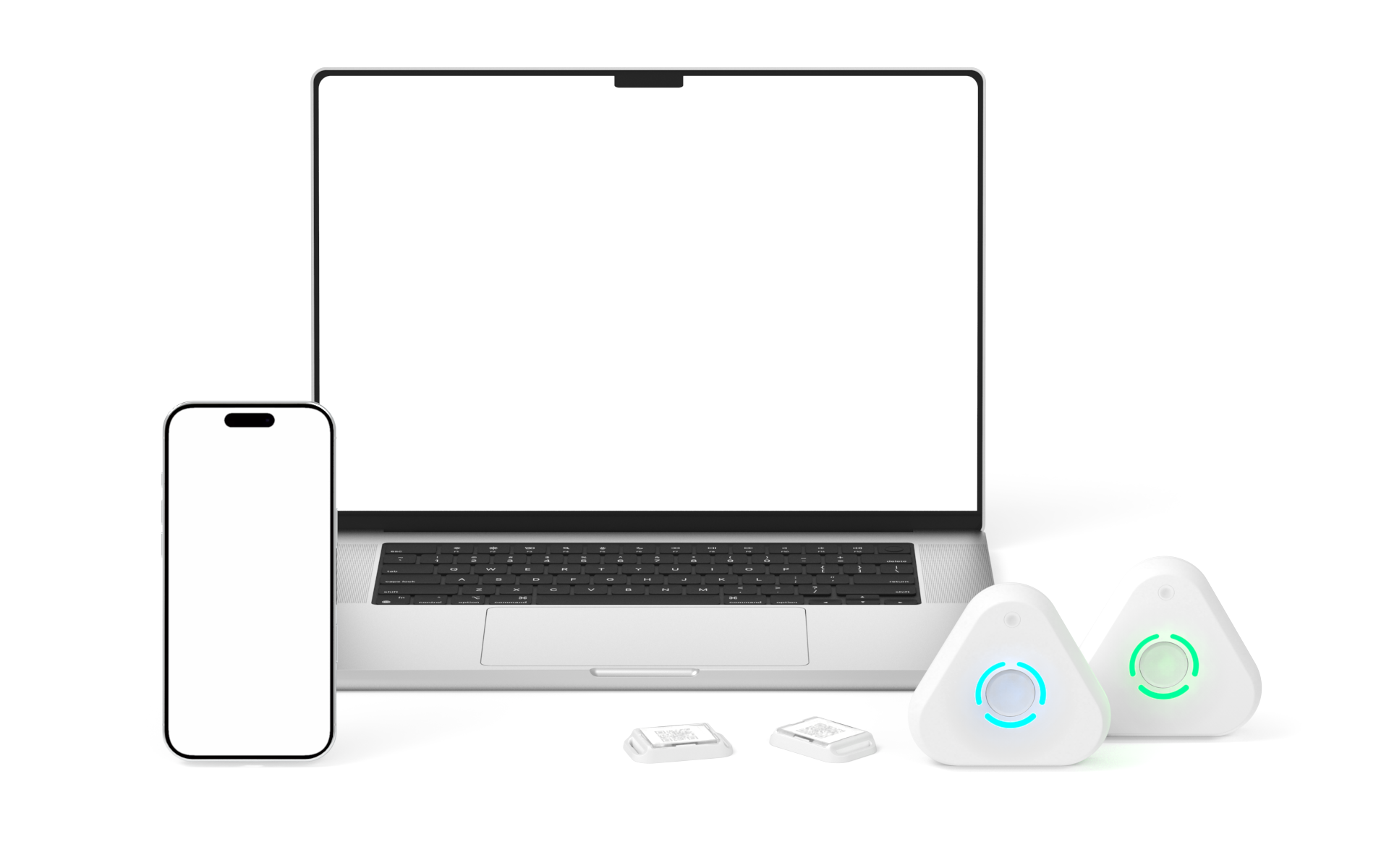
It is a next-generation operating system that you install on your physical spaces. It makes them intelligent and programmable. You can run apps and create prompts directly on your physical business.
contact us
Spaces should be intelligent and things should magically happen at the right place and at the right time.
LOCATION INTELLIGENCE SOFTWARE
RTLS
It is a next-generation operating system that you install on your physical spaces. It makes them intelligent and programmable. You can run apps and create prompts directly on your physical business.
NEXT-GEN SENSORS AND TAGS
Use UWB for superior accuracy and intelligence or BLE for mass and rapid deployments
UWB DL-TDOA
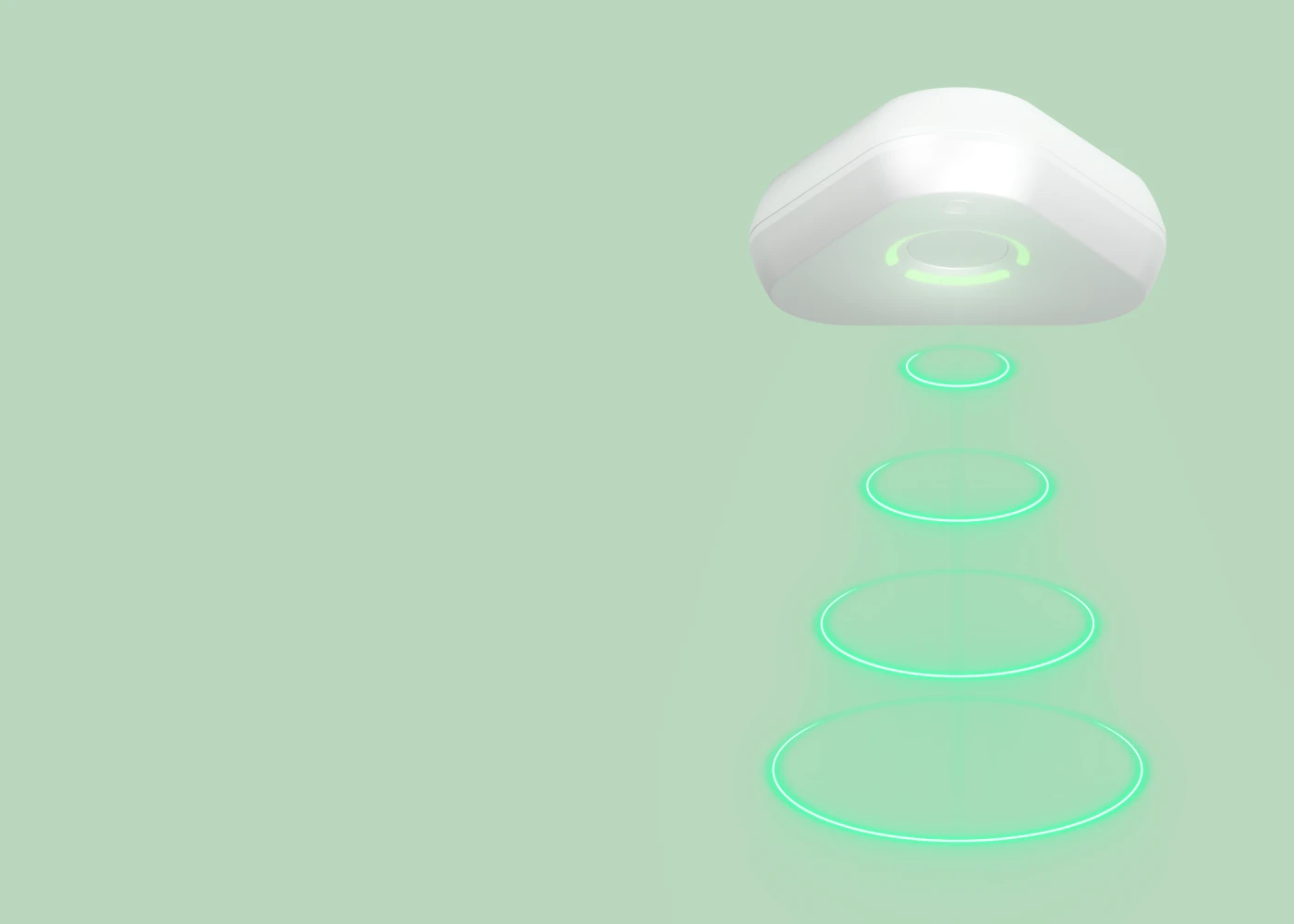
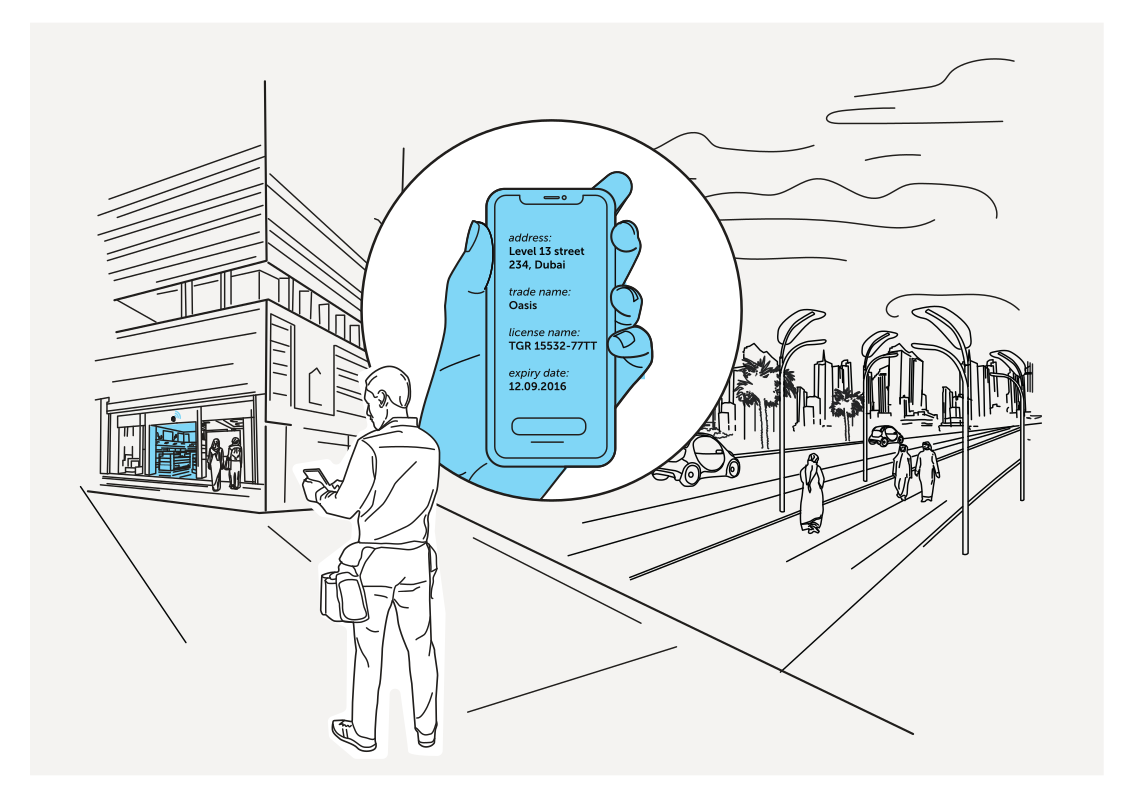
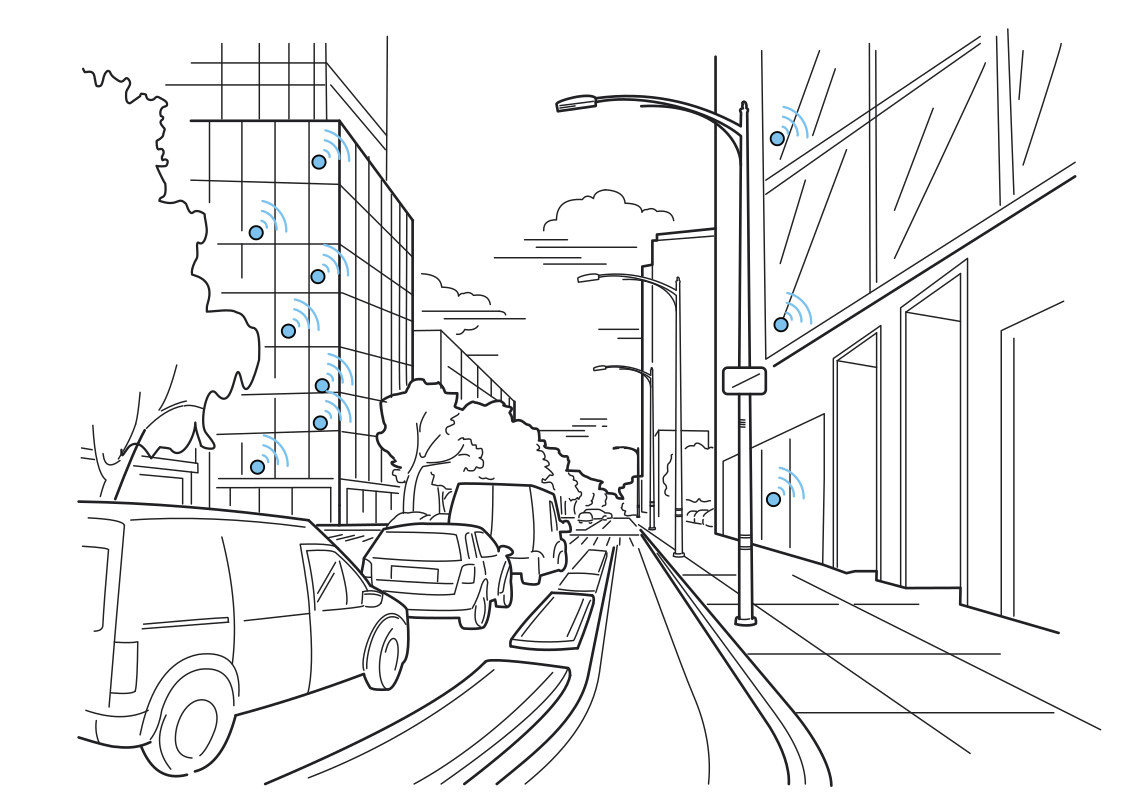
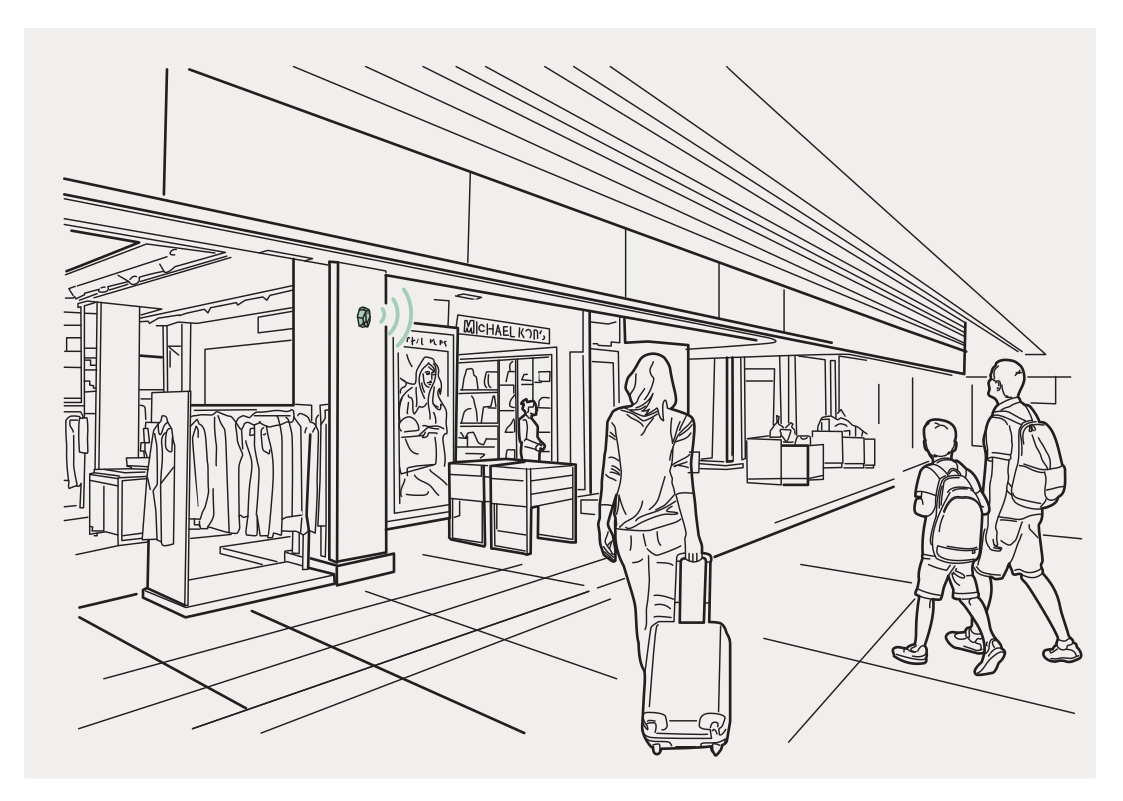
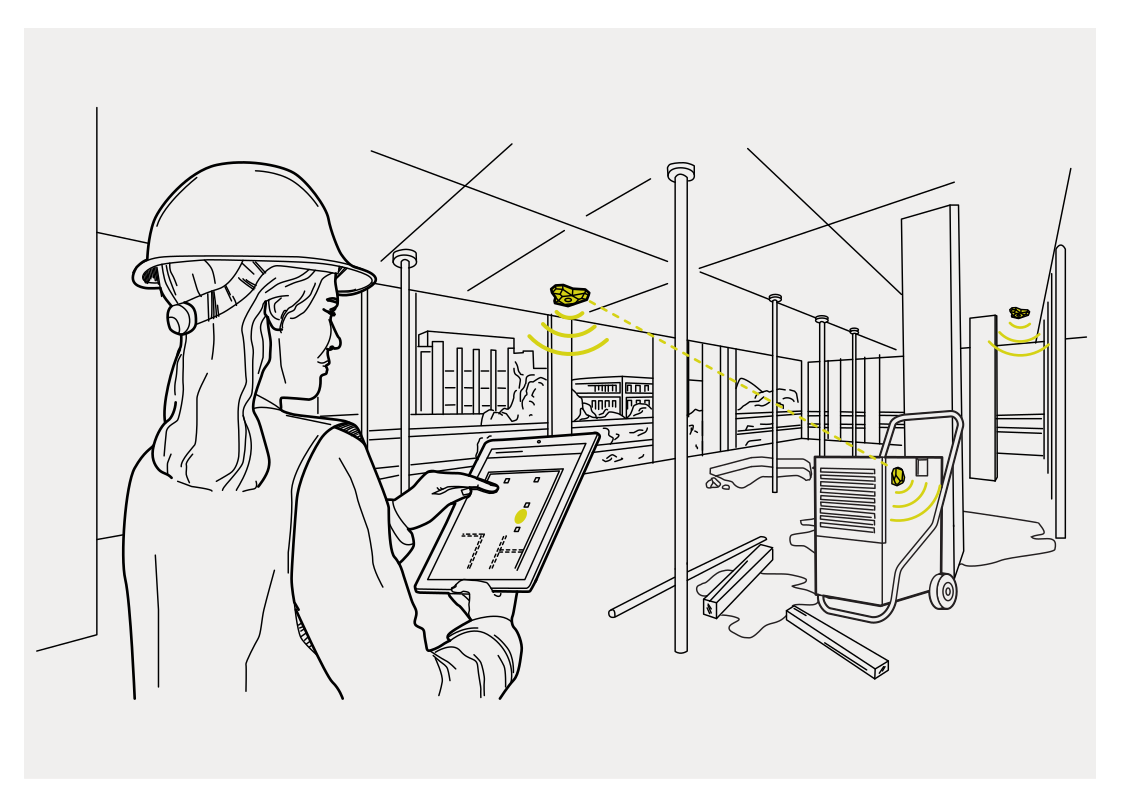
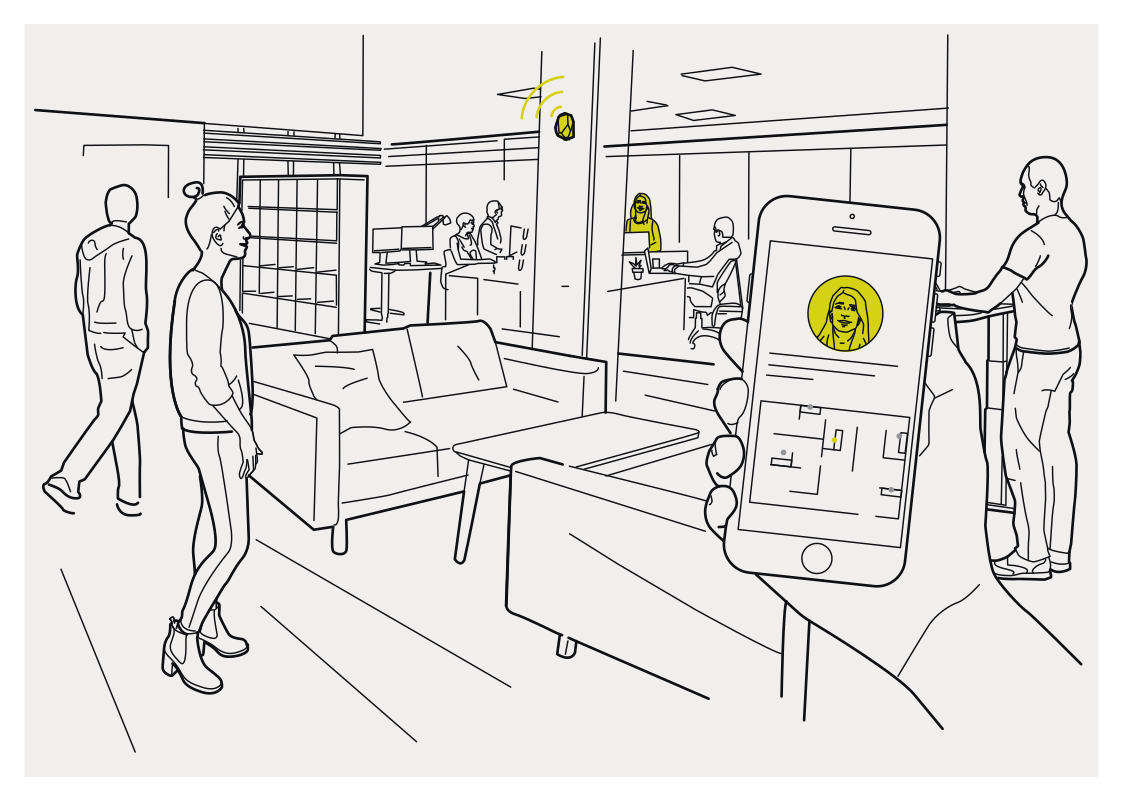
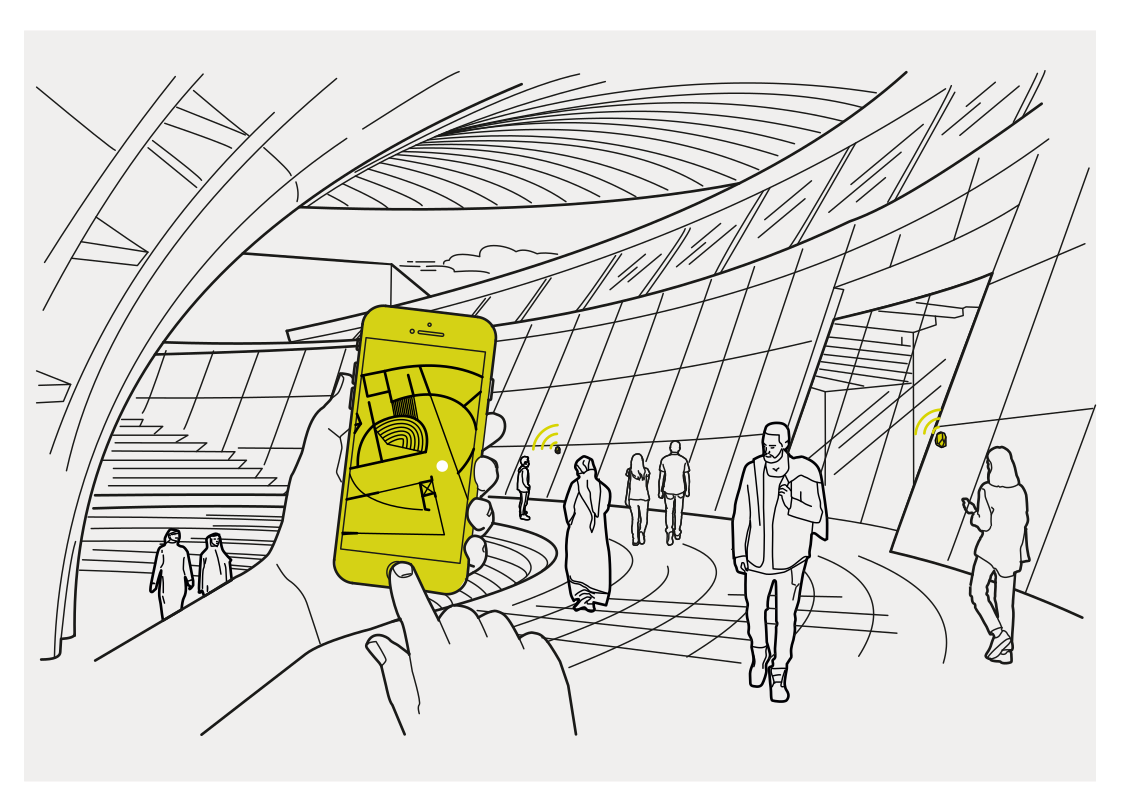
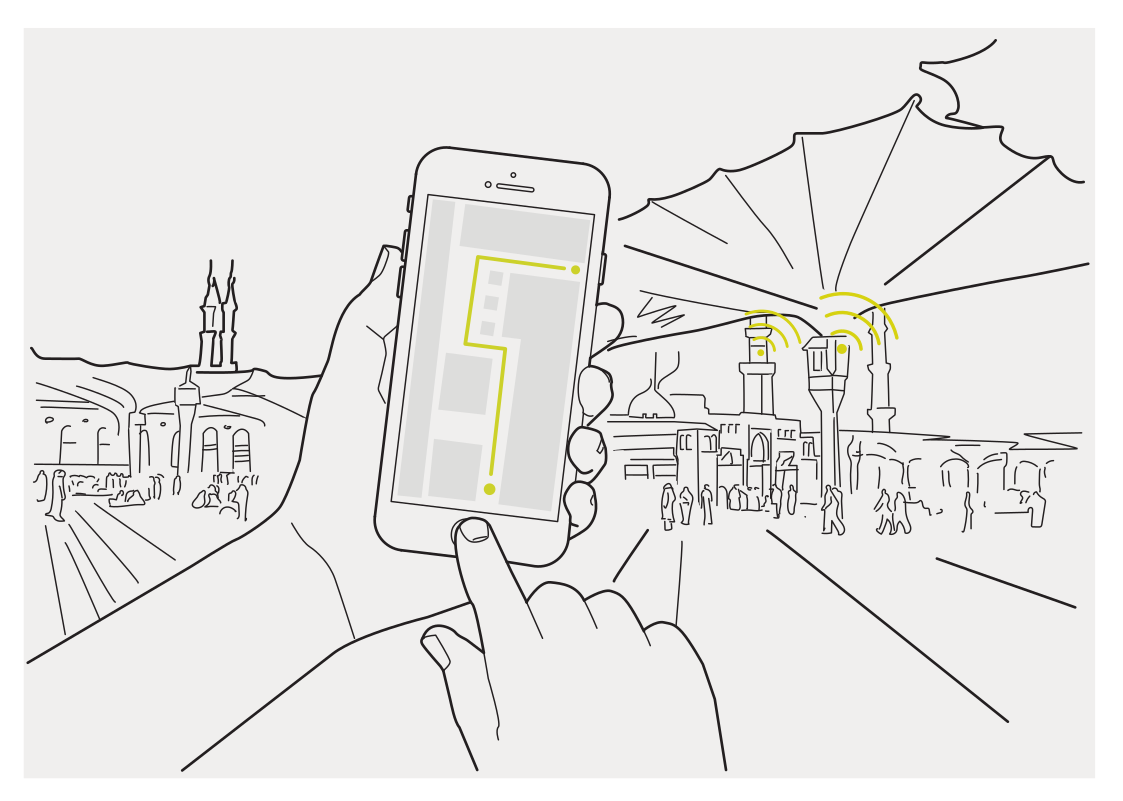
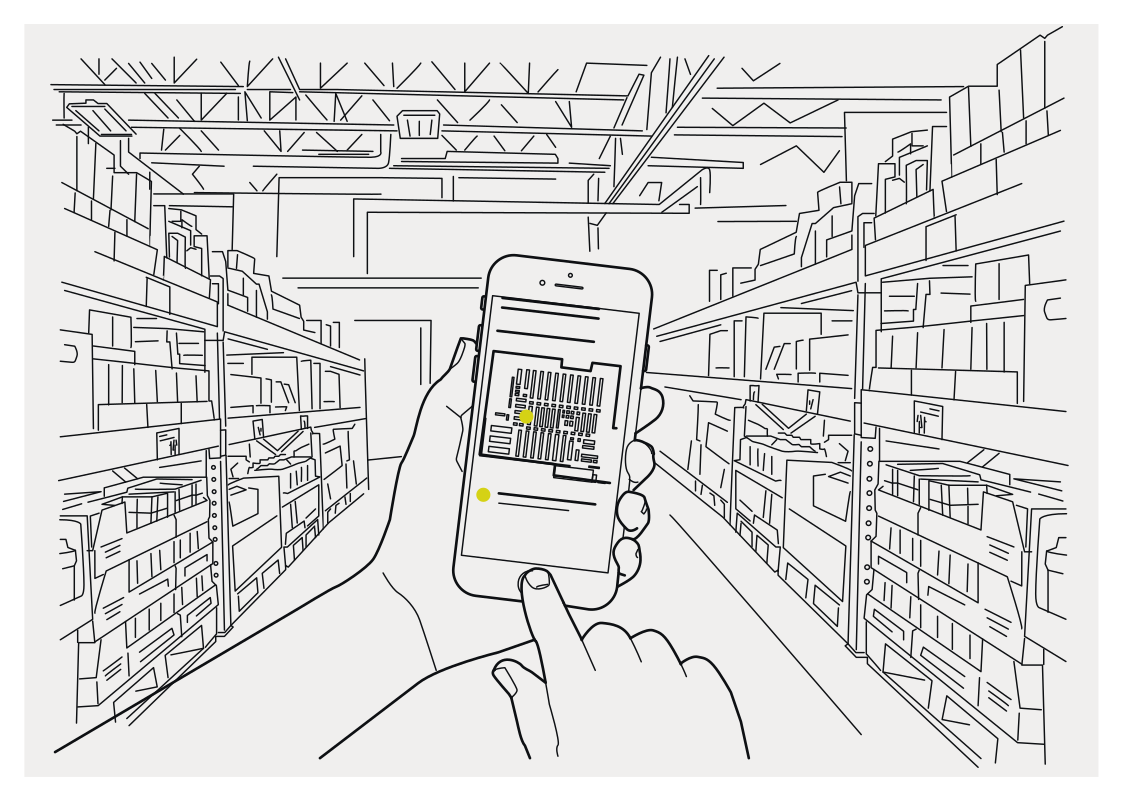
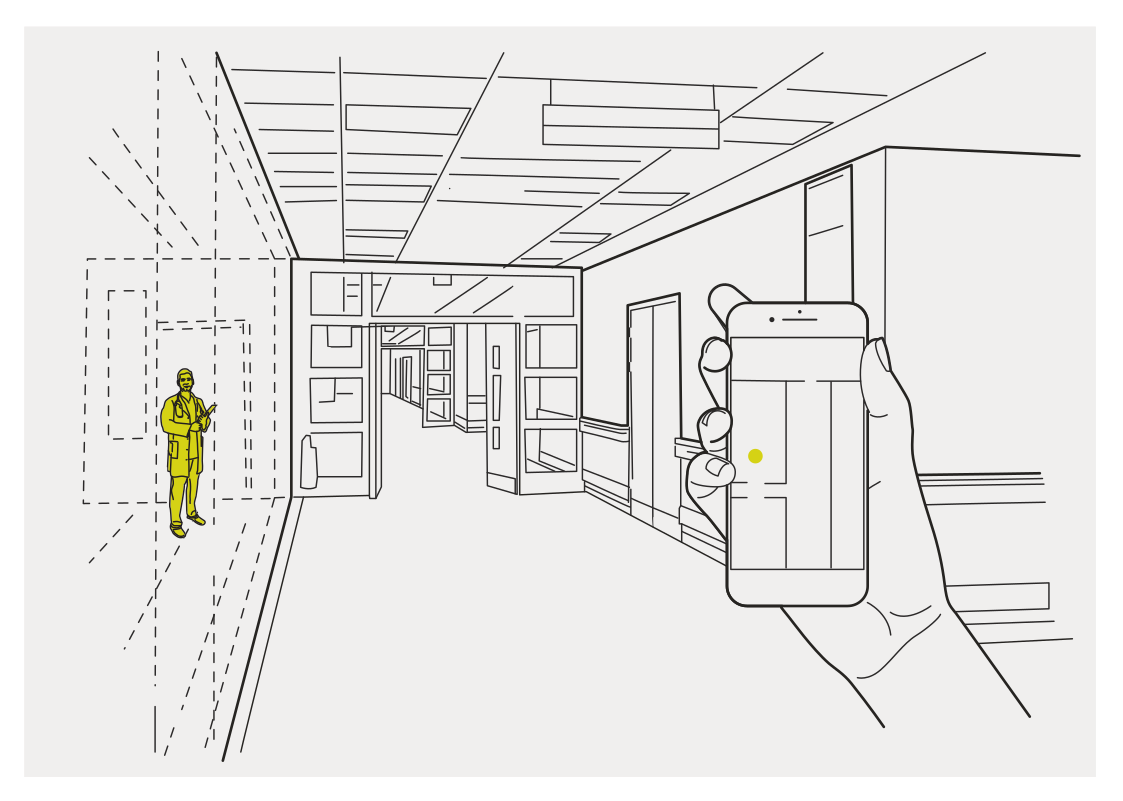
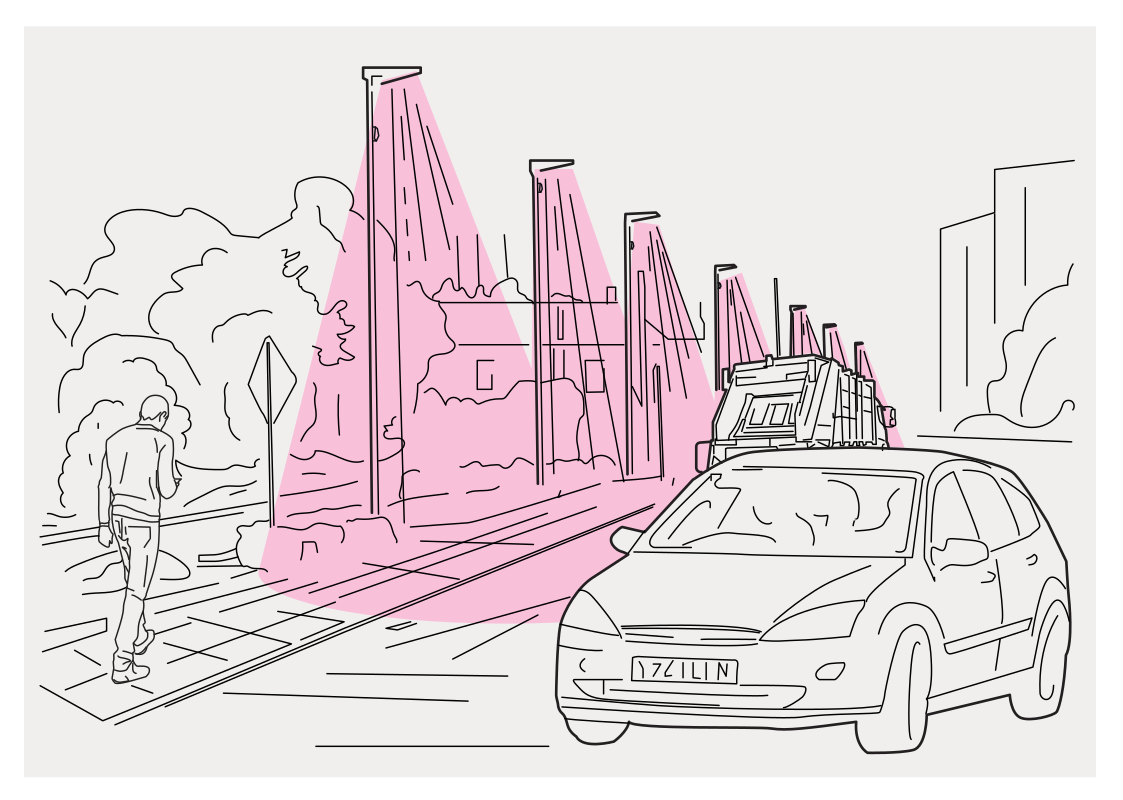
Install anchors on walls or ceilings to help compatible phones find their position indoors. Use them for directions through airports, hospitals and stores.
Learn more about UWB Anchors
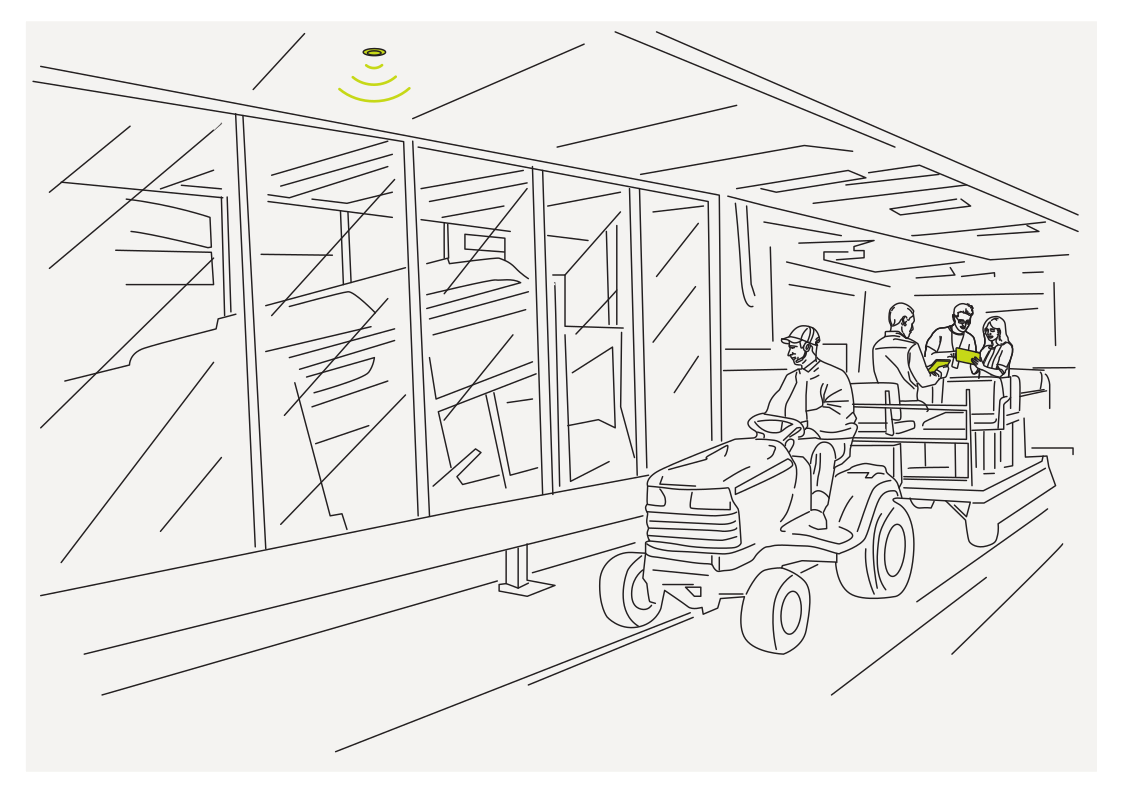
UWB anchors are fixed devices that send radio signals from known locations. A compatible phone compares when those signals arrive to work out its own position inside the building.
The technique is called downlink time difference of arrival, or DL-TDoA. Signals from different anchors travel different distances. Their arrival times give the phone information it can use to calculate where it is.
The phone does not need to send its position back to the anchors for this calculation. Your app can use the result for navigation, and people decide whether to share it. Many phones can listen to the same infrastructure.
UWB RADAR
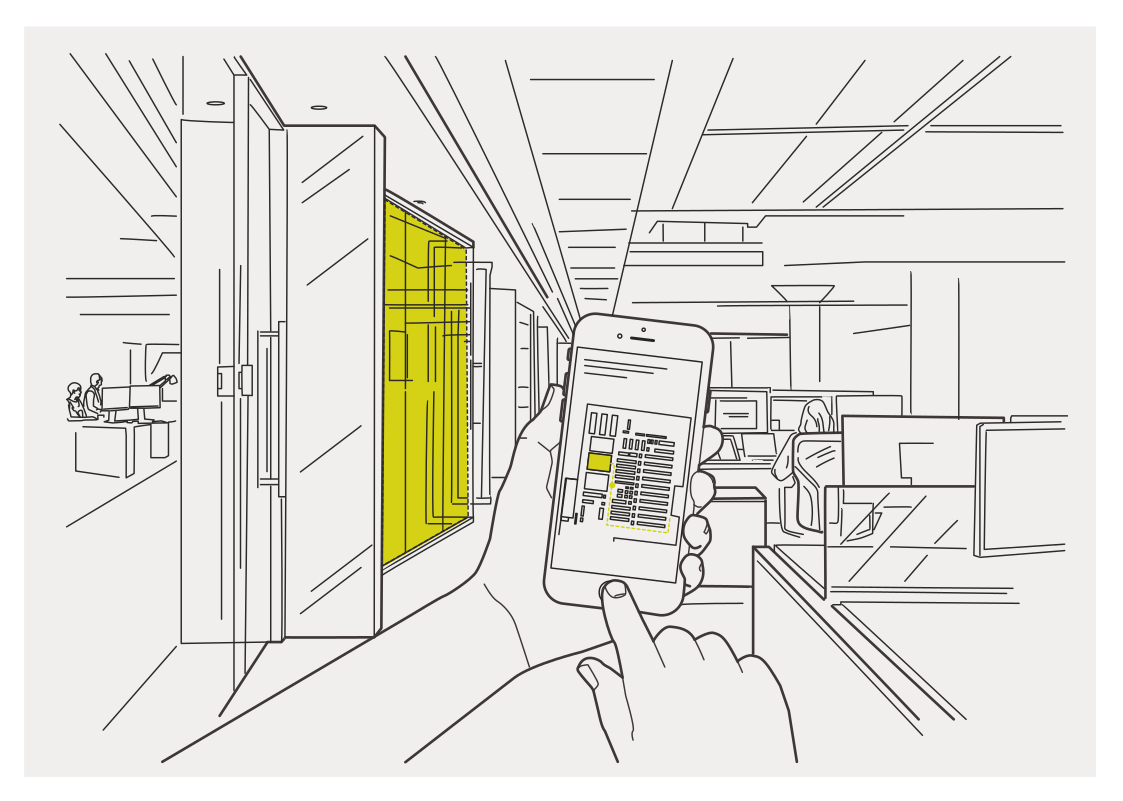
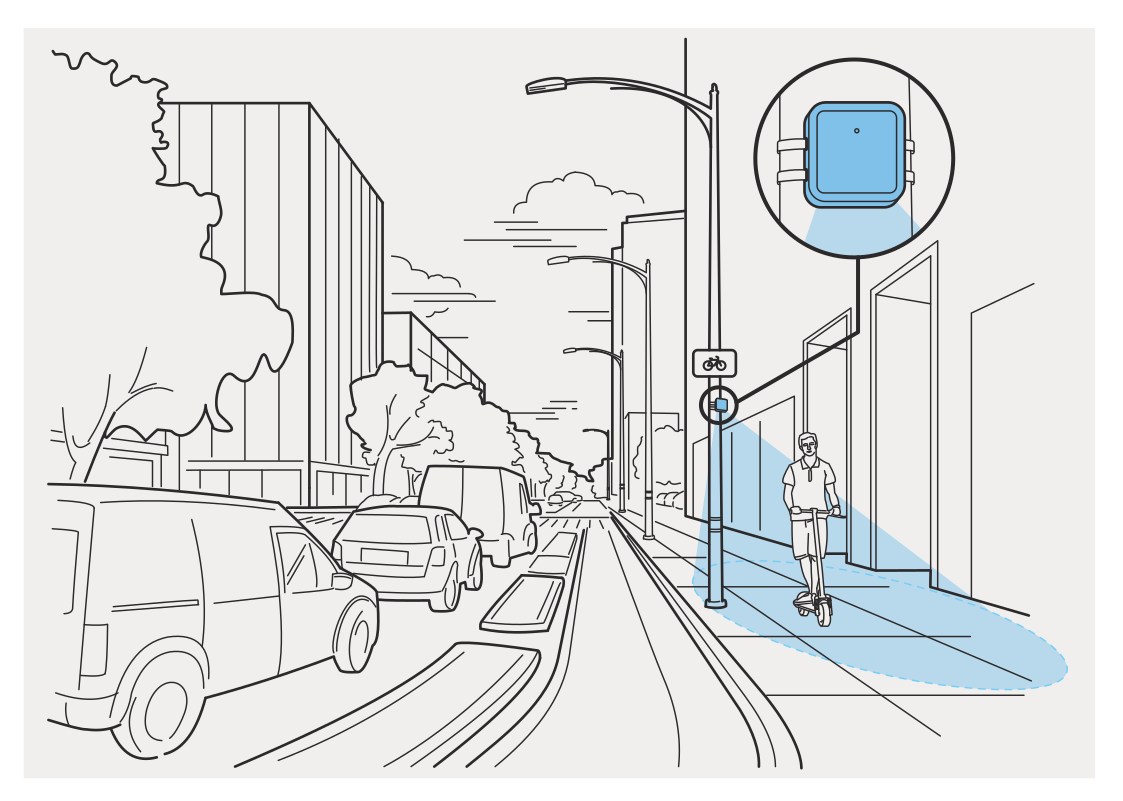
Detect presence and movement from reflected radio signals. Useful for room occupancy and automation, without asking people to carry phones or tags.
Learn more about Radar
UWB radar sends short radio pulses and measures the signals that bounce back. Movement changes those reflections, so software can detect that someone has entered a room or approached an area.
Radar measures radio reflections instead of recording images. People do not need a phone or wearable, and the sensing does not depend on visible light.
Use signal processing or machine learning to turn the measurements into events your app can use. For example, occupancy could control lighting or help a team see which meeting rooms need attention. The detail you can detect depends on sensor placement and the software model.
LTE
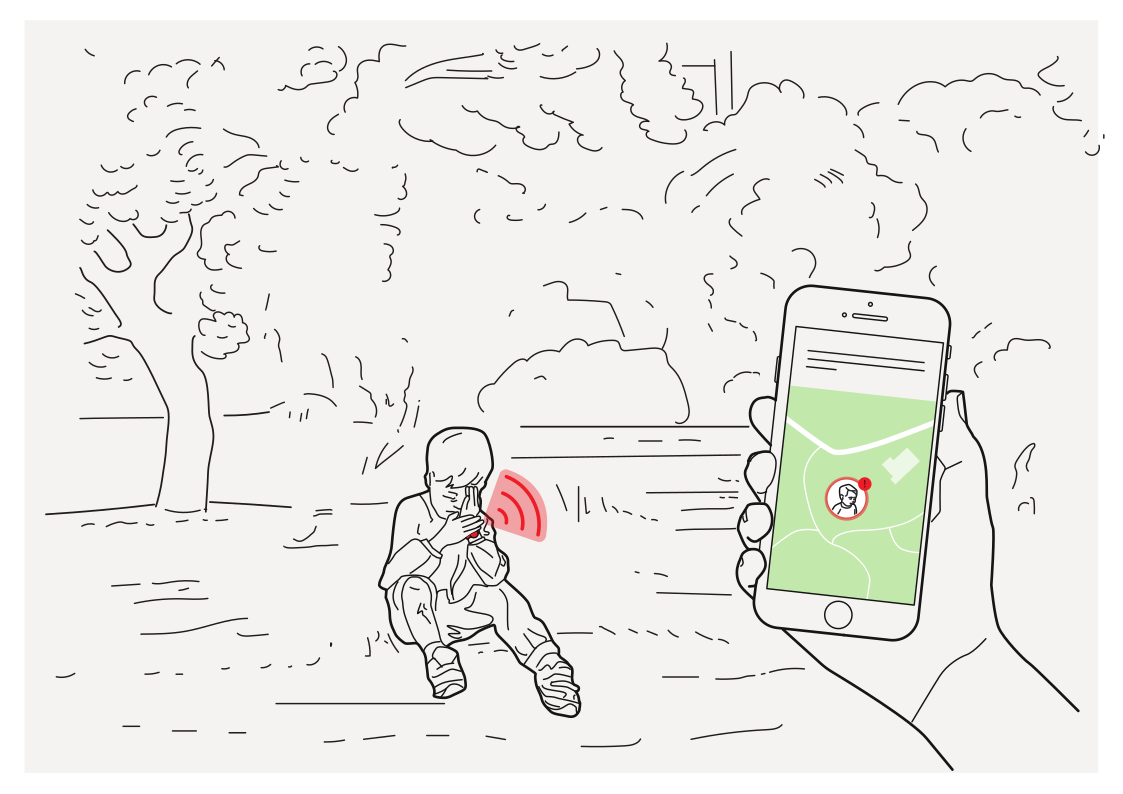
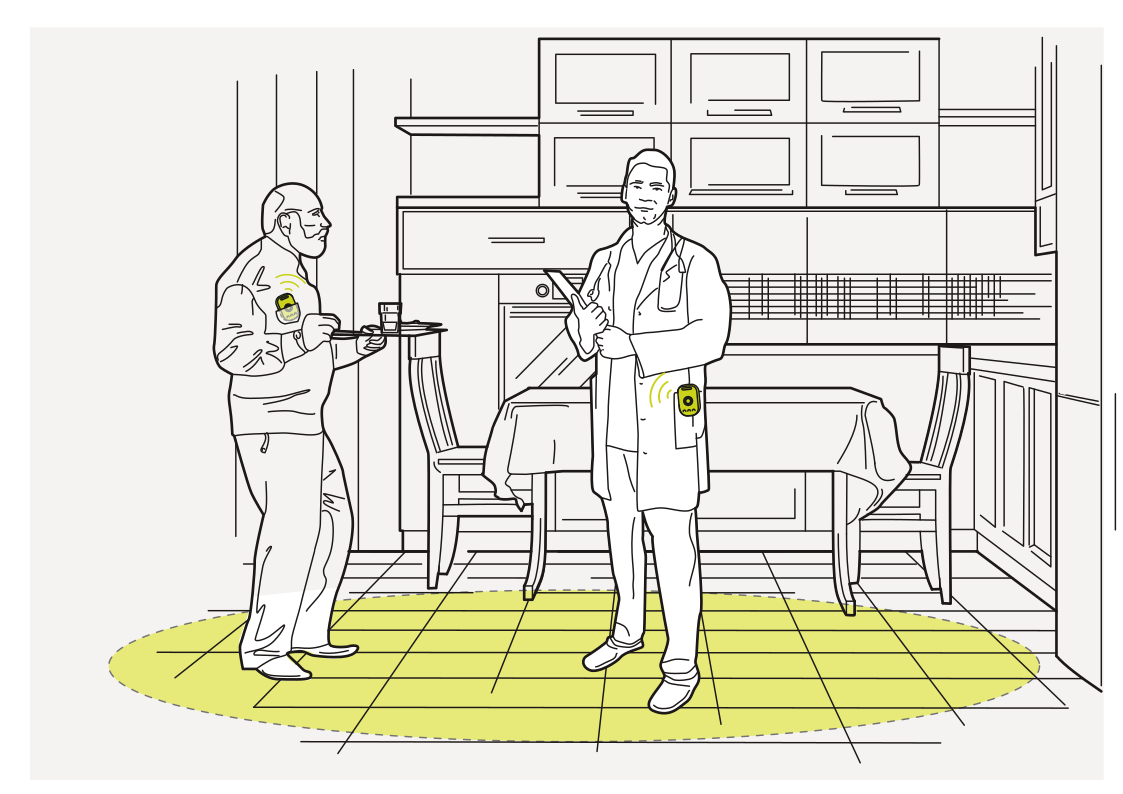
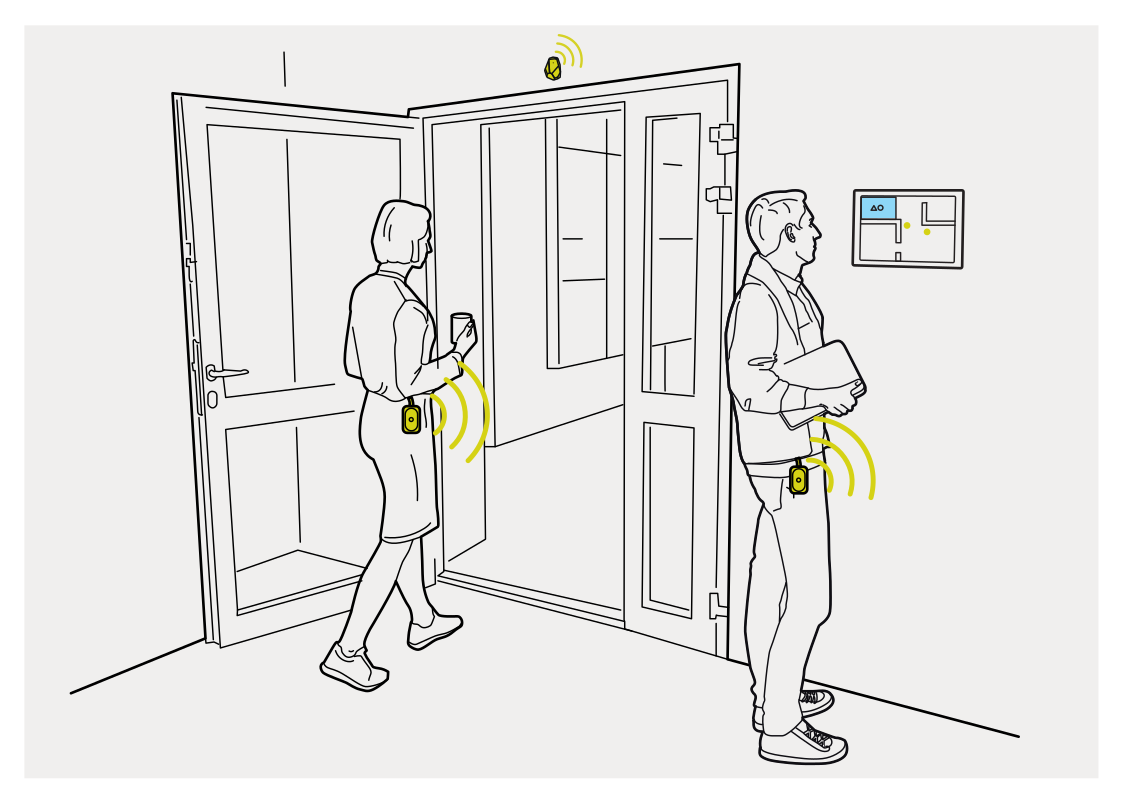
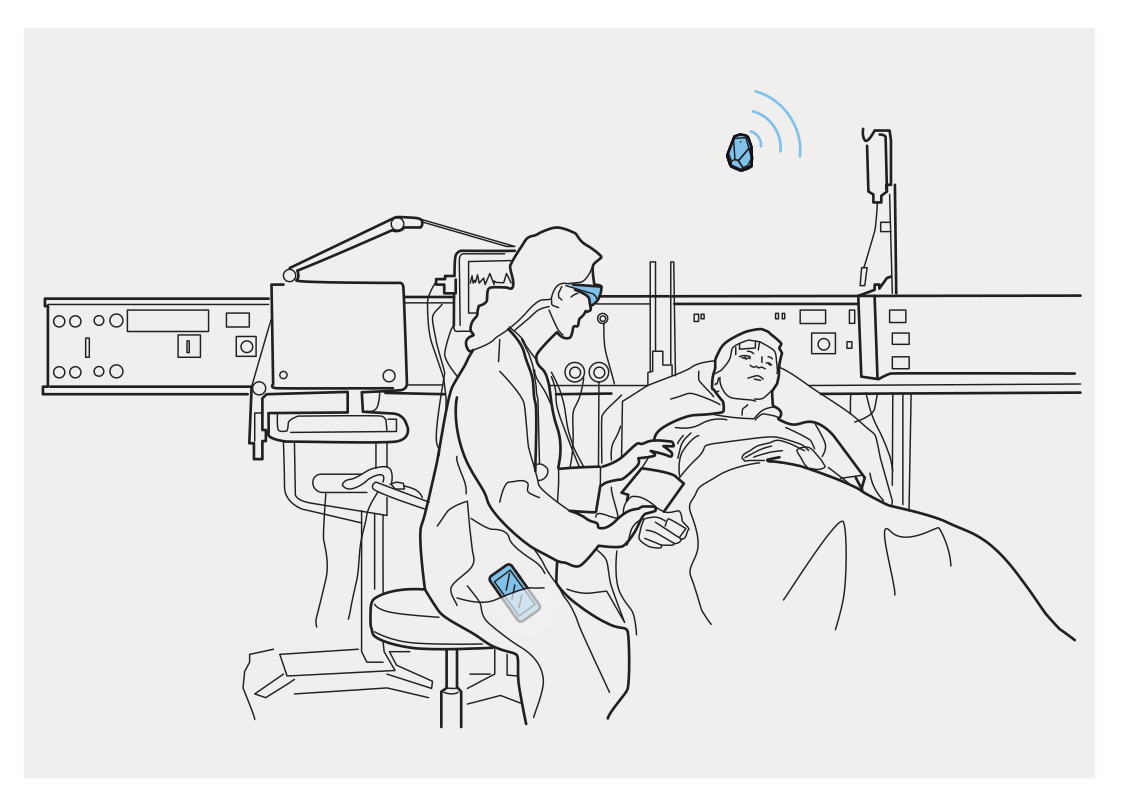
A wearable button for check-ins and requests for help, with a built-in connection to your software.
LTE
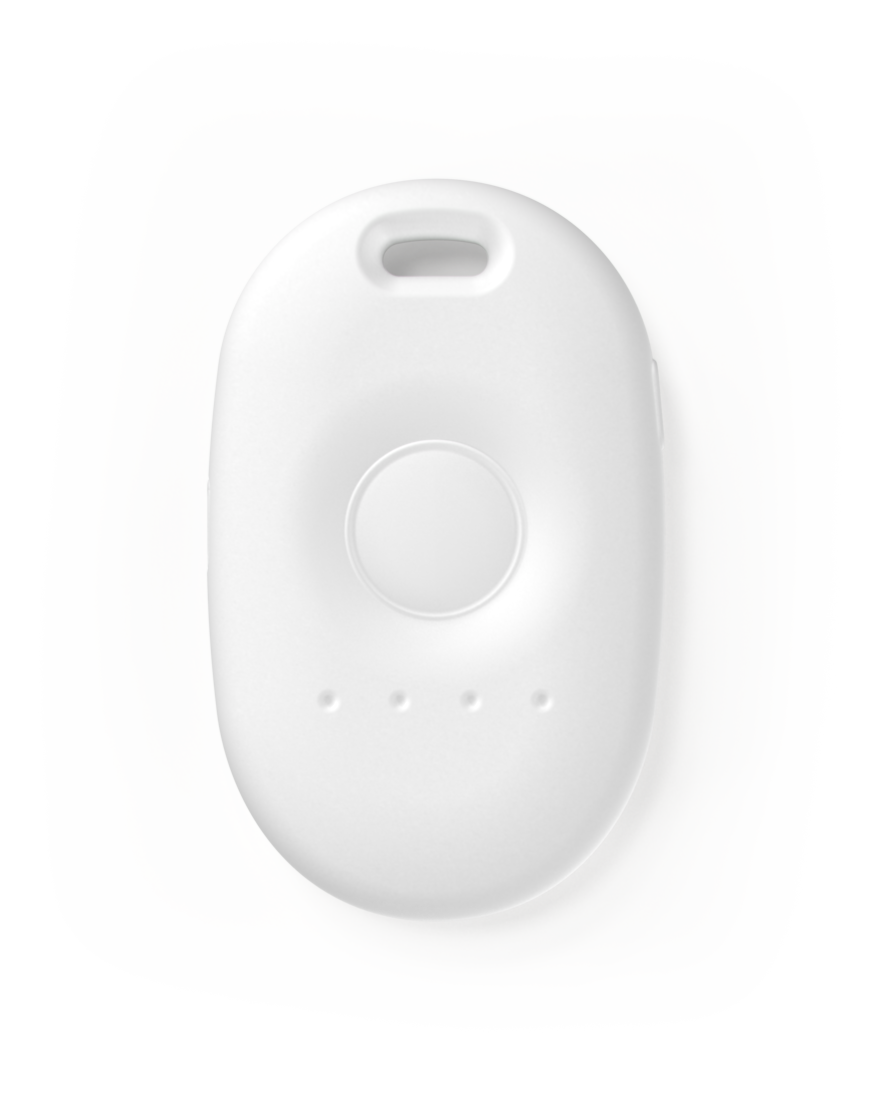
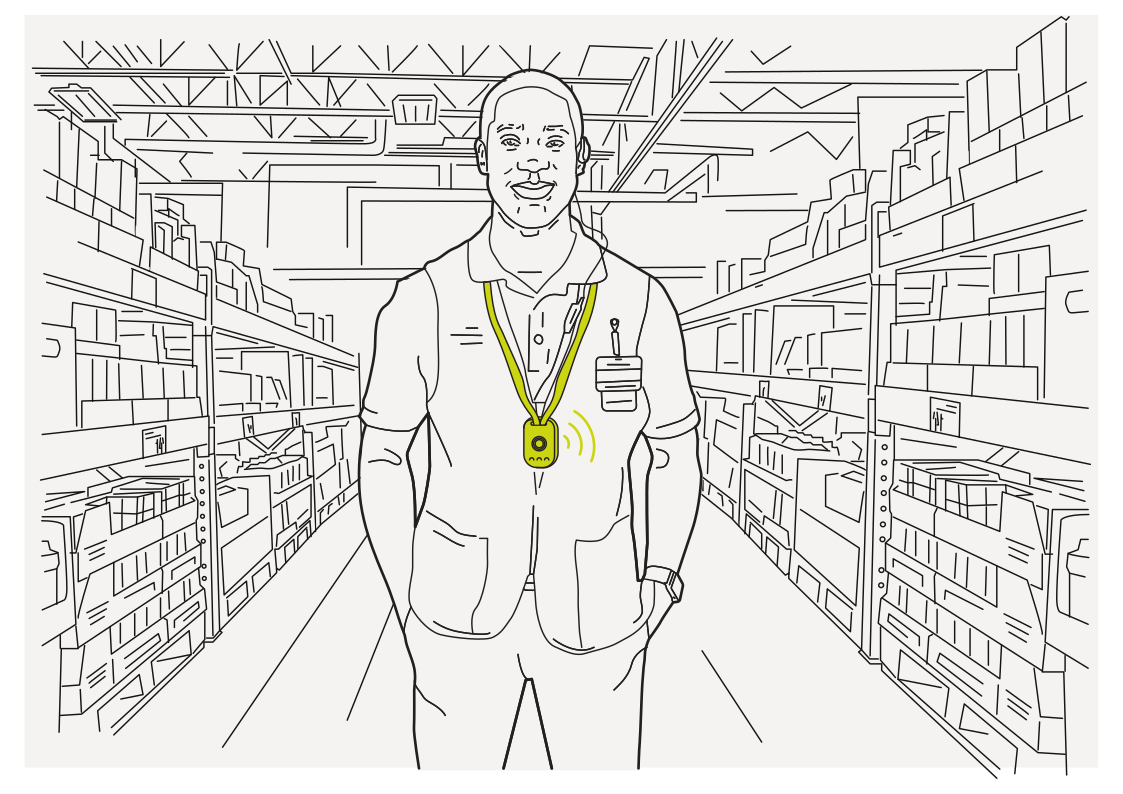
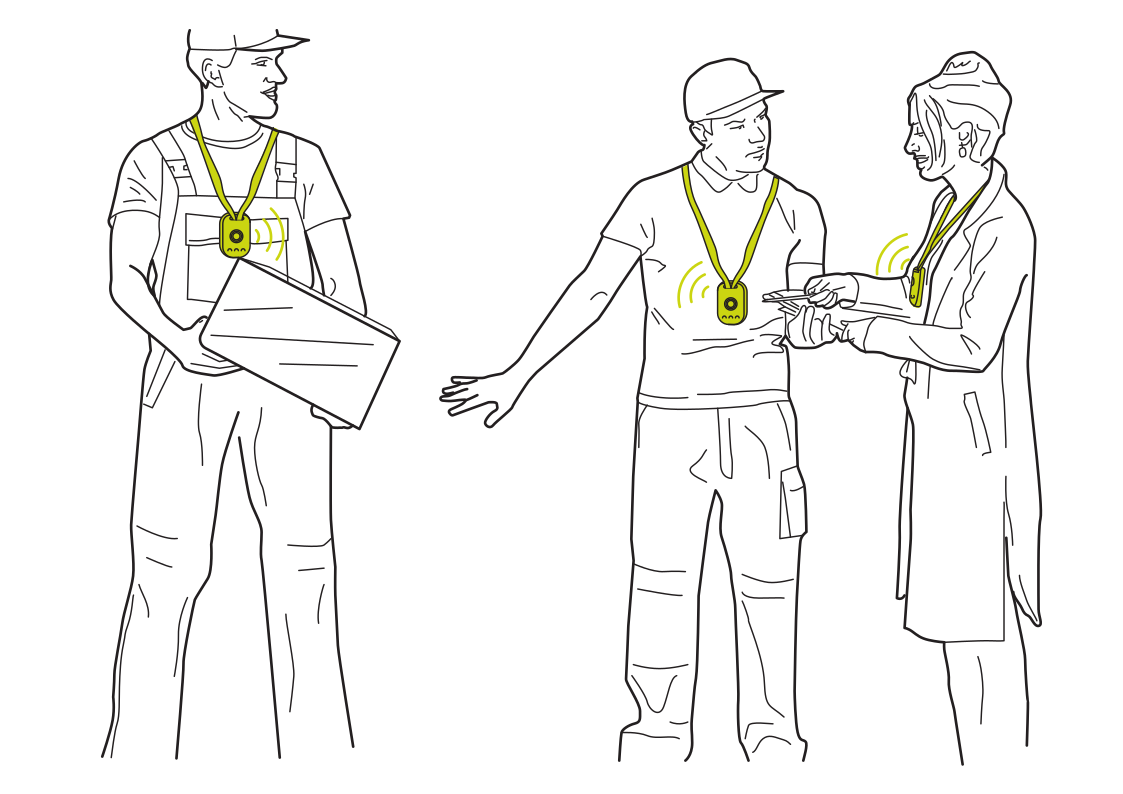
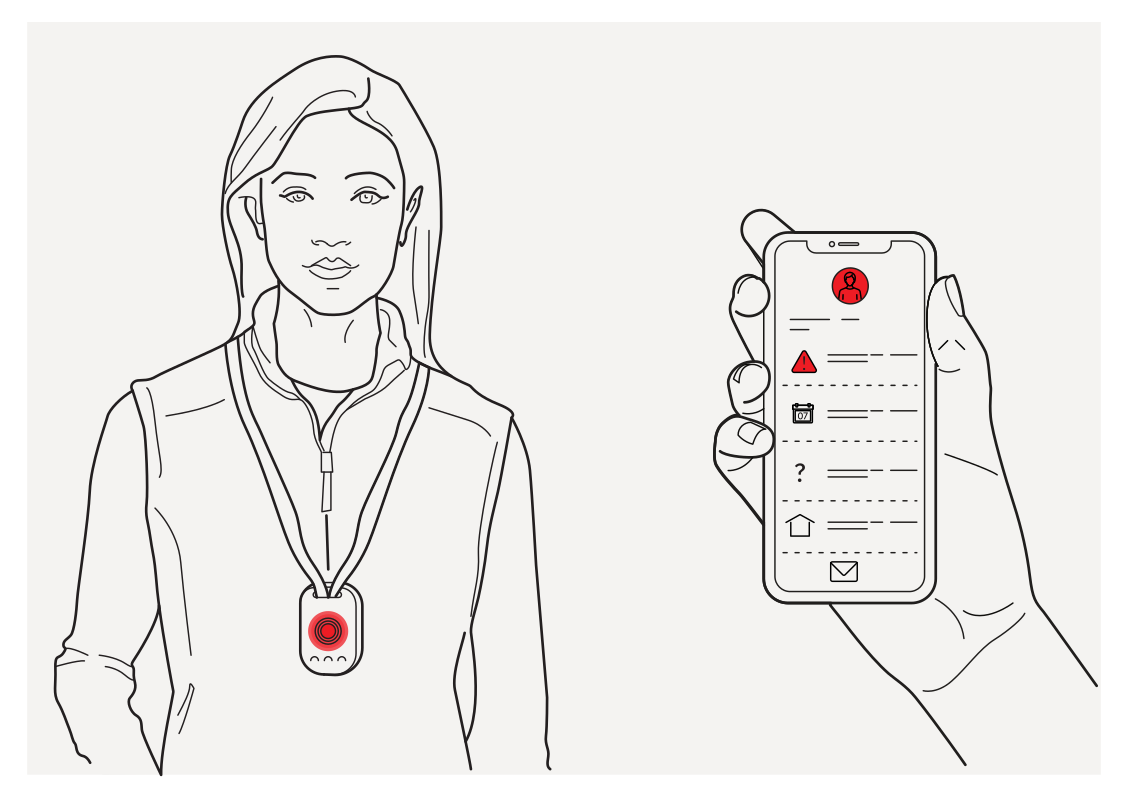
Give your team a simple way to check in, call for assistance or trigger an action, without equipping everyone with a smartphone. Estimote Wearables are standalone connected devices with their own modem, a button and LEDs.
A button press can request help, while LEDs provide a clear response. Connect these interactions to your software to support everyday workflows, from checking in to changing settings automatically.
Built for teams that need a dedicated tool without the cost and complexity of a screen. Bring connectivity and location-aware interactions into your operations with a device people can carry.
BLE
Help a nearby app recognize a room, object or point of interest using a small wireless transmitter.
BLE
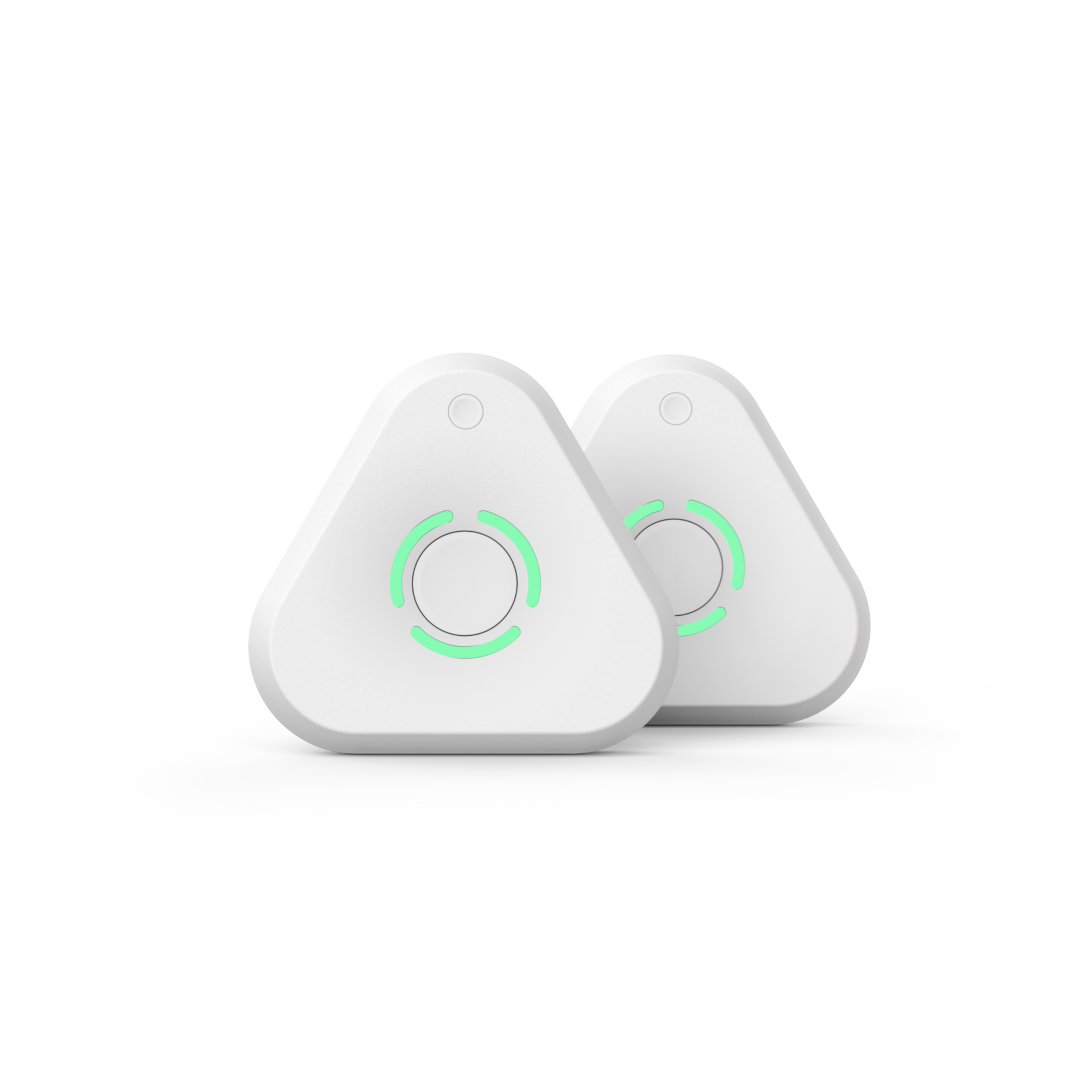
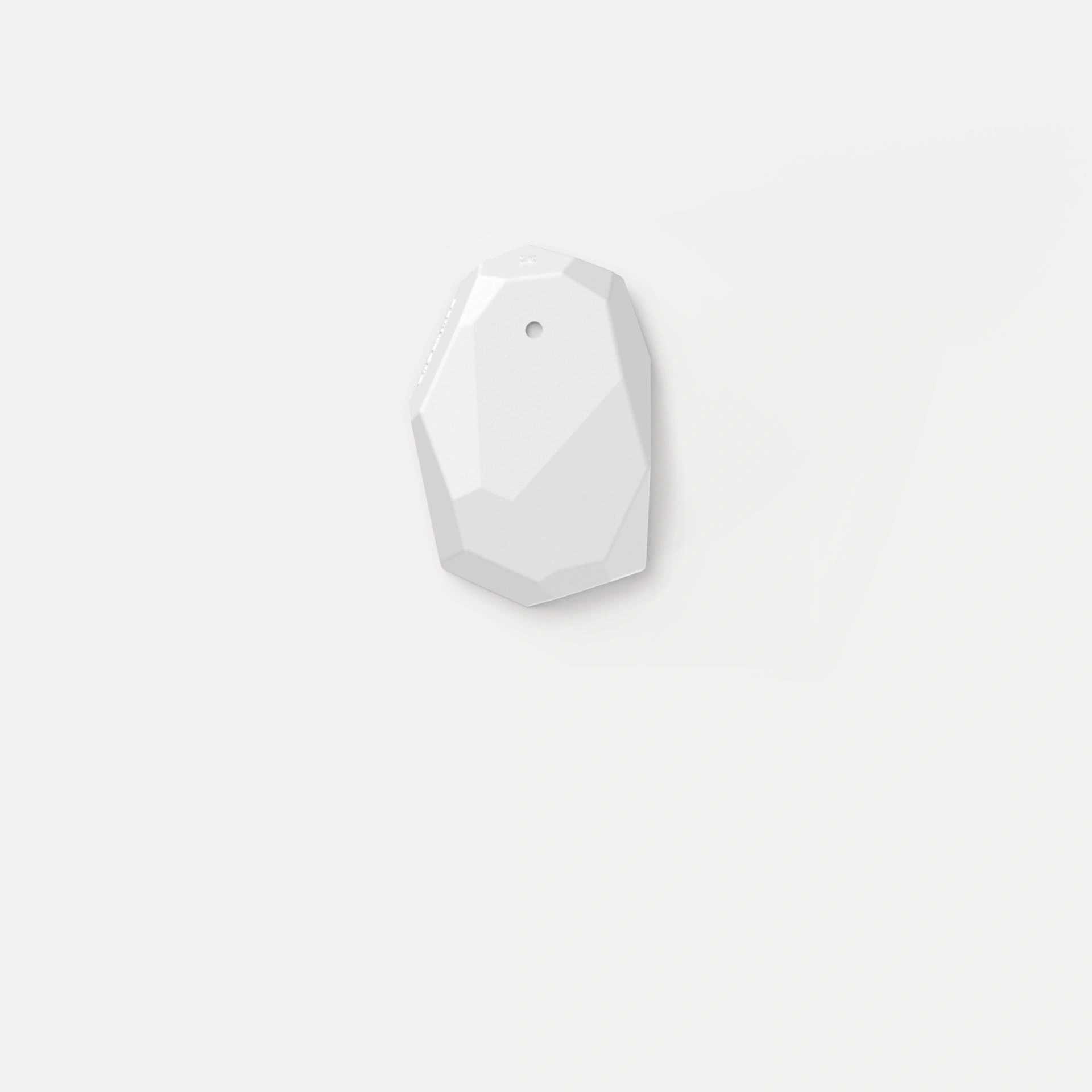
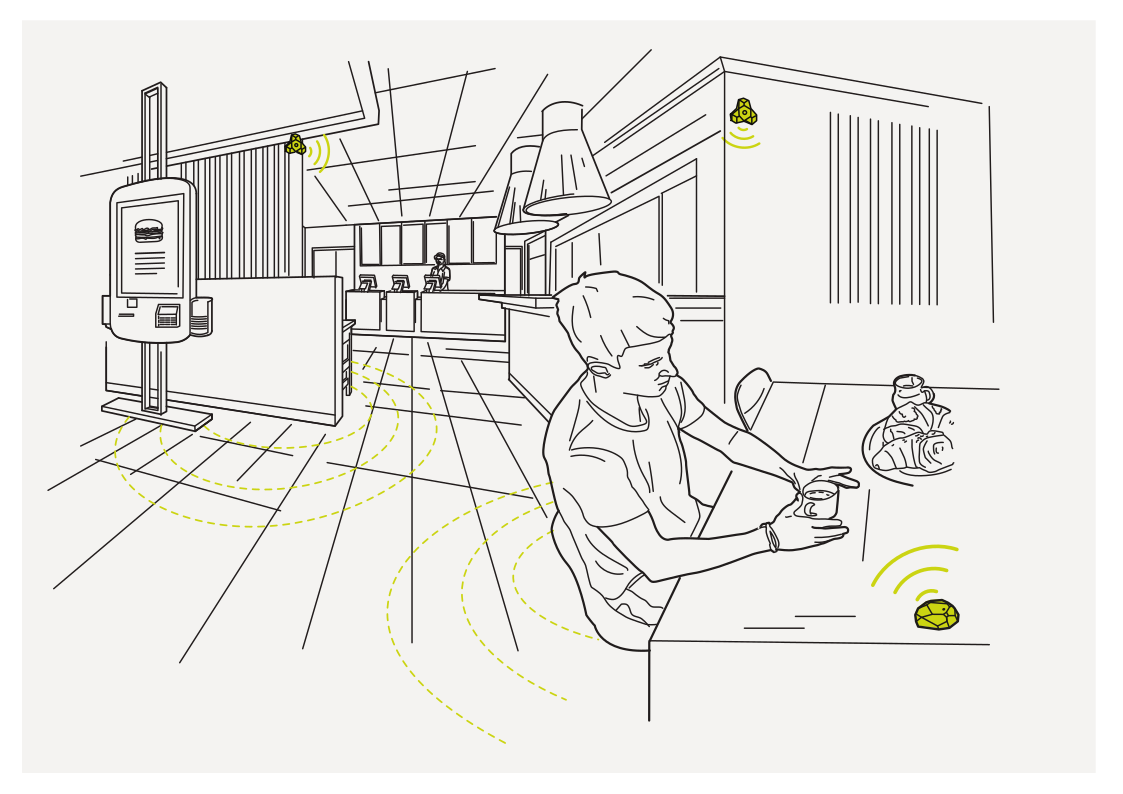
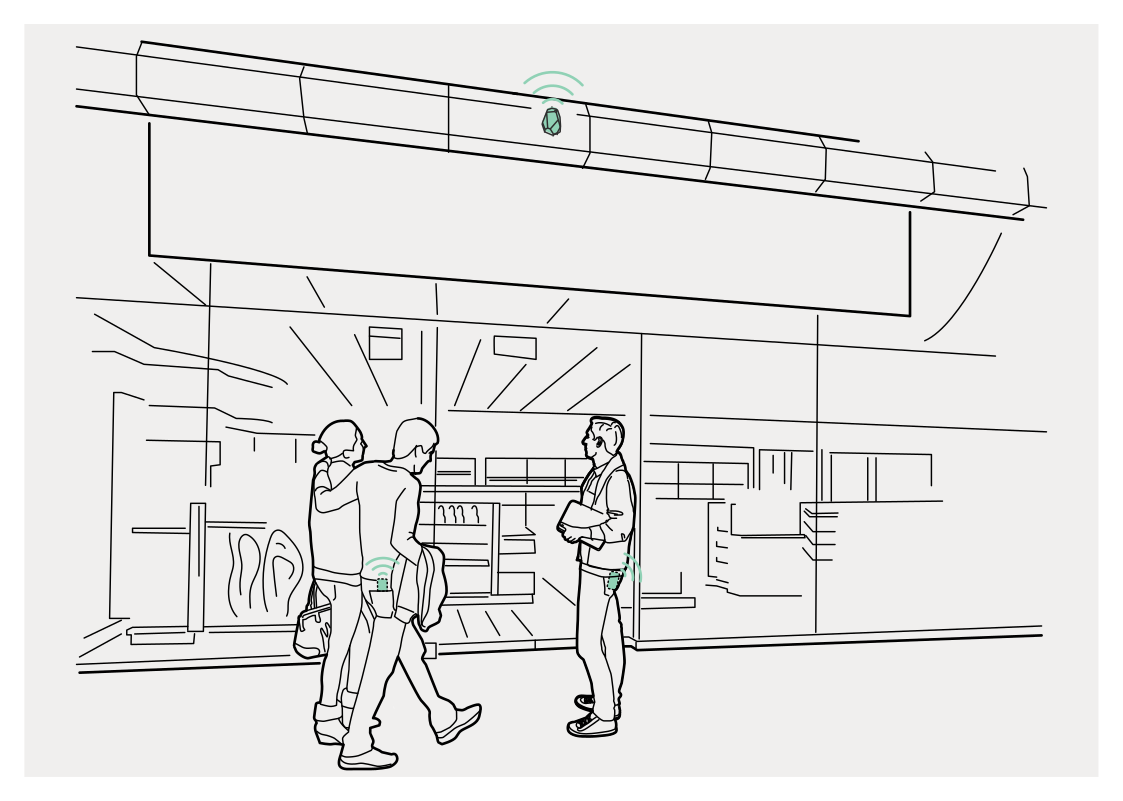
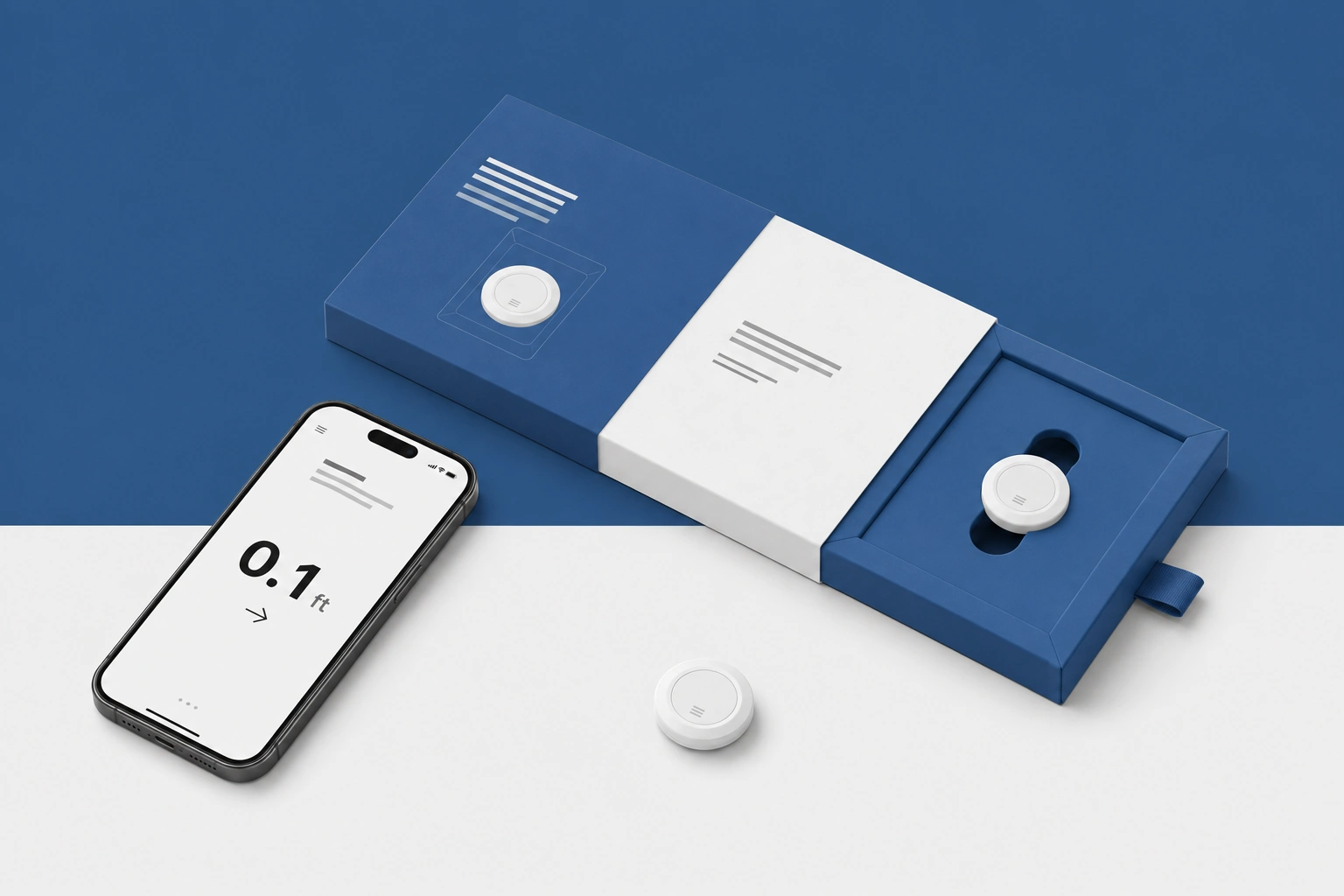
Make nearby places and objects recognizable to your app. Estimote BLE Beacons are small wireless transmitters designed for affordable proximity experiences and easy deployment at scale.
Attach a beacon where you need a check-in or a location-aware interaction, without installing wires. A nearby phone or receiver detects its Bluetooth signal, and your software connects that signal to the right place or action.
Redesigned around experience from millions of deployed devices, these beacons focus on simplicity and cost. They can run for multiple years, depending on the configuration. Choose Bluetooth when proximity is enough; use UWB when your application needs a more precise position.
BLE
Attach small Bluetooth tags to equipment and find it with nearby receivers. Designed for affordable tracking at scale.
BLE
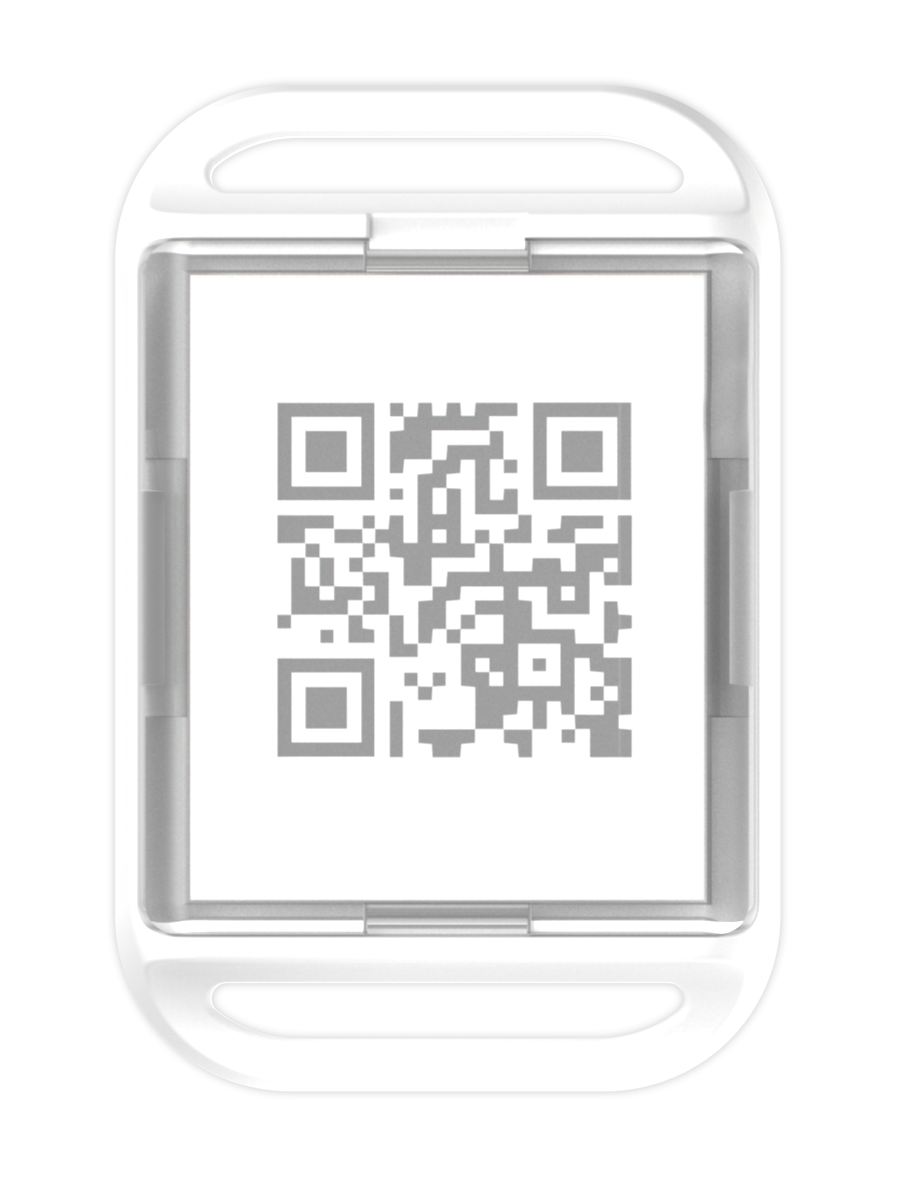
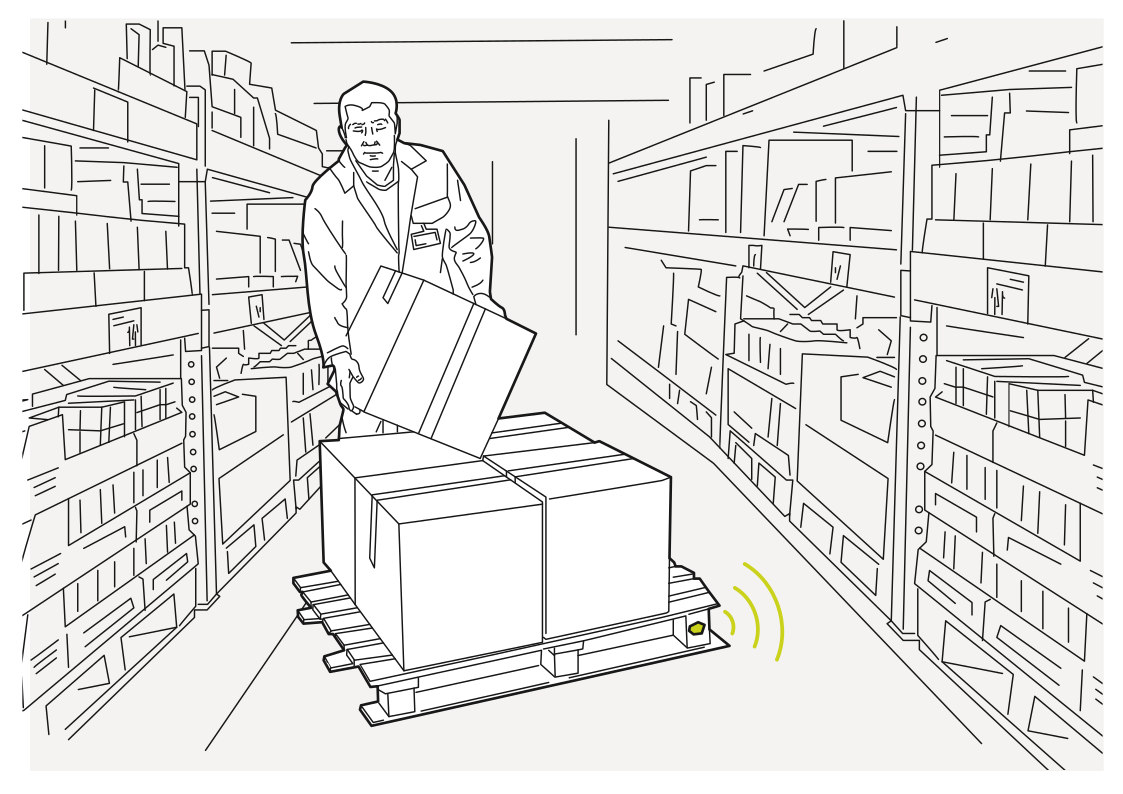
Give your assets a wireless identity. Estimote BLE Tags help you locate tools, equipment and inventory with simple Bluetooth technology, built for deployments that can grow to thousands or even millions of items.
Attach a tag to an object and use nearby receivers to detect it. Your software can turn those detections into useful information about where an item was last seen or which area it has moved into.
Redesigned for scale, these tags use simpler components to keep large deployments affordable. They are a practical choice when you need to know that an asset is nearby and do not require the positioning precision of UWB.
EXPLORE ALL OF OUR USE CASES
The sky is the limit. Precise indoor location and contextual awareness can improve productivity and enable new types of experiences.
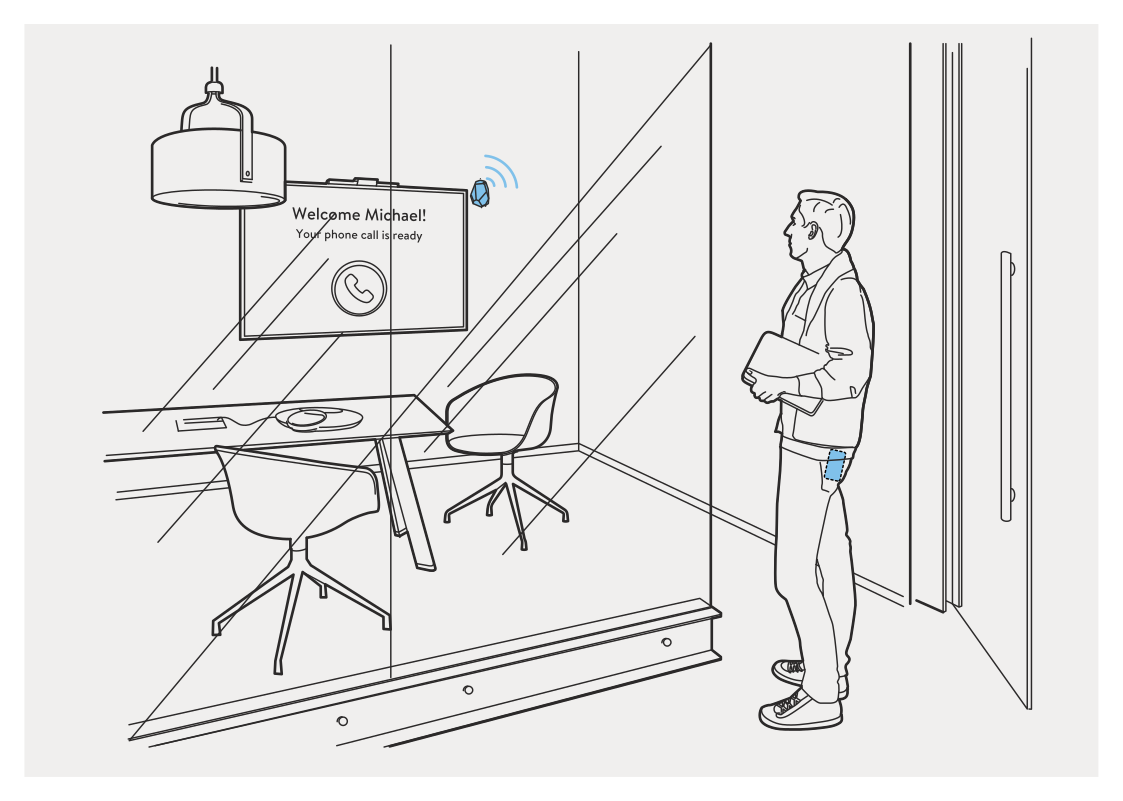
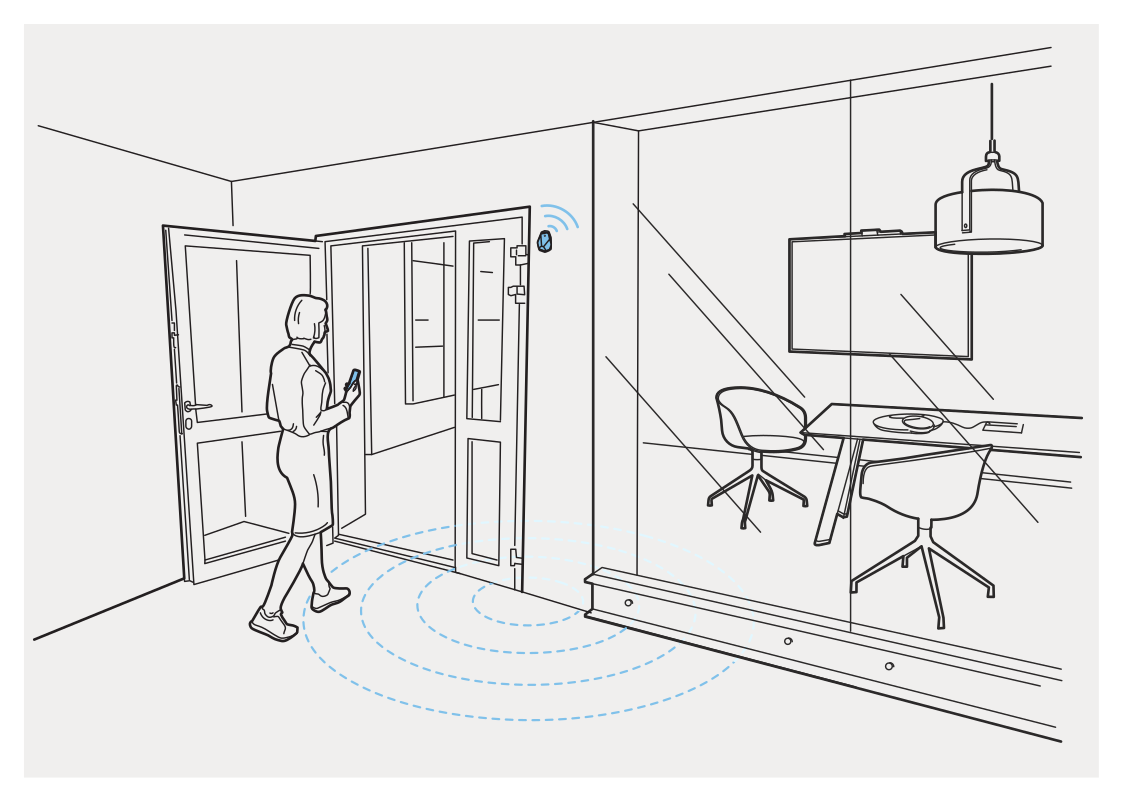
Walk into a meeting room and find your call ready to start. Beacons let your app recognize the room, while radar detects occupancy. Connect these signals to SpaceTimeOS to welcome guests and prepare the space.
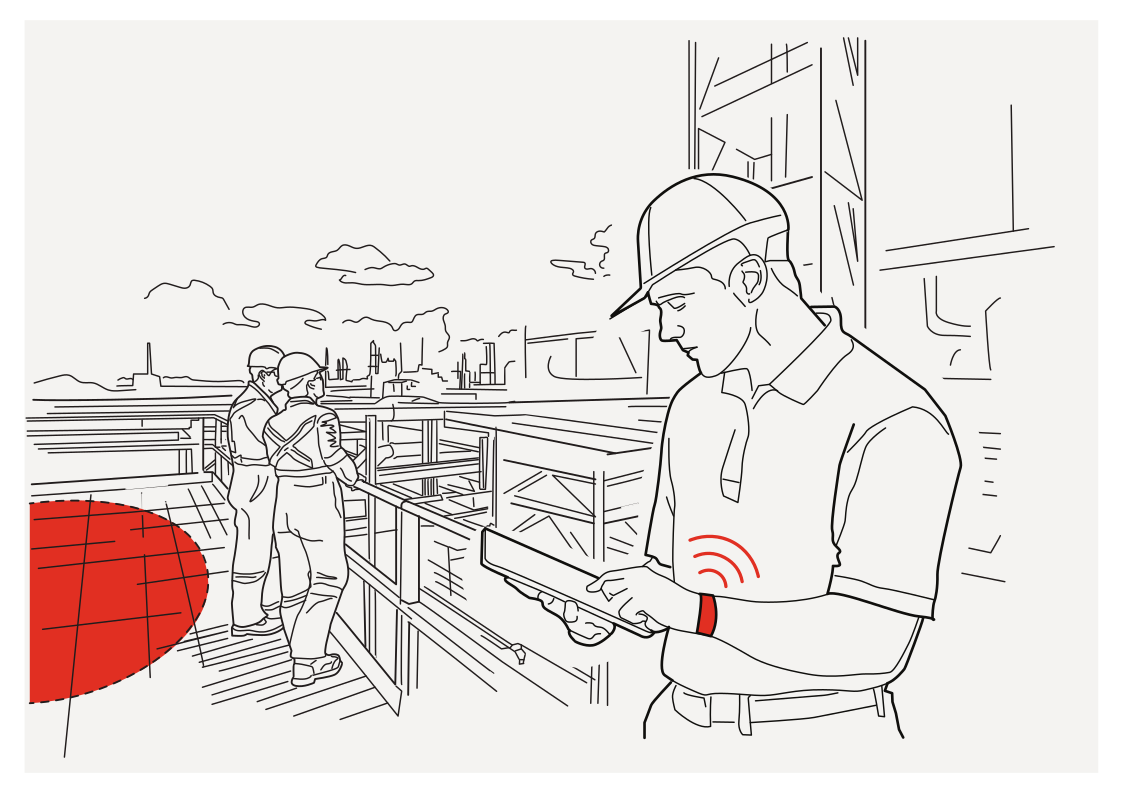
Turn a walk through the office into a quick room booking. Show available spaces on a map, let a nearby app recognize the room, and use occupancy signals to keep availability useful throughout the day.
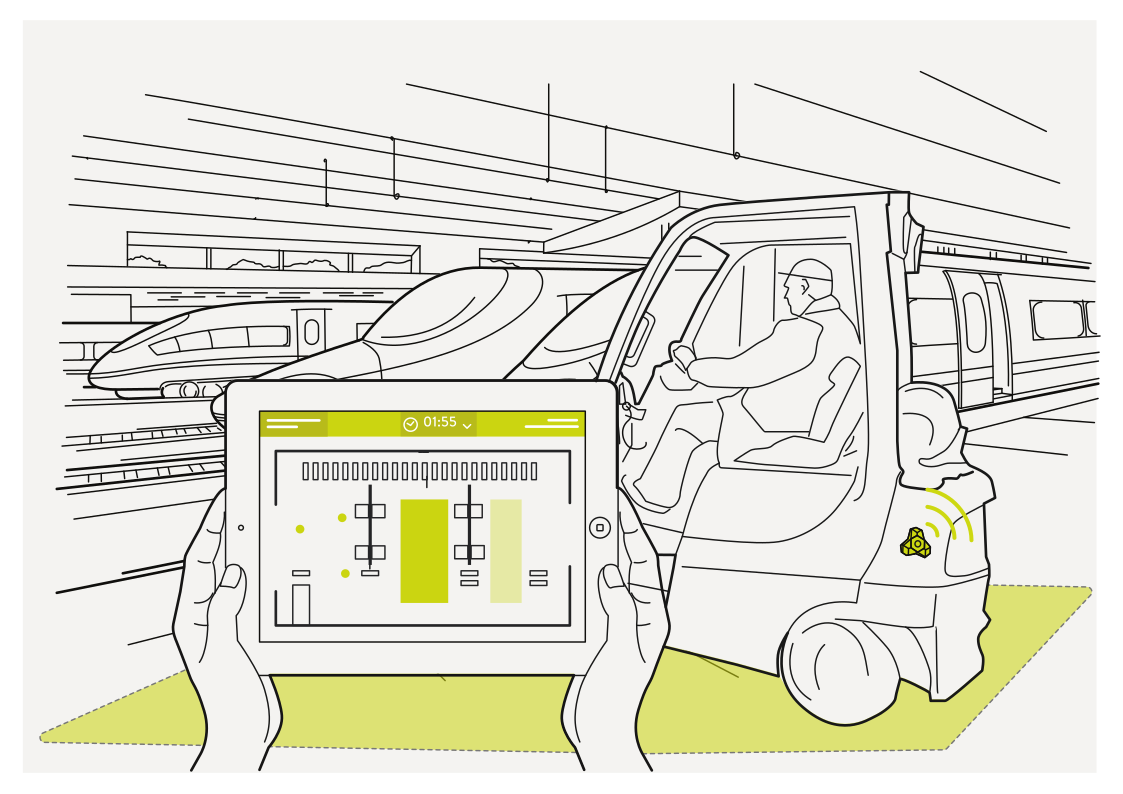
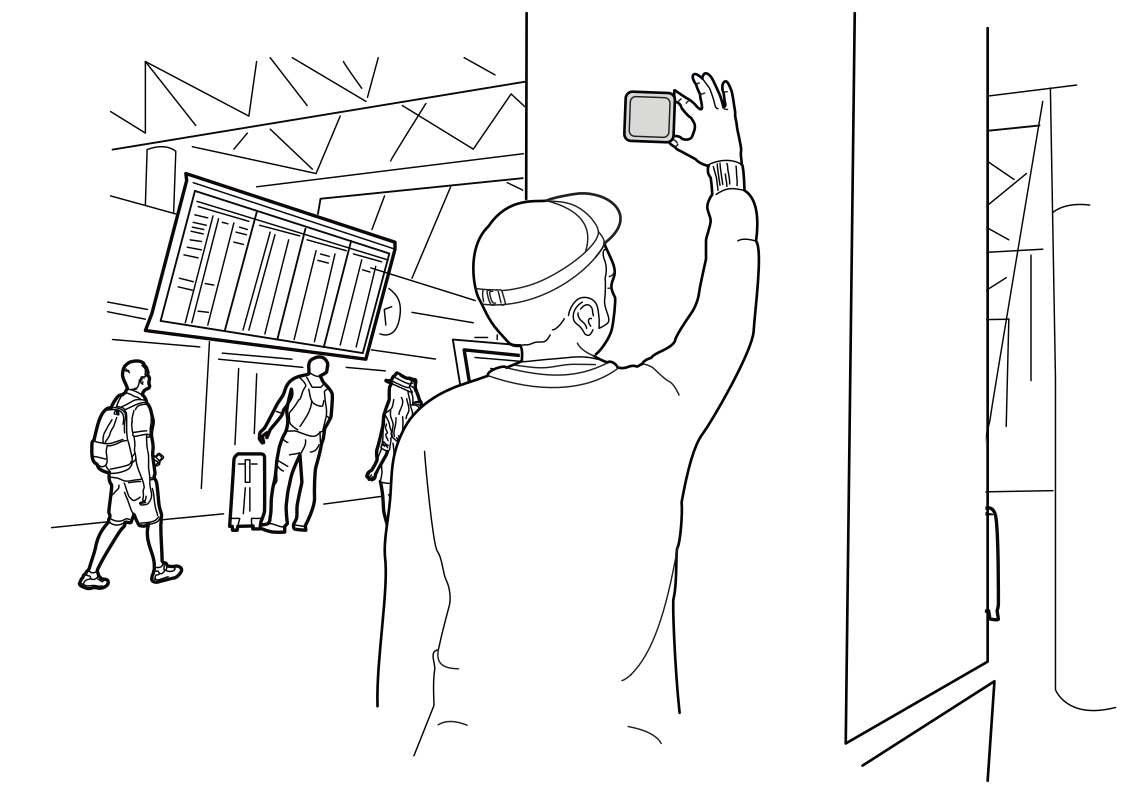
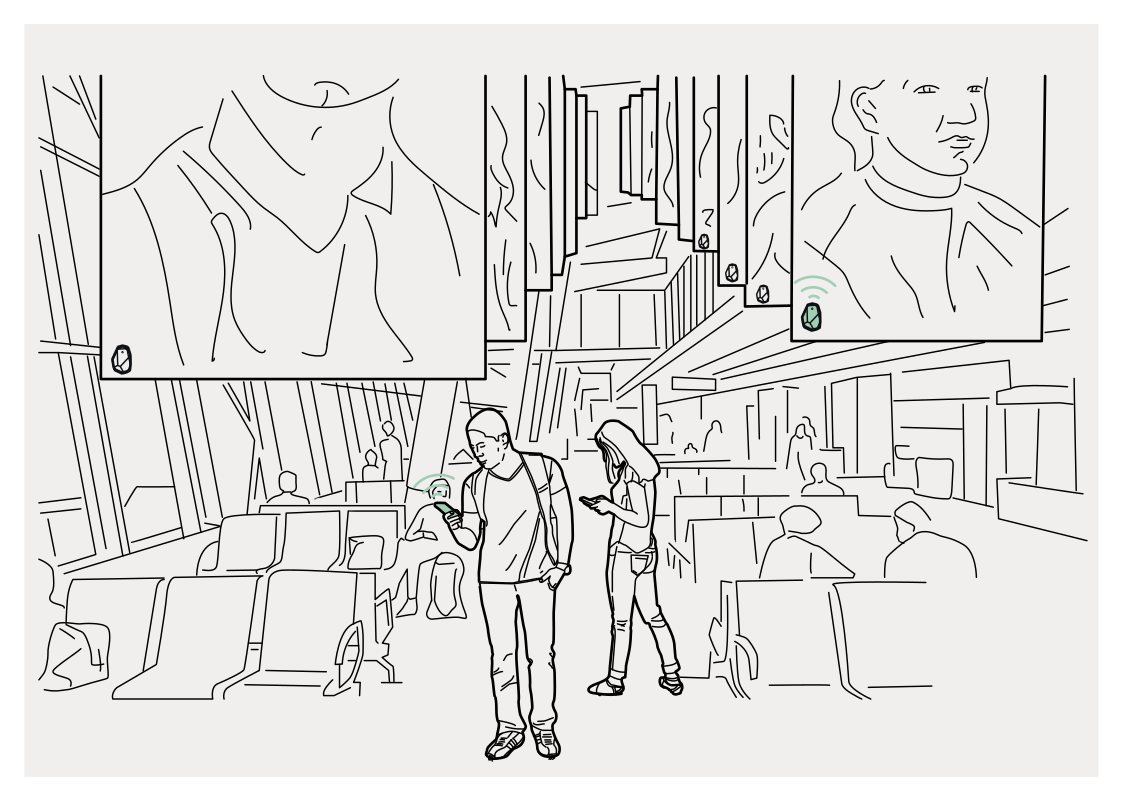
Make a busy station easier to navigate. Guide travelers to the right platform with directions on their phones. Use UWB for precise positioning or Bluetooth for nearby points of interest, with routes built around your station map.
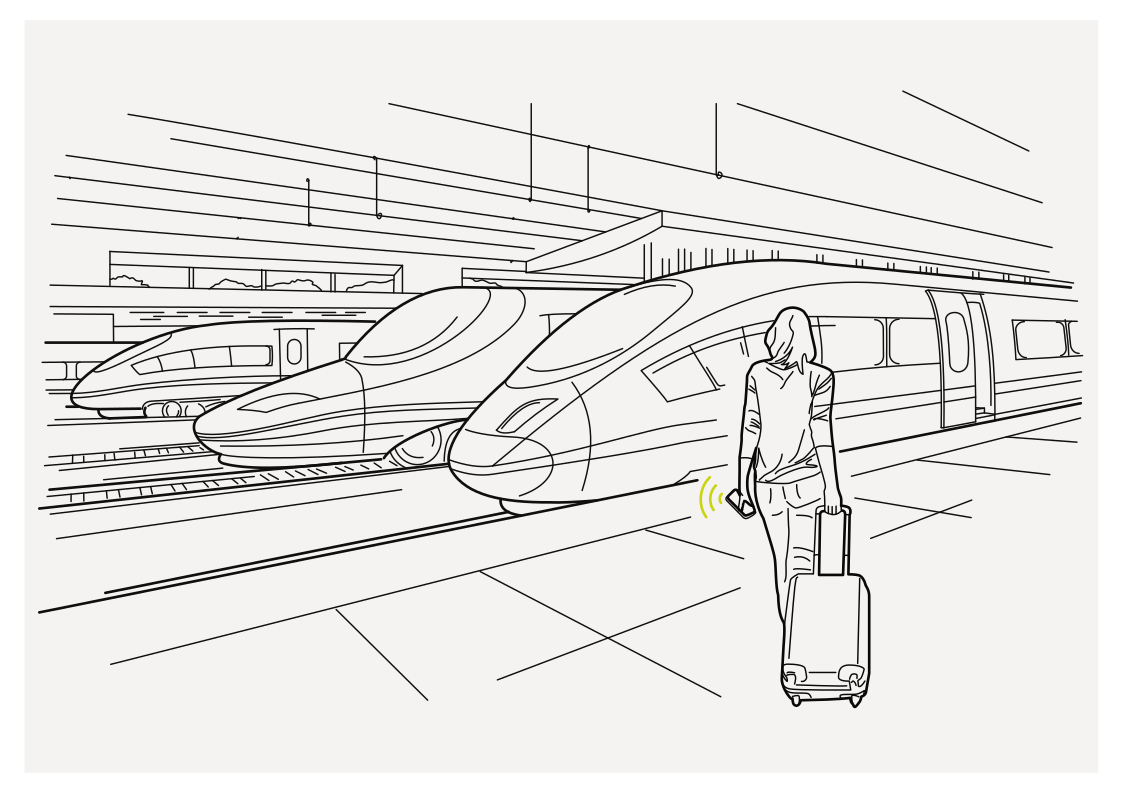
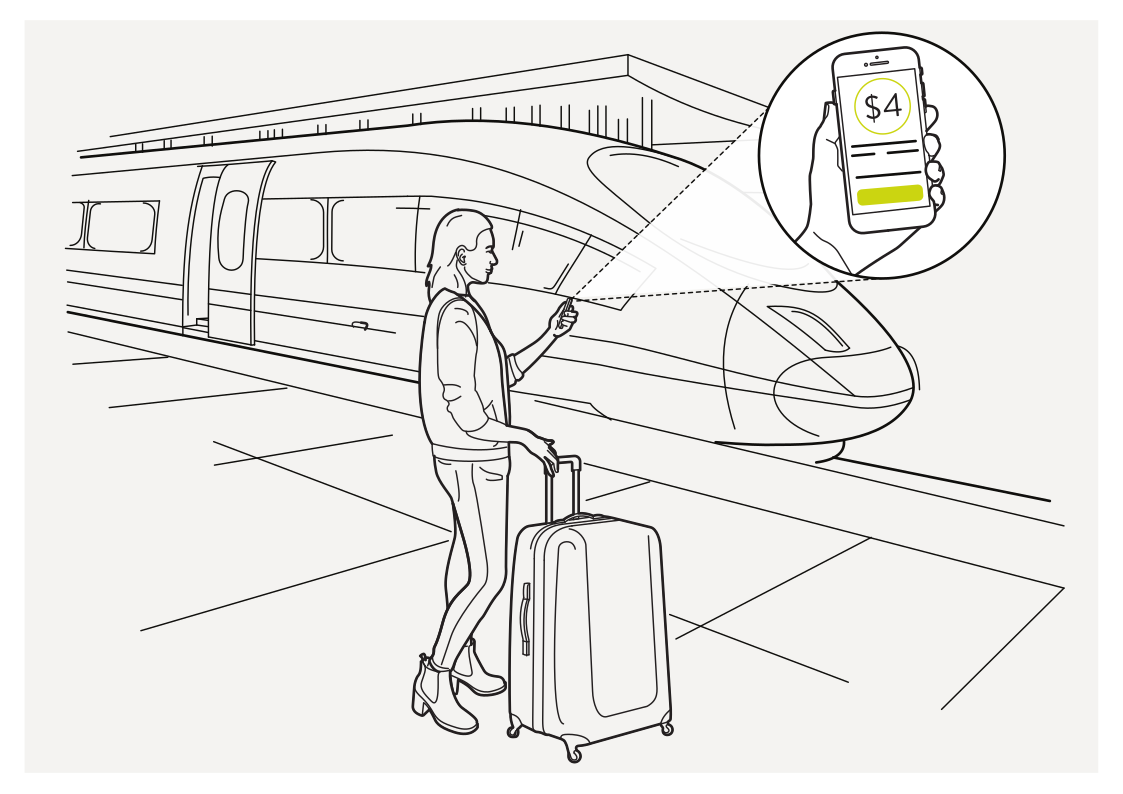
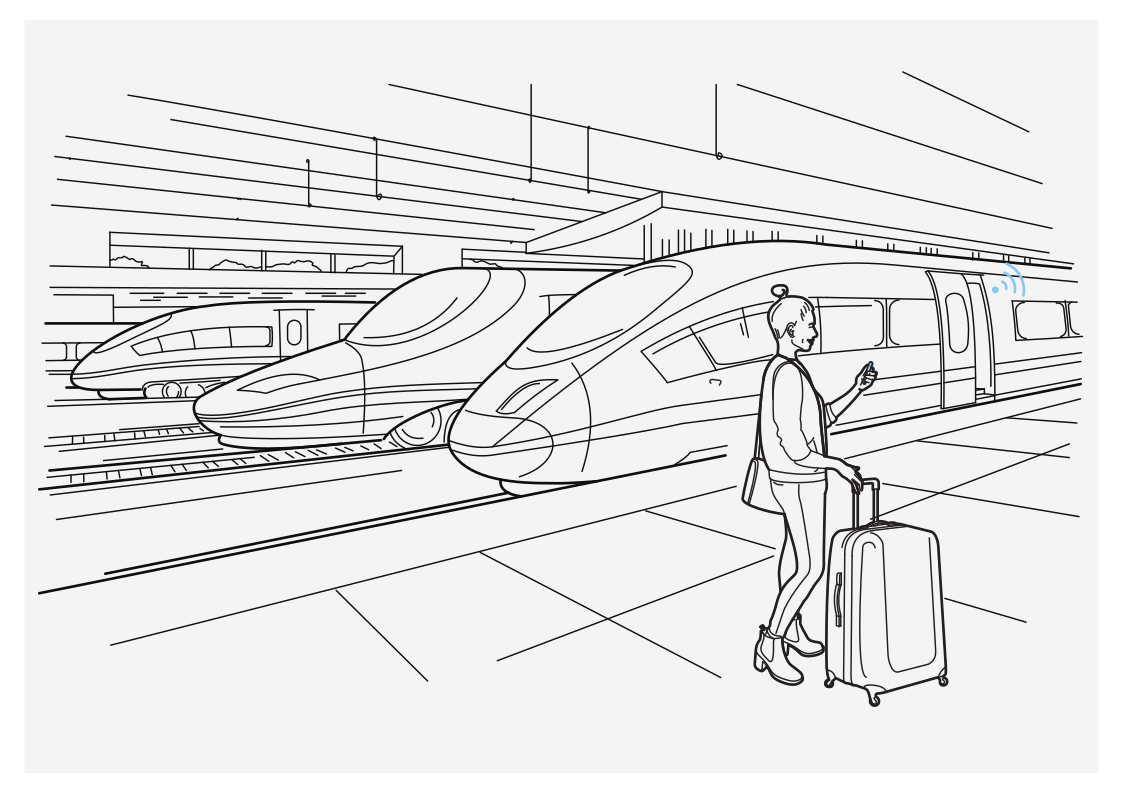
Make boarding feel effortless. Let an opted-in app recognize the train and register a journey. Connect arrival and departure events to your ticketing system so it can calculate the fare and handle payment.
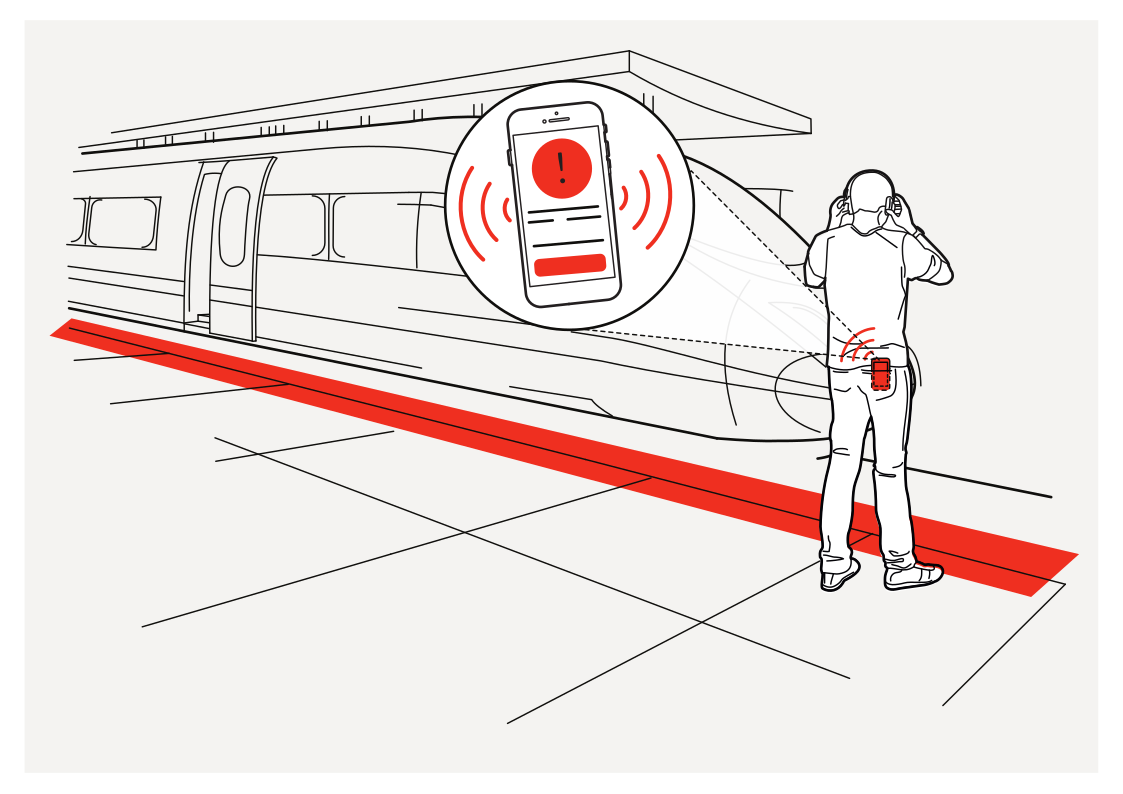
Give passengers a timely reminder to step back. Use a compatible phone’s UWB position to trigger an alert near a mapped platform edge. Radar can add presence signals for station staff, alongside existing safety measures.
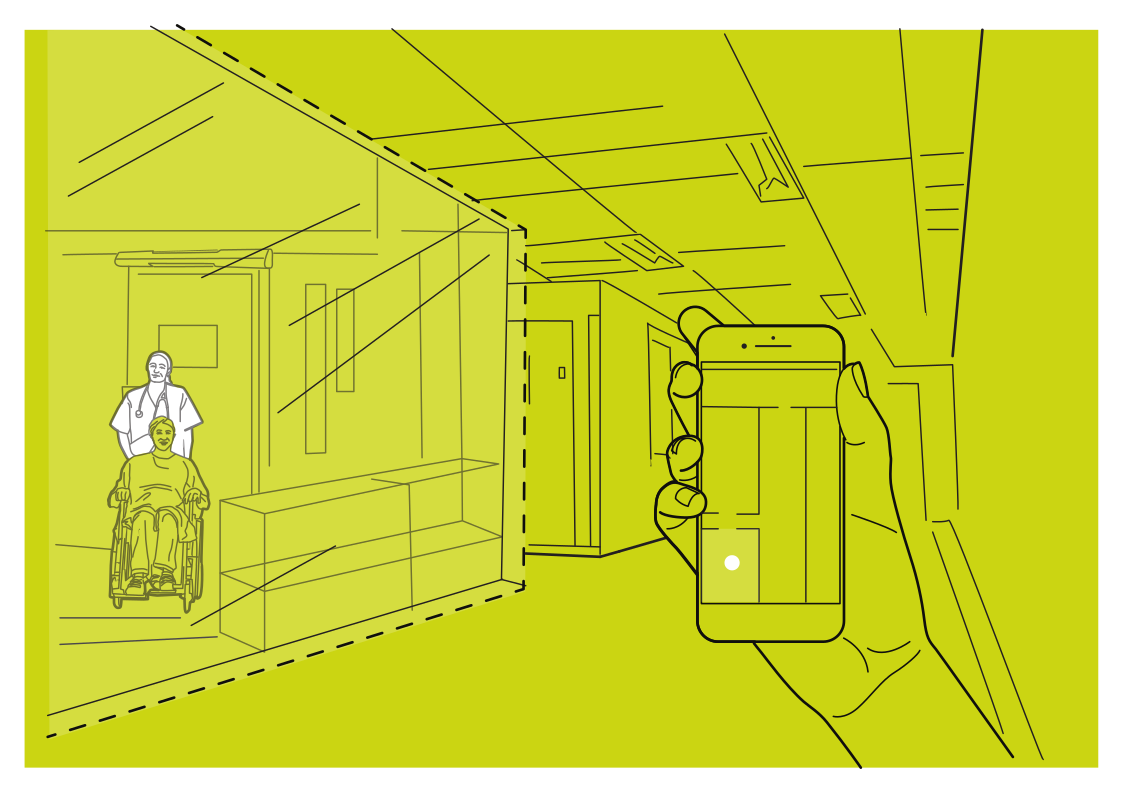
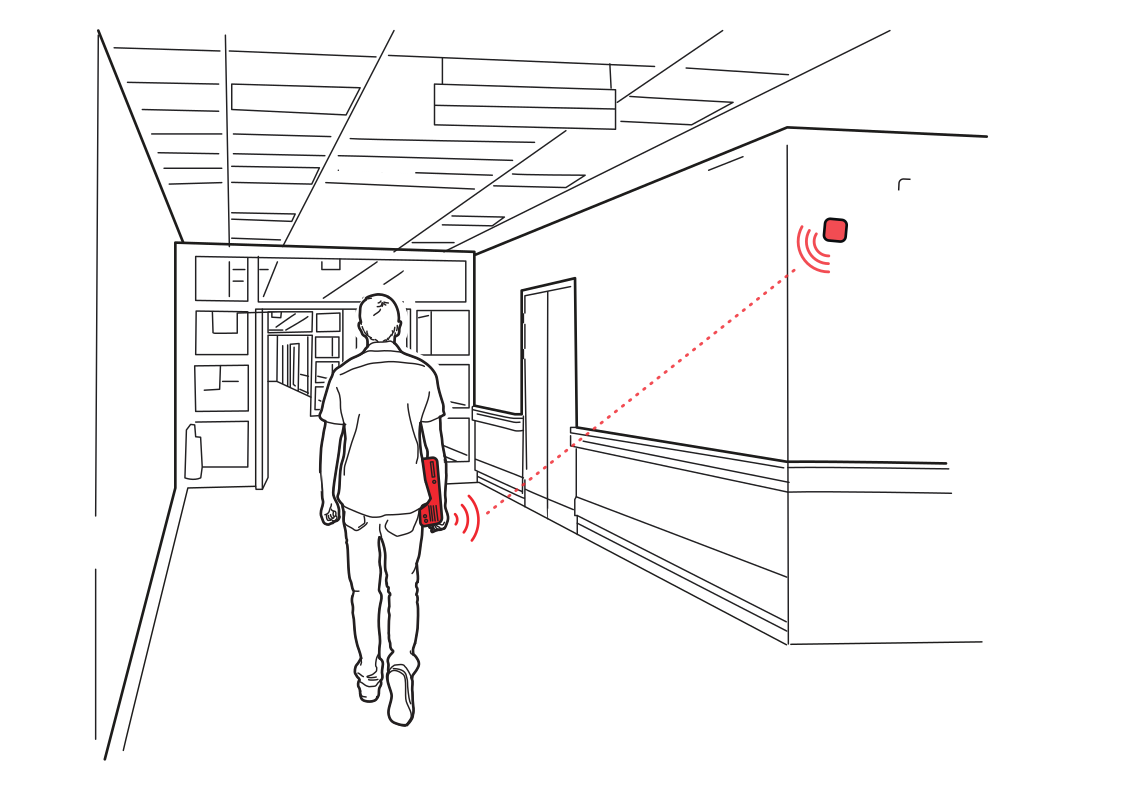
Help patients and visitors arrive with less uncertainty. Put hospital directions on their phones, from the entrance to the right department. Combine indoor positioning with accessible routes and nearby landmarks to make every turn easier to follow.
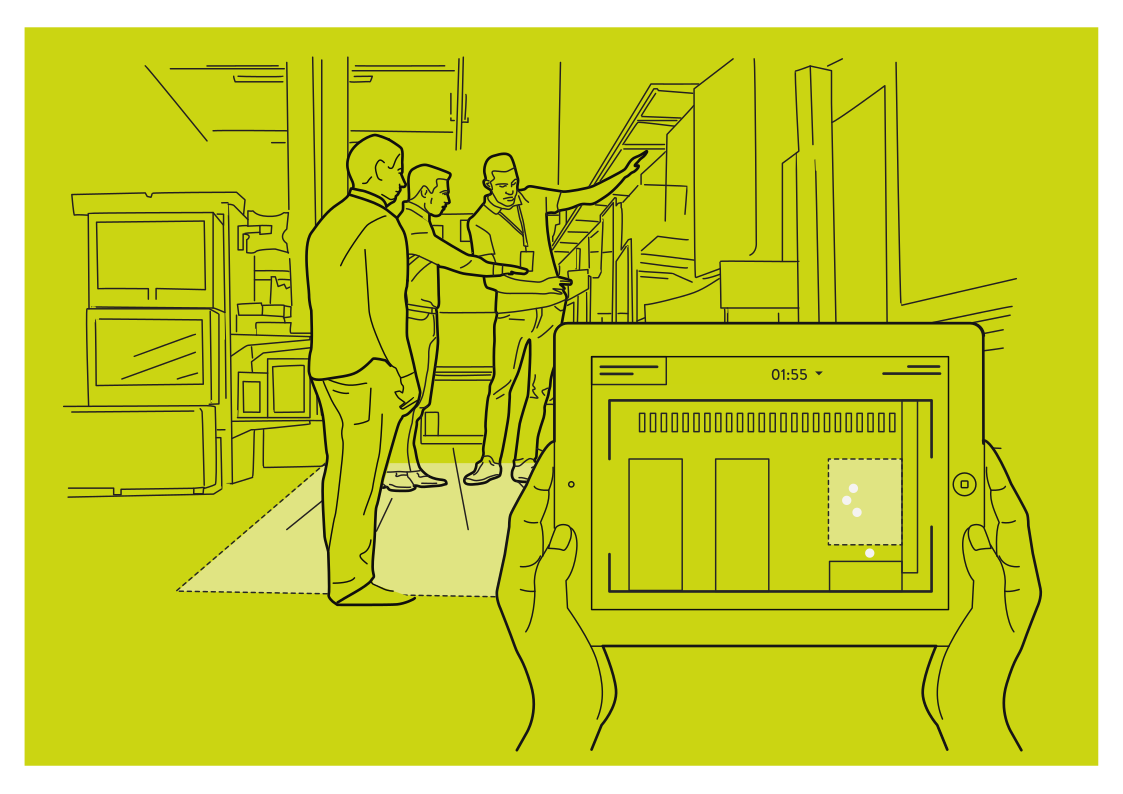
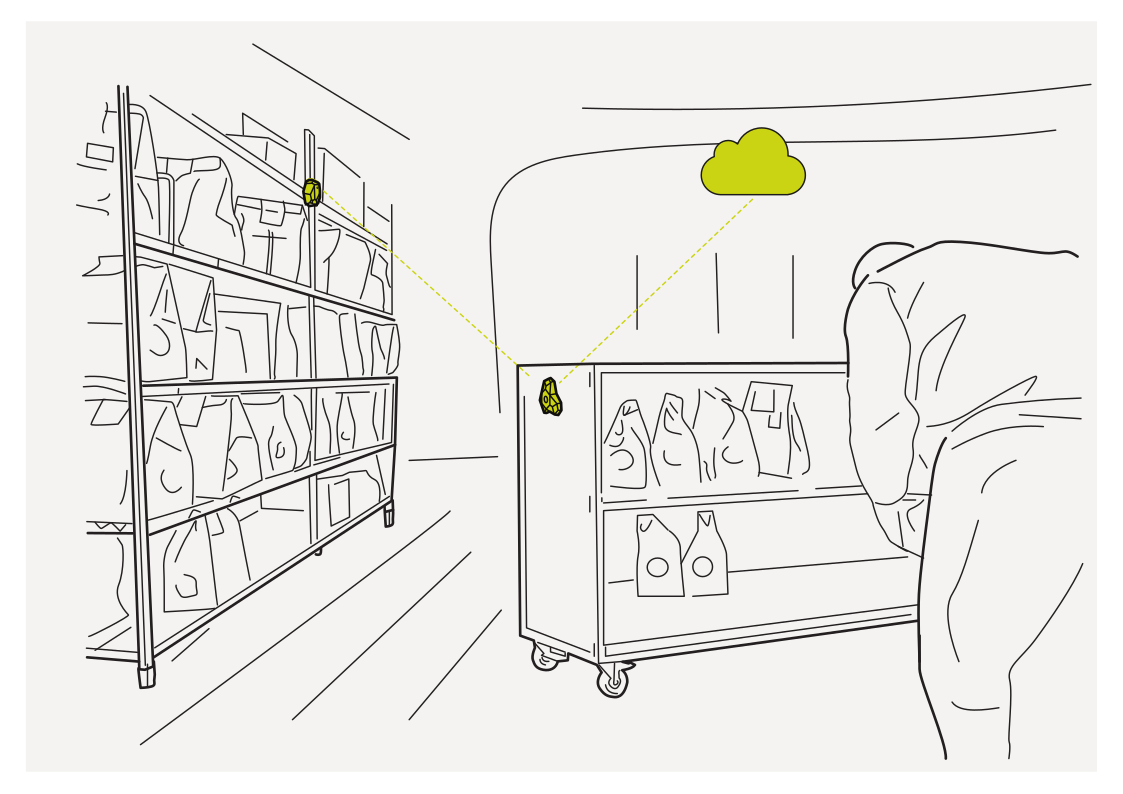
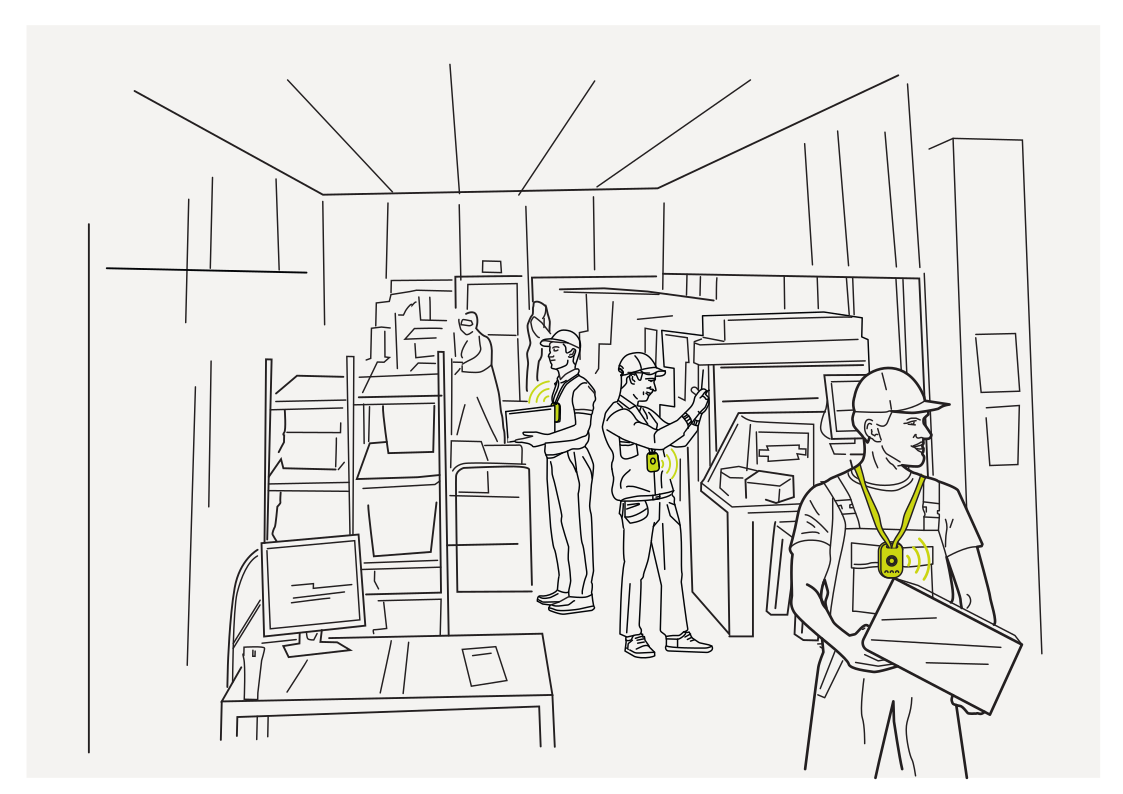
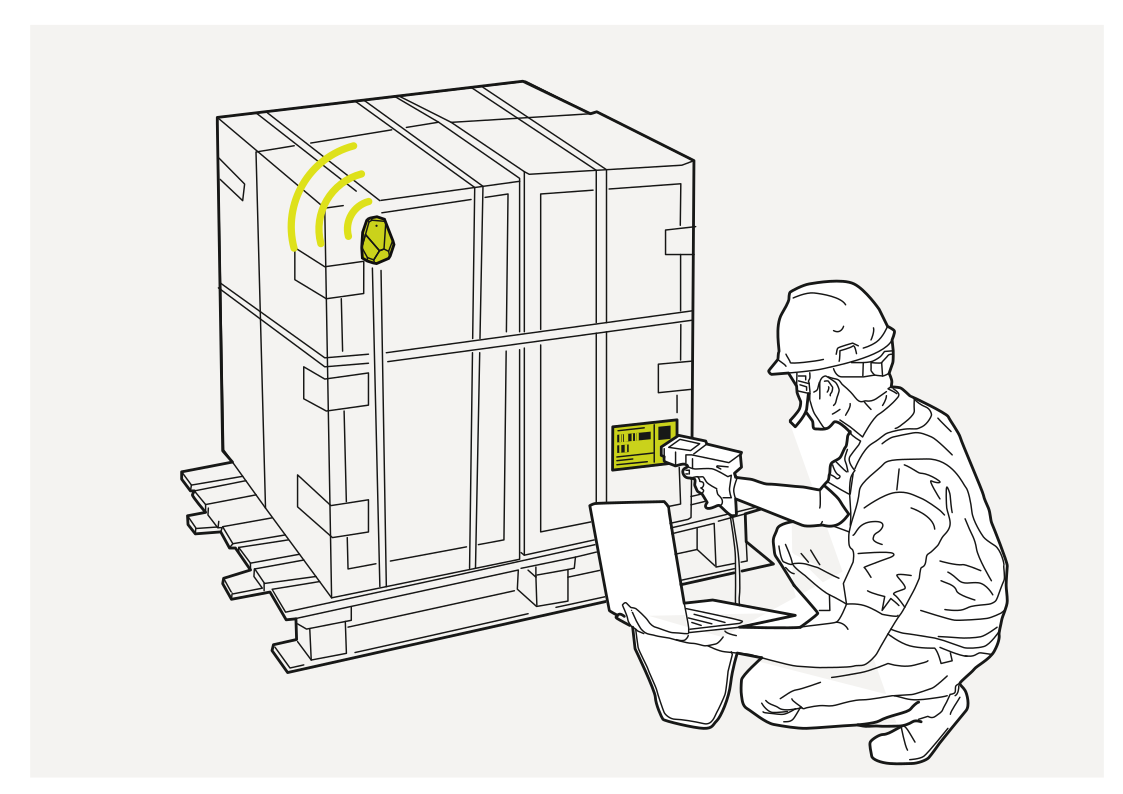
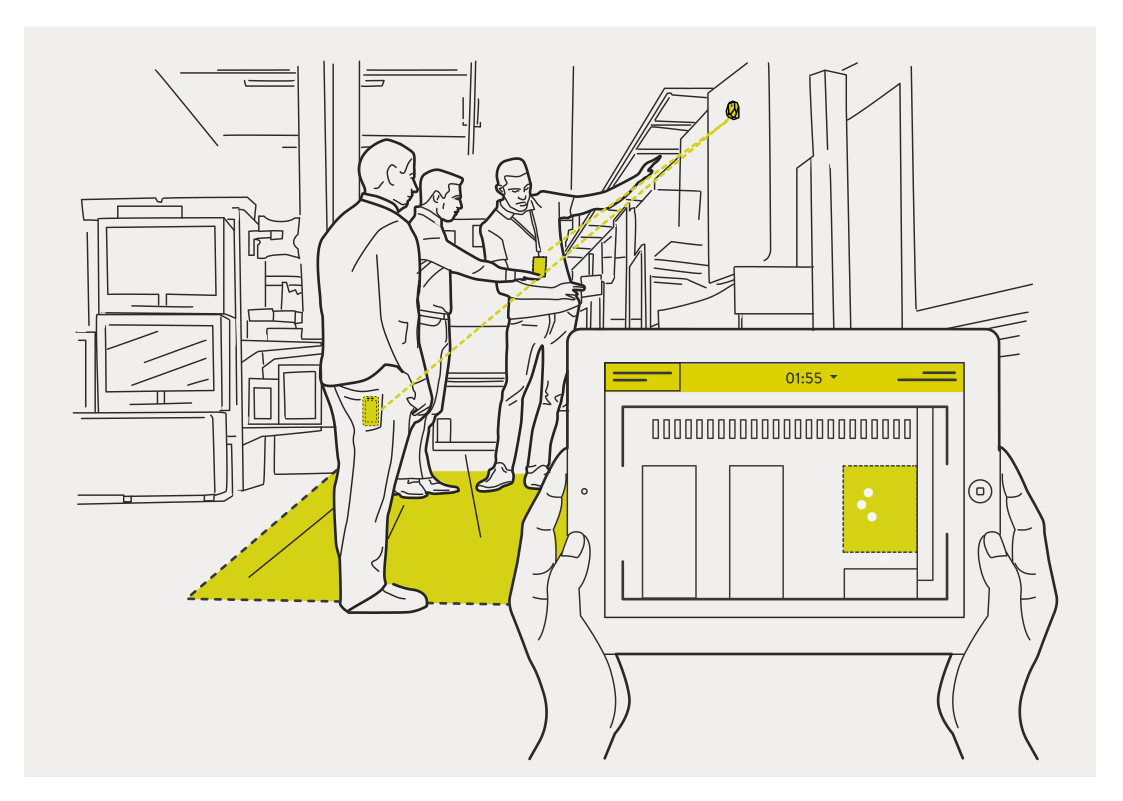
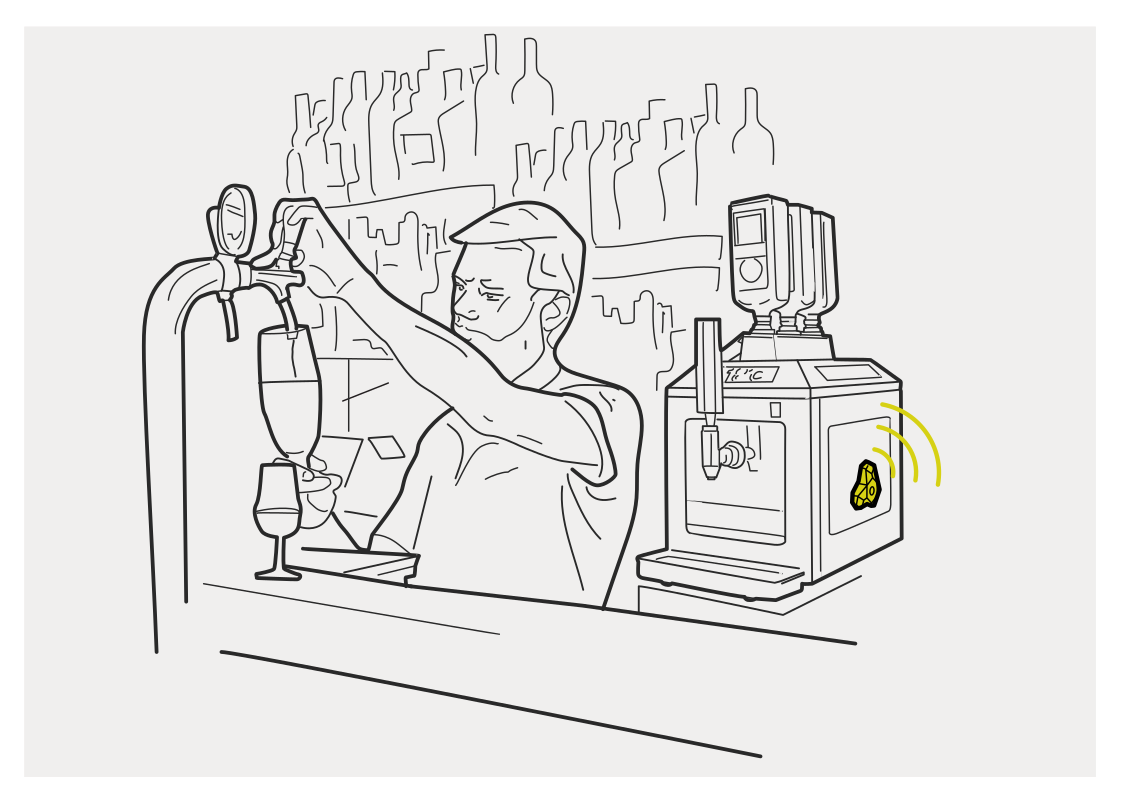
Give warehouse teams a shared view of where stock was last detected. Tag pallets and containers, then bring receiver updates onto a floor plan. Wearable buttons let staff request a pickup while keeping their hands free.
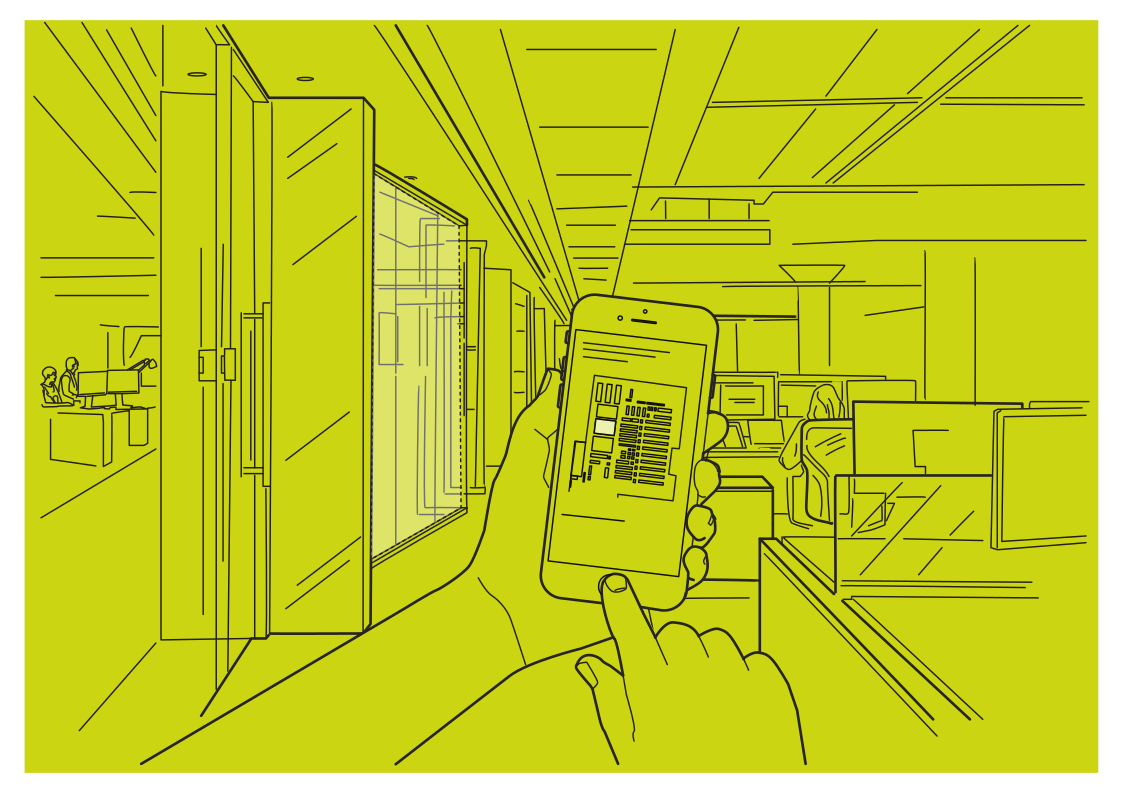
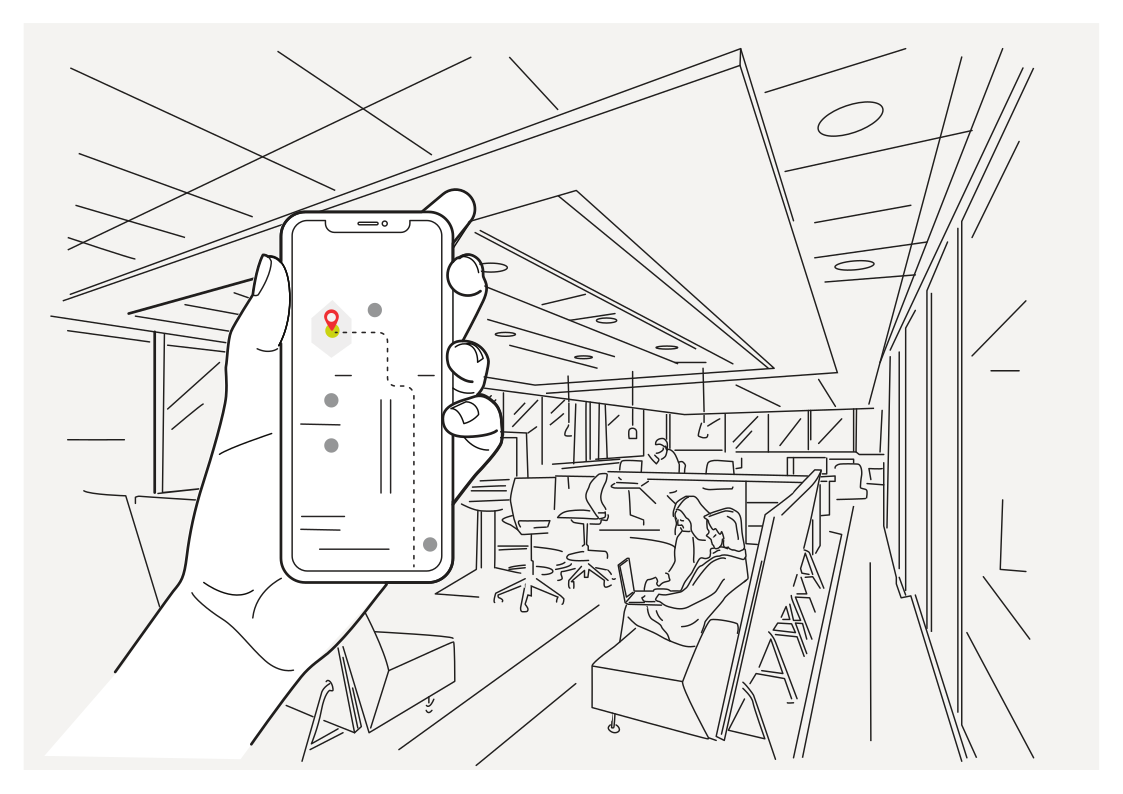
Make a large office feel familiar from day one. Guide people to meeting rooms, desks, and shared facilities on their phones. Combine precise indoor positioning or Bluetooth landmarks with a map that reflects how your workplace is used.
Find the service vehicle your team needs before the next train arrives. Bluetooth tags and nearby receivers show its last detected area on a station map. Equip operators with wearable buttons to request support or confirm a job.
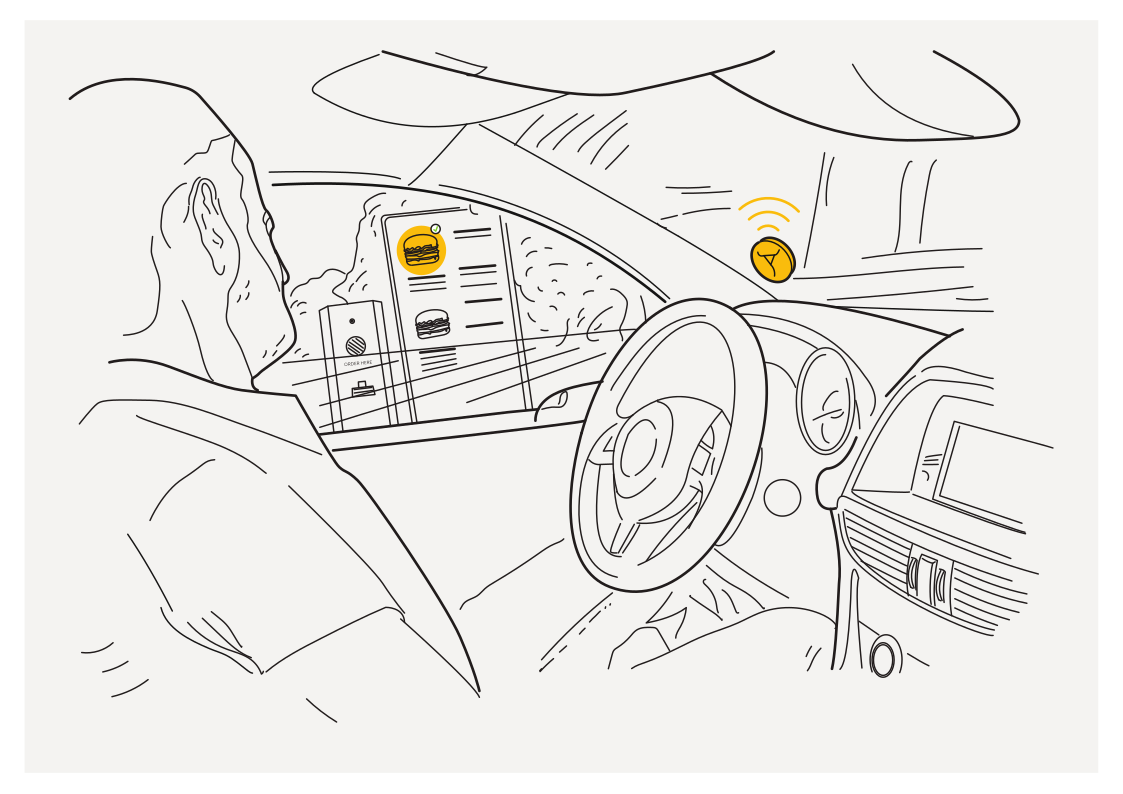
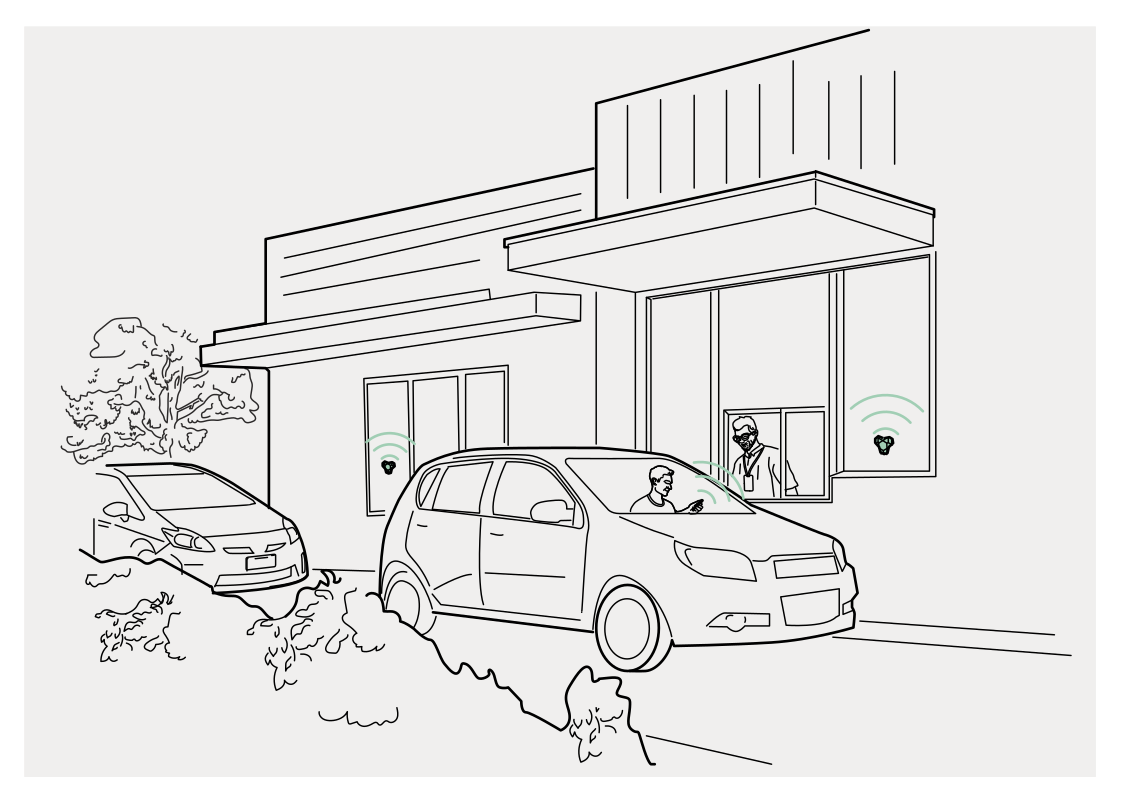
Let the drive-thru recognize an arriving customer’s app. Bring up a menu or send a pickup event to your ordering system. Use Bluetooth proximity, or UWB where lane-level positioning matters, to help staff prepare the right order.
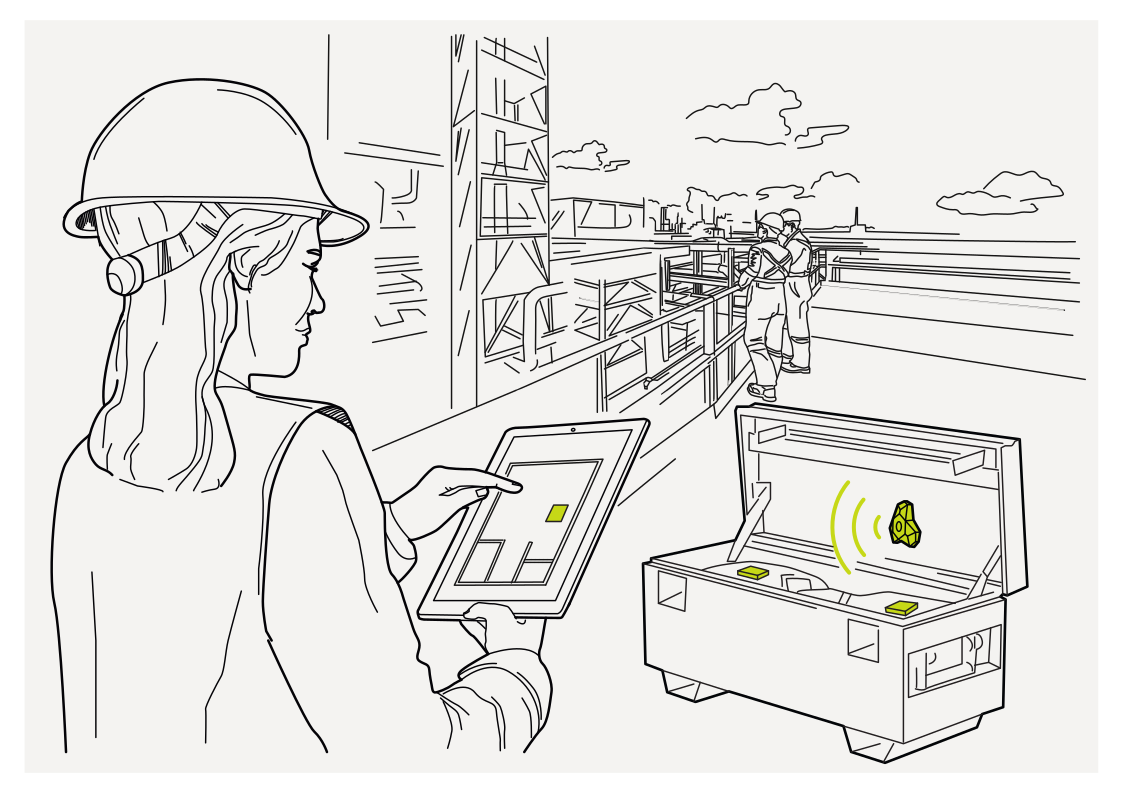
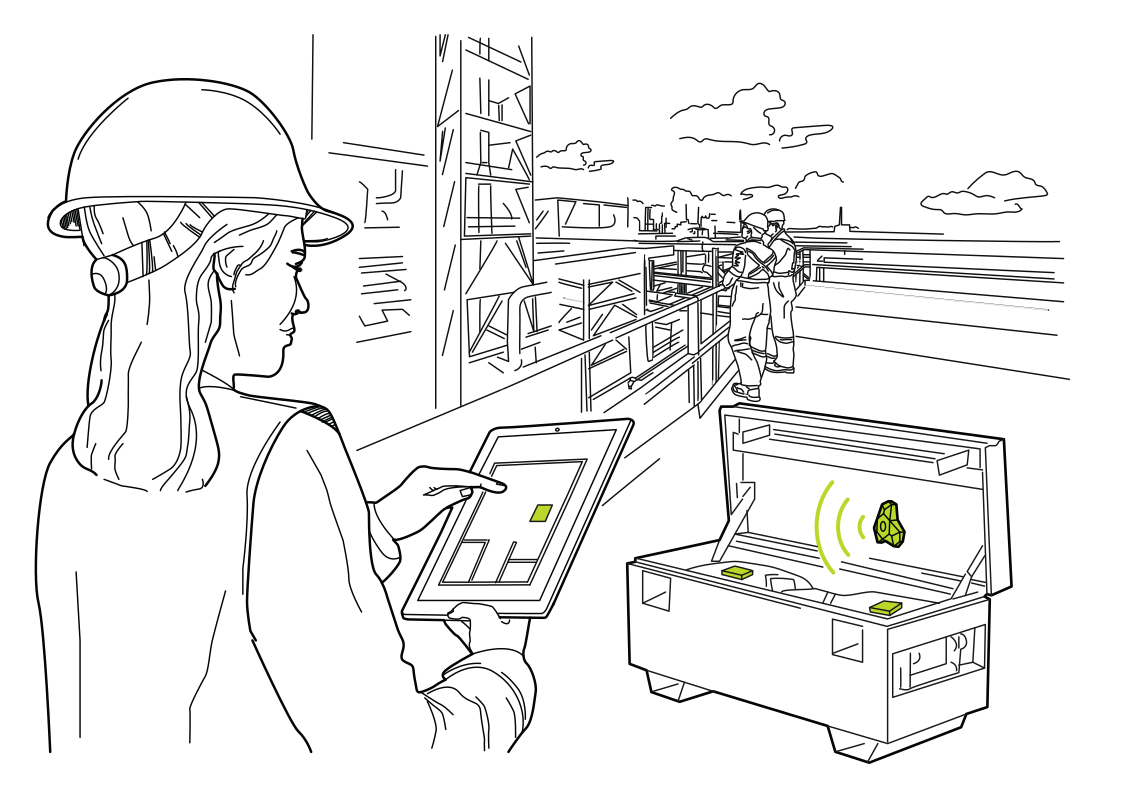
Spend less time looking for tools and more time using them. Attach Bluetooth tags to toolboxes and connect receiver detections to a site map. Mark work areas with beacons so a nearby app can put each location in context.
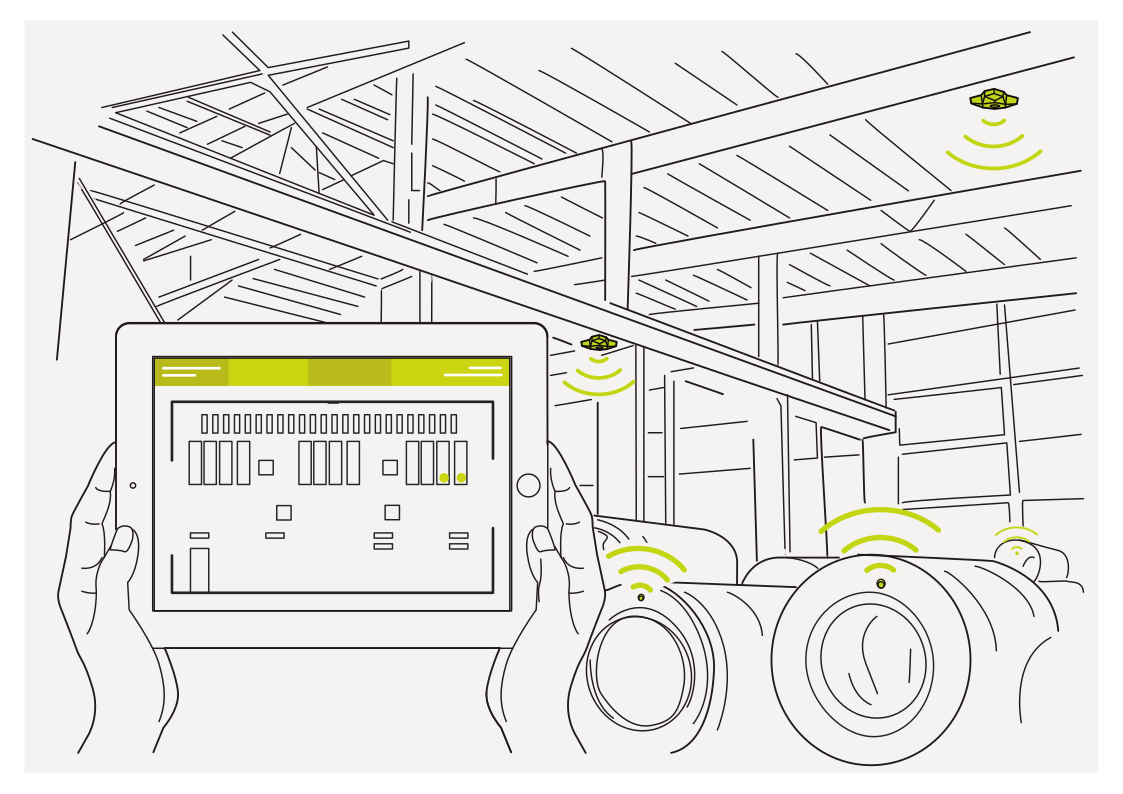
Keep tire inventory within reach. Tag racks or batches and use nearby receivers to record where they were last seen. Bring those updates into SpaceTimeOS so teams can find stock and coordinate picking across the warehouse.
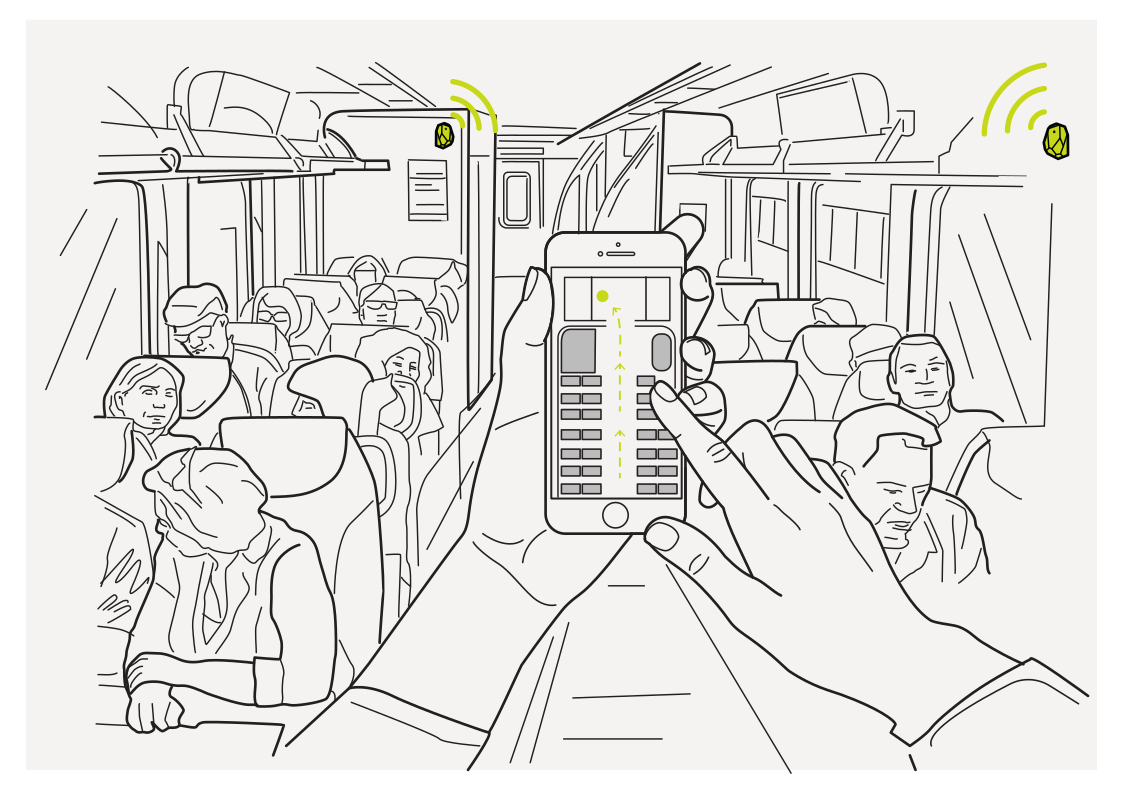
Help passengers find their seat without searching every row. Combine the carriage layout with Bluetooth landmarks or UWB positioning on compatible phones. The same location context can support at-seat orders and requests for assistance.
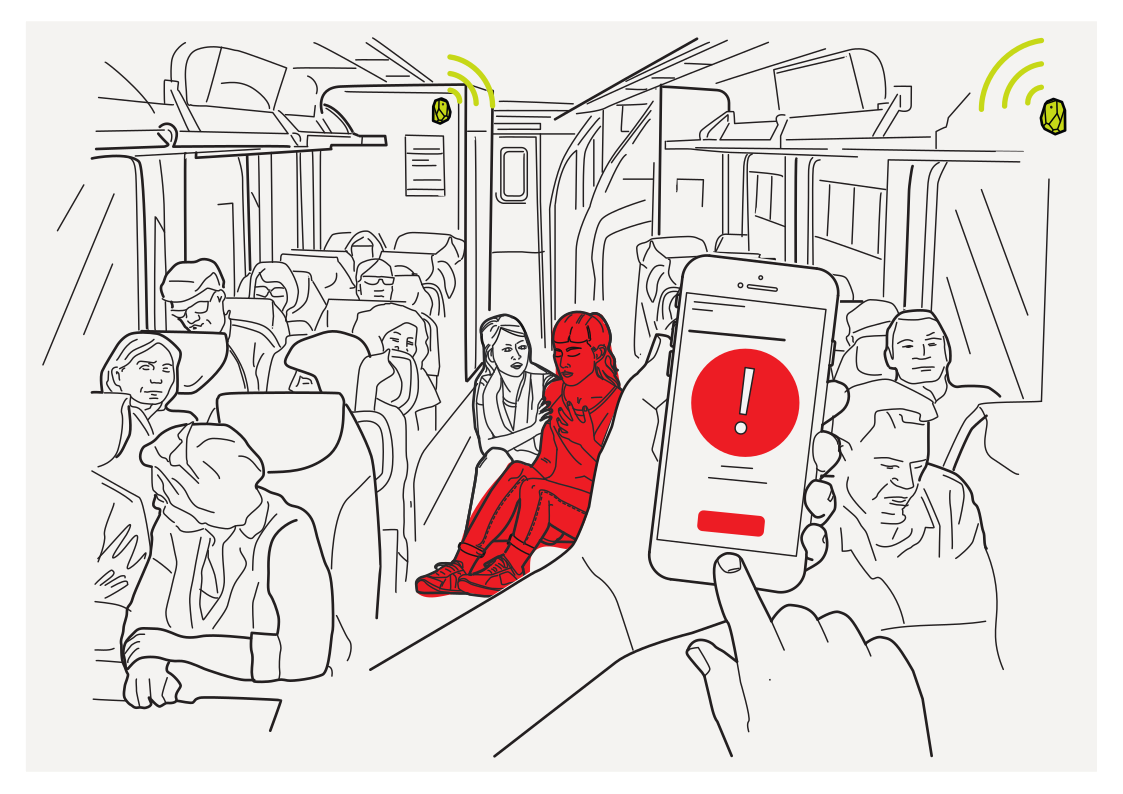
Make it easier for passengers to ask for help. Let an app identify the carriage from nearby beacons and send a request to staff. A connected wearable offers a dedicated button for passengers who need one.
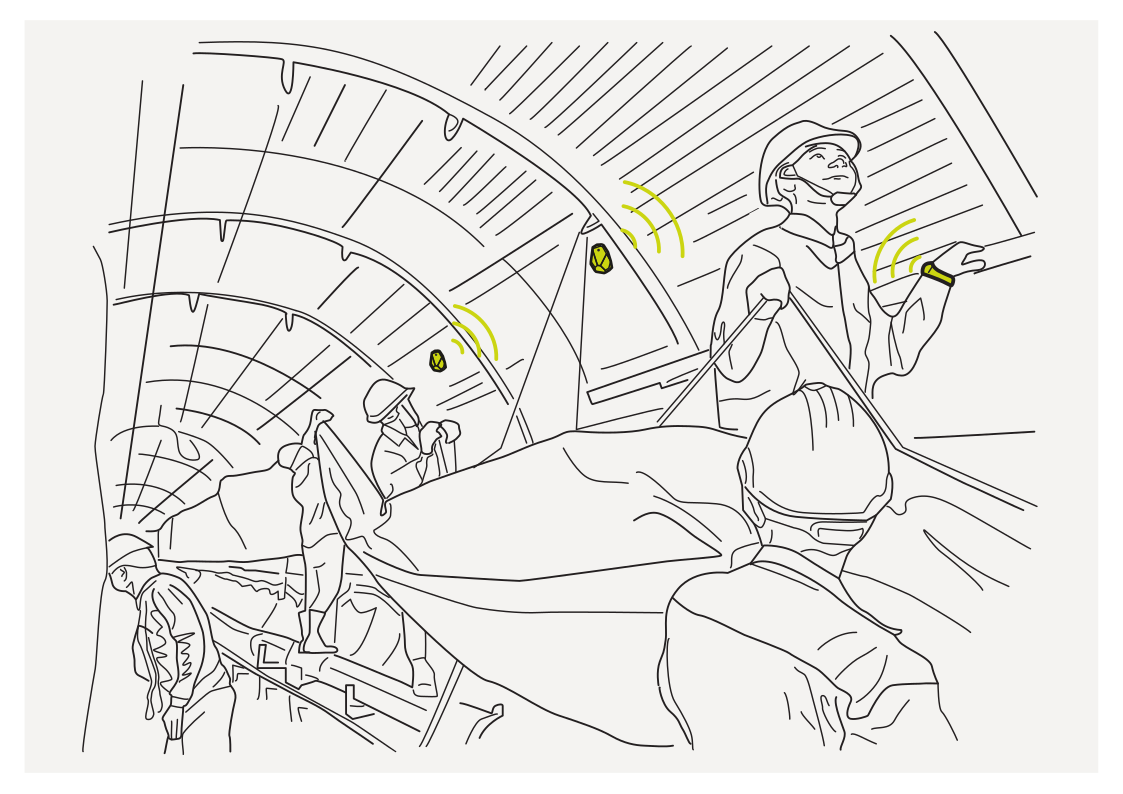
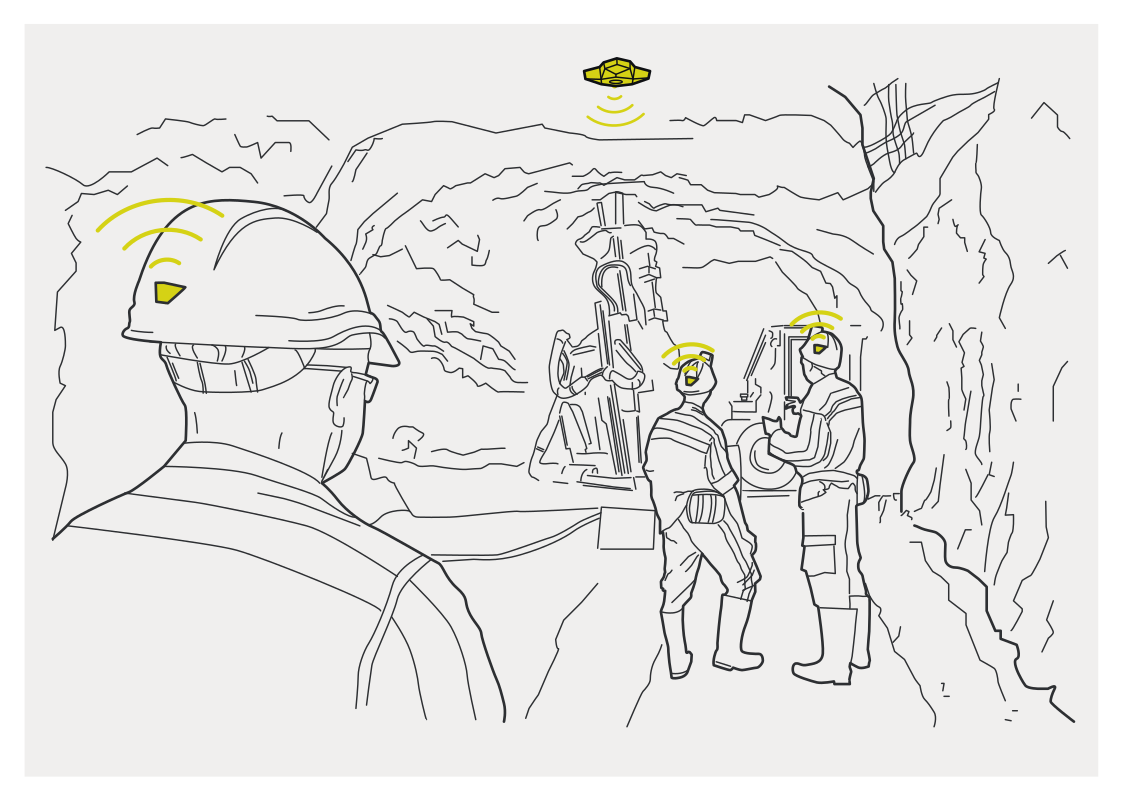
Give underground crews a simple way to check in or request help. Wearable buttons and Bluetooth landmarks add location context to connected workflows. Bring those events onto a site map so supervisors can coordinate the next response.
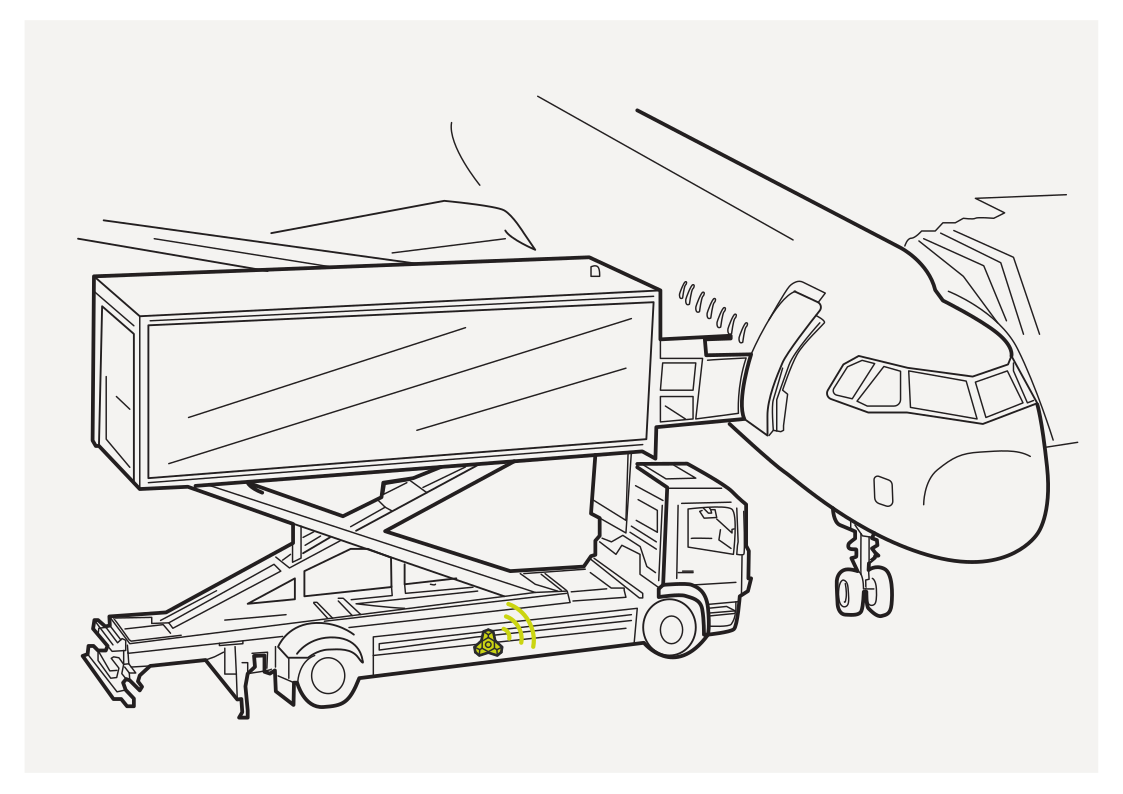
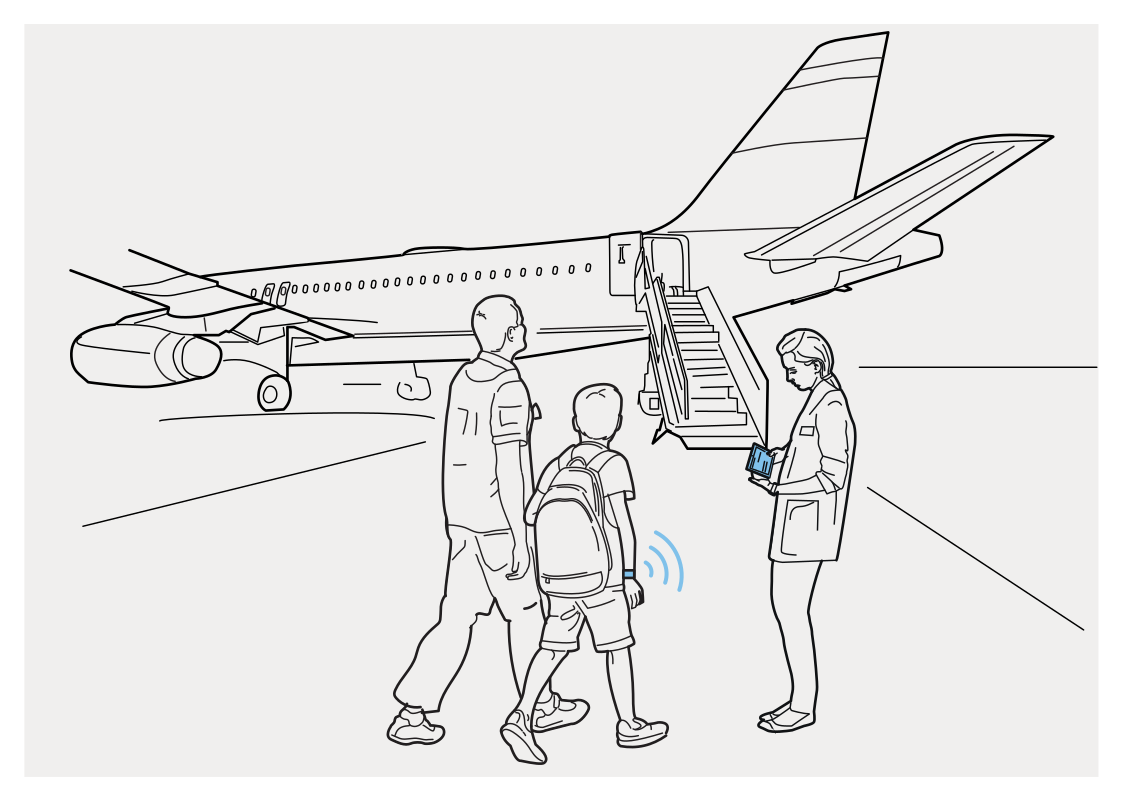
Know which loading equipment is near the aircraft before a turnaround begins. Tag cargo loaders and containers, connect detections to your operations map, and give crews a wearable button to confirm handoffs.
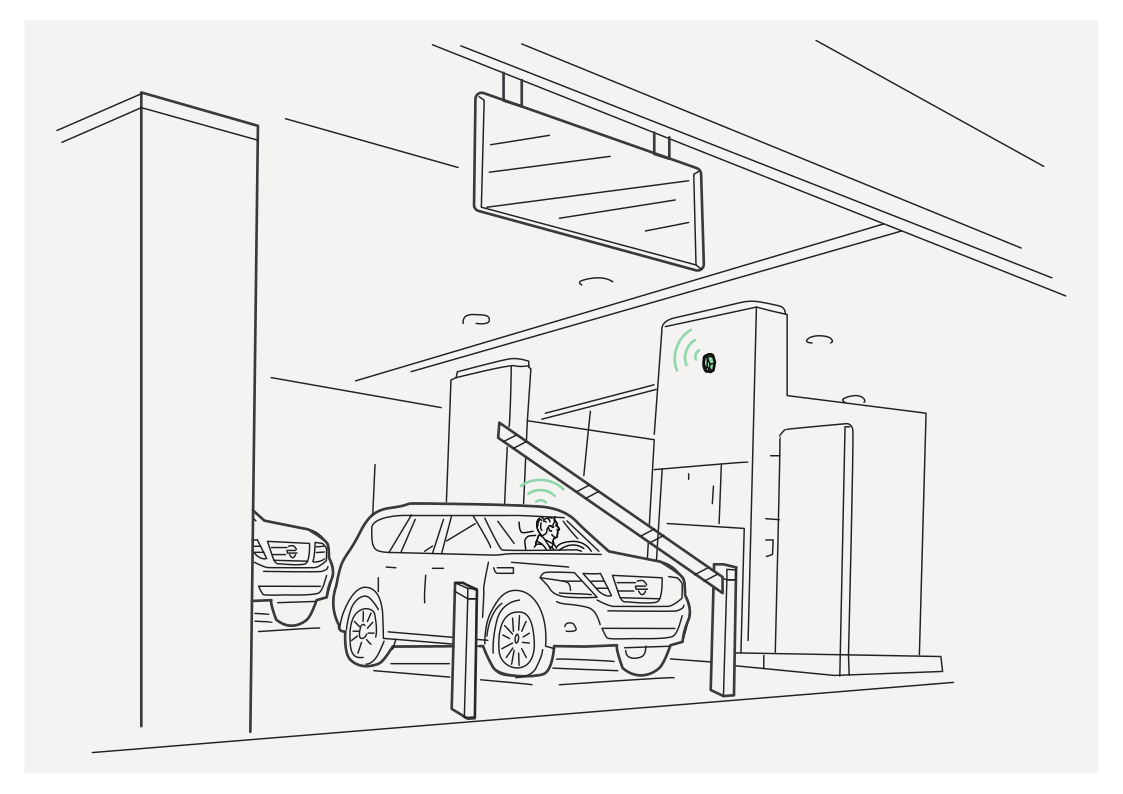
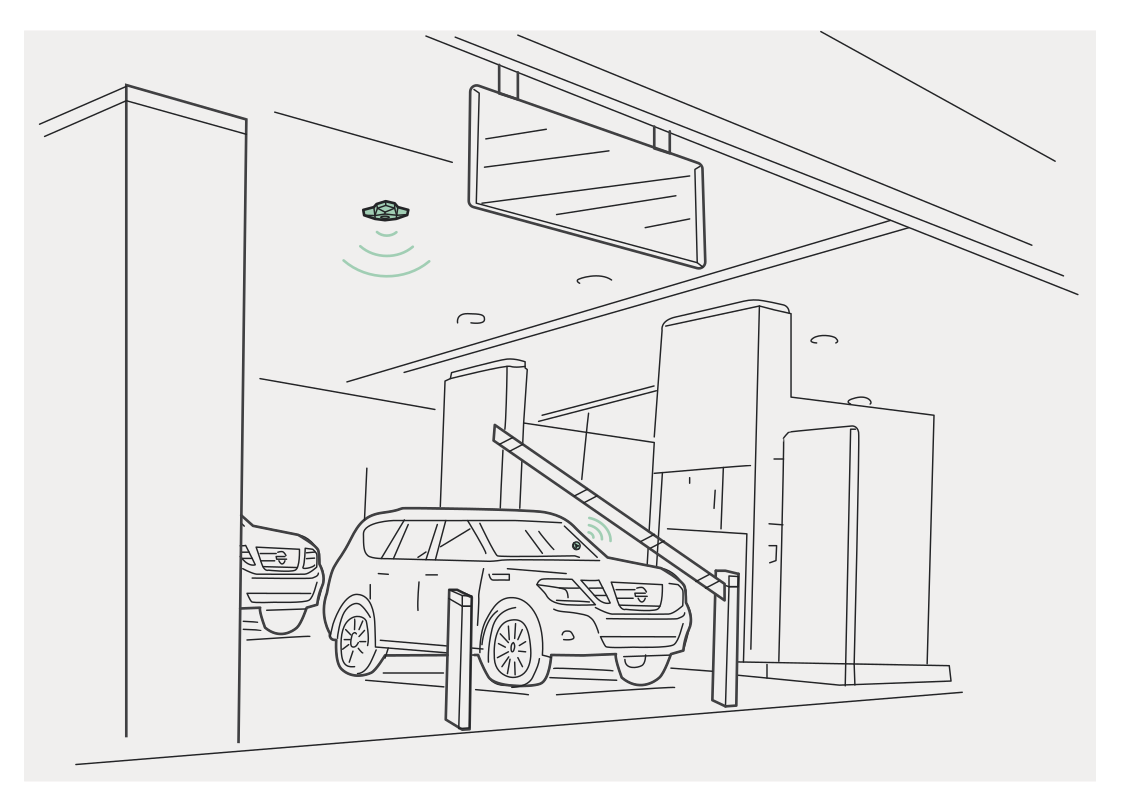
Welcome registered vehicles without a stop at the ticket machine. Use a nearby app to identify the entrance and radar to detect a waiting vehicle. Connect these events to your parking system, which decides when to open the barrier.
Help travelers confirm the train in front of them. Beacons can identify a nearby carriage, while UWB supports more precise platform guidance. Connect that location context to live service information in your passenger app.
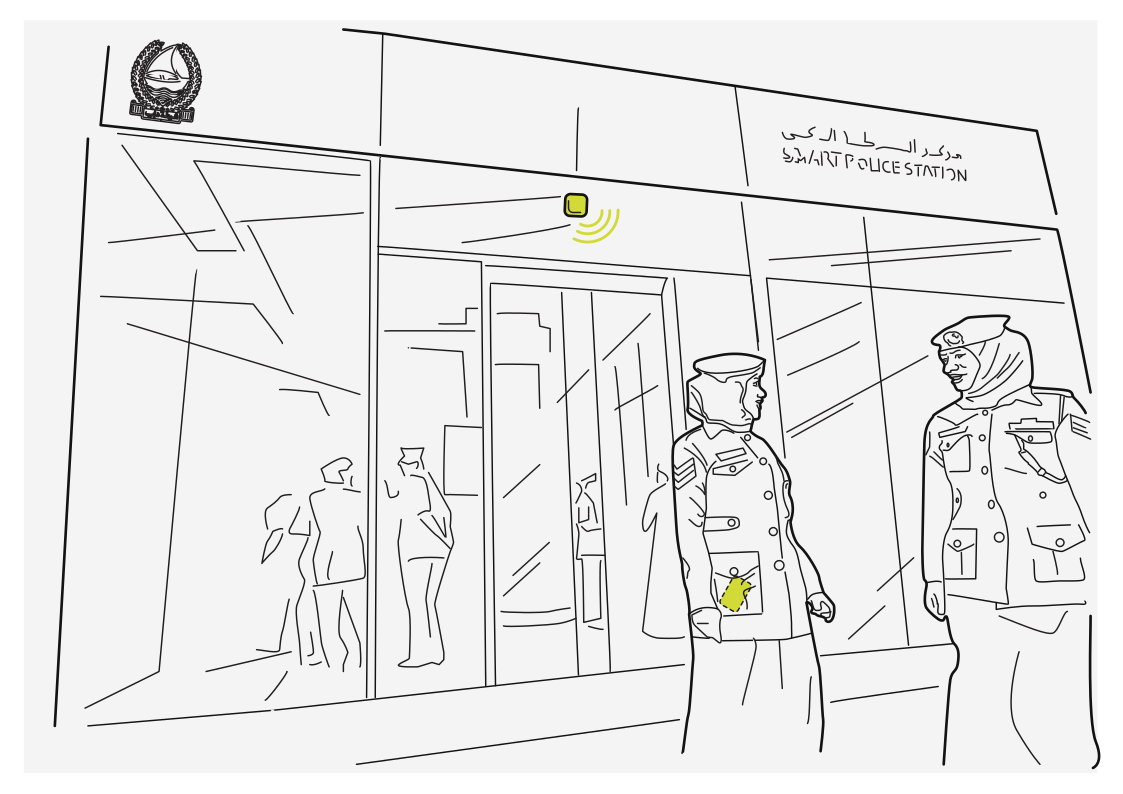
Give officers a simple way to check in at the station or request support. Wearable buttons provide the interaction; Bluetooth landmarks add location context. Bring those events into a shared view for the team coordinating the shift.
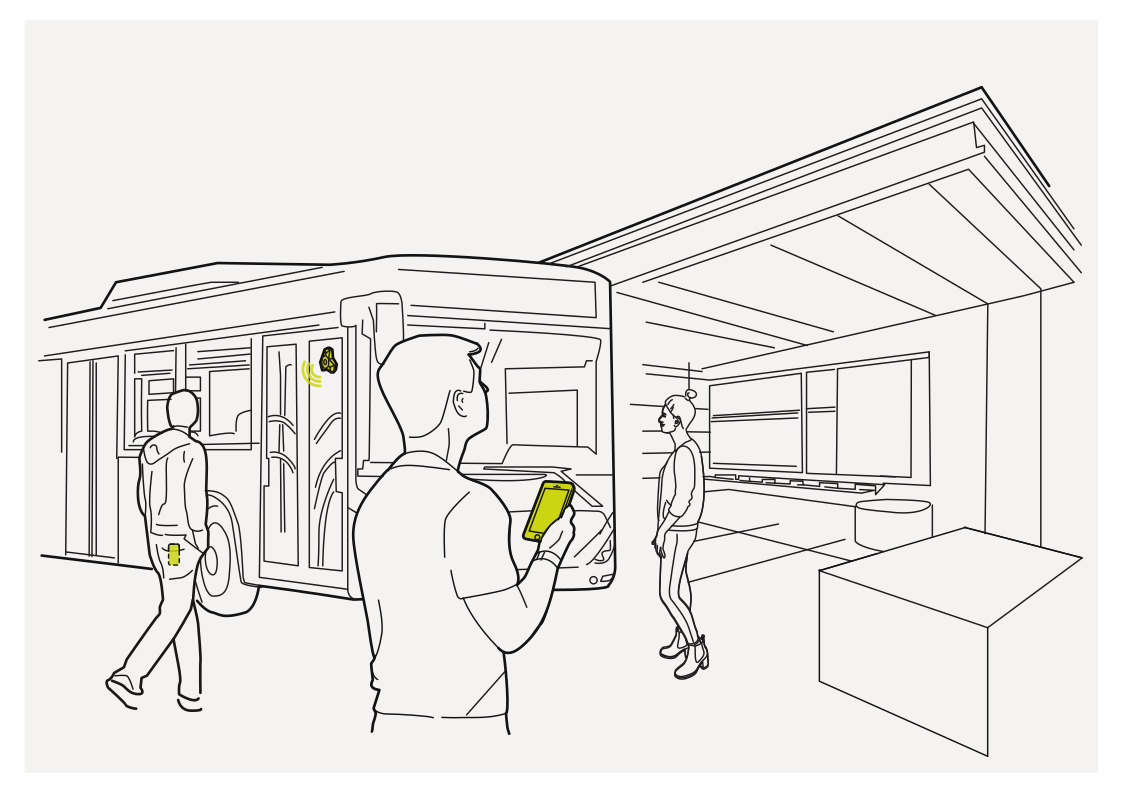
Make a busy interchange easier to use. Let a passenger app recognize a nearby bus and show its route, departure information, and boarding point. Add indoor directions where travelers need help moving through the terminal.
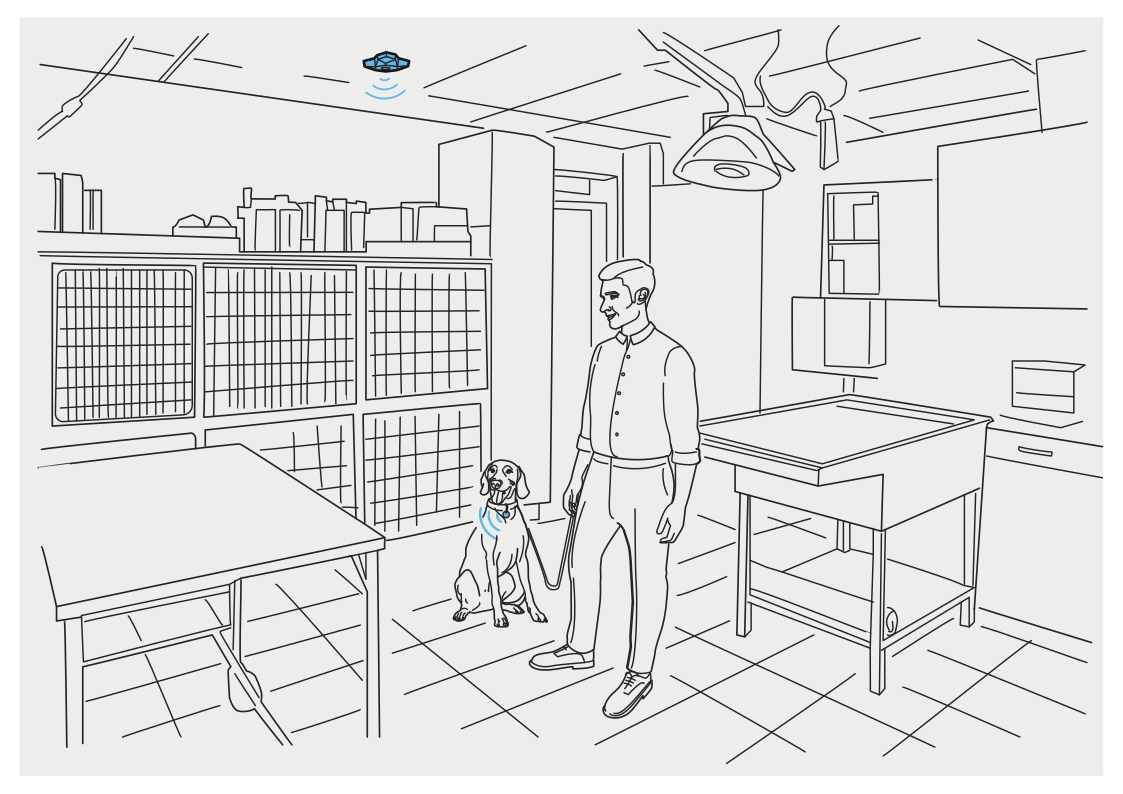
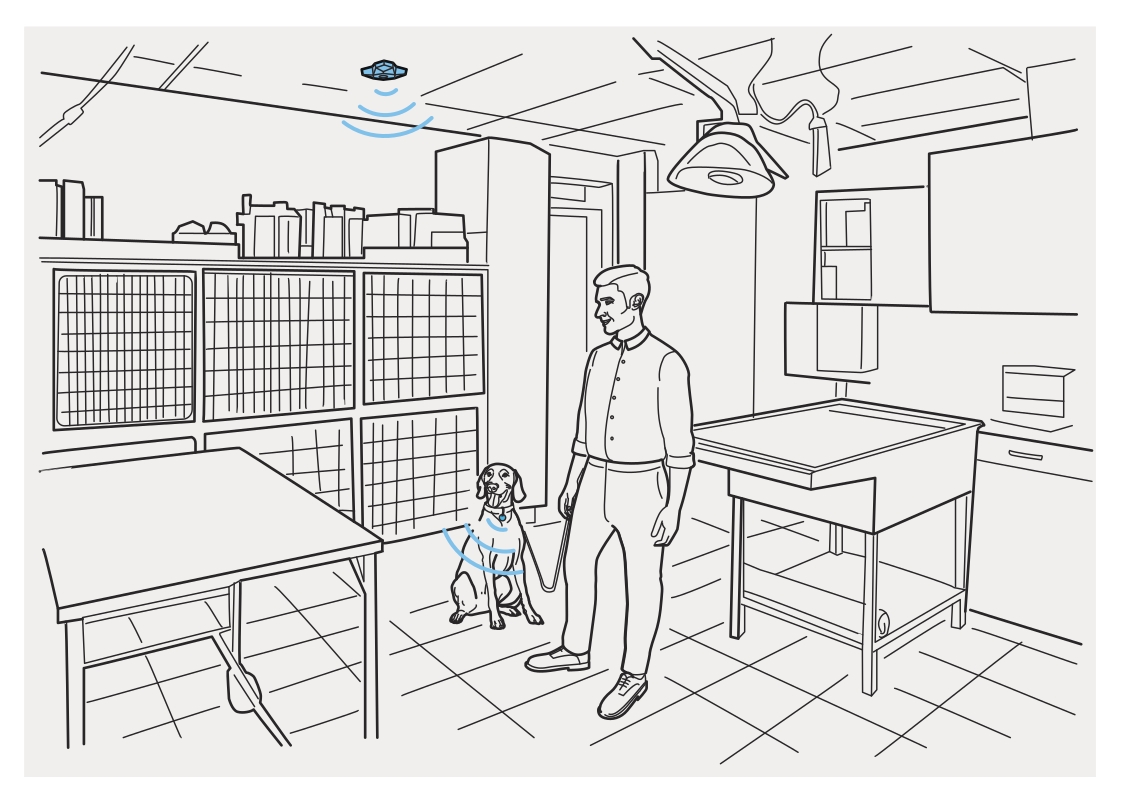
Help veterinary teams know which room an animal was last detected in. Attach a suitable Bluetooth tag to its carrier or collar, then connect receiver updates to the clinic map and care workflow.
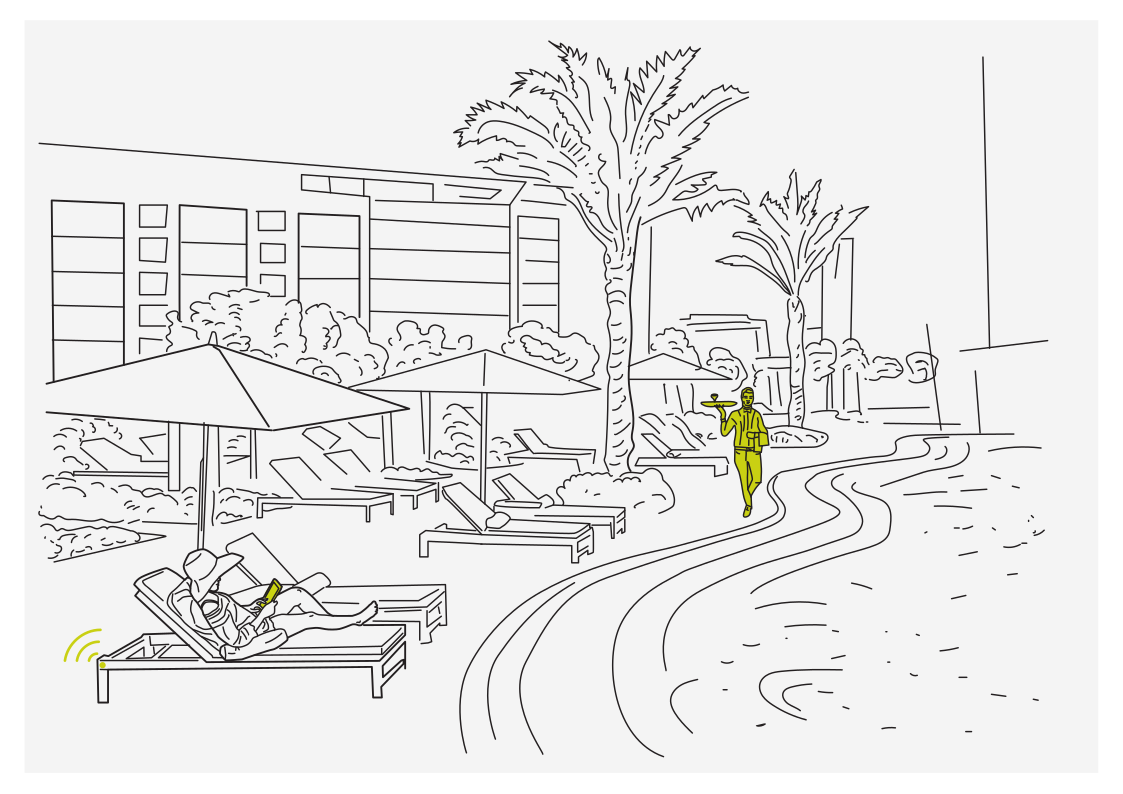
Let guests order without leaving their place by the pool. A nearby beacon gives the app a lounger or zone reference. Connect the request to staff wearables so the team knows where to bring the next drink.
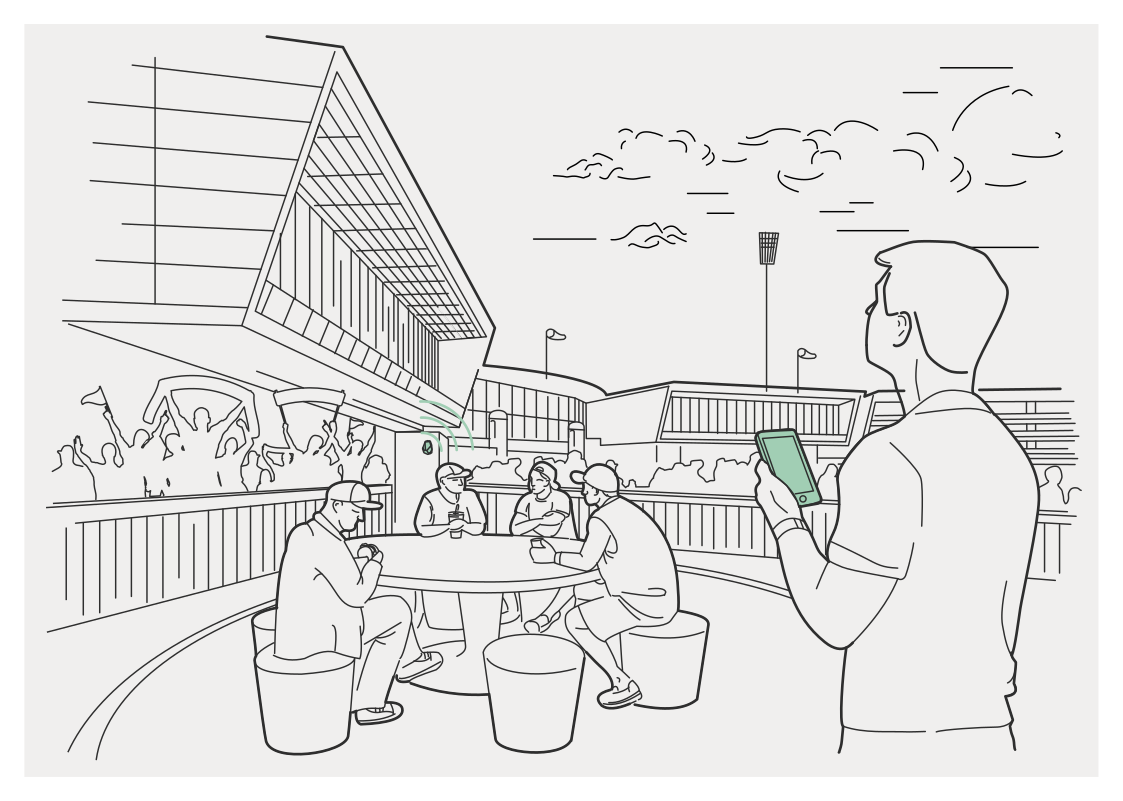
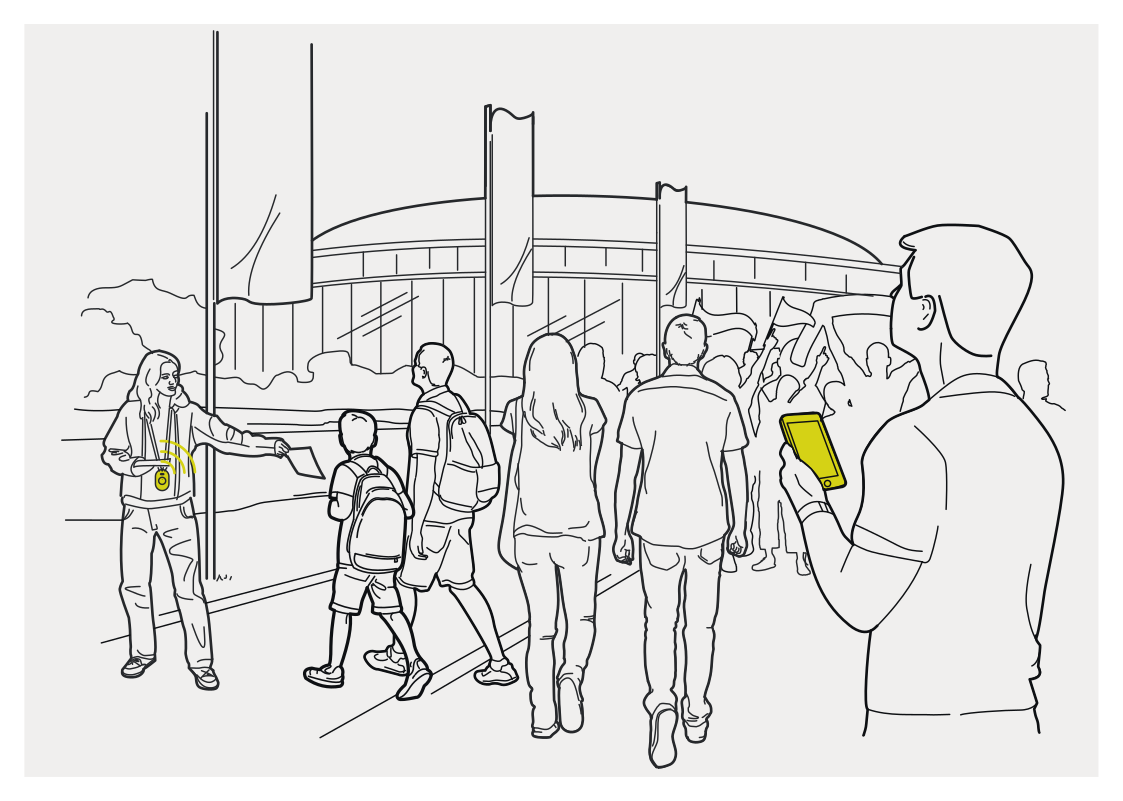
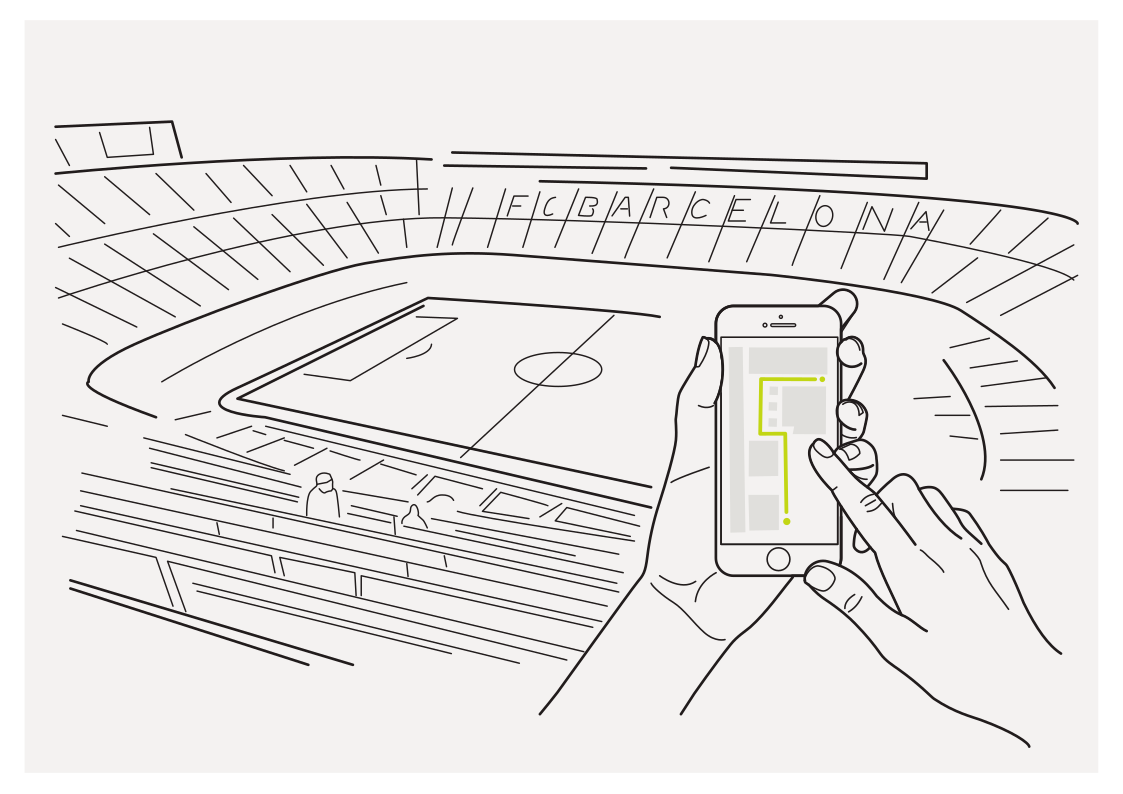
Help fans spend more time enjoying the event. Put directions to seats, restrooms, and concessions on their phones. Combine a venue map with UWB positioning or Bluetooth landmarks to guide visitors through busy concourses.
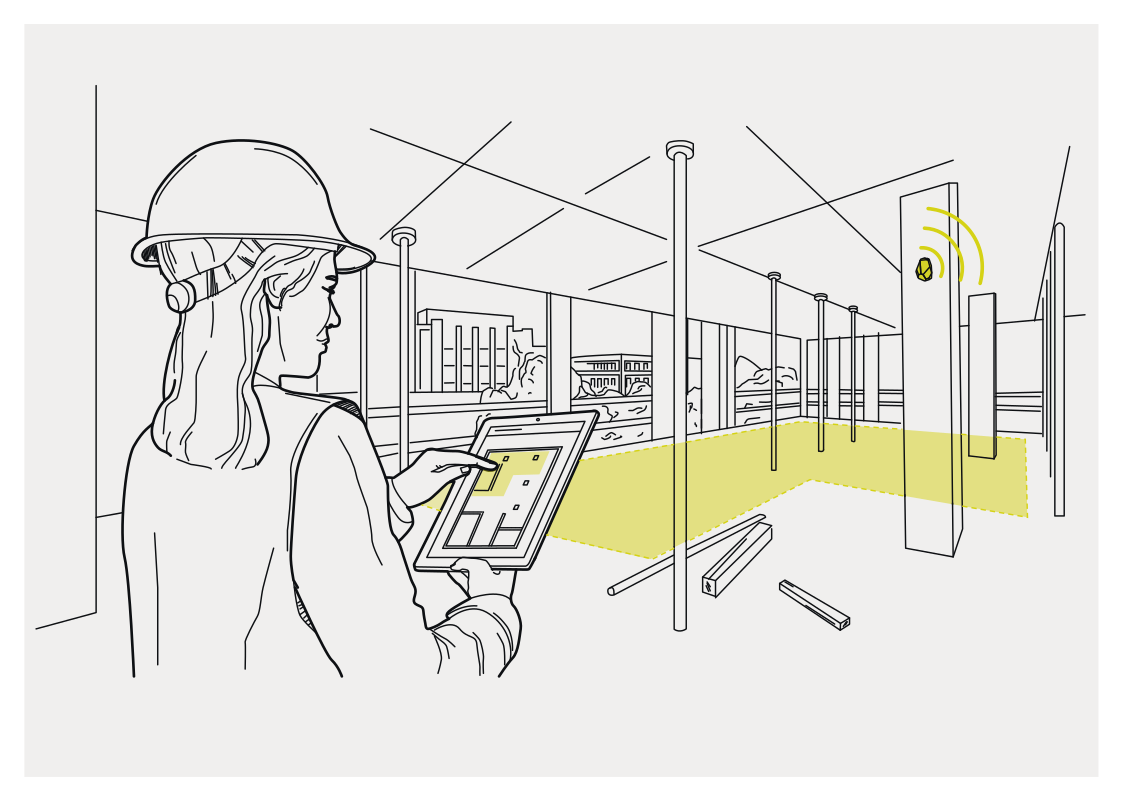
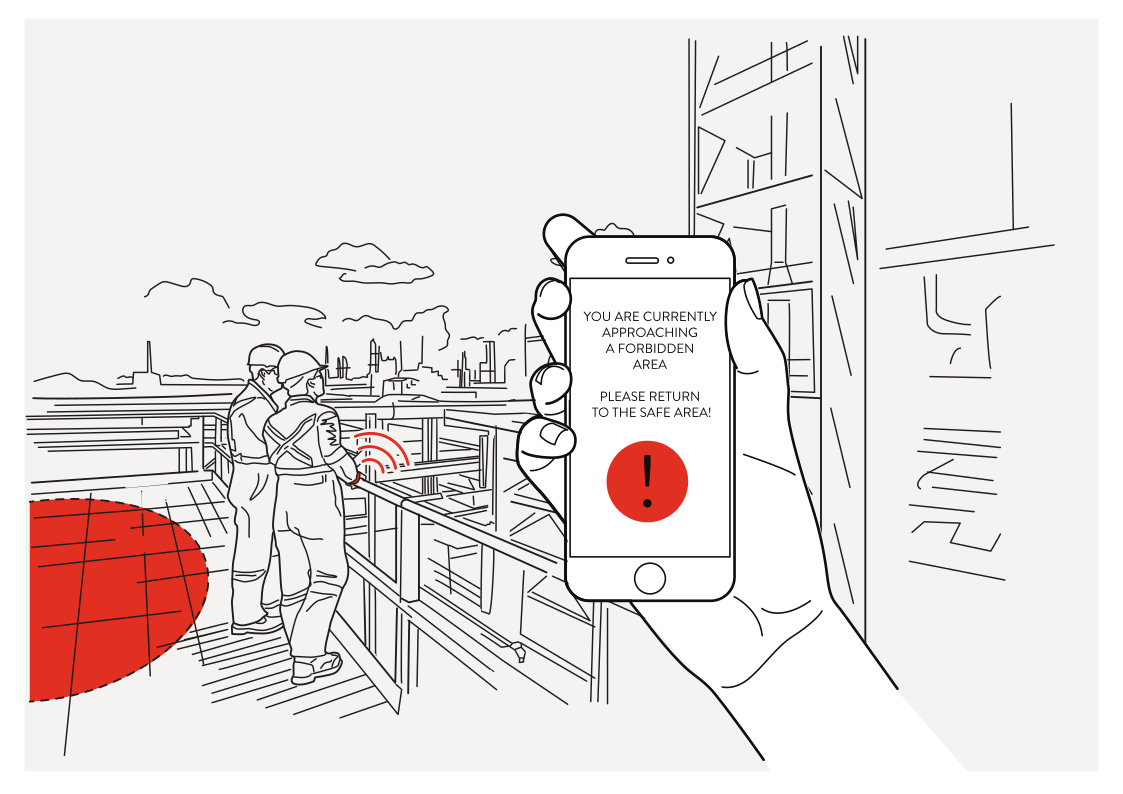
Give workers a reminder when they approach a mapped restricted area. Wearables and Bluetooth landmarks can add zone context to site workflows. For spaces needing finer boundaries, consider UWB positioning as part of the solution design.
Bring site boundaries into the tools crews already use. A compatible phone can use UWB position to show a warning near a restricted zone. Radar can add presence signals for supervisors, supporting existing site safety procedures.
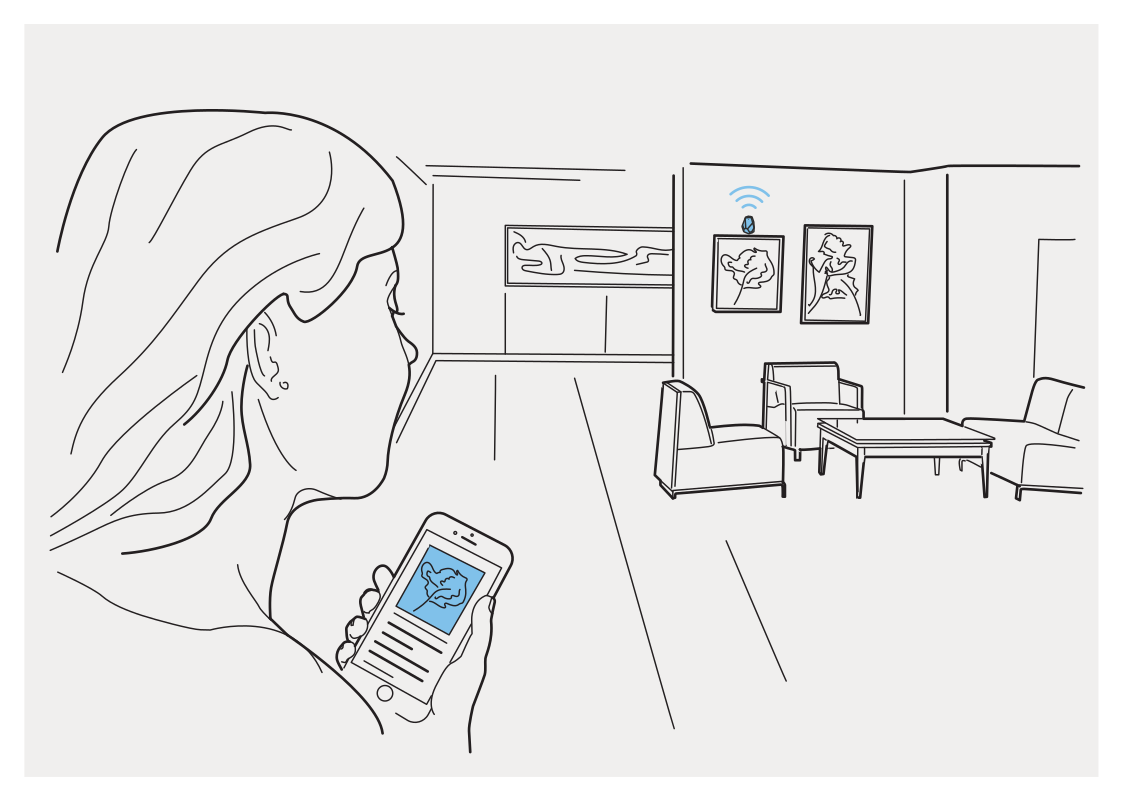
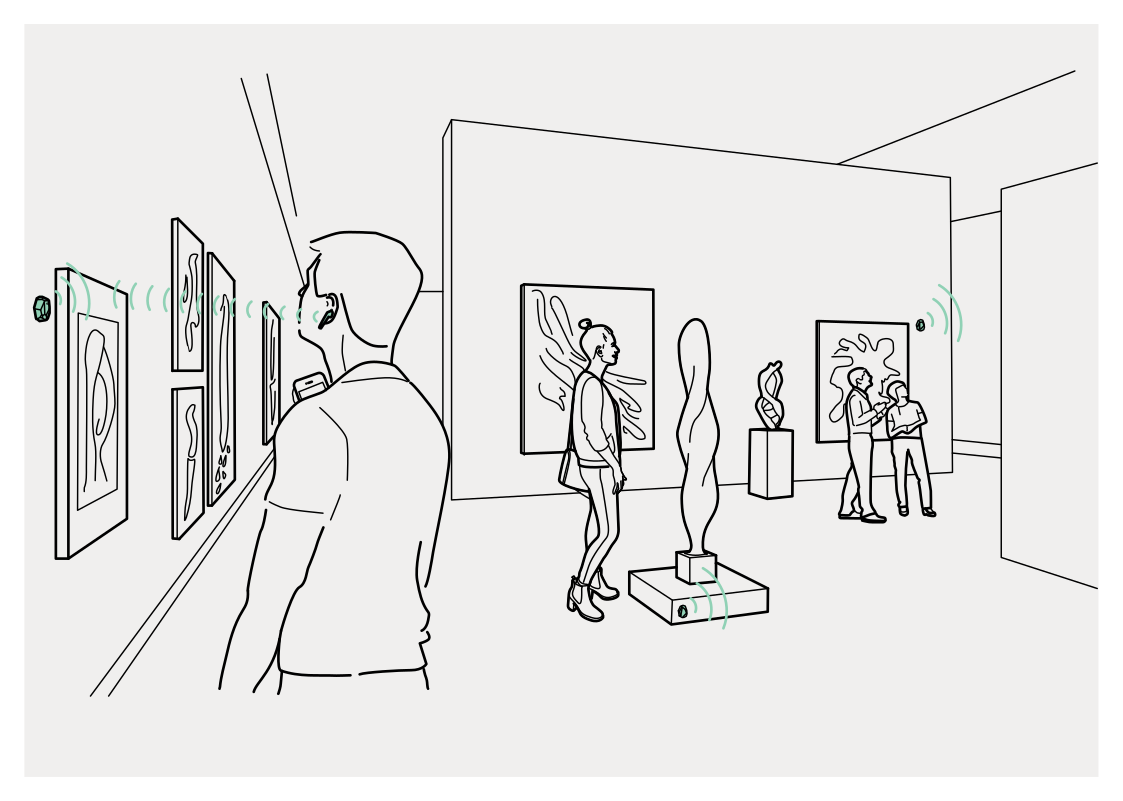
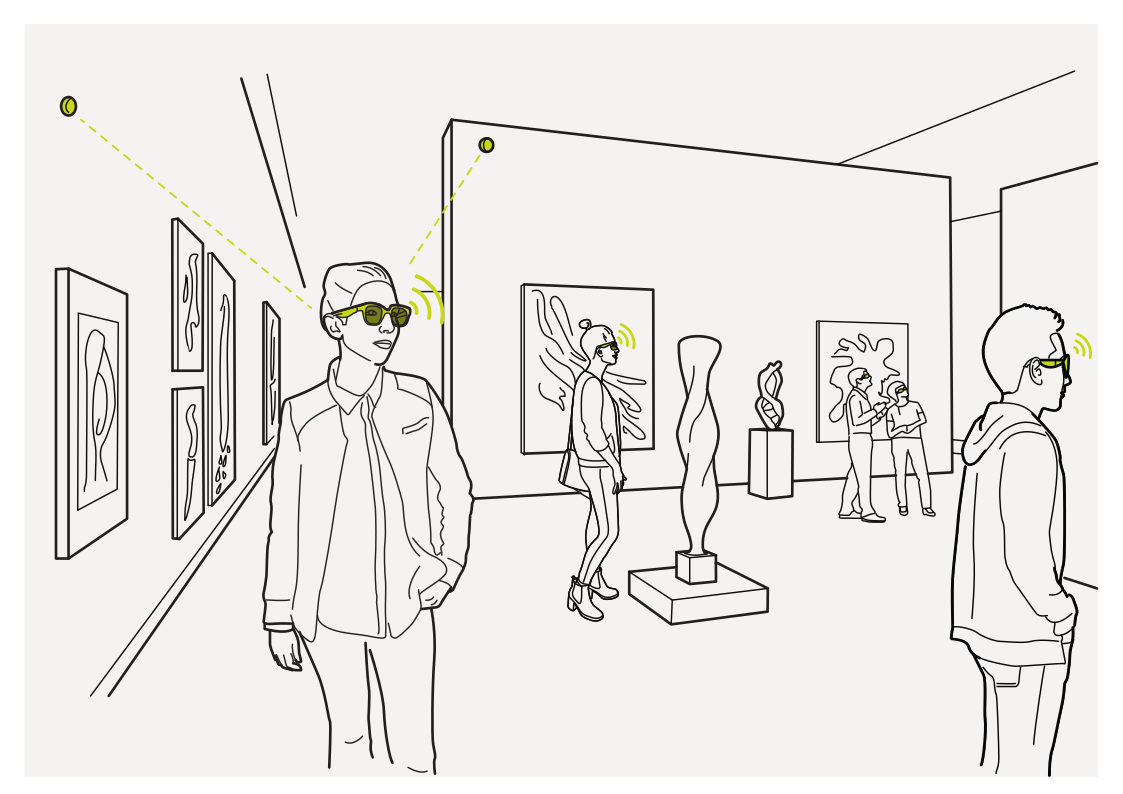
Let an exhibit introduce itself as visitors approach. Bluetooth landmarks or UWB position can tell a connected guide which gallery they are in. Use that context for audio, captions, or content on compatible smart glasses.
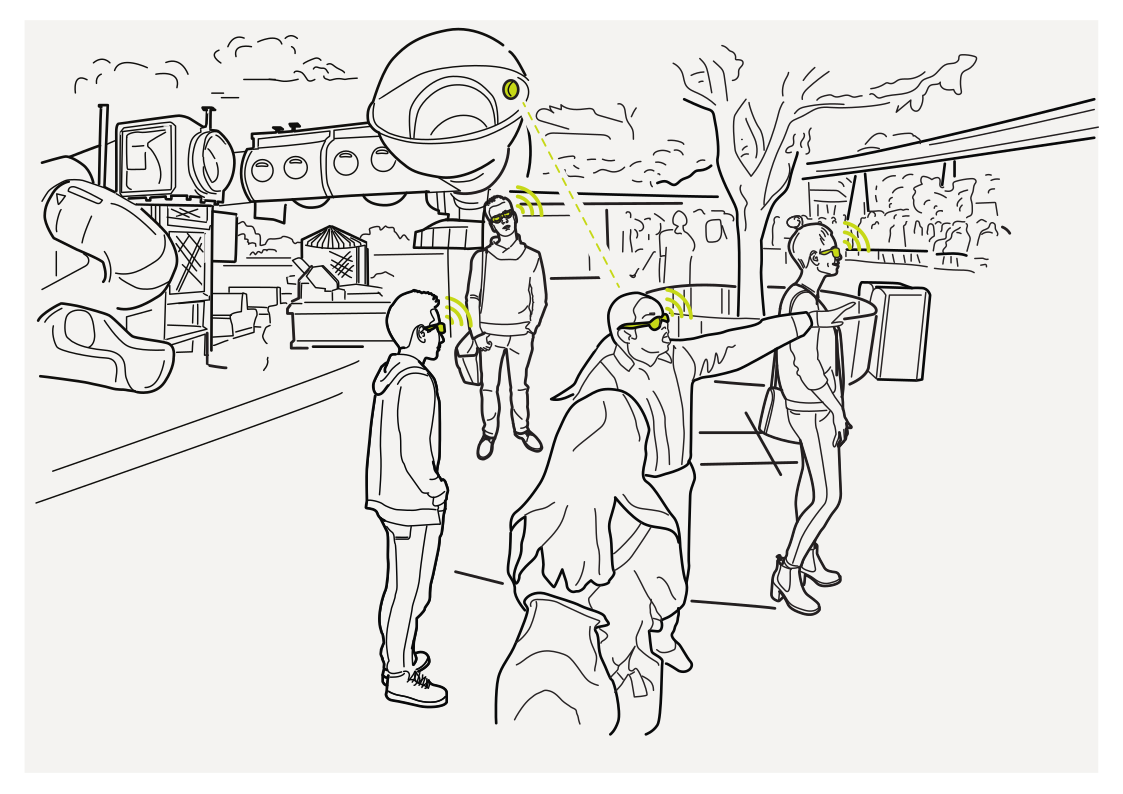
Help visitors discover what is around the next corner. Connect attraction locations to a phone or compatible smart-glasses app, with directions and stories that follow the route. Beacons mark nearby experiences; UWB can refine positioning.
Make the return journey easier. Let a driver save a parking location in an app, then use Bluetooth landmarks or UWB guidance to find the way back. Connect the route to the garage map and level information.
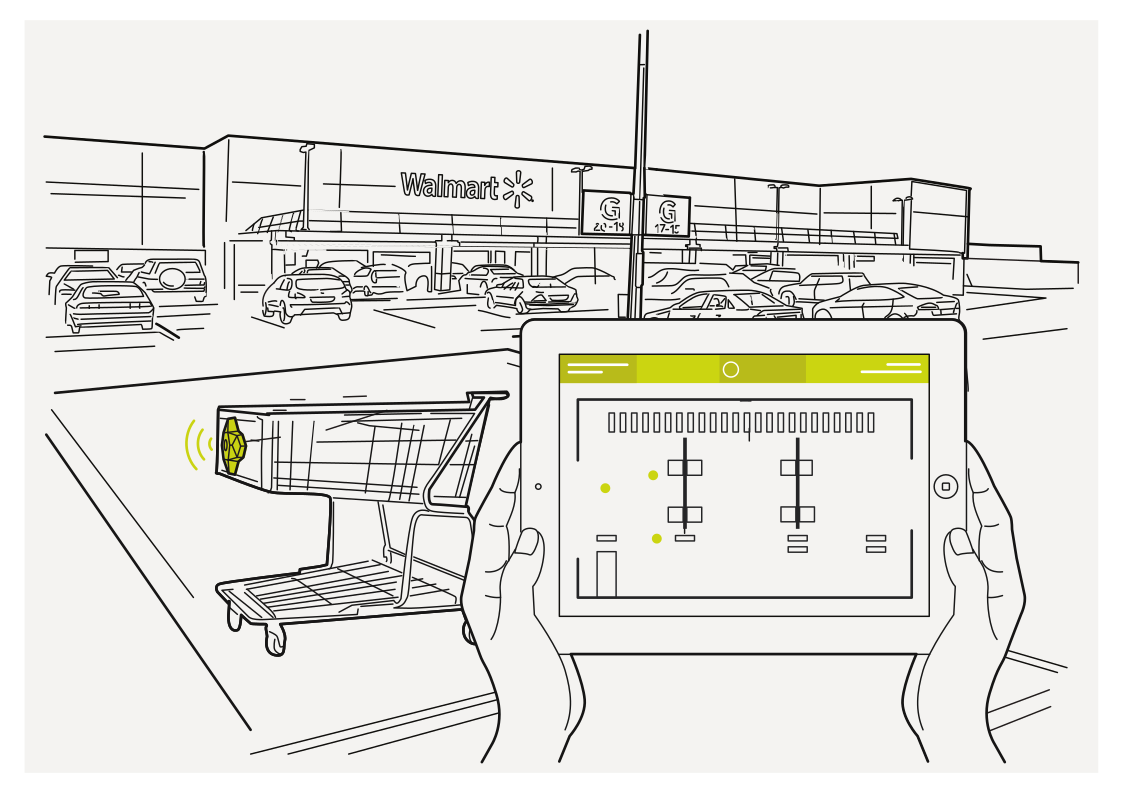
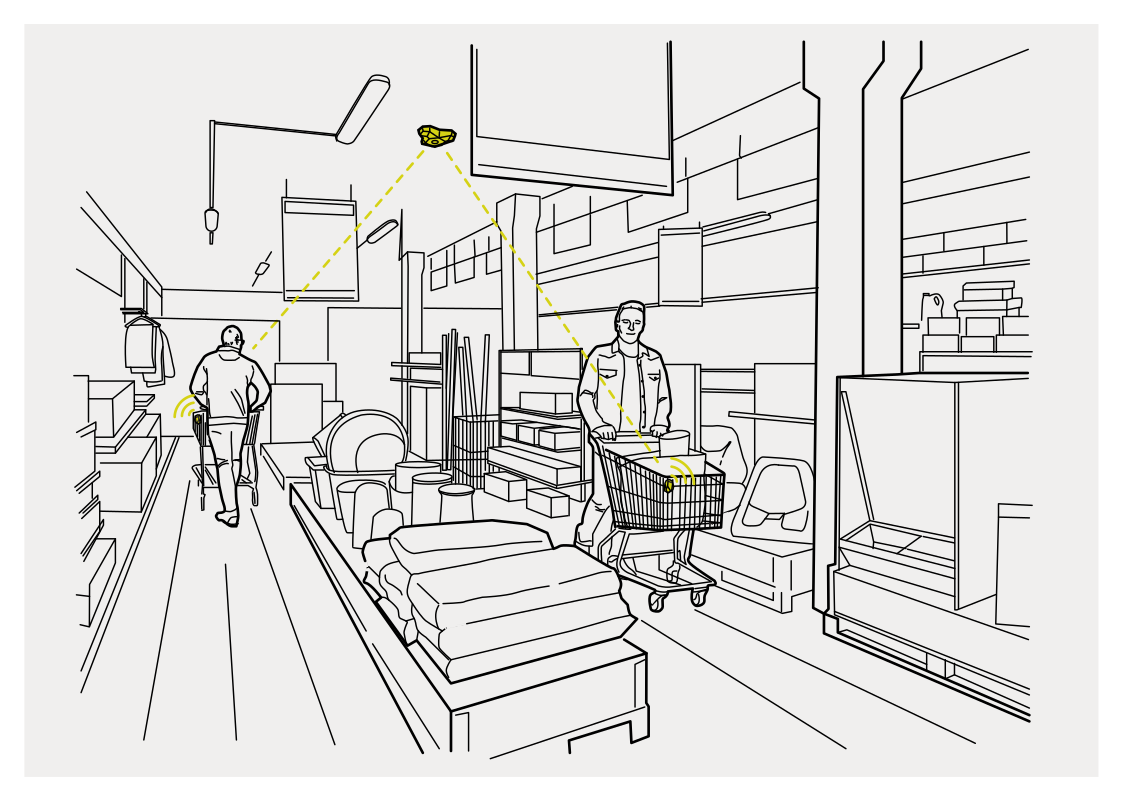
Give store teams a map of where carts were last detected. Bluetooth tags help identify each cart, while beacons mark collection areas. Use the shared view to plan retrieval before the entrance runs short.
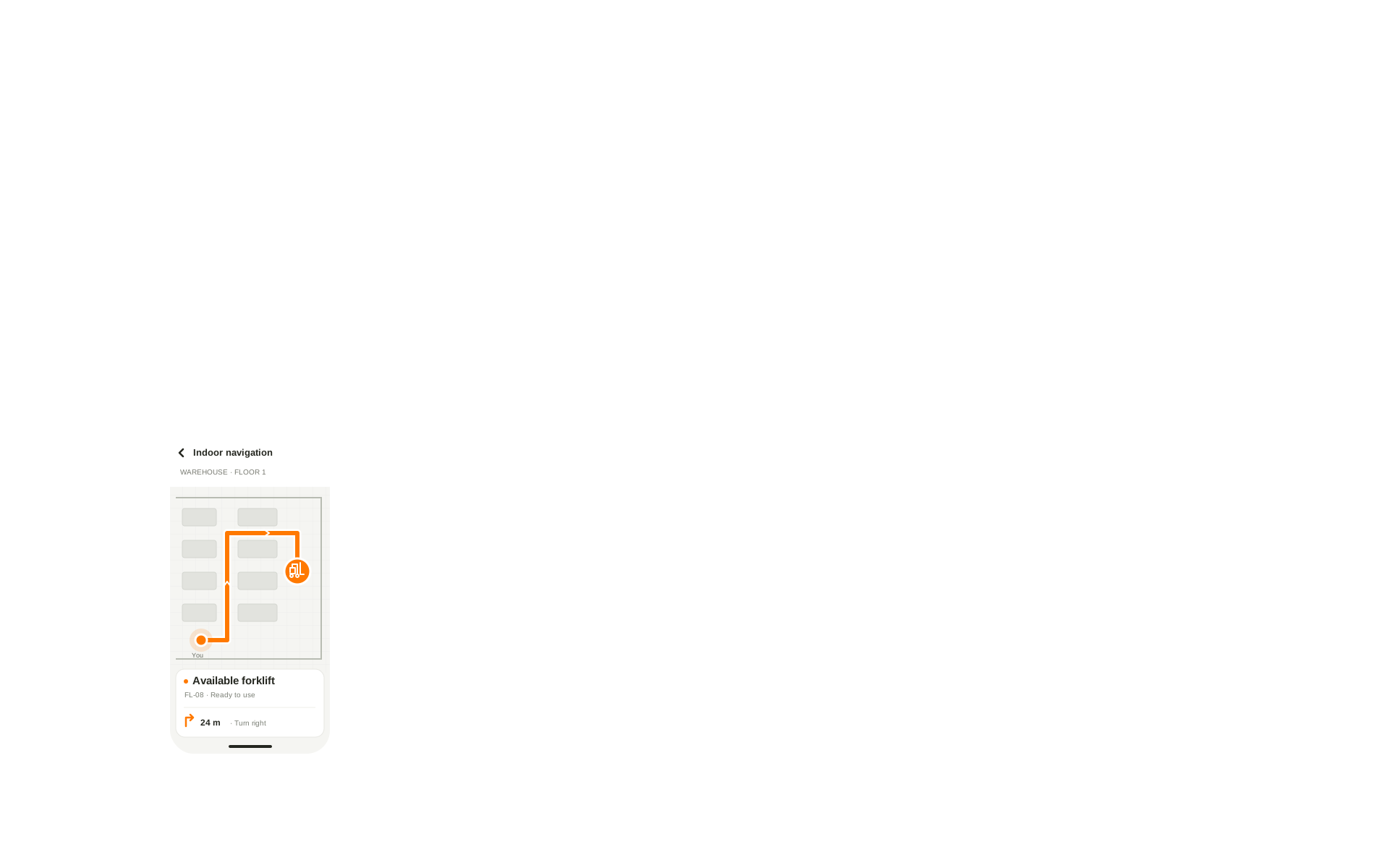
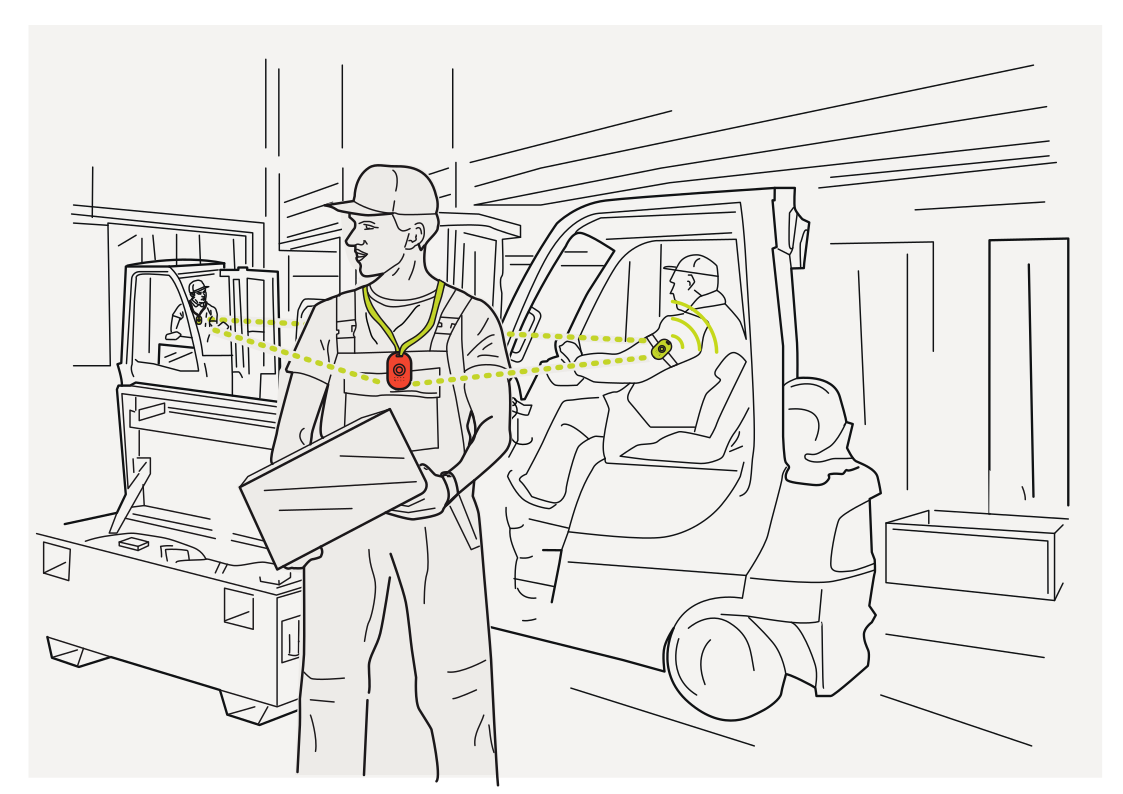
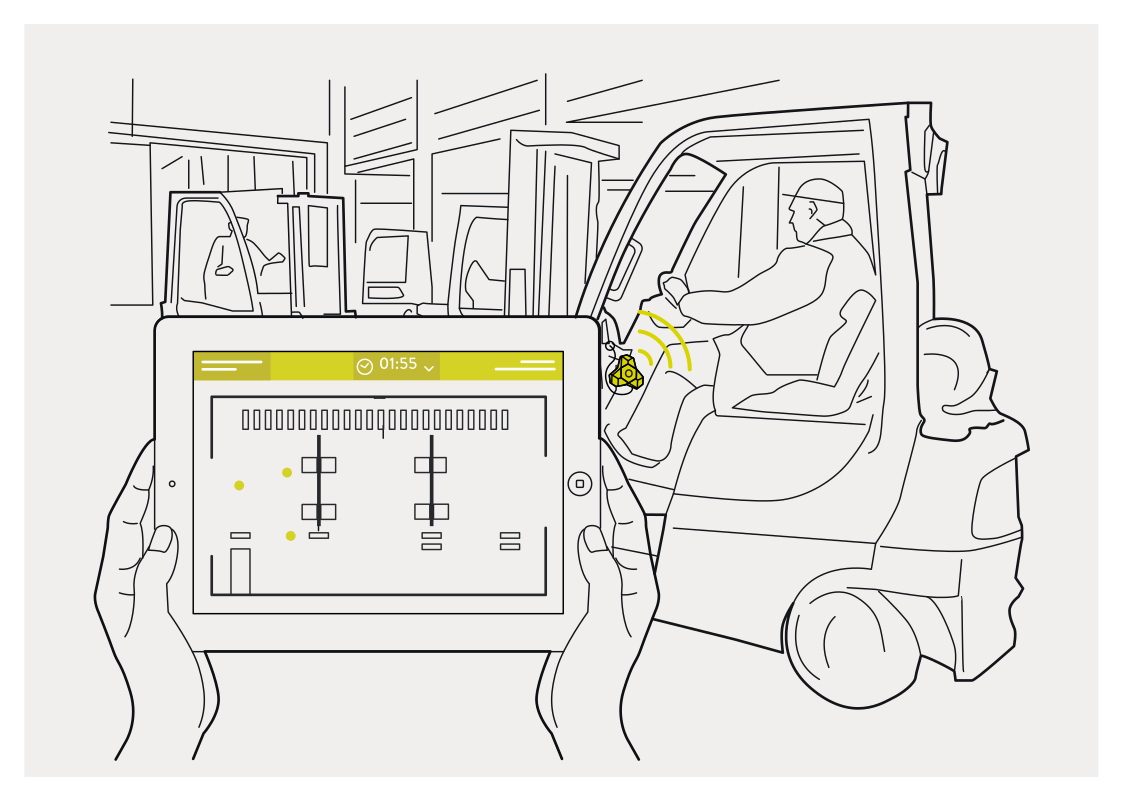
Help warehouse teams locate available equipment by area. Tag forklifts and connect receiver detections to your operations map. Wearable buttons let drivers confirm availability or request their next task without reaching for a phone.
Turn a depot arrival into a useful update. Tag trailers and detect them at equipped entrances or bays. Connect the event to dispatch software, and let crews confirm a handoff with a wearable button.
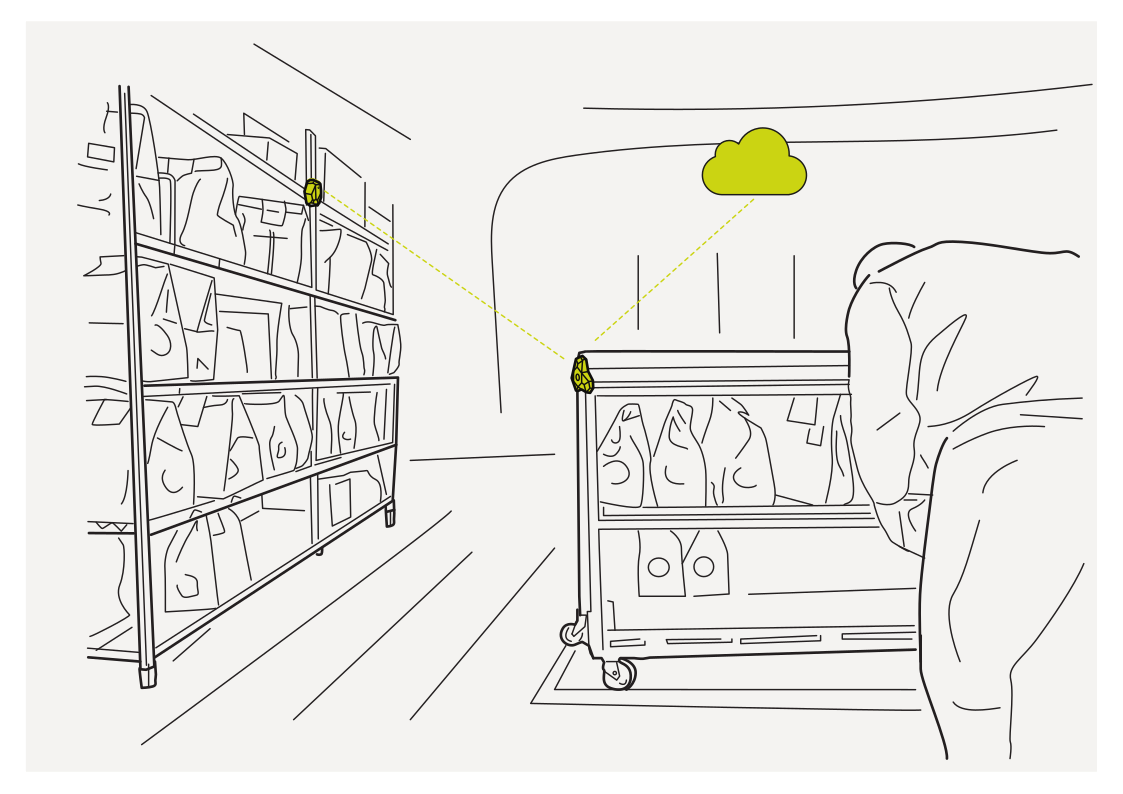
Give each rack or container a wireless identity. Nearby receivers detect Bluetooth tags, and your software records the area where stock was seen. Bring those updates into a shared view to simplify picking and replenishment.
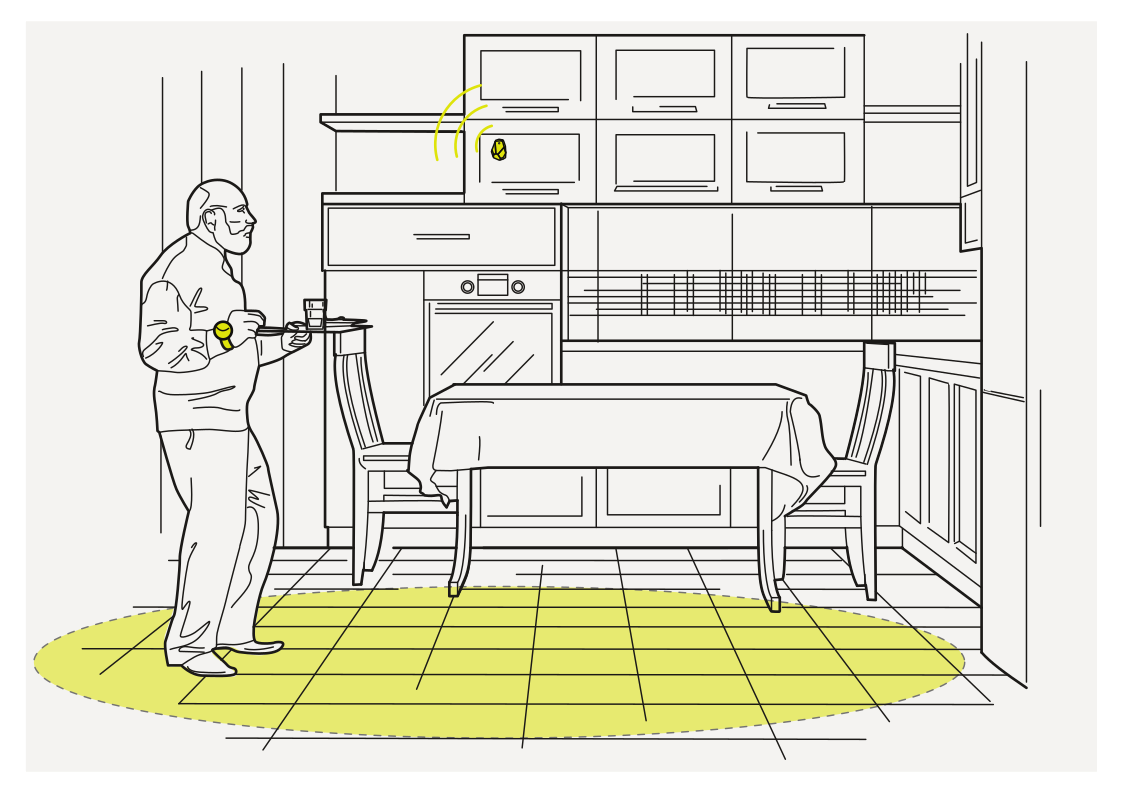
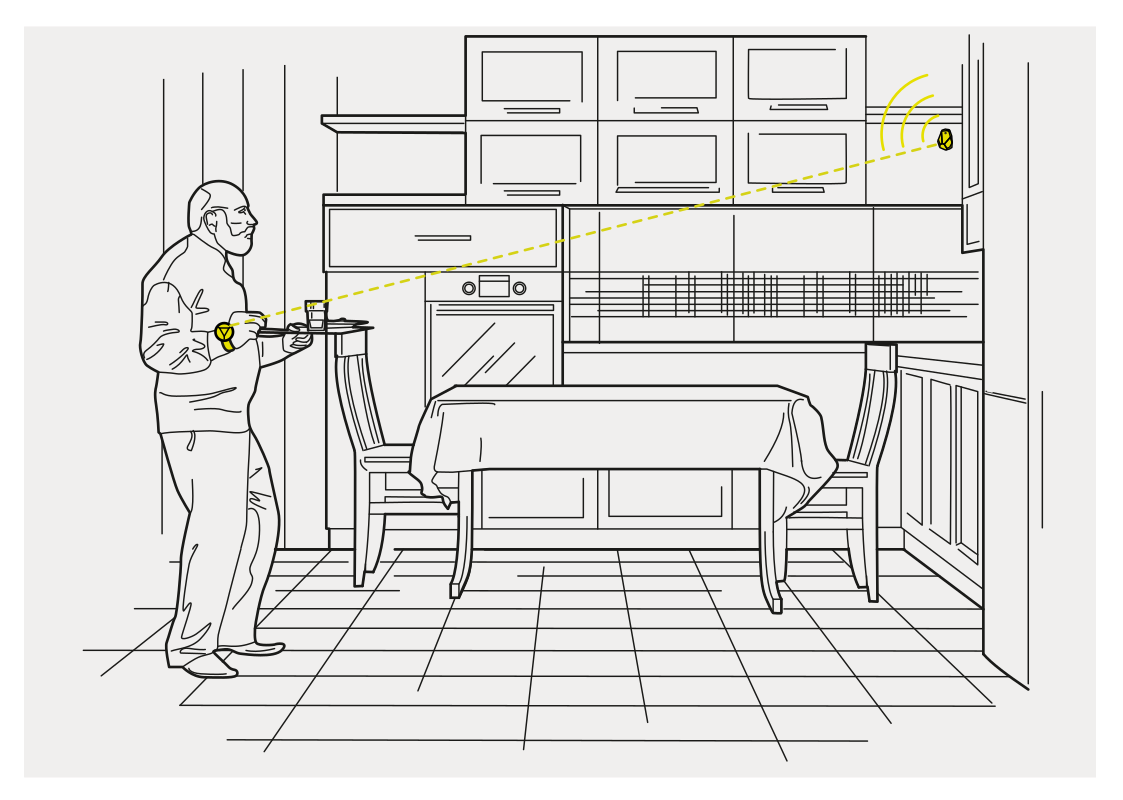
Make everyday spaces respond to presence. Radar can detect someone entering the kitchen, while a nearby beacon helps an app recognize the room. Connect those events to lighting or appliance controls through your automation software.
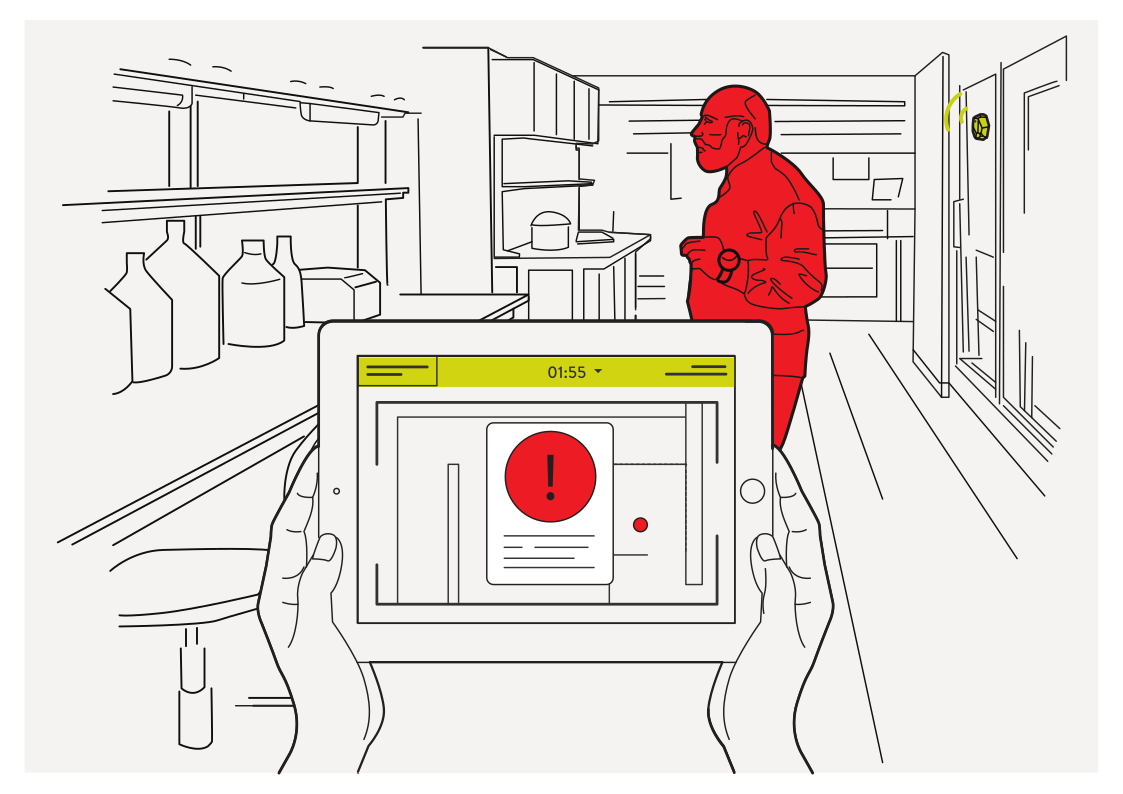
Give teams context when someone enters a restricted work area. Radar can detect presence without identifying the person. Combine it with voluntary wearable check-ins and your access rules to decide which events need attention.
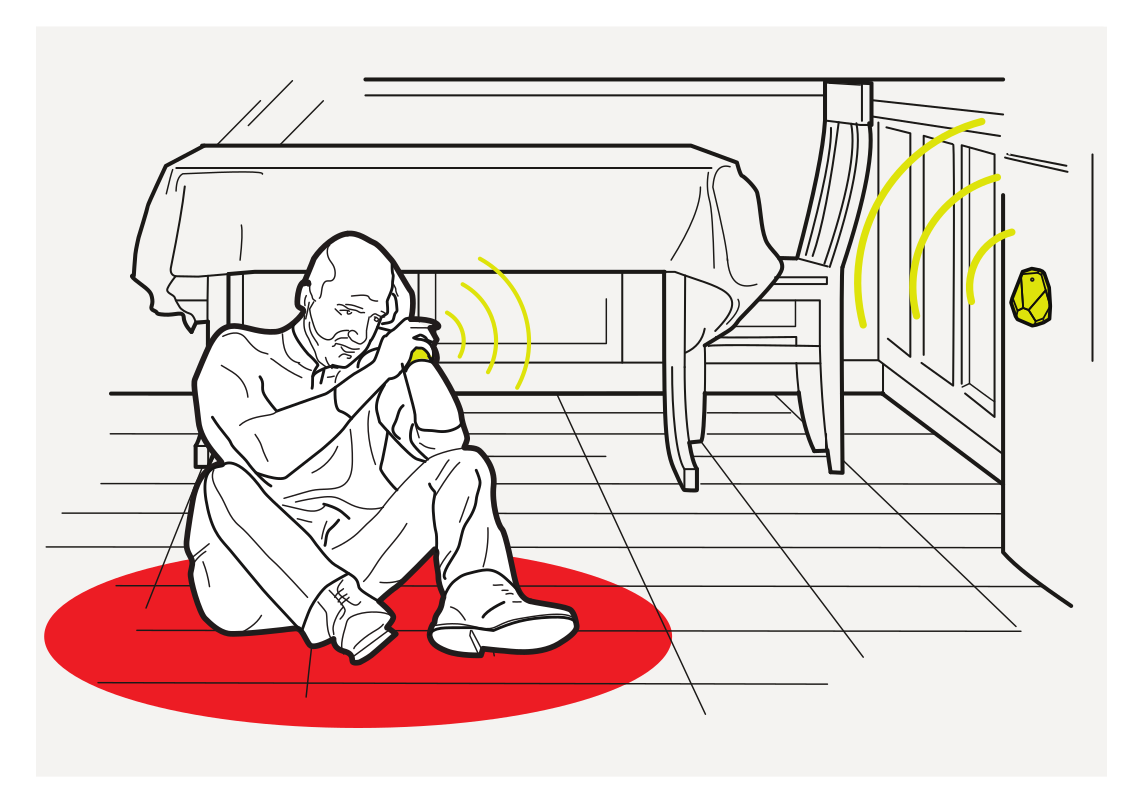
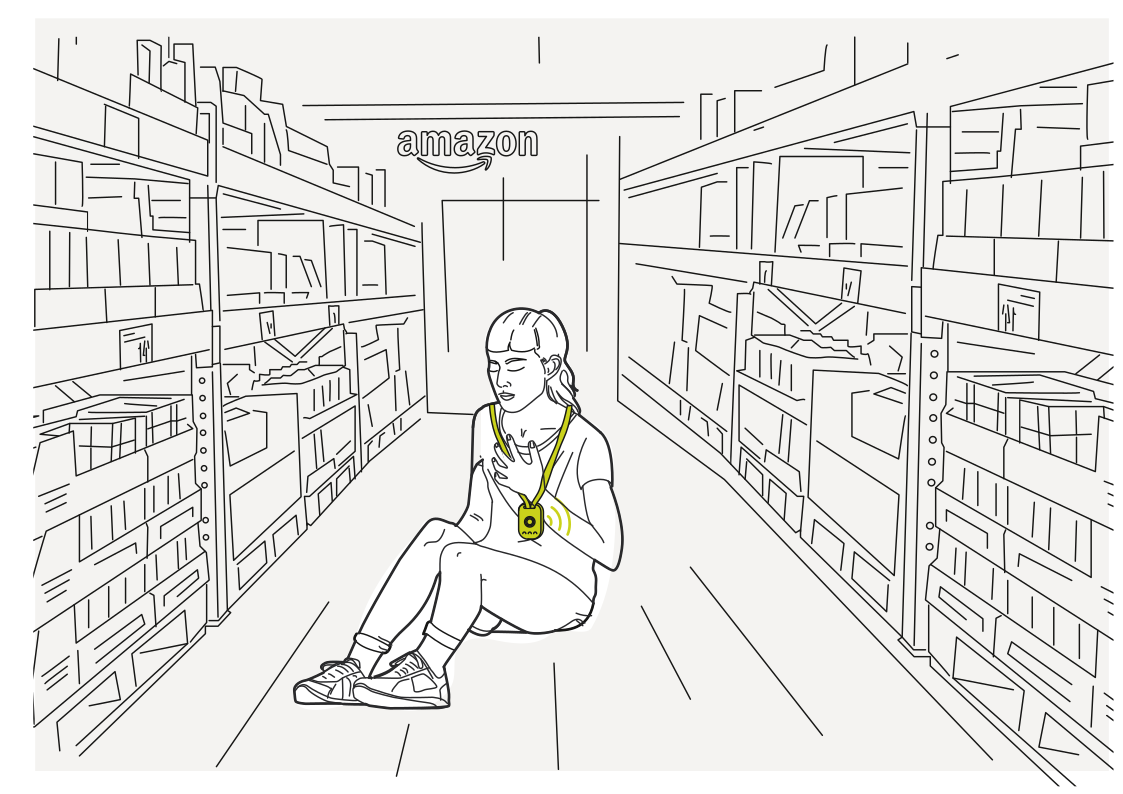
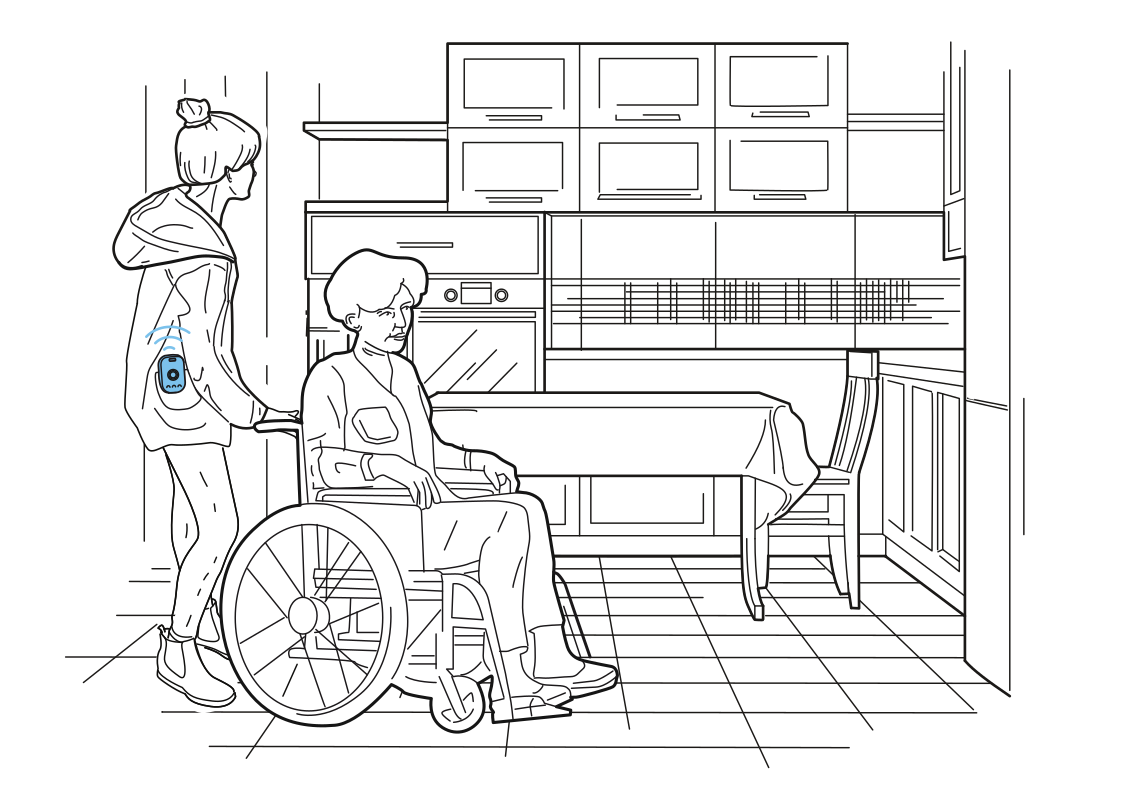
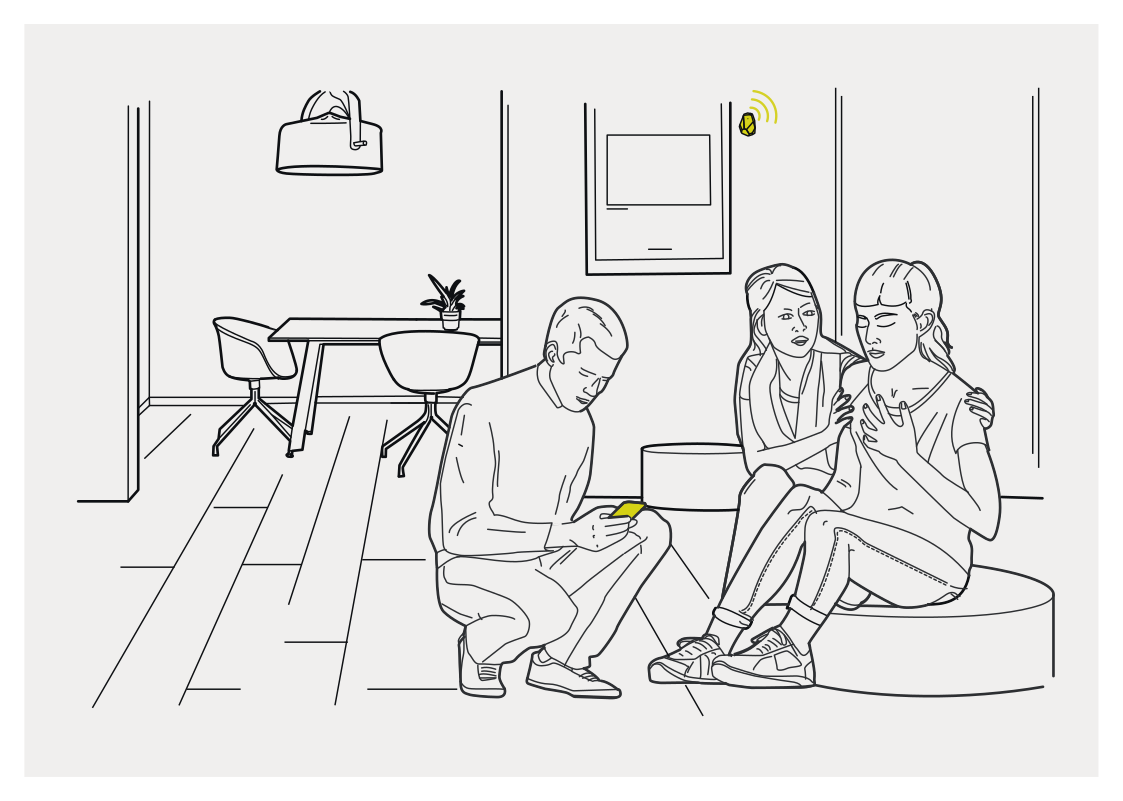
Give someone a simple way to call for assistance after a fall or a difficult moment. A wearable button sends a request when connected. Radar can add room-activity signals for a care application, alongside the household's agreed support plan.
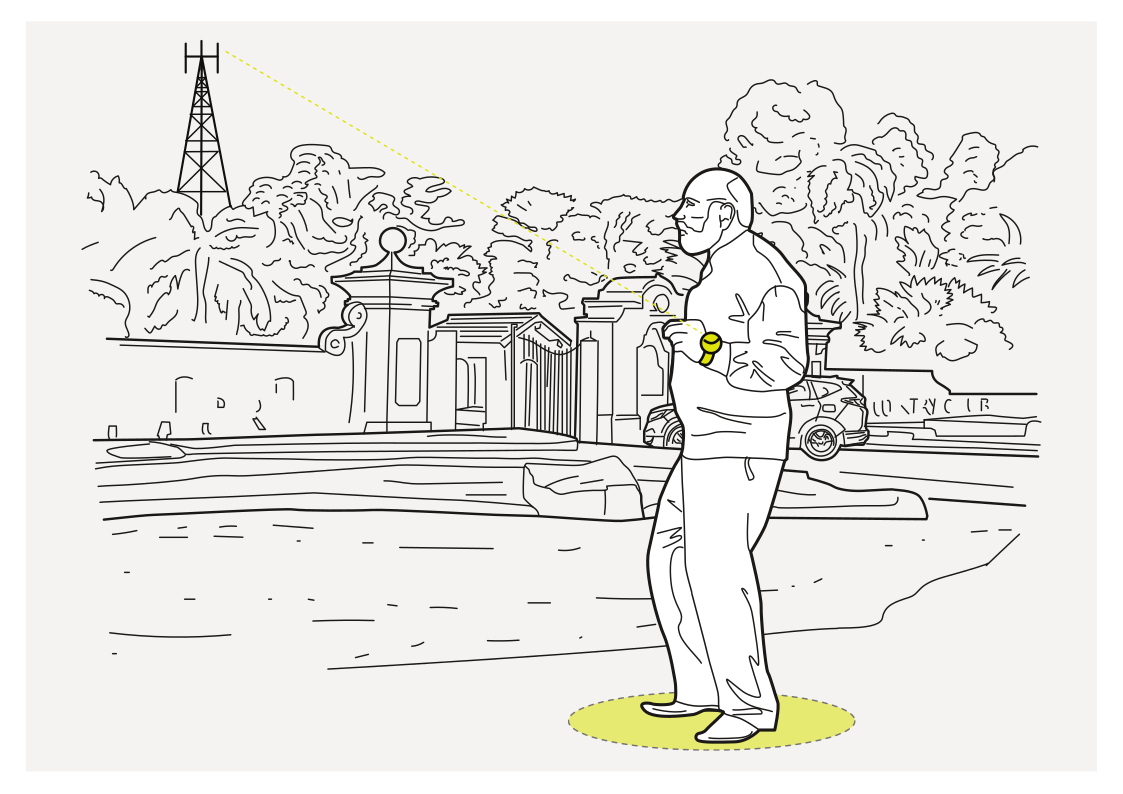
Let field teams check in or request support with a dedicated wearable. Its cellular connection can send events where coverage is available. Add Bluetooth landmarks at work sites so each check-in can carry useful place context.
Follow tagged containers as they move from a rack to a trolley or another stockroom. Connect nearby receiver detections to SpaceTimeOS, then share location updates with the inventory system your team already uses.
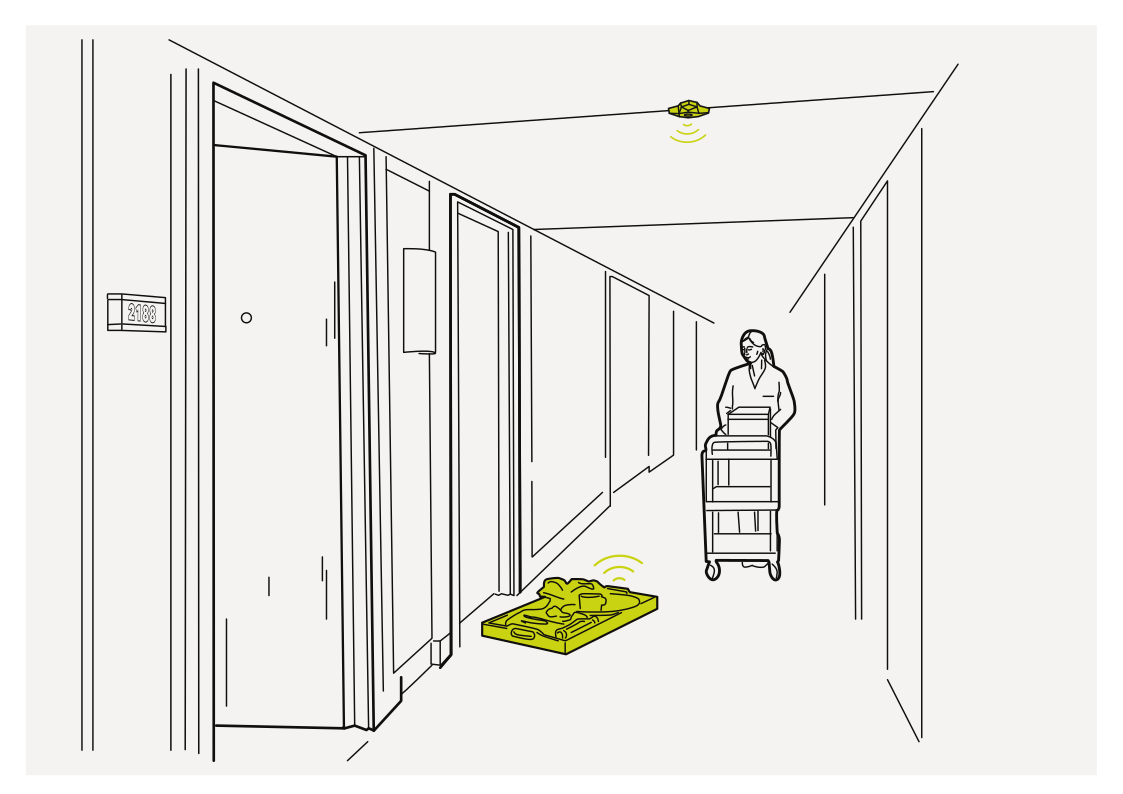
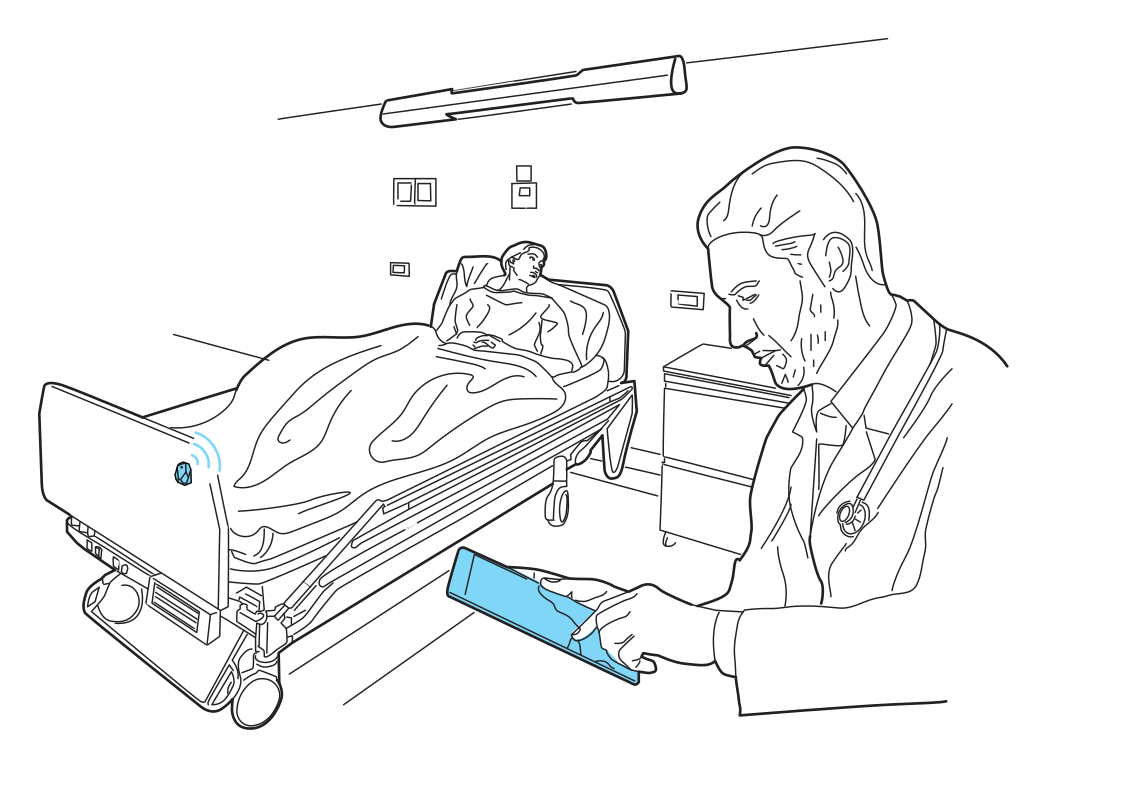
Help staff locate equipment without searching every corridor. Bluetooth tags and nearby receivers record the area where an item was last detected. Put that information on a hospital map so teams can arrange the next handoff.
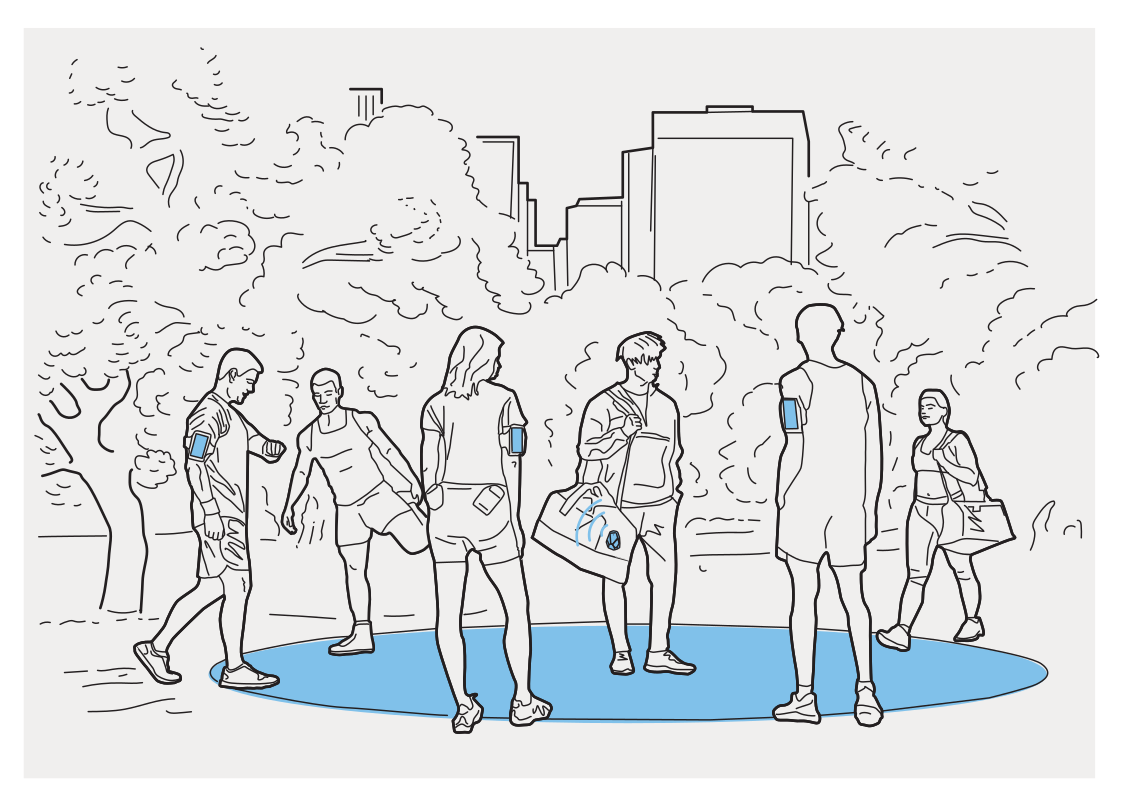
Explore how people use shared spaces. Radar can provide presence and movement signals without identifying visitors; opt-in wearables can support group check-ins. Bring the events together to plan routes and staffing around actual activity.
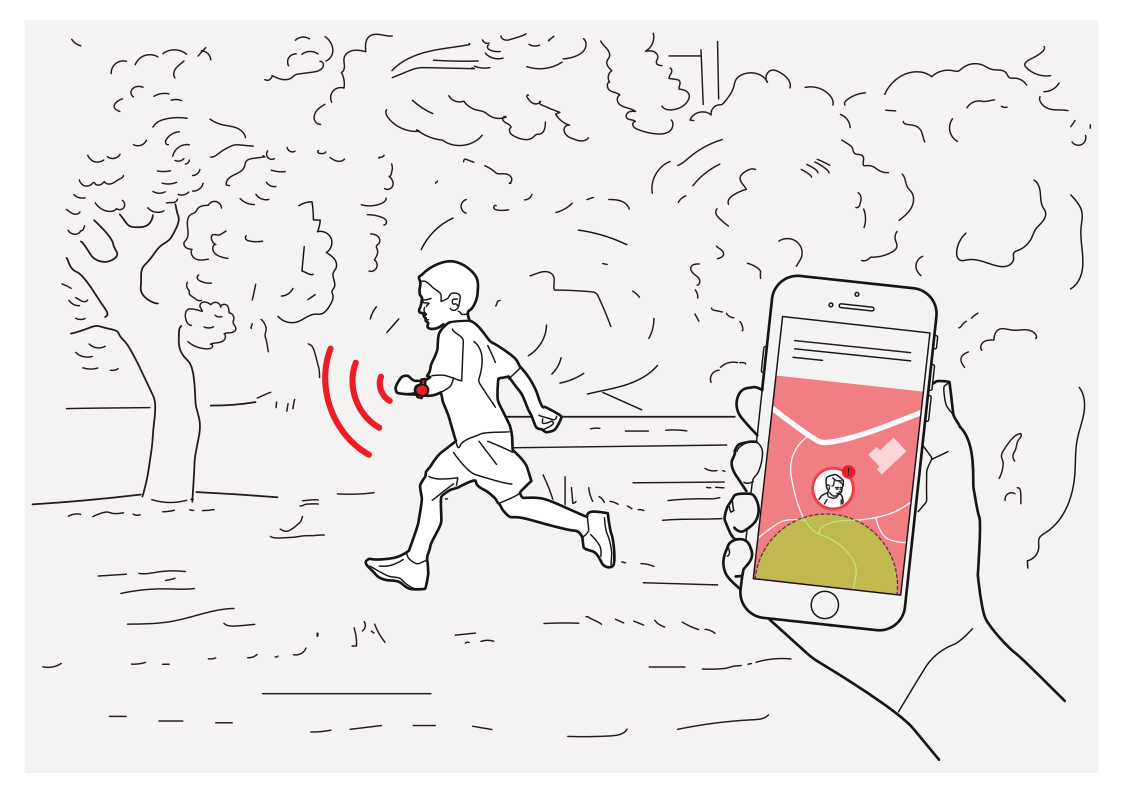
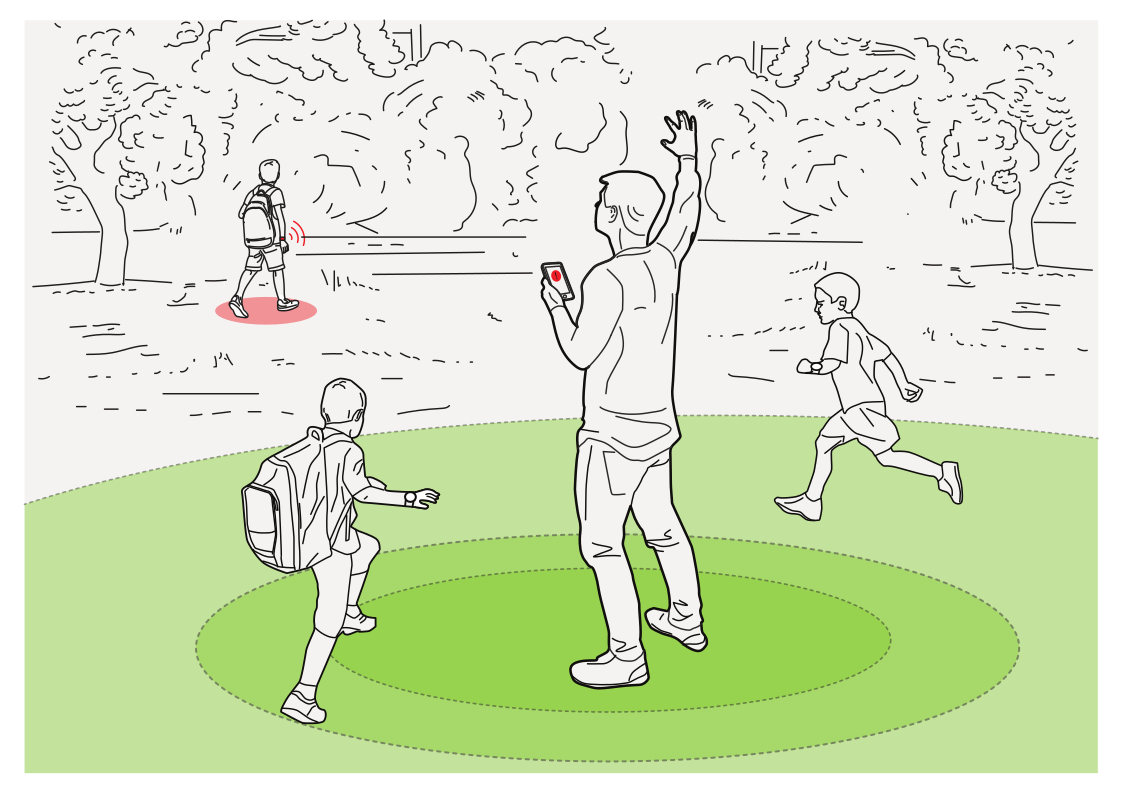
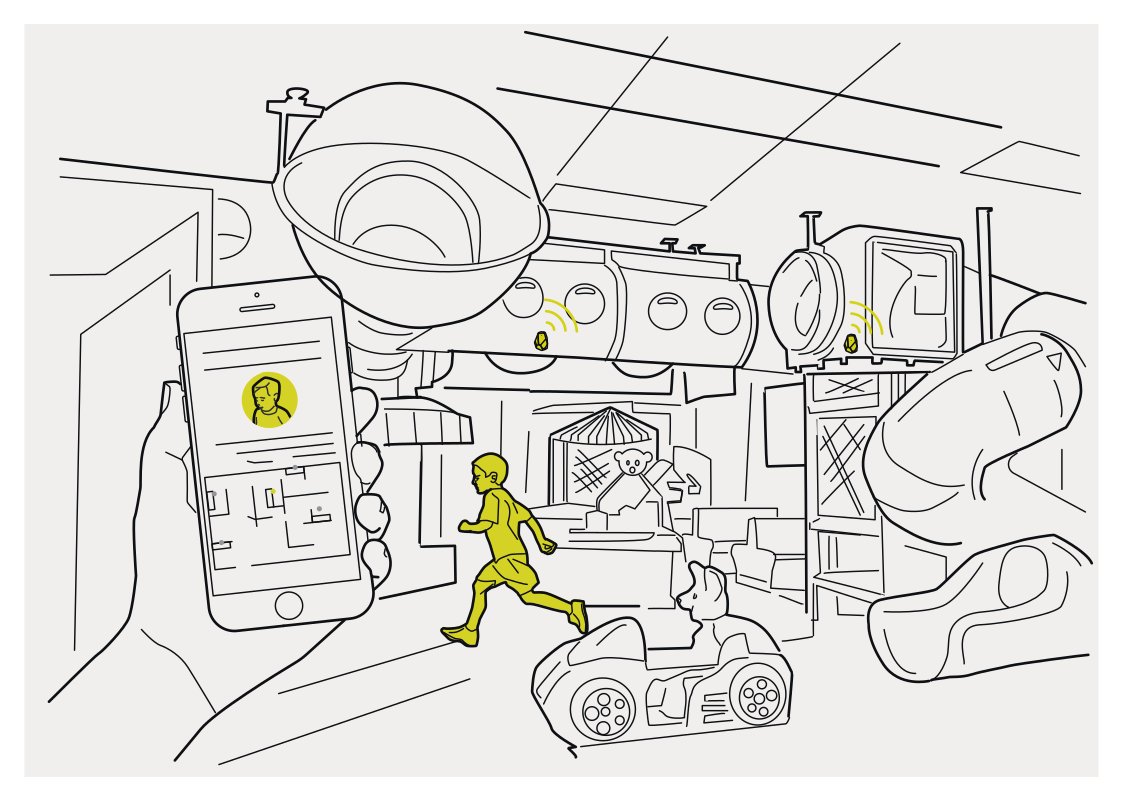
Help families keep an agreed meeting area in mind. A wearable and nearby Bluetooth landmarks can provide check-ins or zone events to a parent app. Use them as an extra prompt to reconnect during a day out.
Give activity leaders a shared way to coordinate a group. Record wearable check-ins at equipped activity areas and send reminders when a meetup is due. Bring the events onto a venue map to help staff plan the next stop.
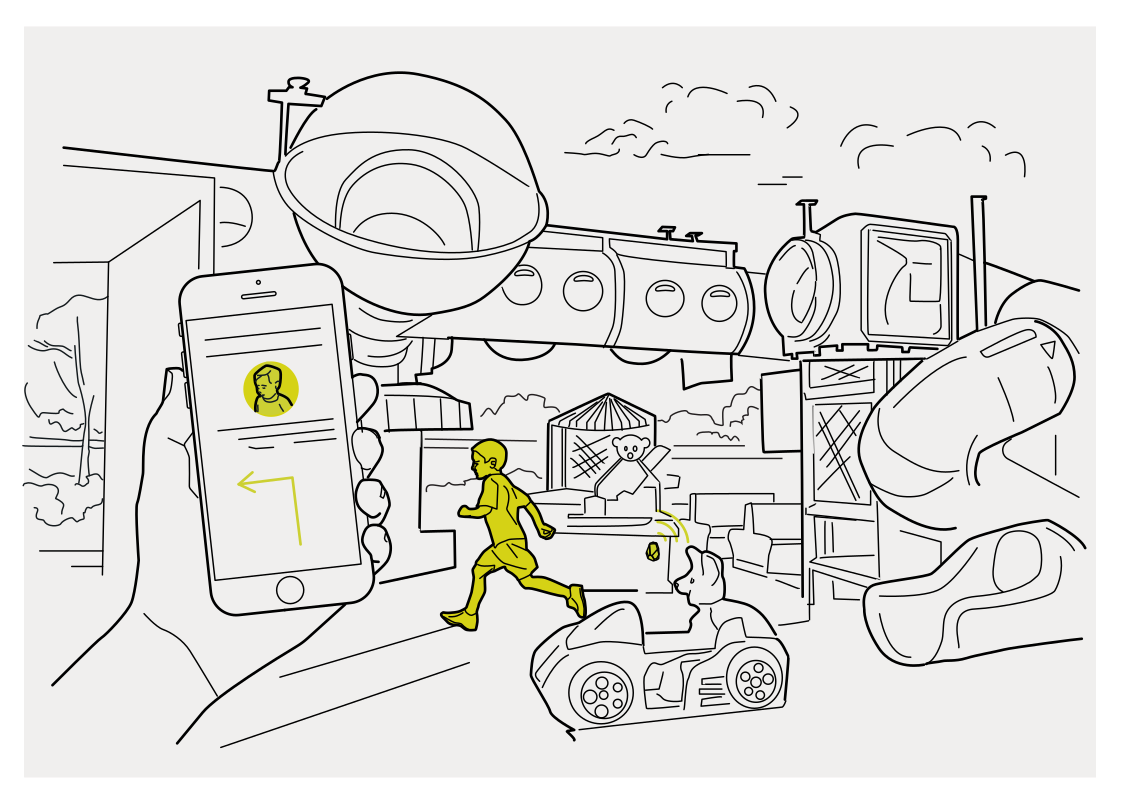
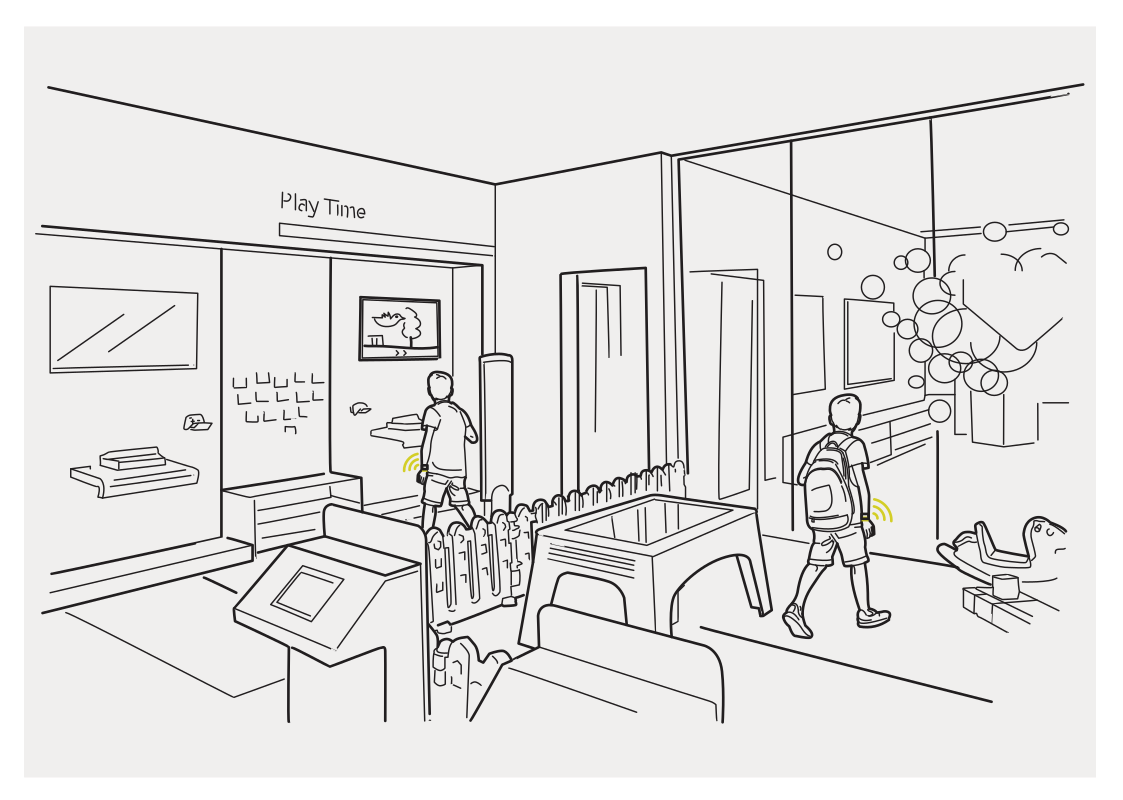
Give children a simple button to contact a parent or activity leader. A connected wearable can send a request with available location context. Bluetooth landmarks at the venue help the receiving app identify a nearby meeting point.
Turn a saved parking spot into a route back to the car. Use garage landmarks or compatible-phone UWB positioning to anchor the map. Add floor and entrance information so the final stretch is easy to recognize.
Let a guest's app recognize the table or dining area. Connect that place context to ordering and service requests. Radar can also help staff understand occupancy without requiring every diner to use an app.
Help visitors and new colleagues reach the right part of the office. Put an indoor map in their app, with UWB guidance or Bluetooth landmarks. Connect destinations to room names and the services people need during their visit.
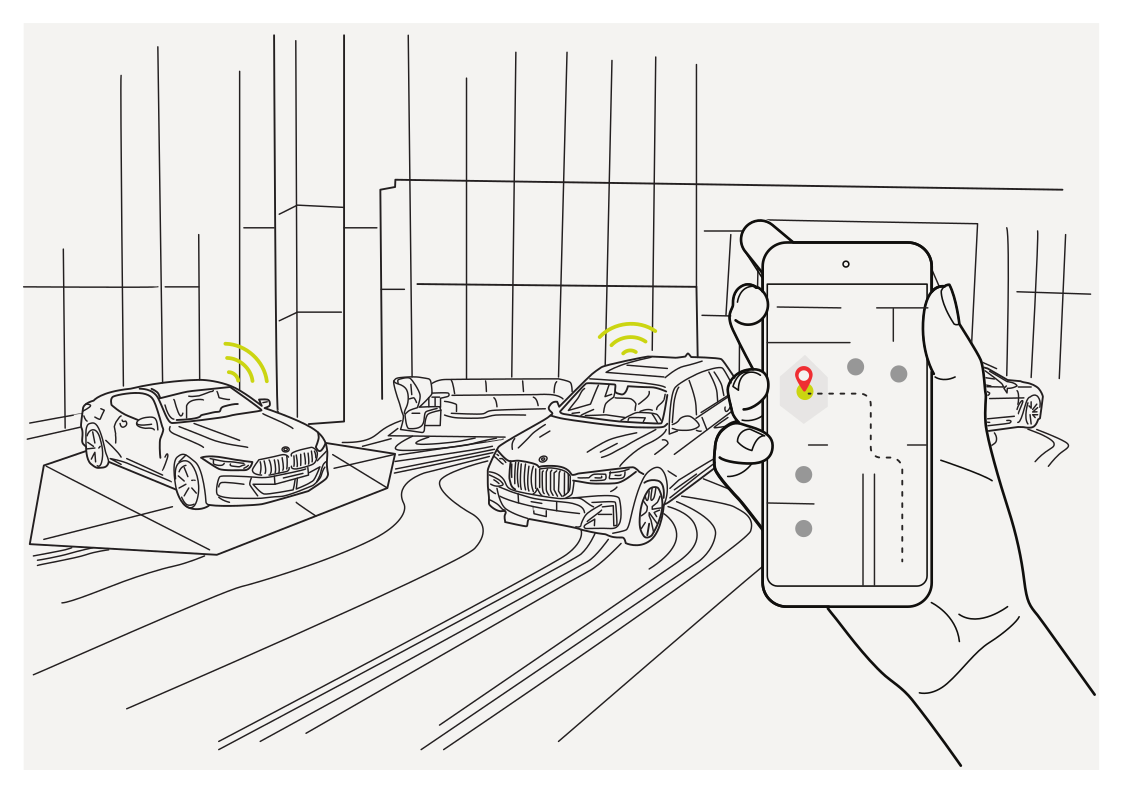
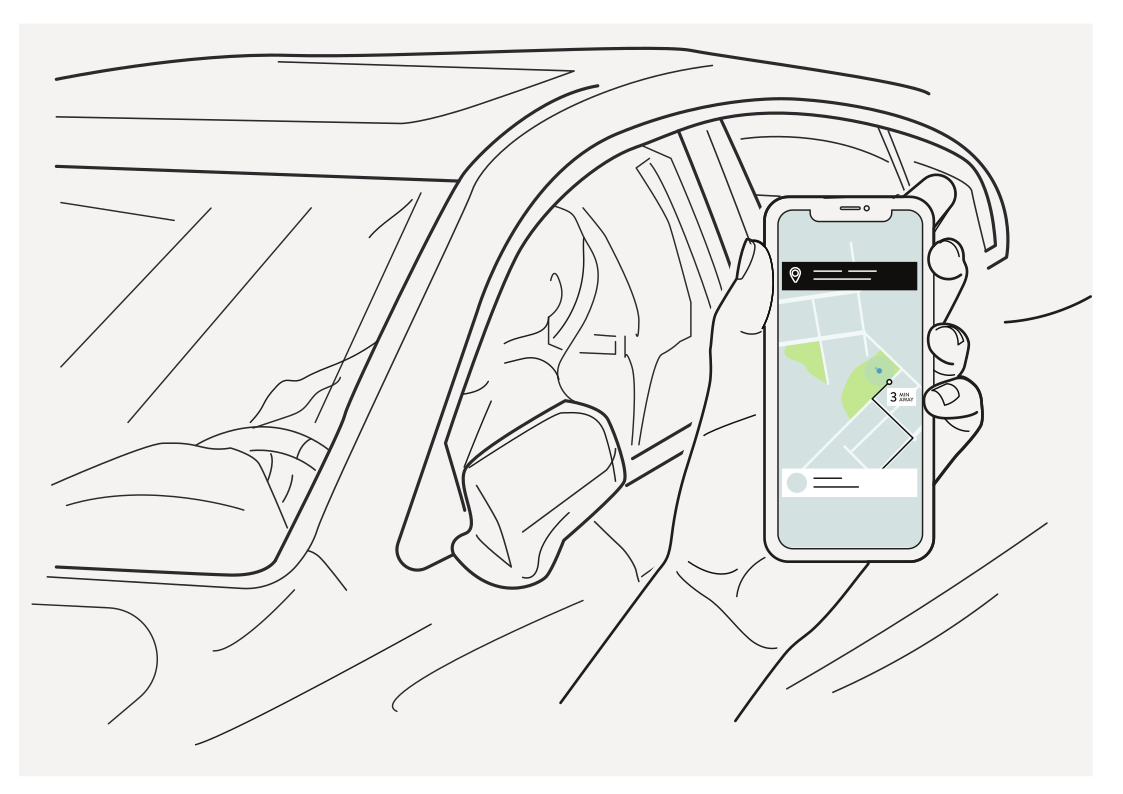
Make the last few meters of a pickup easier. A nearby beacon can help an app recognize a vehicle; UWB can support finer guidance in an equipped pickup area. Connect that context to the passenger's booking.
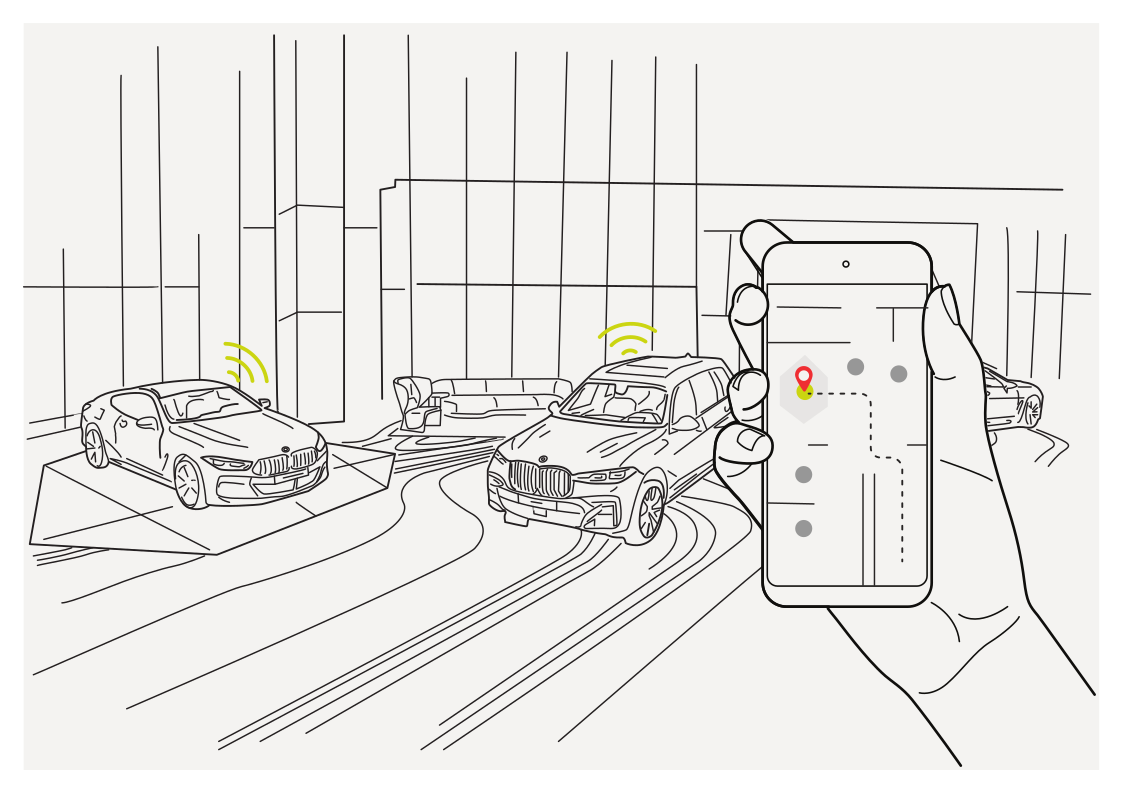
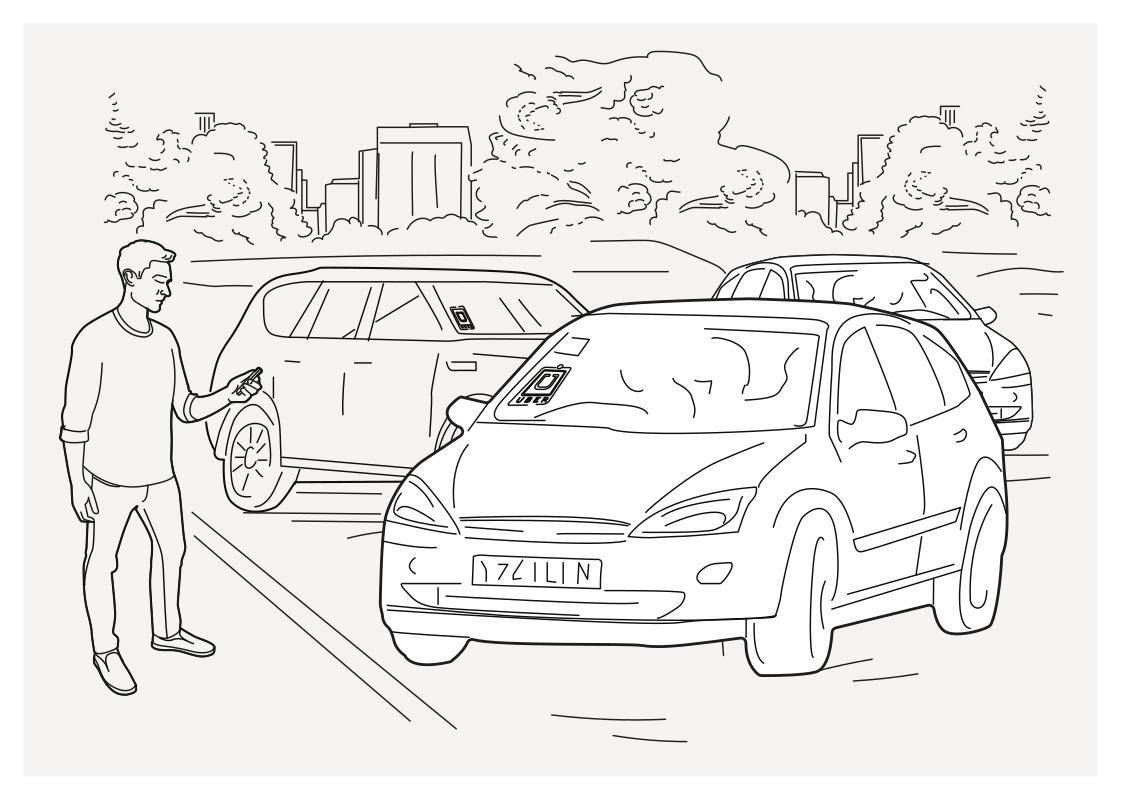
Help passengers distinguish their booked car in a busy pickup zone. Use Bluetooth to recognize a nearby vehicle and connect the result to booking details. Add mapped pickup guidance where several lanes or entrances look alike.
Give warehouse staff a dedicated way to check in or request assistance. Wearable buttons send events to your software, while Bluetooth landmarks add work-area context. Use the shared view to coordinate teams across a large facility.
Let crews confirm a task or call for support with a button press. Connected wearables keep the interaction simple, and nearby beacons provide place context. Bring the updates together for supervisors managing several work areas.
Make asking for help a simple action. A connected wearable sends a request to your chosen response workflow. Add room context from Bluetooth landmarks so the receiving team has a useful starting point.
Give floor teams a quick way to report progress. A wearable button can confirm a pickup or request more work, with Bluetooth landmarks identifying the area. Feed those events into the workflow that coordinates the shift.
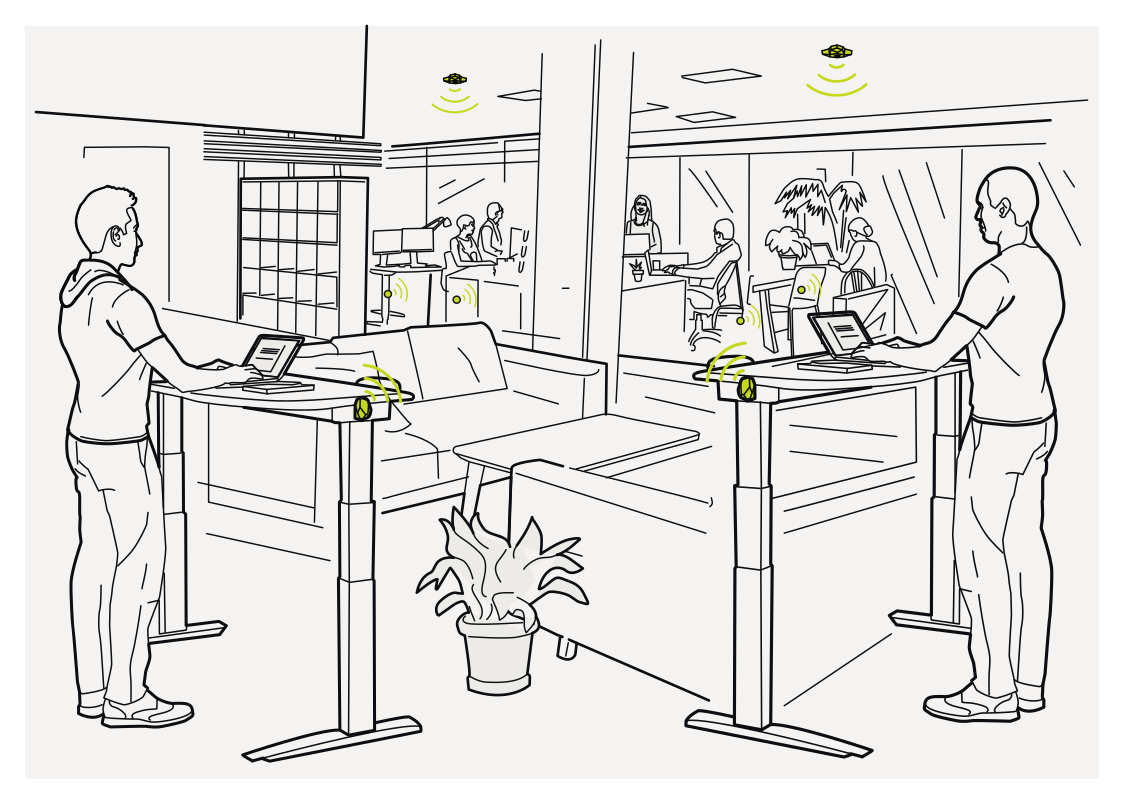
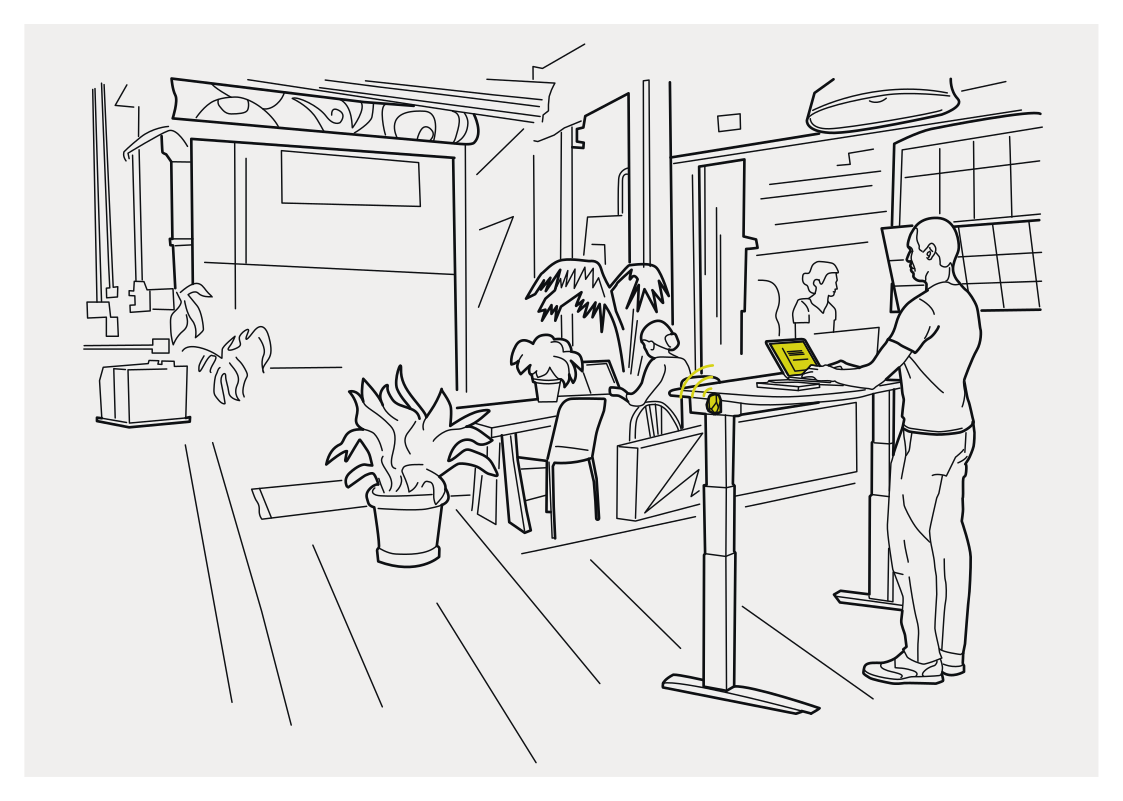
Help shared desks feel ready for the next person. Beacons let an app recognize a workstation; radar adds occupancy signals. Connect those events to booking or desk-control software to support a more responsive workplace.
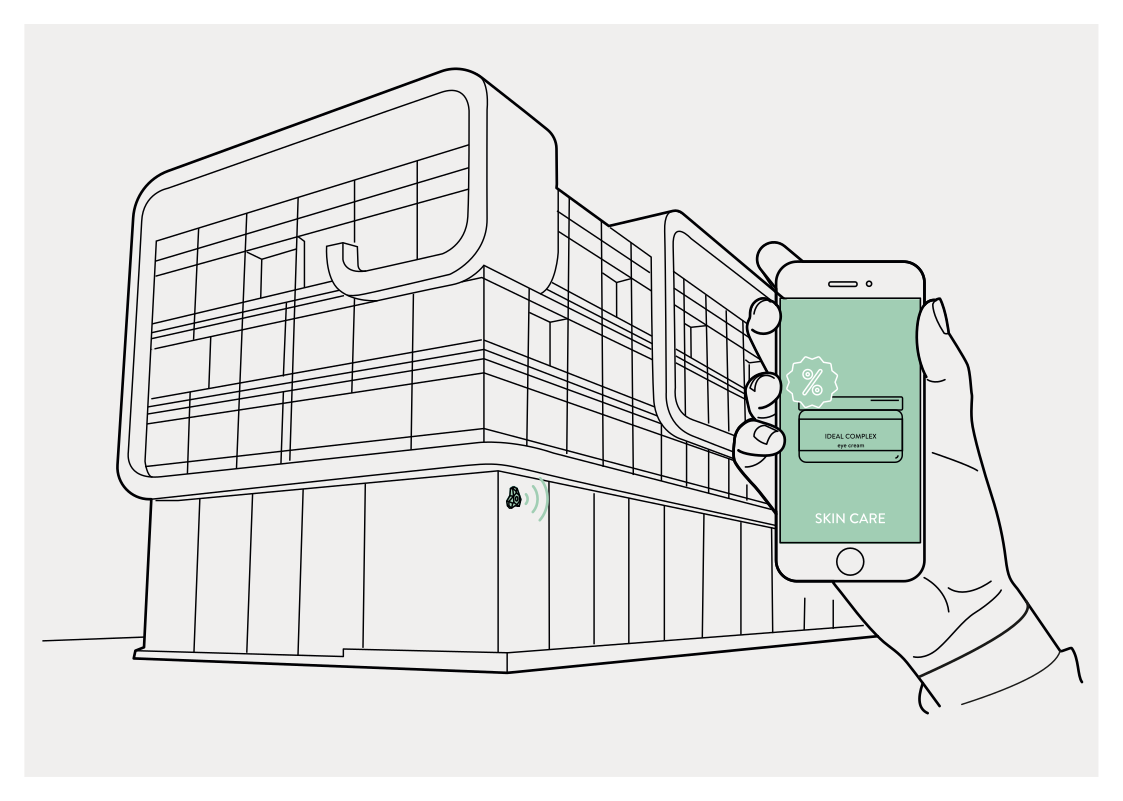
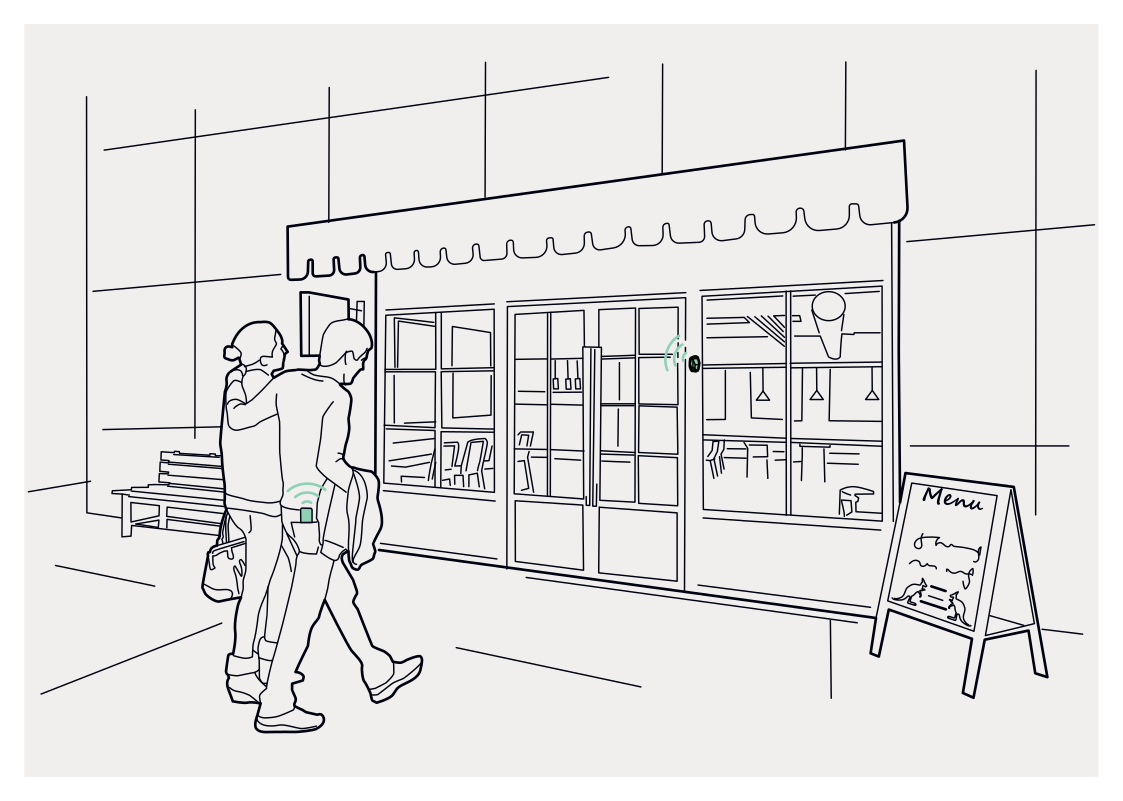
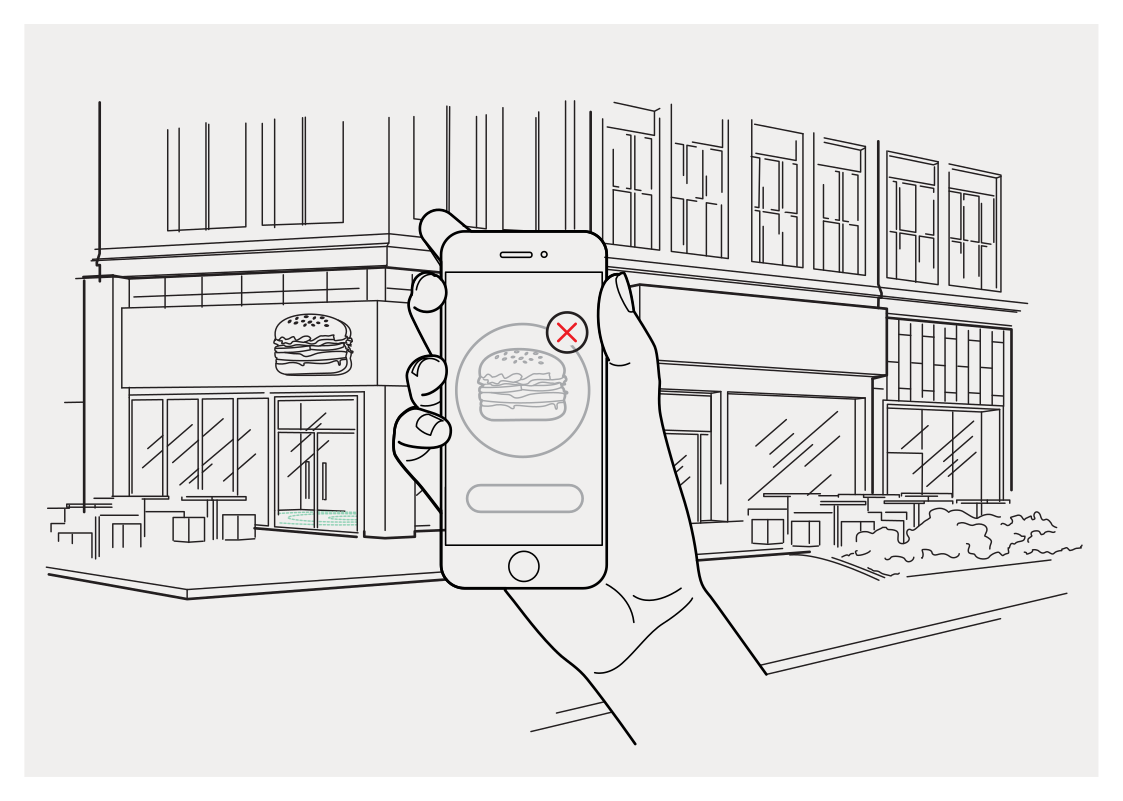
Let visitors discover a place before stepping inside. A nearby beacon can point an opted-in app to opening hours, accessibility details, or store information. Add indoor directions when the next destination is beyond the entrance.
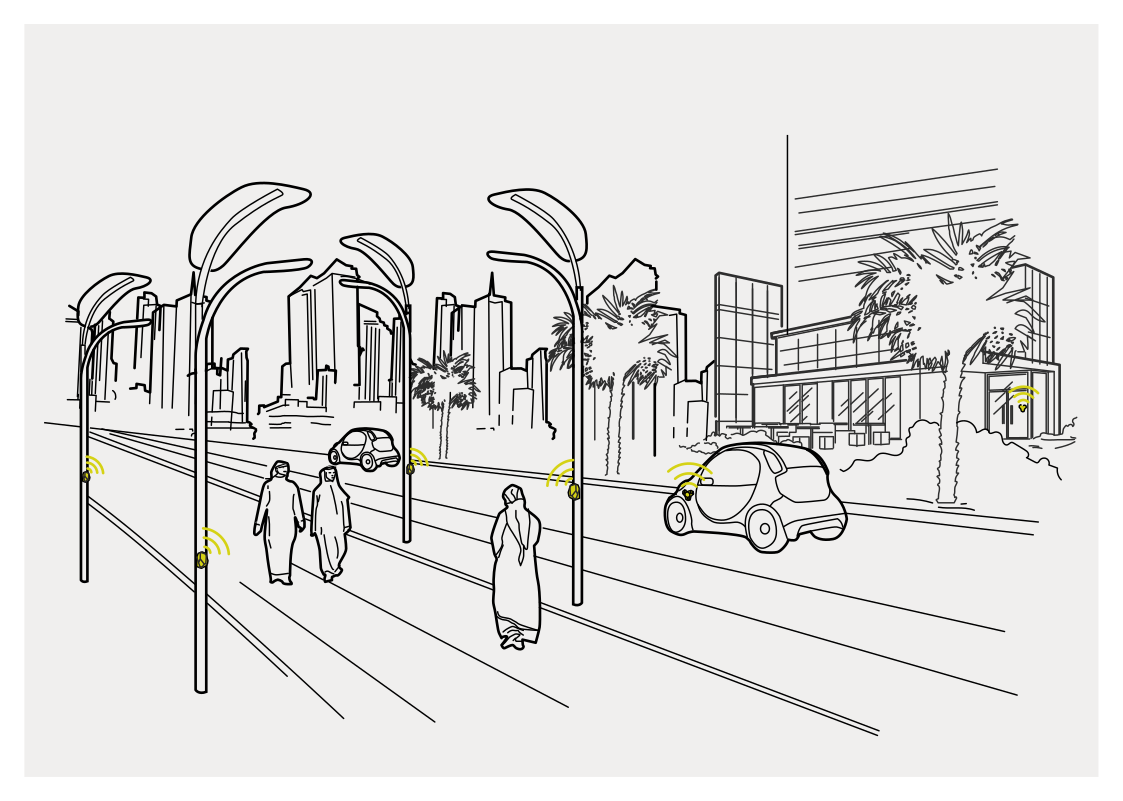
Give city teams a better view of activity at selected locations. Radar can add local movement signals, while beacons mark places for connected apps. Combine the events with existing street data to inform planning and service decisions.
Help care teams record a visit without extra paperwork. A wearable button can confirm arrival or request support, and nearby beacons add home or room context. Connect the event to the care workflow agreed with the resident.
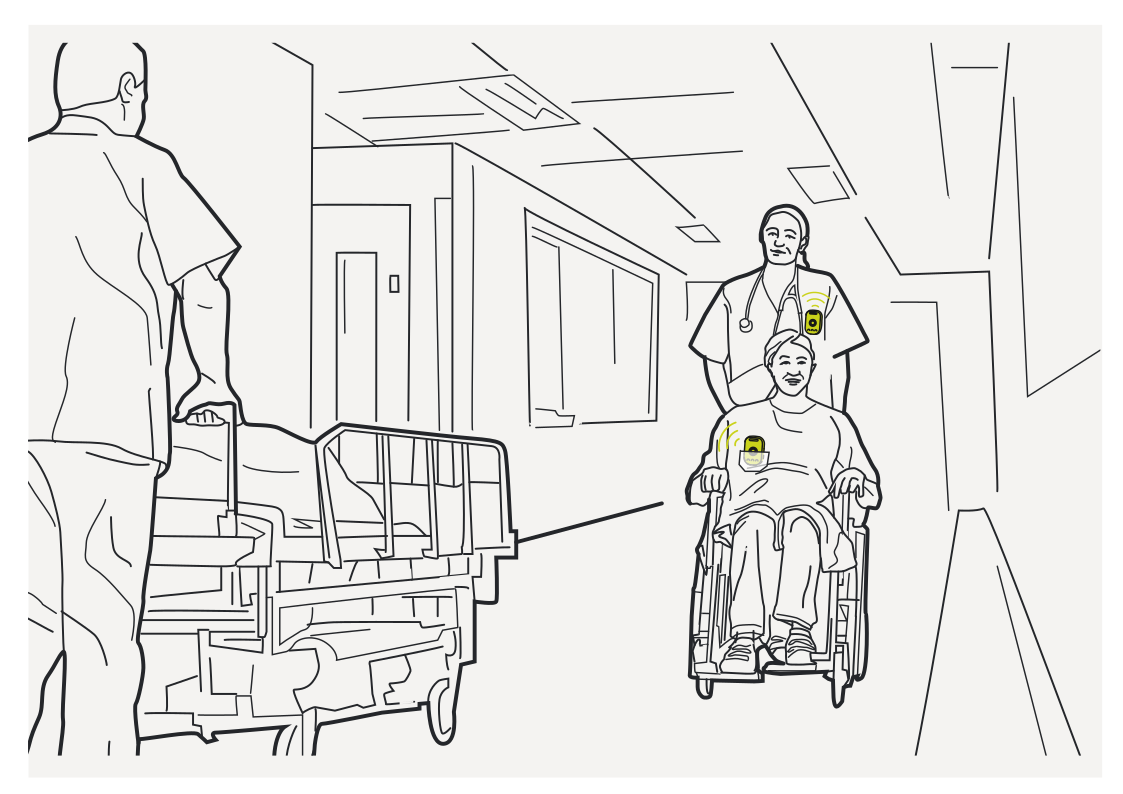
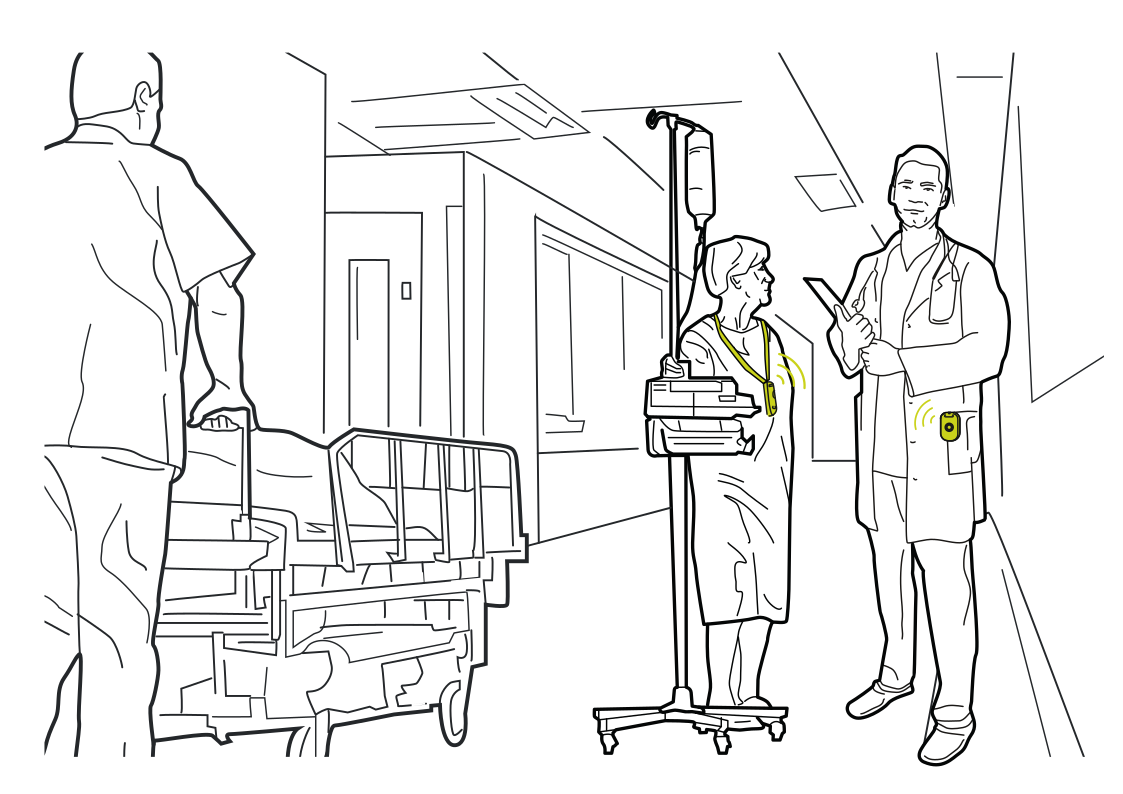
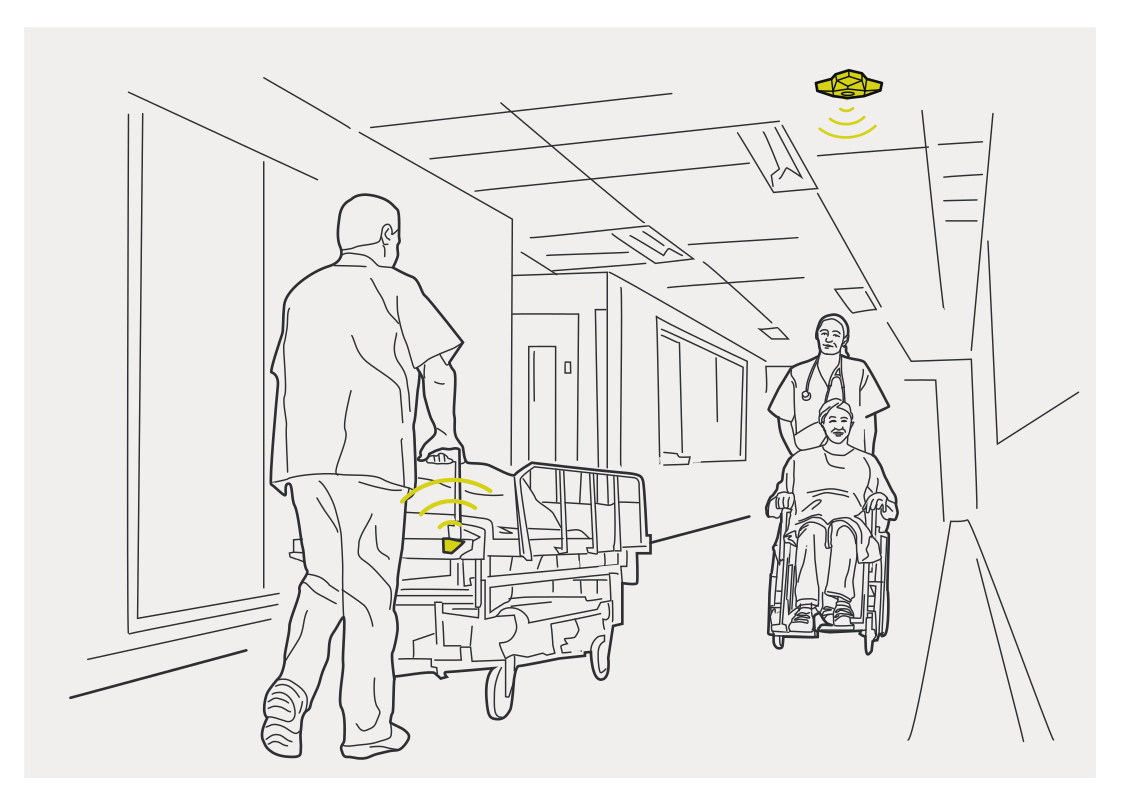
Help hospital teams arrange the next step in a patient's journey. Wearable buttons support requests and handoff confirmations; tagged wheelchairs or beds add equipment context. Bring the events onto a shared hospital operations map.
Link a crate to its shipment record when it is prepared for dispatch. Attach a Bluetooth tag, then use receiver detections to record movements through equipped areas. Keep those updates connected to your warehouse workflow.
Give a worker a direct way to request assistance when they need it. A connected wearable sends the button event, and Bluetooth landmarks add the work area. Your response workflow routes the request to the right team.
Make a pallet's last detected area easy to find. Attach a Bluetooth tag and connect receiver updates to your stock records. Show the location on a floor plan so staff can move from searching to picking.
Add location context where pedestrians and vehicles share a work area. Explore compatible UWB wearables for proximity interactions, with radar presence signals where useful. Connect alerts to site workflows as an addition to existing traffic-safety measures.
Help staff locate the furniture or display piece a customer wants to see. Bluetooth tags identify movable items, while receivers record their last detected area. Put that information on the store map for quick assistance.
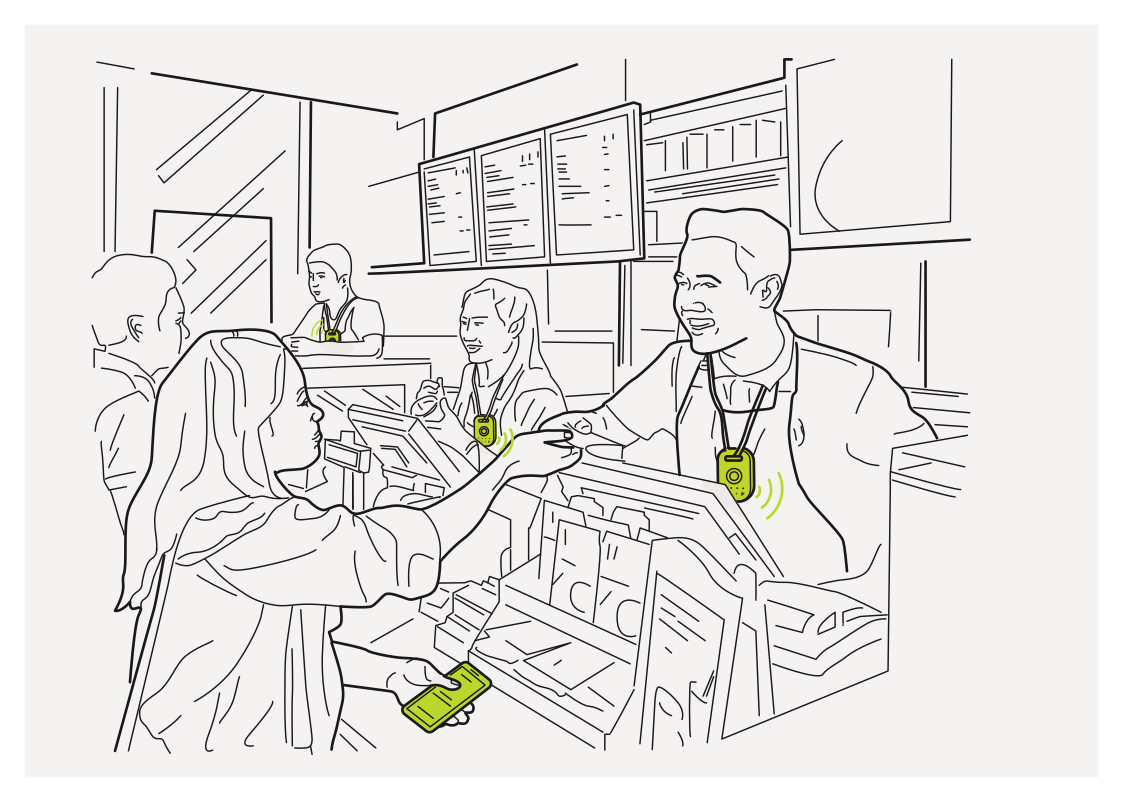
Give counter staff a quiet way to request backup or signal that an order is ready. Wearable buttons connect the interaction to your service workflow, while beacons identify the counter or work area.
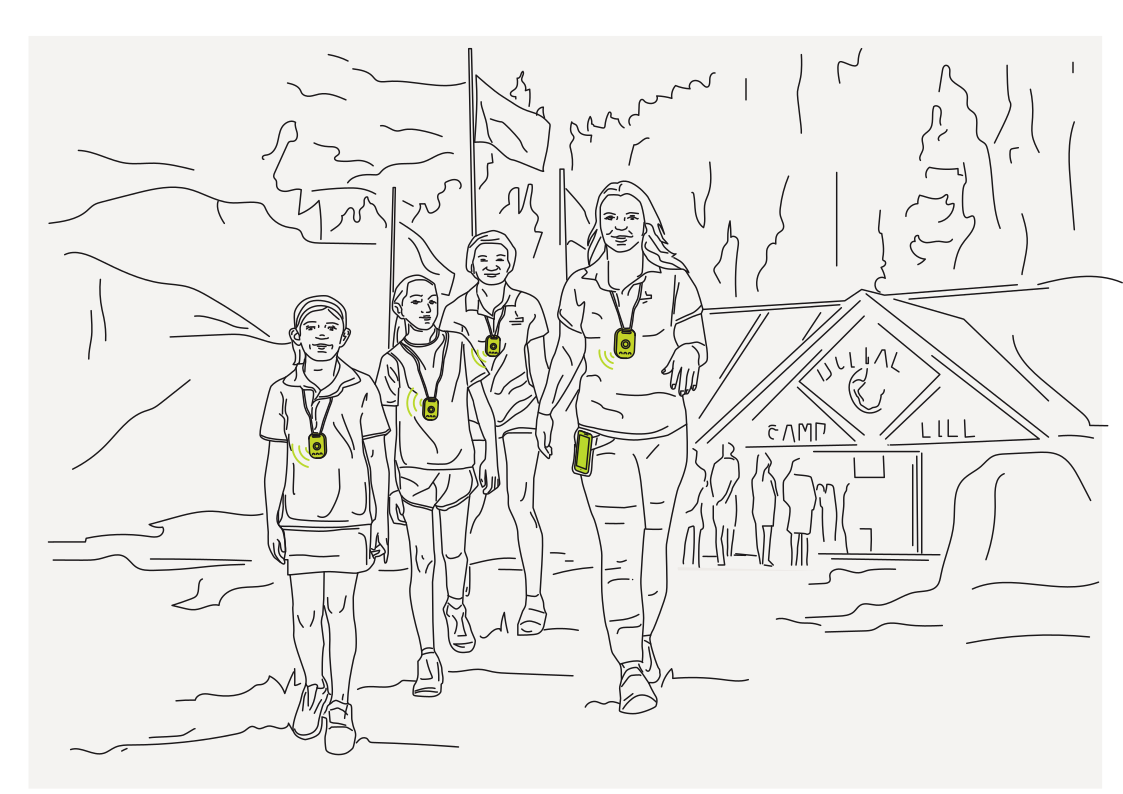
Help camp staff coordinate arrivals at activity areas. Wearables give participants a simple check-in or help button, and beacons mark the places on the route. Share those events with the team supervising the group.
Explore which store areas attract attention and where assistance is useful. Radar can add presence and movement signals; an opted-in app can use Bluetooth landmarks for context. Bring the observations together to plan staffing and layout.
Give teams a place to start when a toolbox moves between work areas. Tag the case, record nearby receiver detections, and connect them to a site map. Beacons can mark the areas used for handoffs and storage.
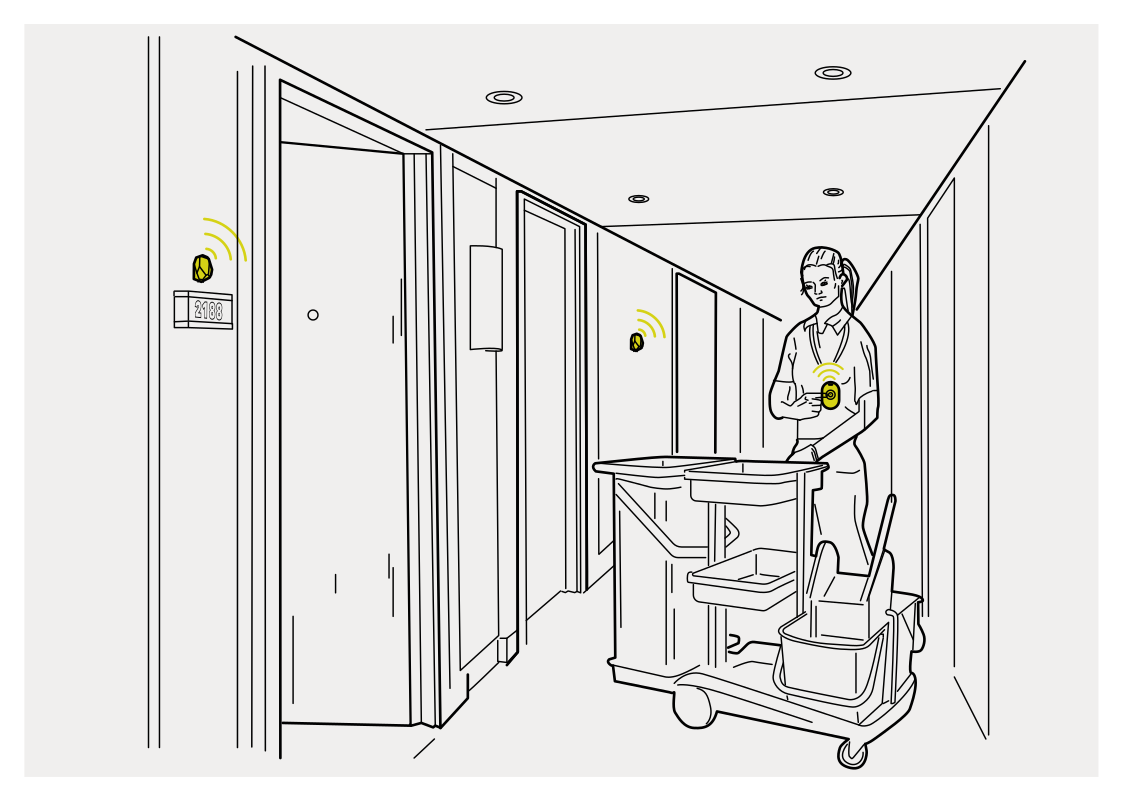
Make a completed cleaning task easy to record. A nearby beacon identifies the room or asset; a wearable button confirms the visit. Connect the event to your facilities workflow so the next shift can see what was done.
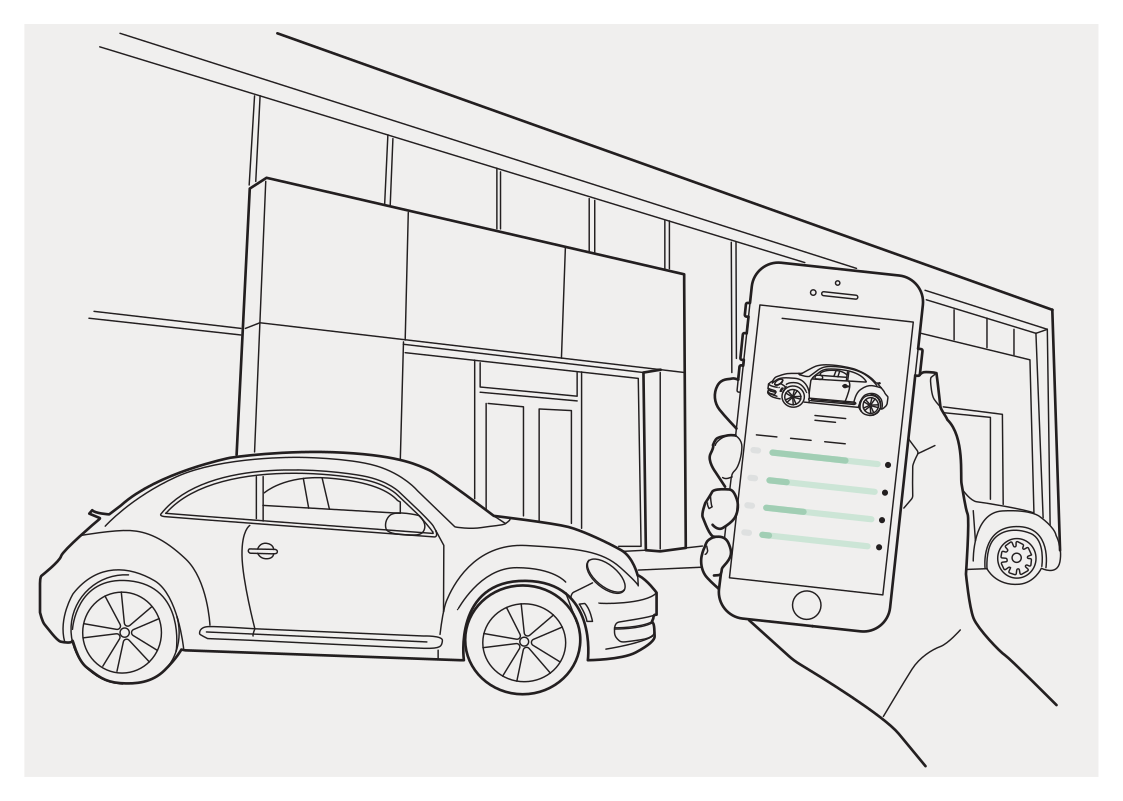
Help a mobility app identify the nearby vehicle before a user requests access. Bluetooth provides proximity context, while radar can add vehicle-presence events. Connect these signals to the access system responsible for authentication and unlocking.
Help staff coordinate around the equipment a patient needs. Tag movable assets and give team members wearable buttons for requests or handoffs. Connect the resulting events to the hospital map and existing care operations.
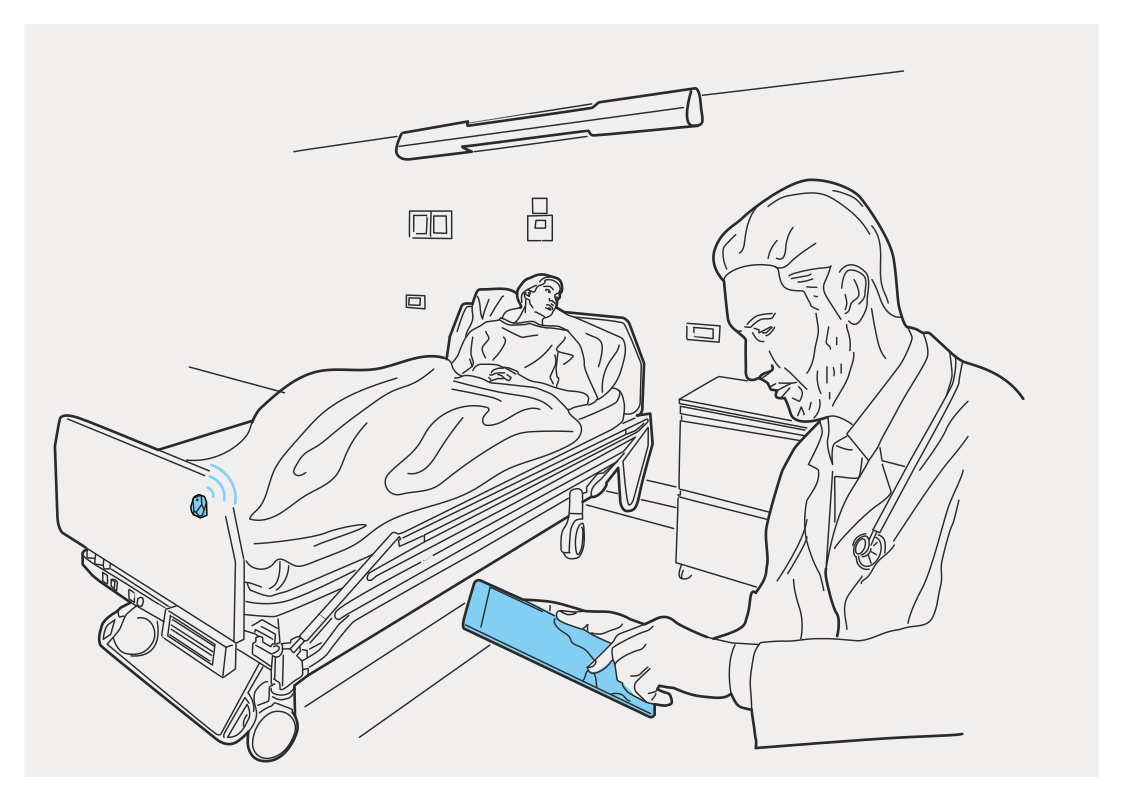
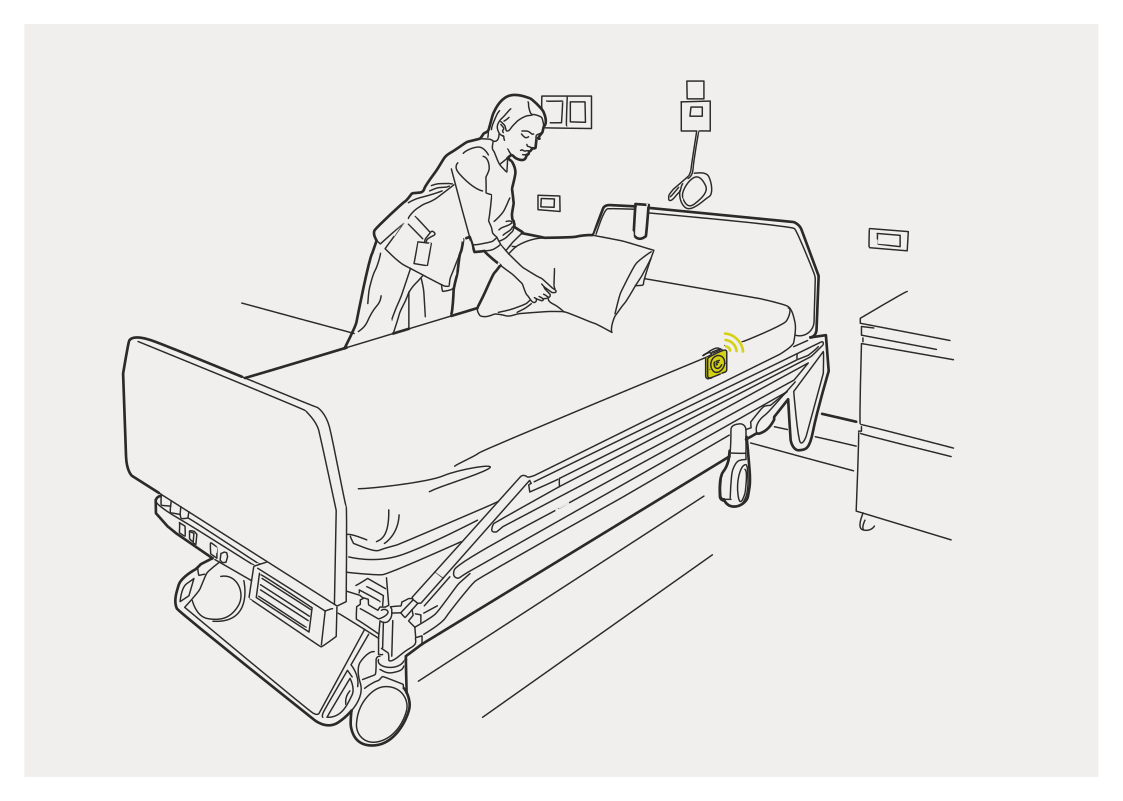
Let a nearby app recognize a tagged hospital bed and open the linked equipment workflow. Receiver detections can show its last known area. Keep clinical information in the hospital's own systems while adding useful location context.
Help people recognize when they have reached a room or crossed a mapped boundary. Bluetooth landmarks add nearby context; compatible-phone UWB positioning supports finer guidance. Connect those events to the navigation or notification workflow in your app.
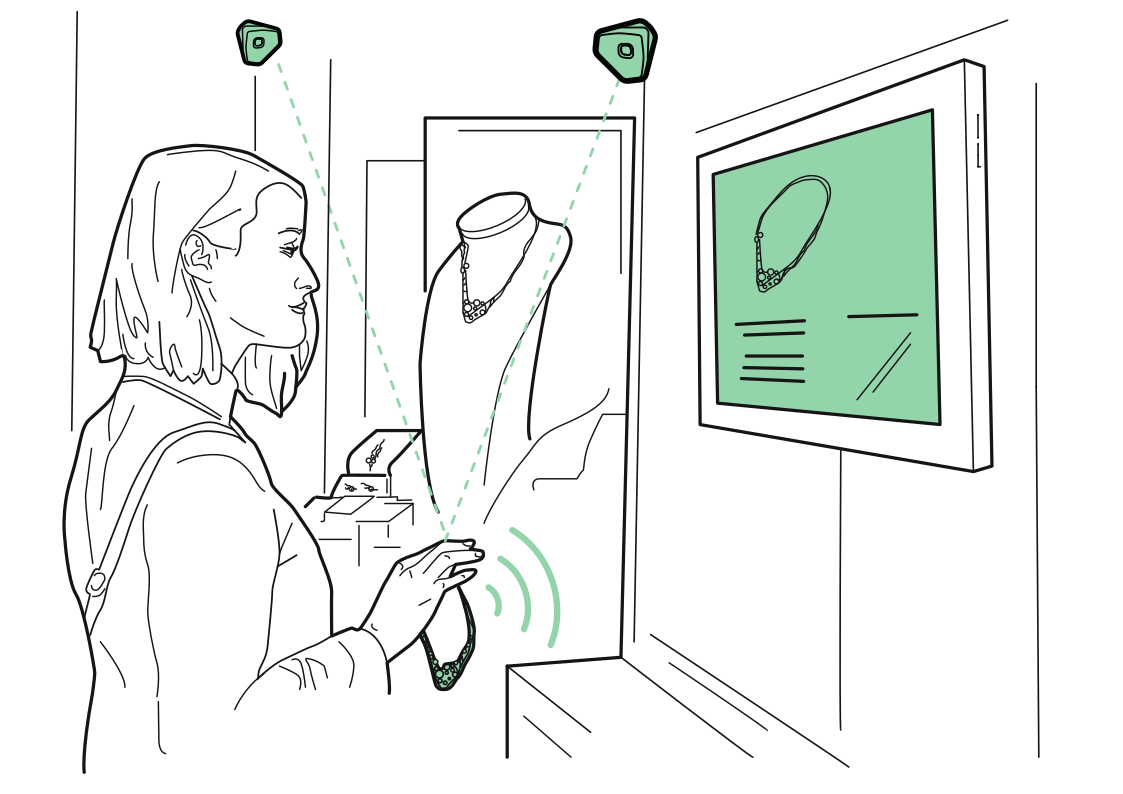
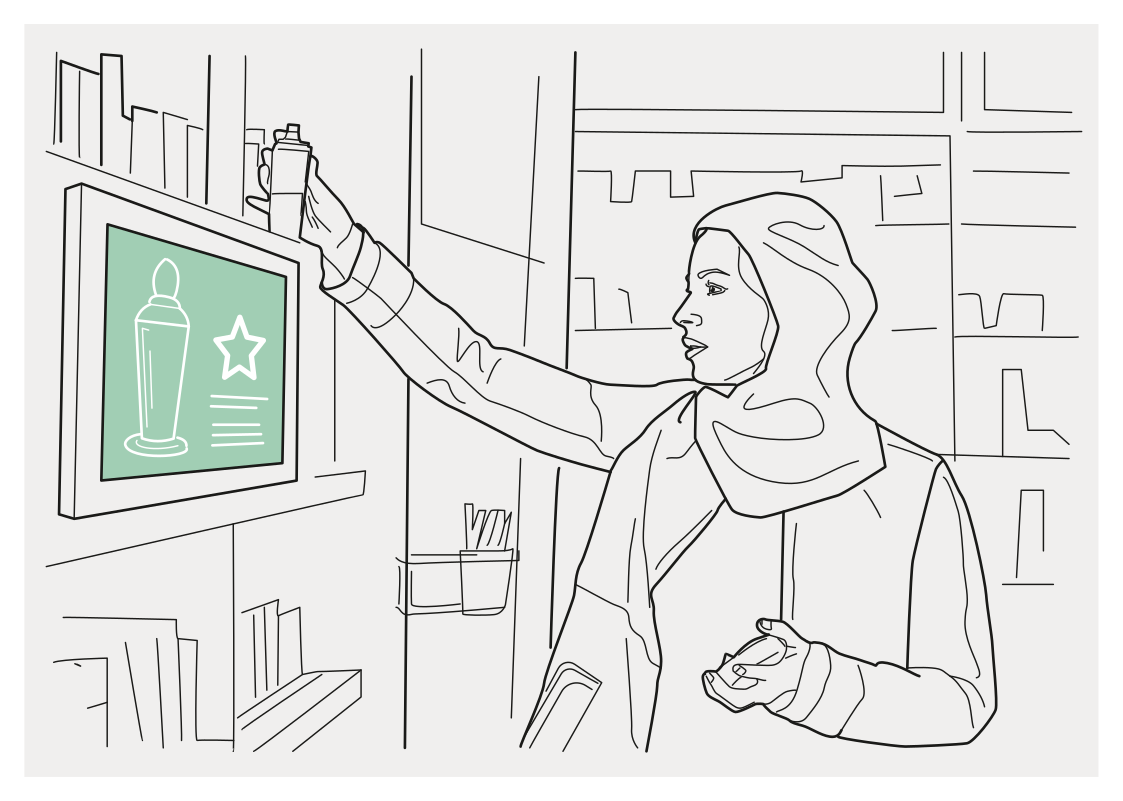
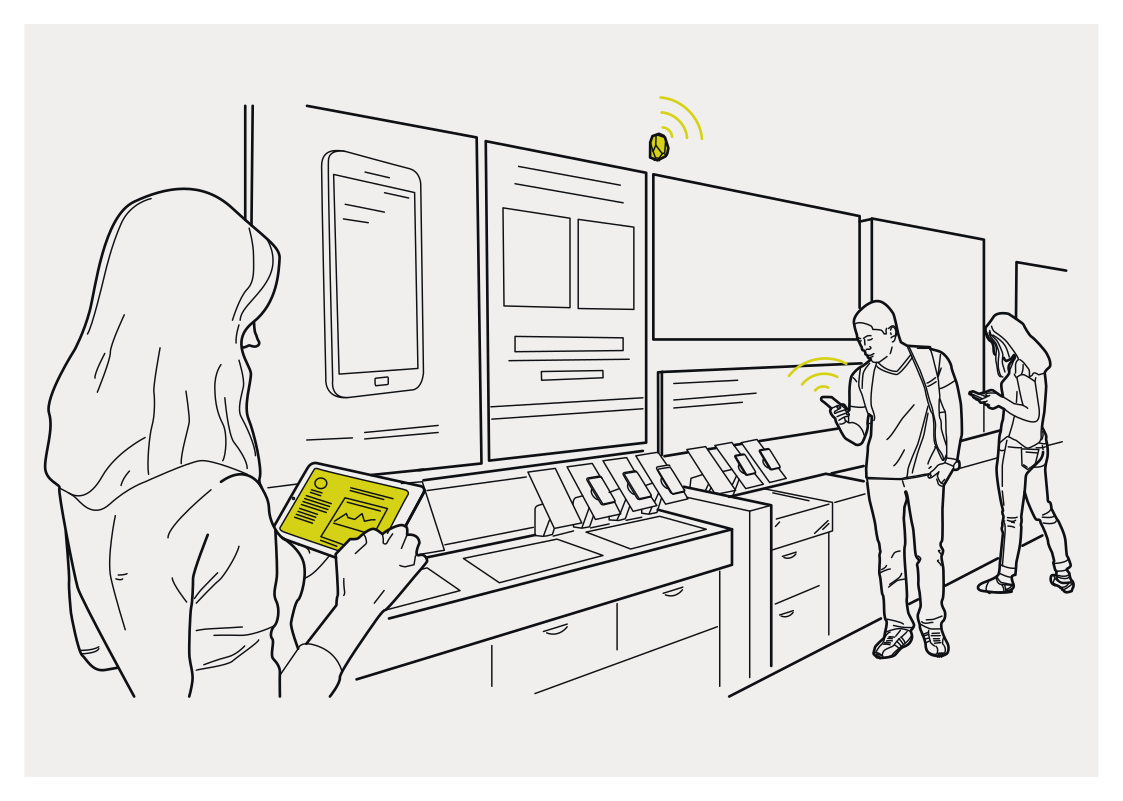
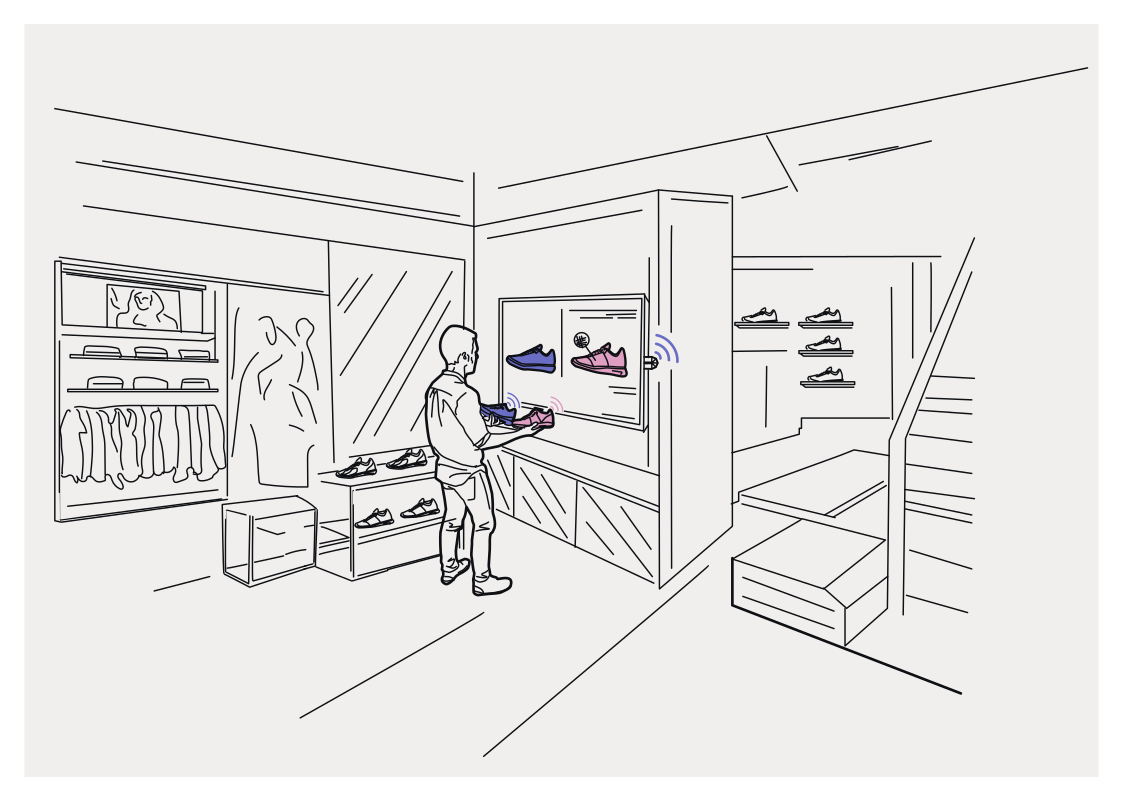
Bring useful product information onto a screen as someone approaches. Radar can trigger a presence event, while Bluetooth identifies nearby tagged items. Connect these signals to your content system to make a display more interactive.
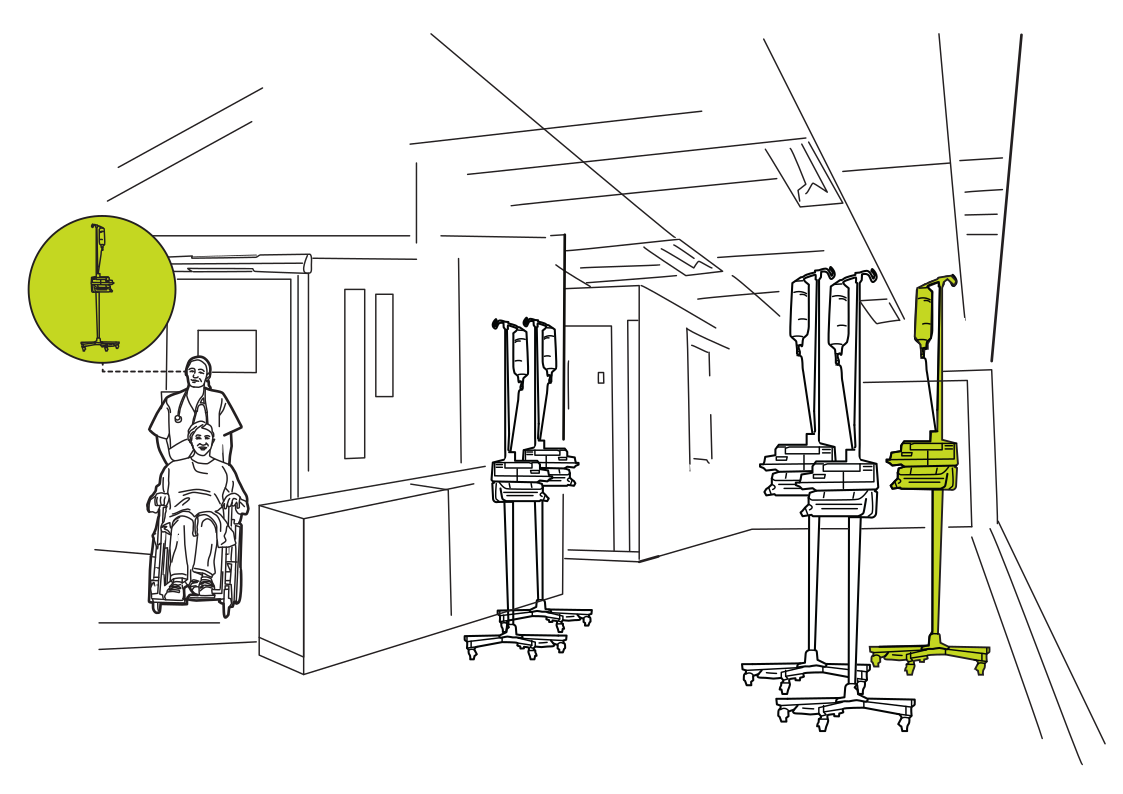
Help teams locate mobile equipment before they need to move a patient. Tag IV stands and record nearby receiver detections. Connect the last detected area to a hospital map and your equipment-availability workflow.
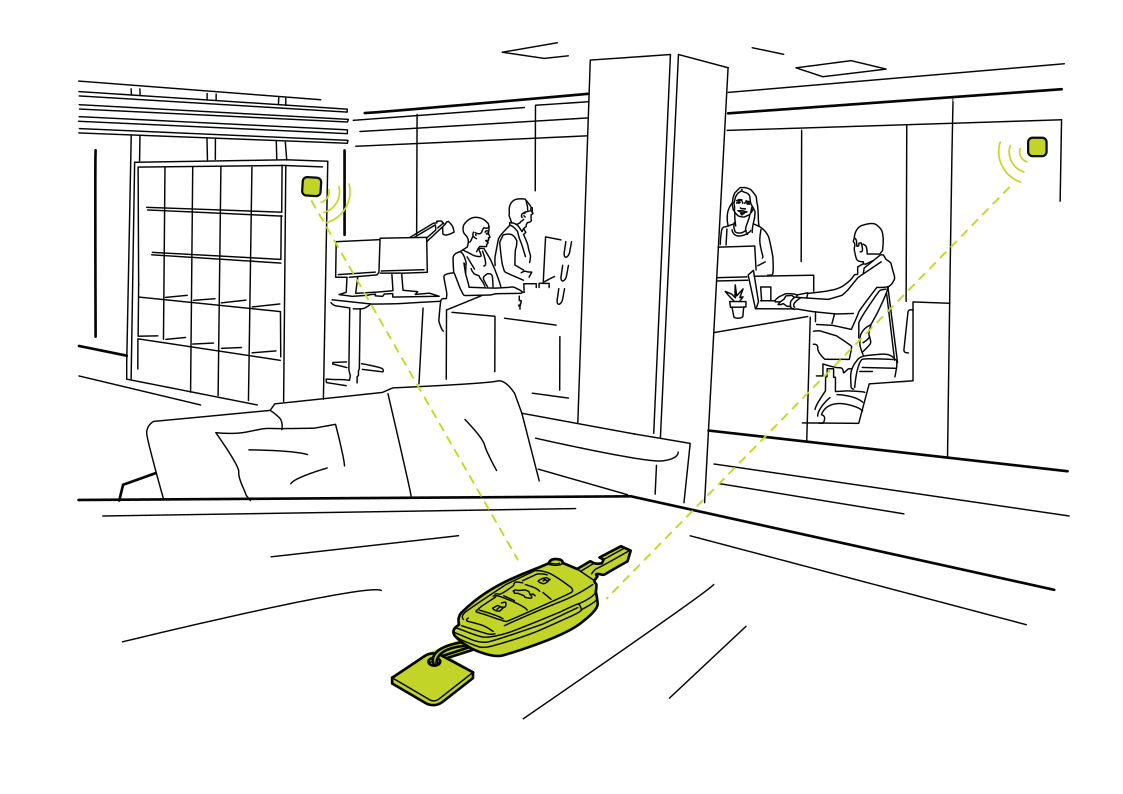
Give shared keys a wireless identity. A Bluetooth tag and nearby receivers can record where they were last detected. Put that location in an office app so teams know where to start looking.
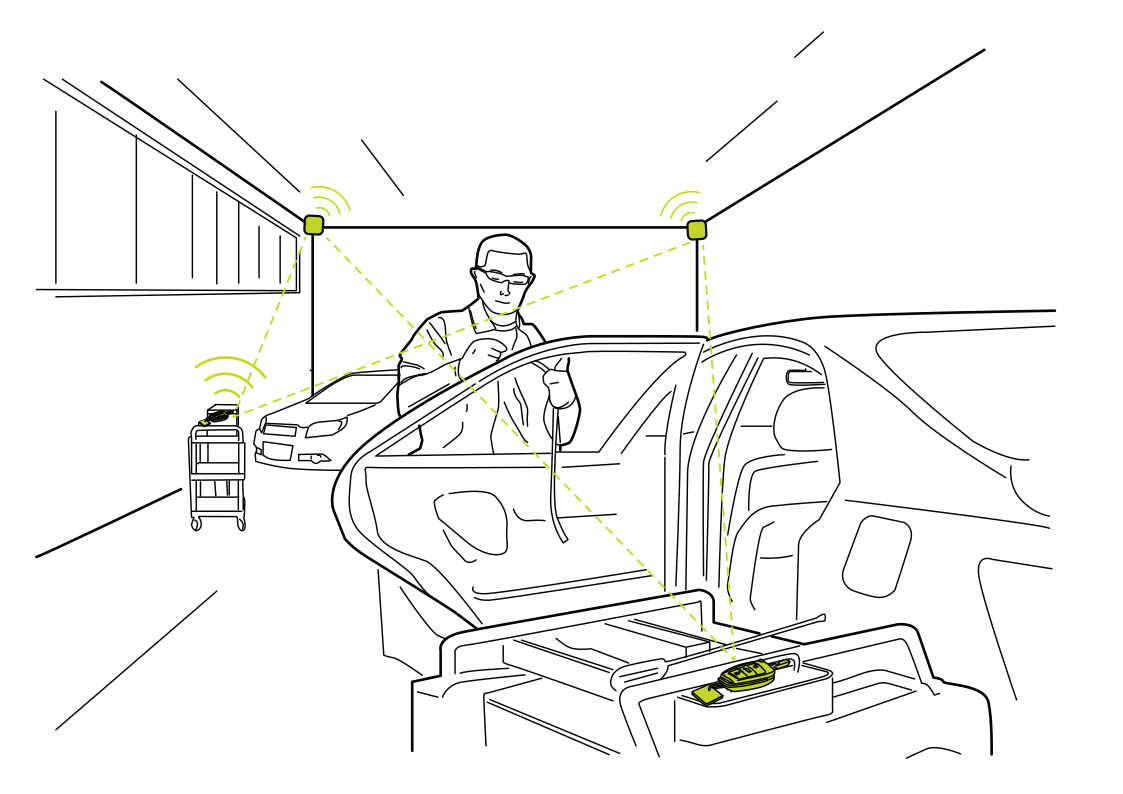
Know where a service vehicle's equipment was last seen. Tag cases and connect detections at equipped bays to the vehicle or job record. Wearable buttons let technicians confirm that a kit is ready for the next assignment.
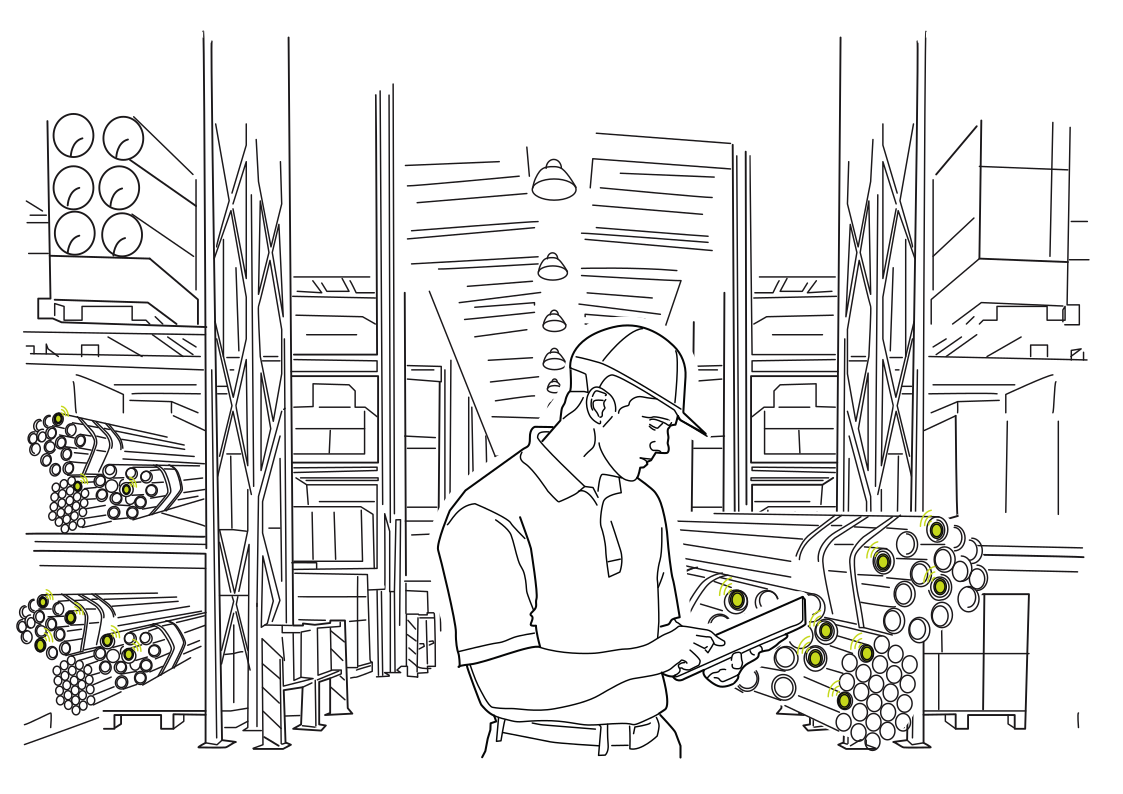
Help warehouse teams locate bundles of pipe or other long stock. Bluetooth tags identify the batch, while nearby receivers record its storage area. Connect the location to material records so picking starts with the right rack.
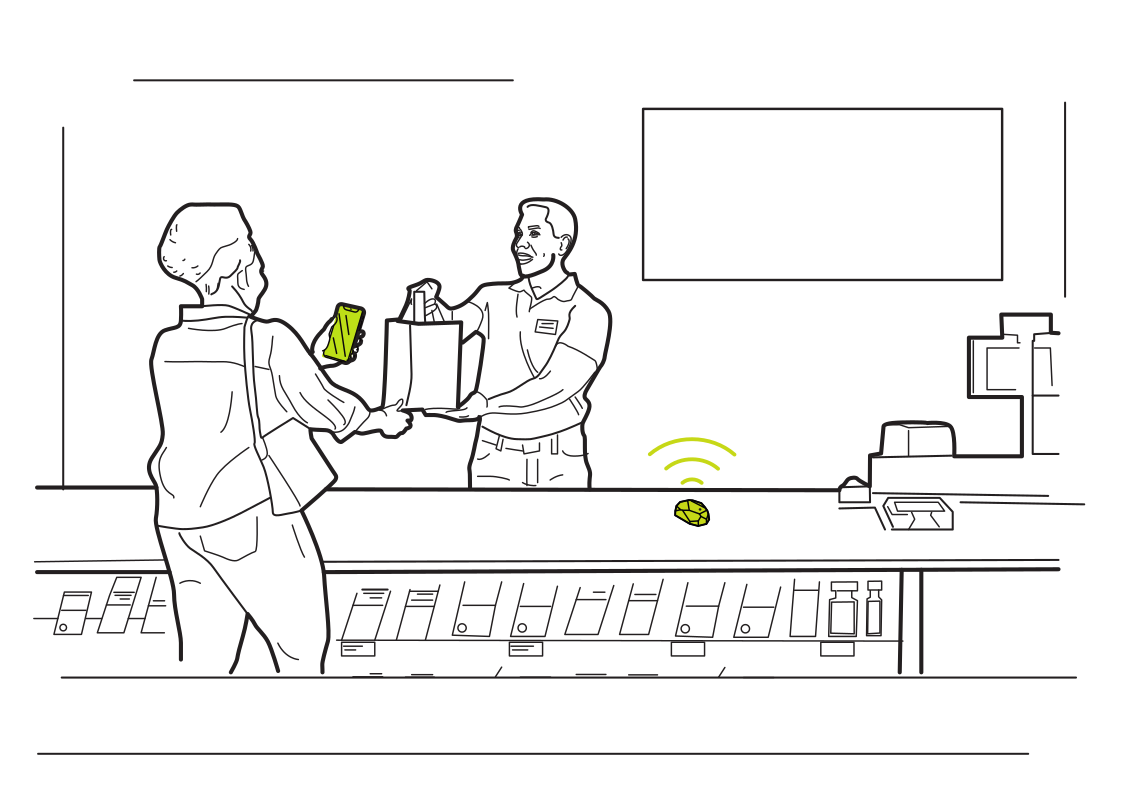
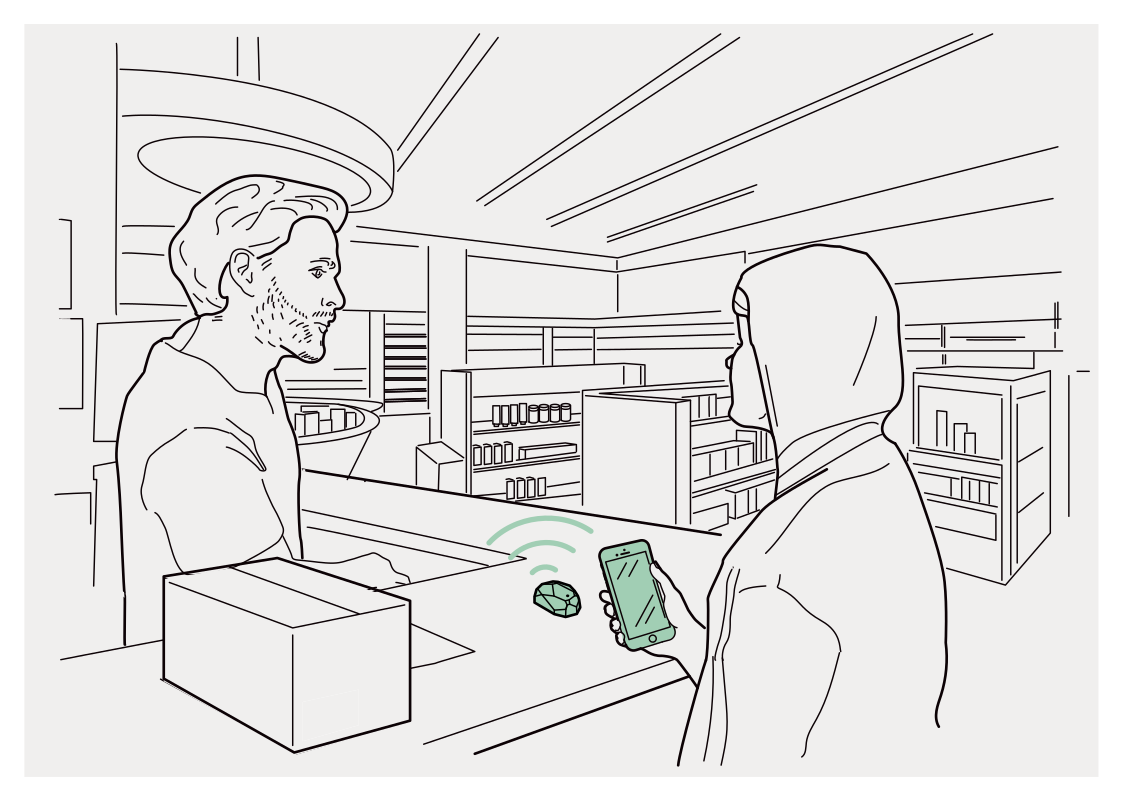
Let an opted-in customer app recognize the service counter and bring up a loyalty card or pickup reference. Beacons provide place context, while staff wearables can signal that an order is ready.
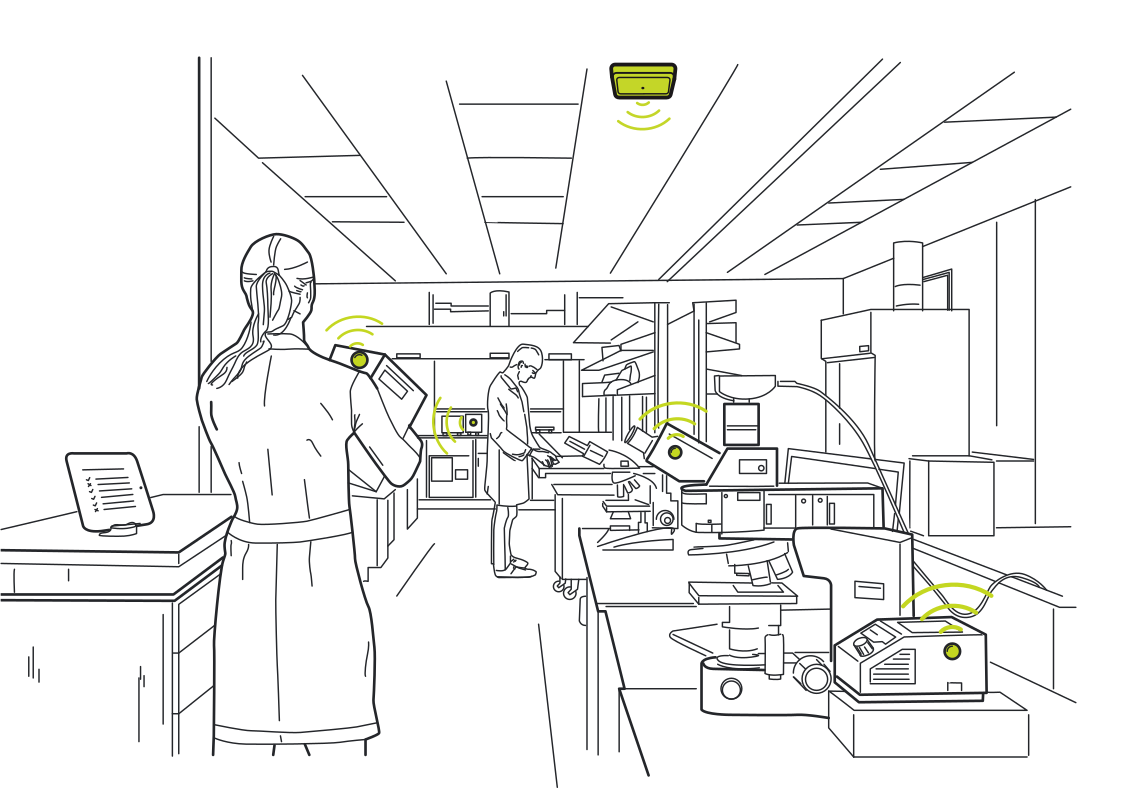
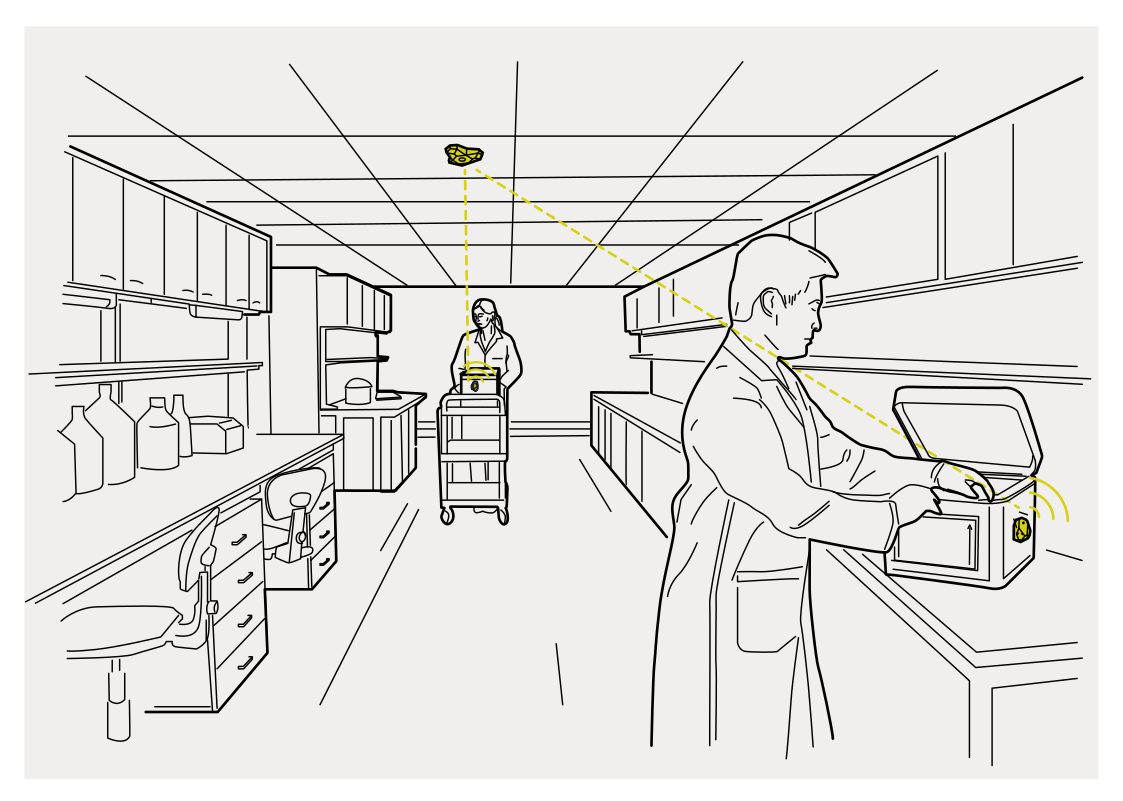
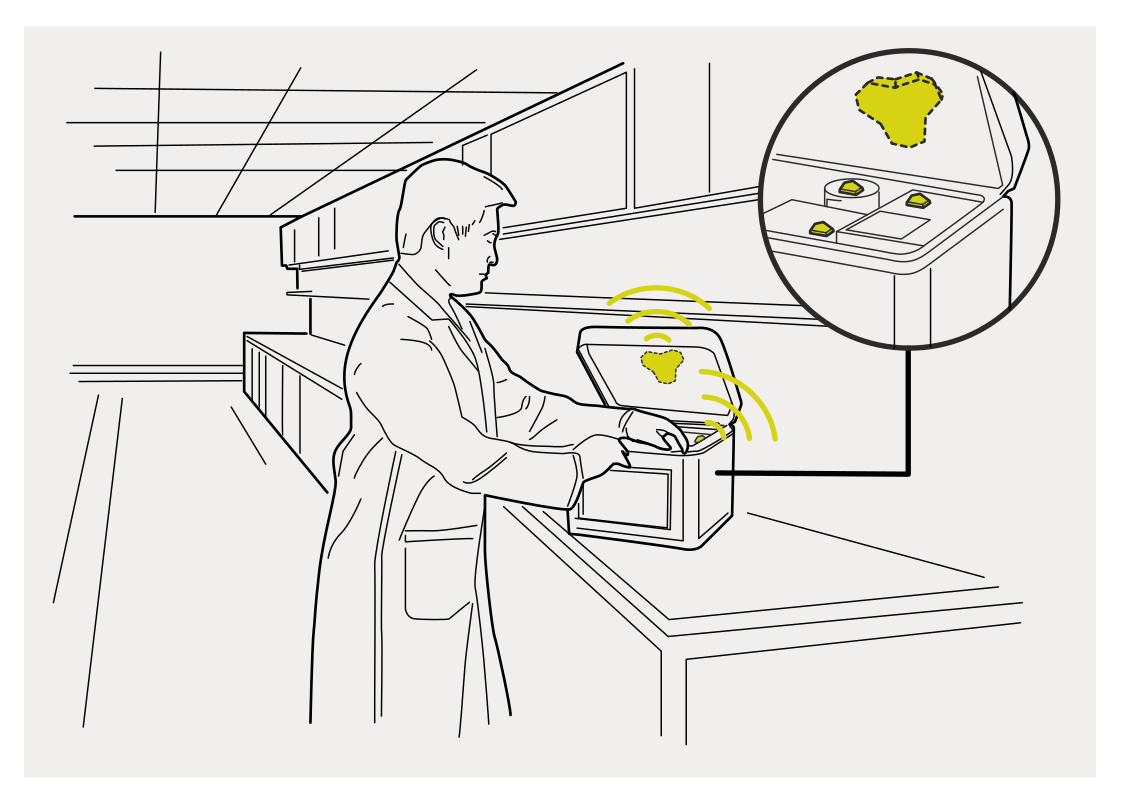
Help teams find the instrument they need before starting a task. Tag movable equipment and connect receiver detections to a lab map. Use the location alongside booking and maintenance records in your existing systems.
Follow equipment as it moves between benches and rooms. Bluetooth tags and nearby receivers provide area-level updates; beacons identify work zones. Connect the events to your lab's asset workflow so the next user knows where to look.
Give caregivers a quick way to confirm a visit or request help. Wearables support the button interaction, while radar can add room-activity context where appropriate. Bring the events into the resident's agreed care workflow.
Make the luggage room easier to manage. Give bags a Bluetooth identity and record detections at equipped storage areas. Connect the location to a guest's collection record so staff can start in the right place.
Help travelers who need step-free routes navigate the terminal. UWB positioning and a verified accessibility map can guide a compatible phone. A connected wearable offers a simple way to request staff assistance along the journey.
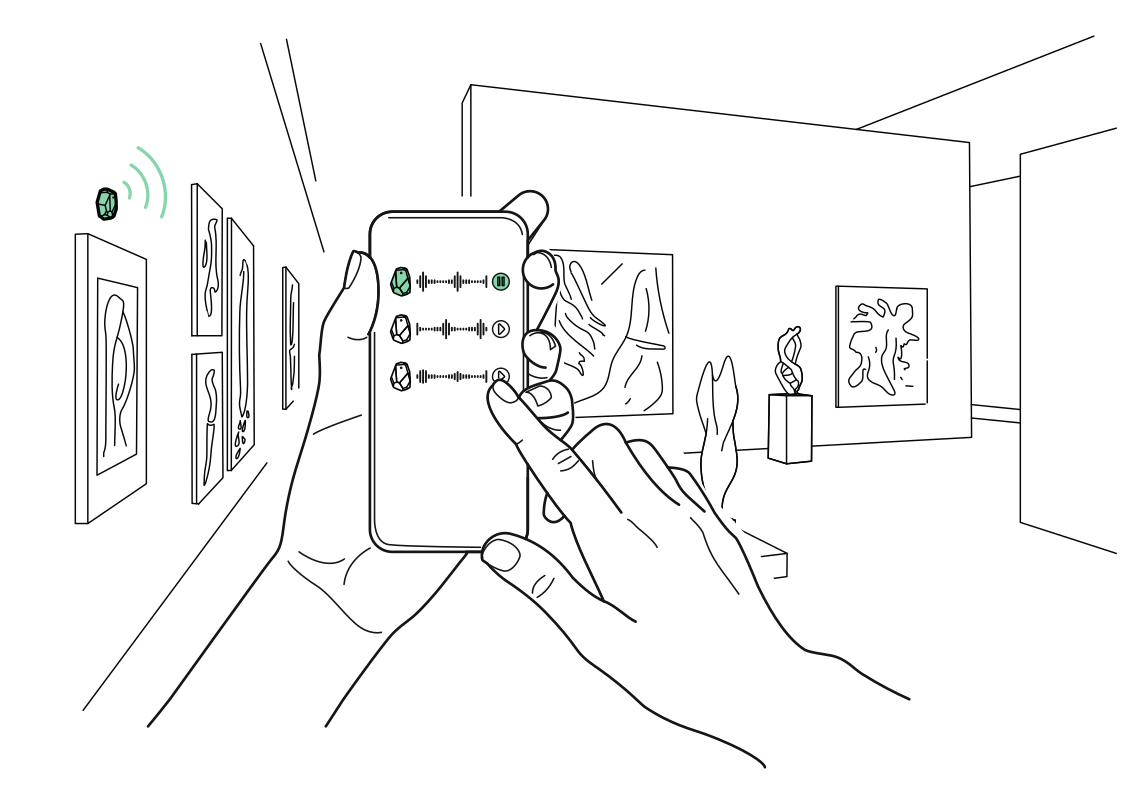
Let visitors discover an exhibit's story on their own phone. Beacons can suggest the nearby audio guide; UWB can refine location in larger spaces. Connect each place to your content library and let visitors choose what to play.
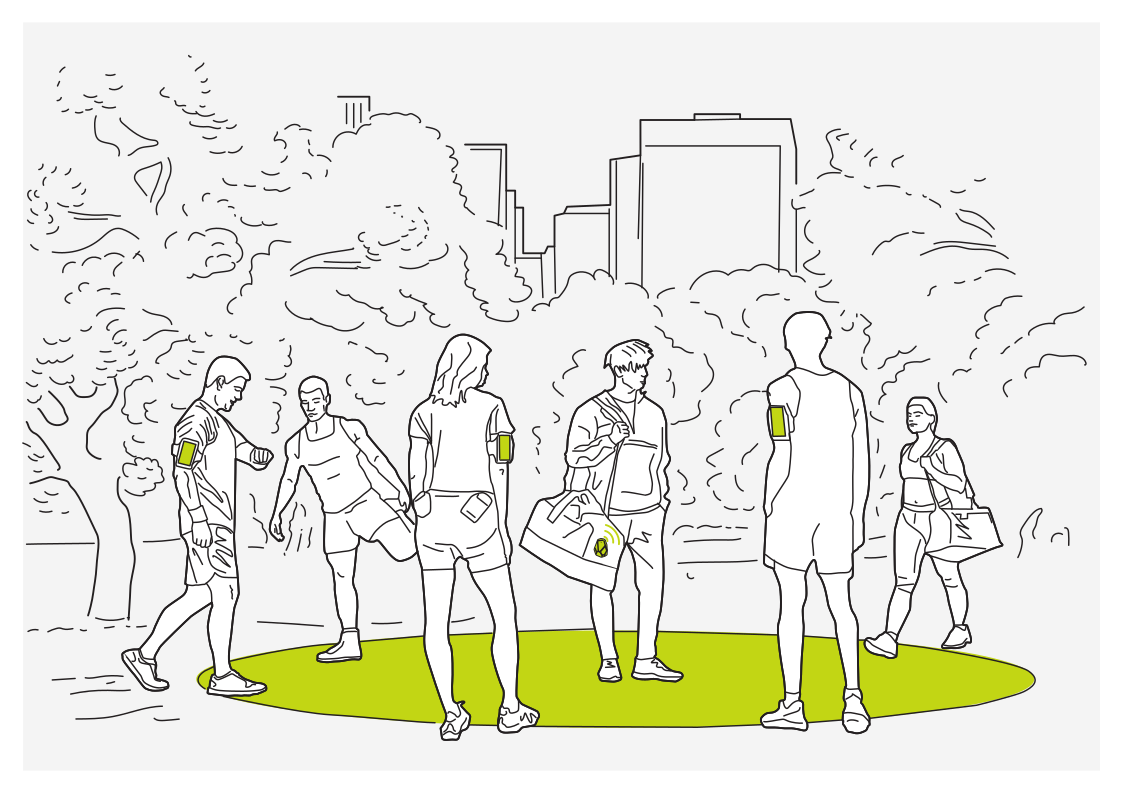
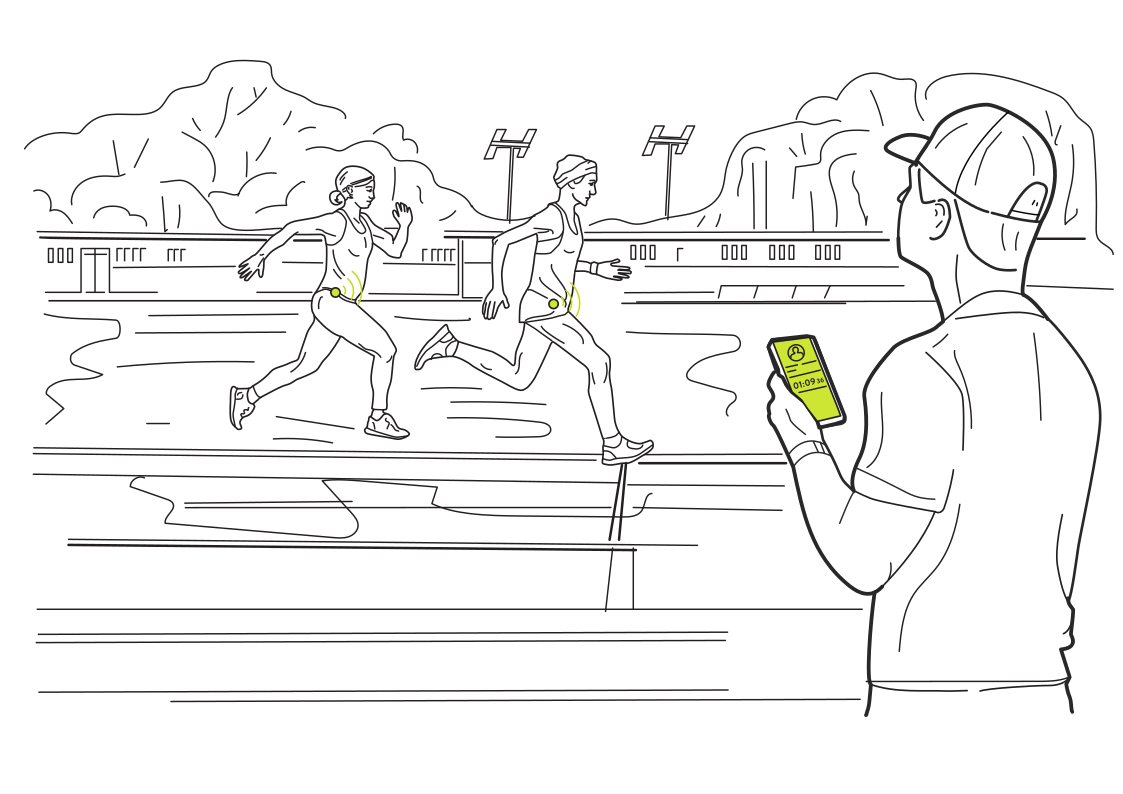
Explore how location data can enrich a training session. Compatible UWB devices and an equipped practice area can support movement analysis. Connect the observations to coaching software, with wearables offering simple athlete check-ins.
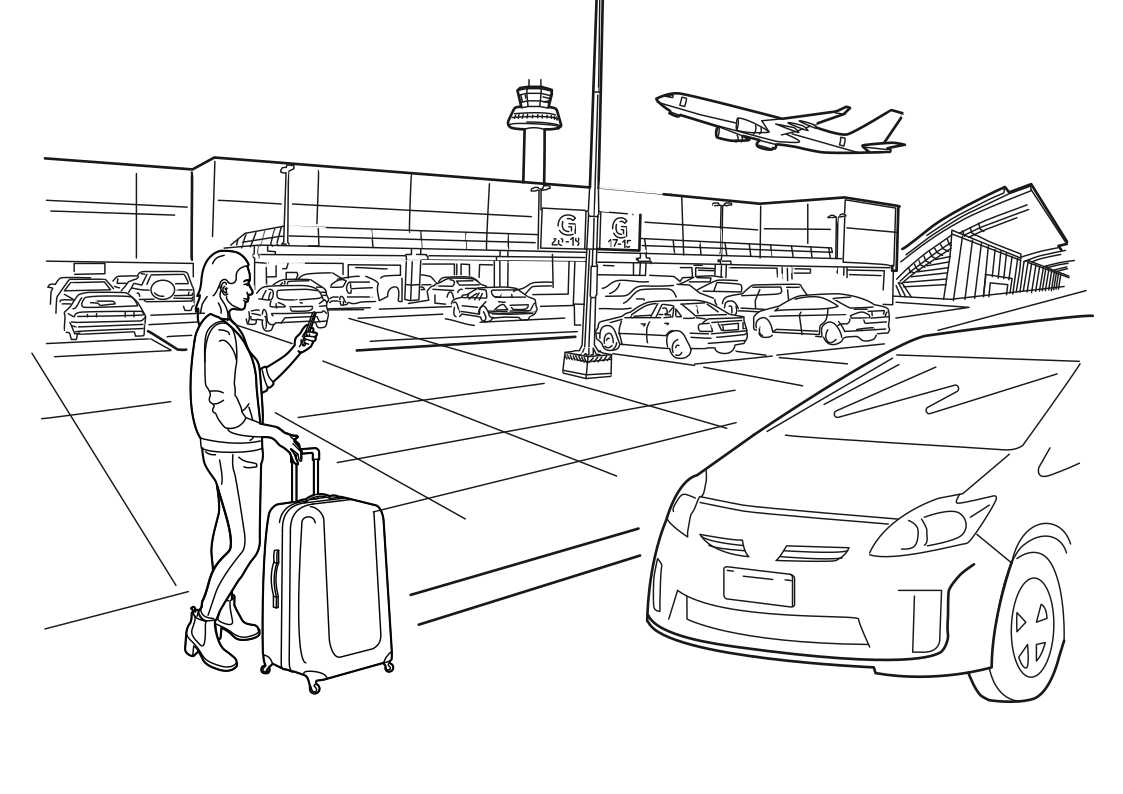
Help arriving passengers find their way through the parking area. Combine saved parking details with Bluetooth landmarks or UWB guidance in equipped zones. Keep the route connected to terminal exits and parking-level maps.
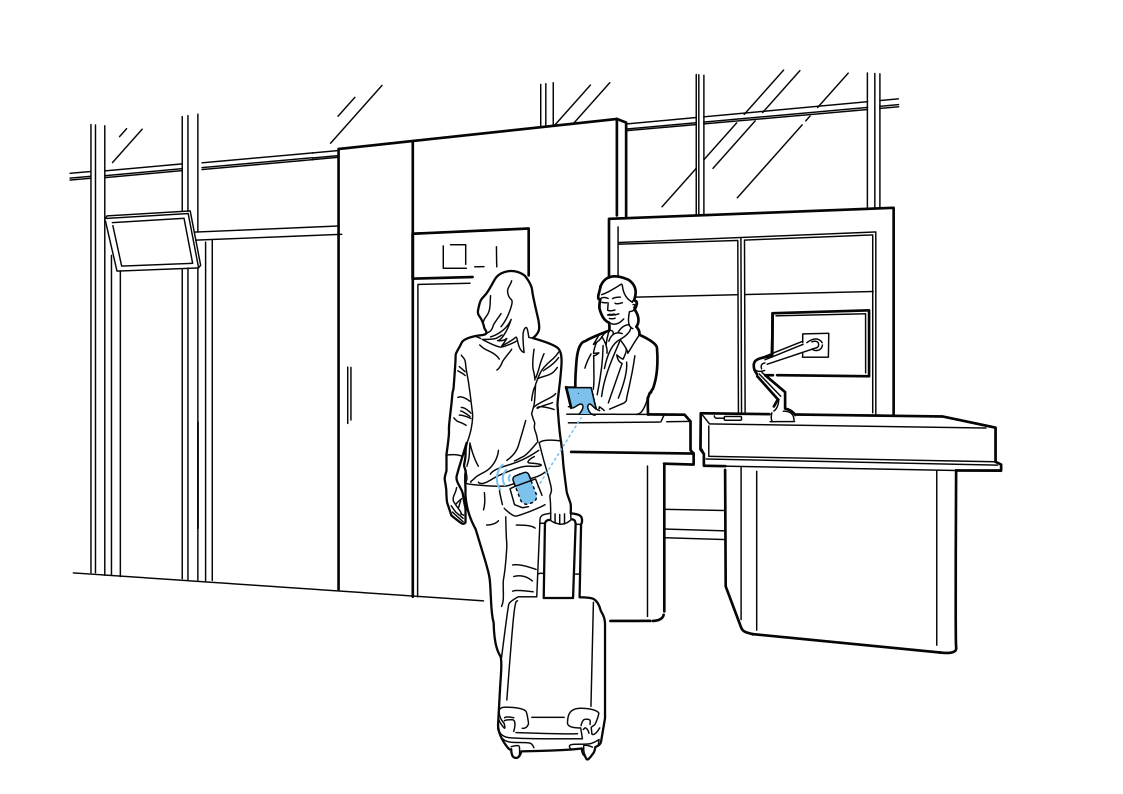
Help travelers reach the counter for their flight. A nearby beacon can identify the desk, while indoor positioning guides them through the terminal. Connect that place context to the airline's own check-in information.
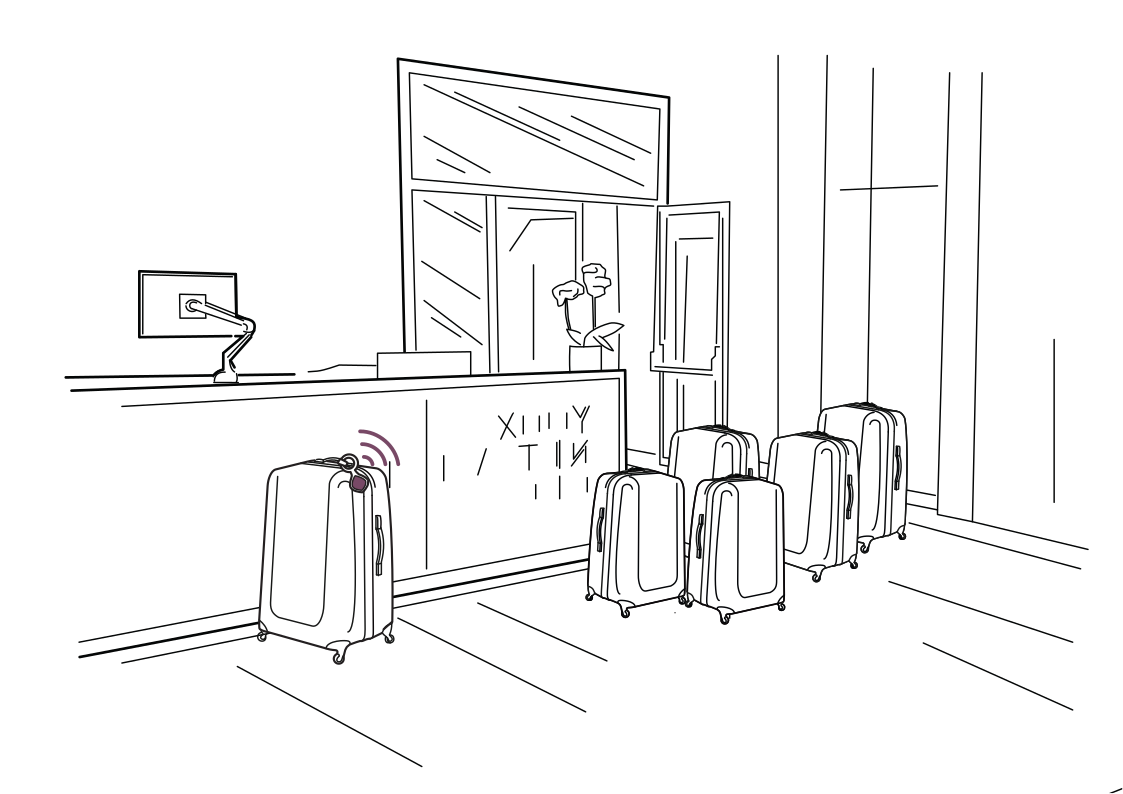
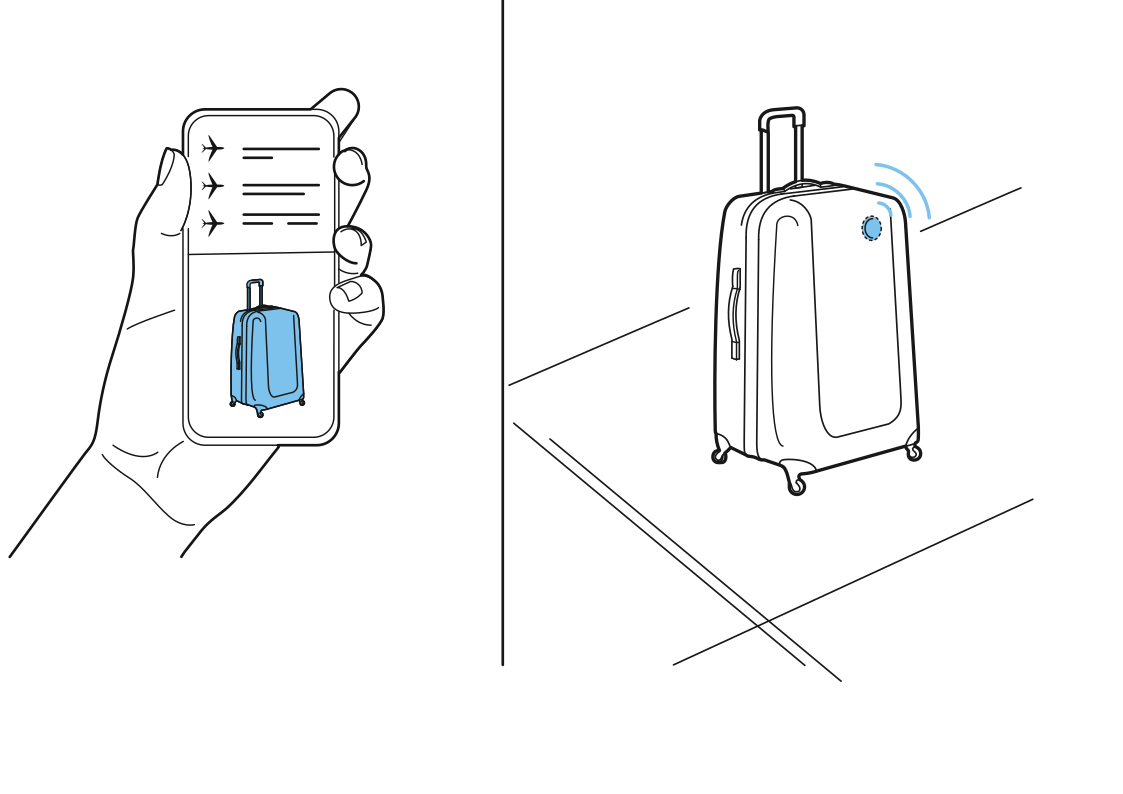
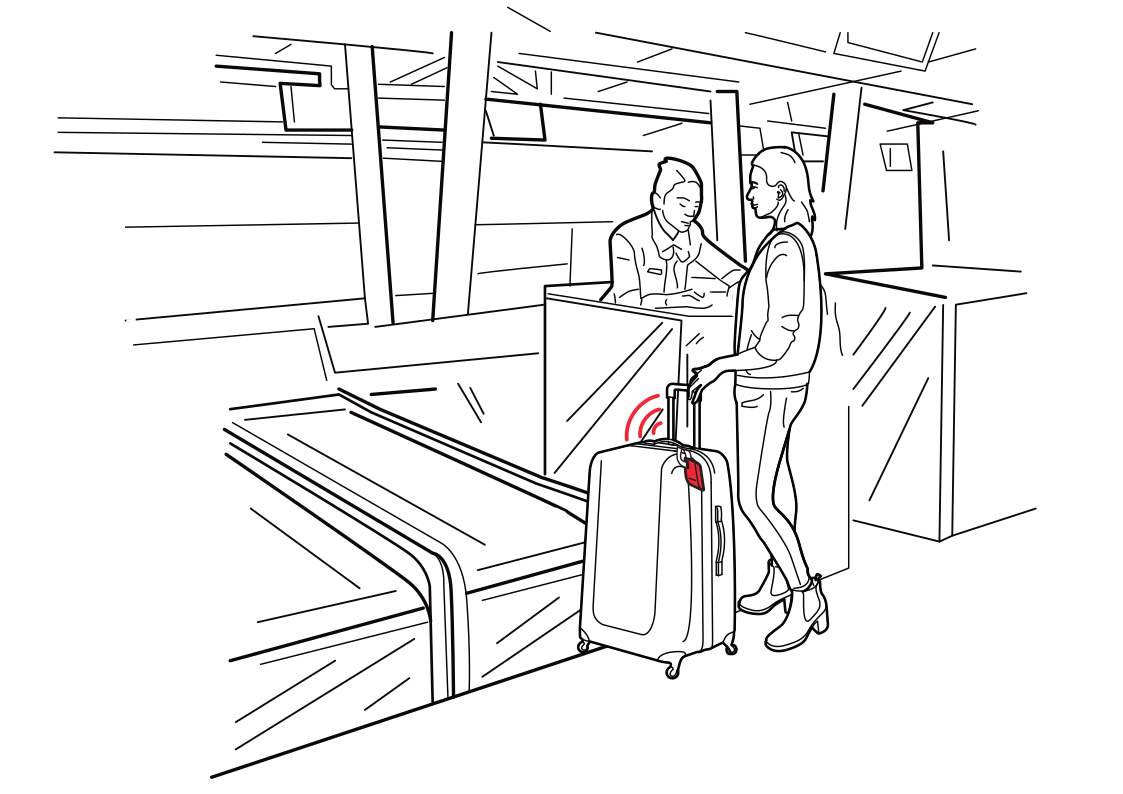
Give luggage a Bluetooth identity linked to a trip record. Detections from participating receivers can add last-seen updates to the passenger app. Connect those events to your baggage workflow so travelers have useful information during the journey.
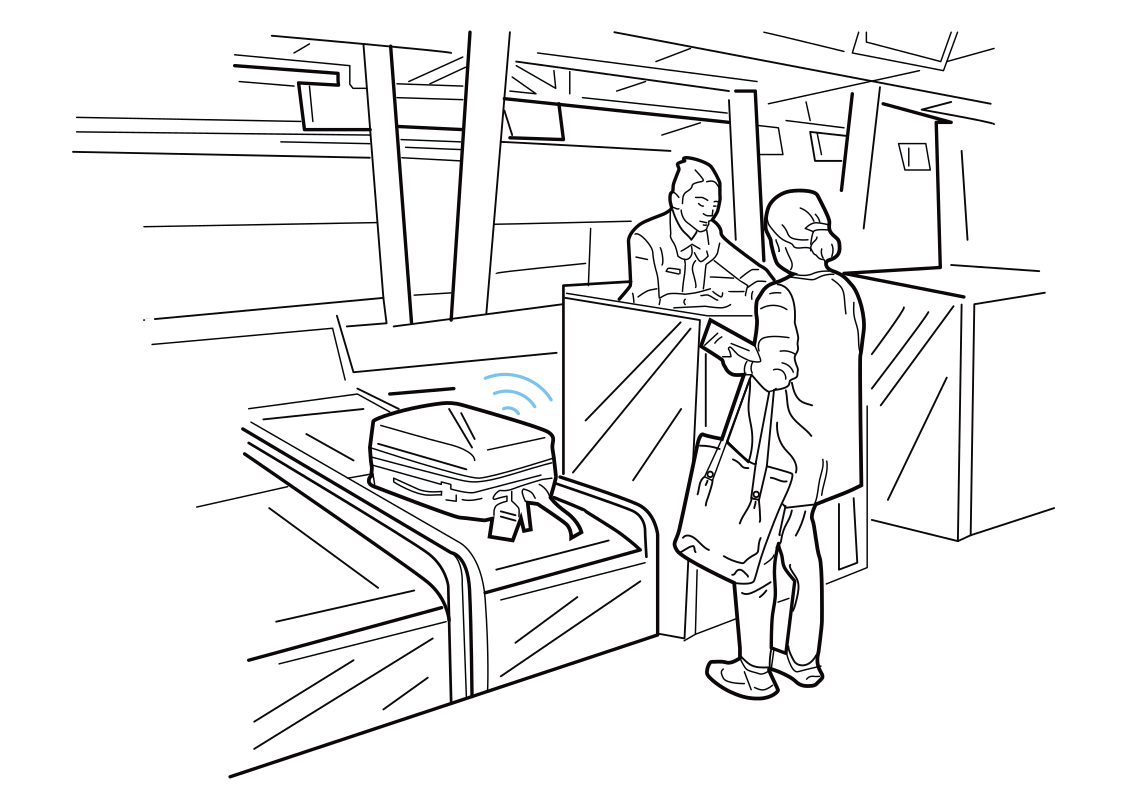
Turn bag drop into a recorded handoff. A Bluetooth tag identifies the suitcase at an equipped desk, and your software links the event to the baggage record. Share updates with the teams handling the next stage.
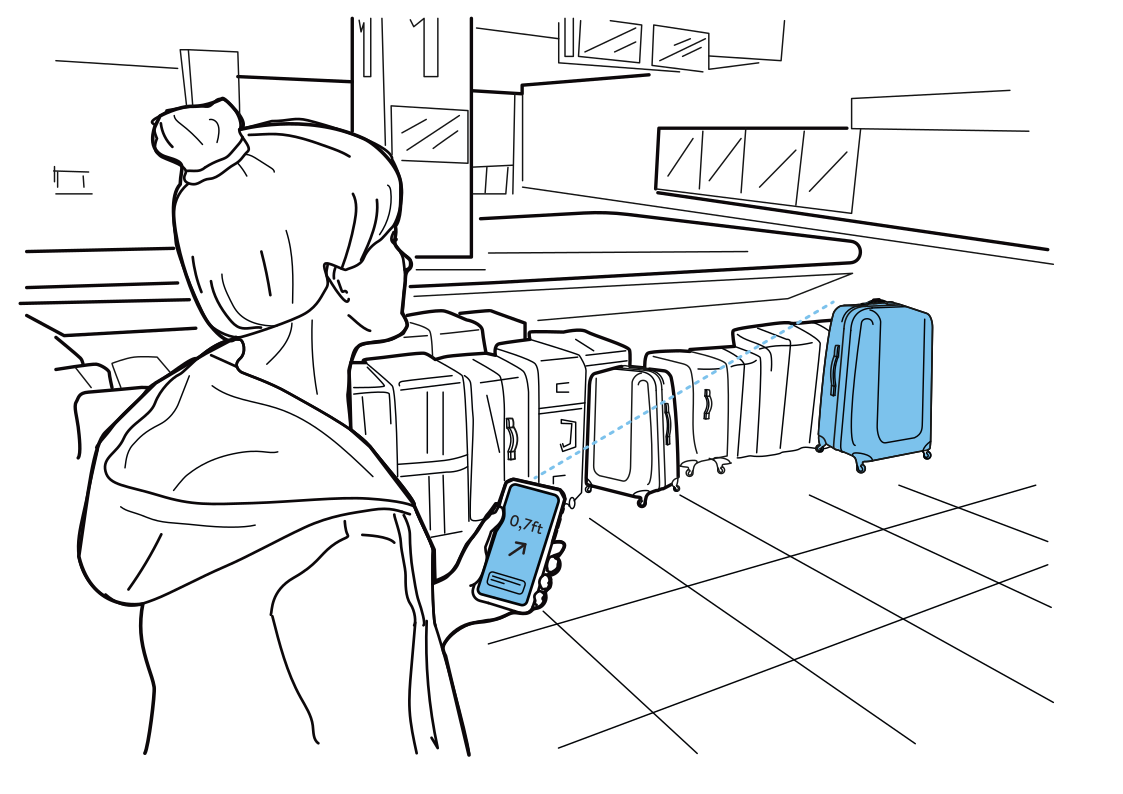
Help travelers recognize their luggage among similar cases. A nearby Bluetooth detection can tell an app the tagged bag is within range. Connect that signal to the baggage record for a more useful collection experience.
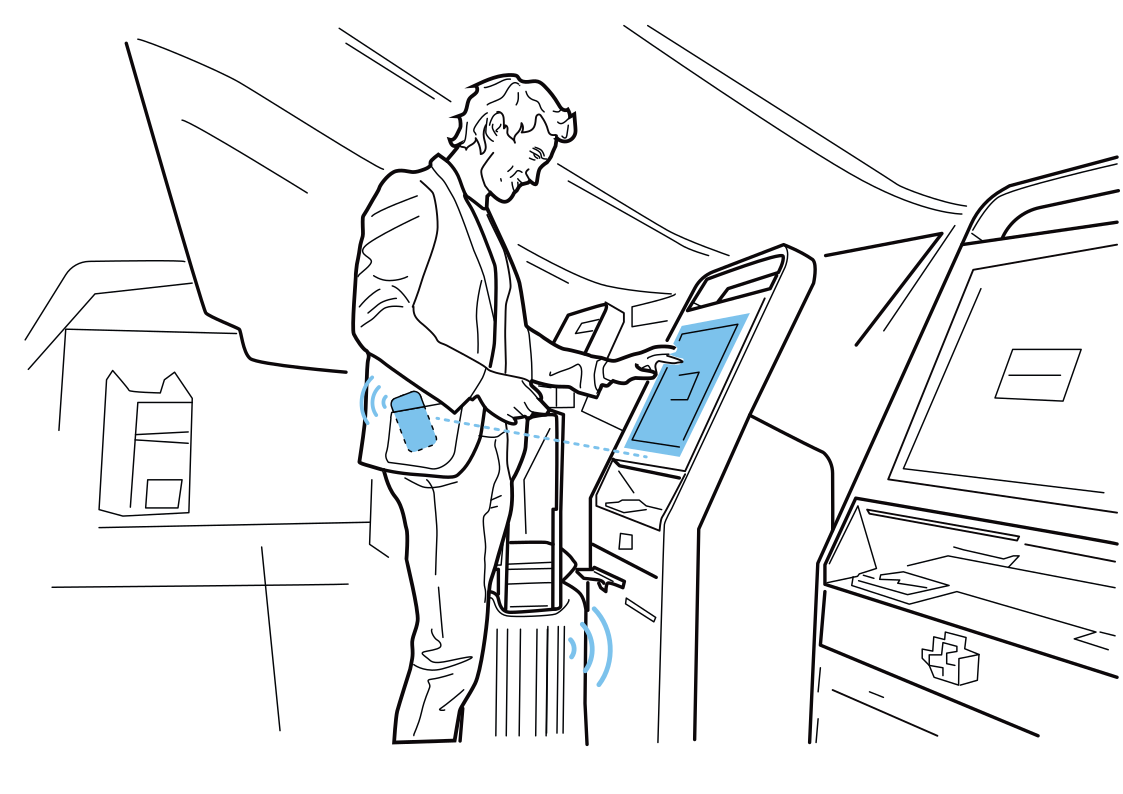
Let a passenger app recognize the kiosk in front of them and continue the right workflow. Beacons add station context; radar can detect an approach to wake the screen. Keep booking and identity checks in the airline's systems.
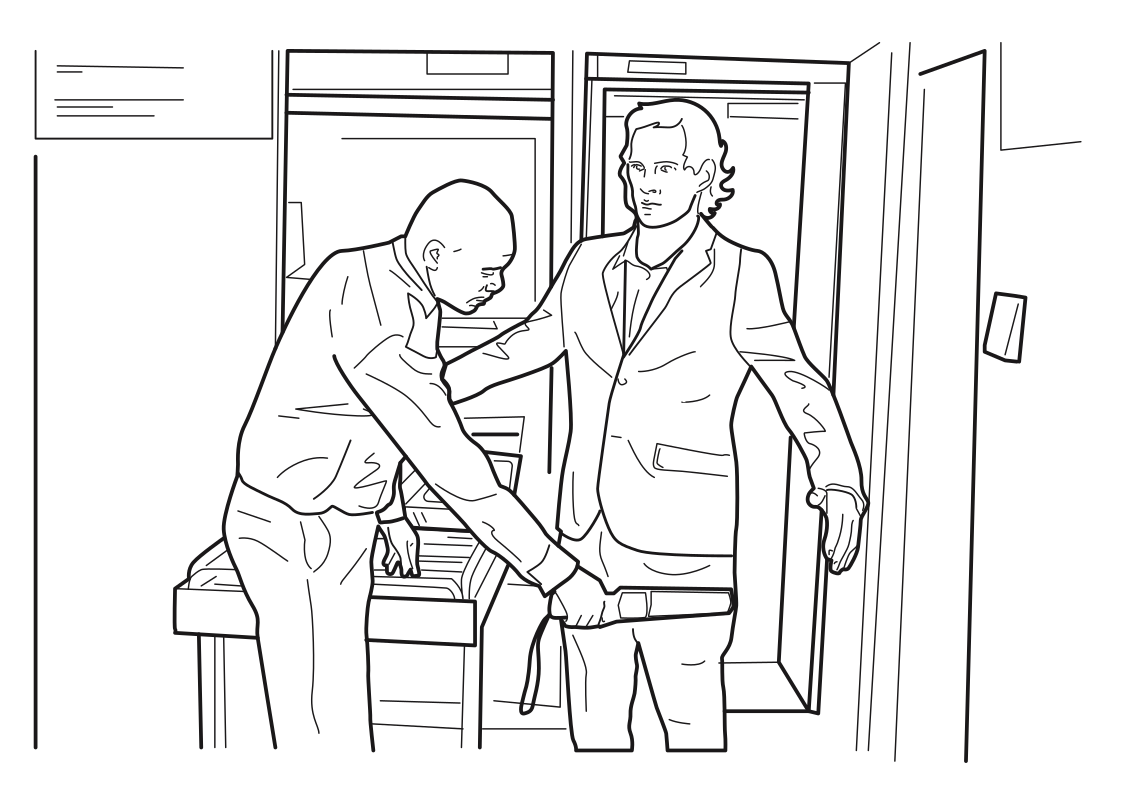
Help travelers understand the next step at the security checkpoint. A nearby app can offer preparation instructions, while staff wearables support requests for assistance. Radar can add checkpoint activity signals to the operational view.
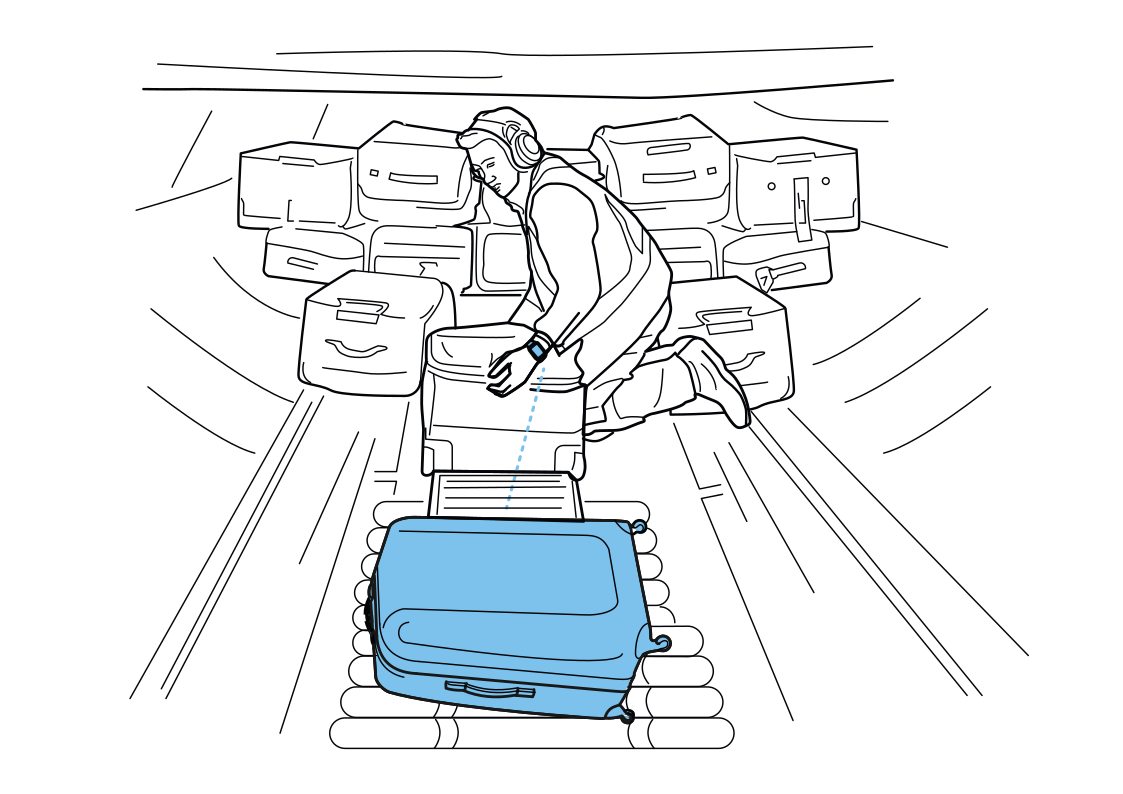
Give handlers a starting point when a bag needs to be retrieved. Bluetooth tags and equipped-area receivers provide last-seen updates. Connect them to the baggage record so staff can narrow the search before loading continues.
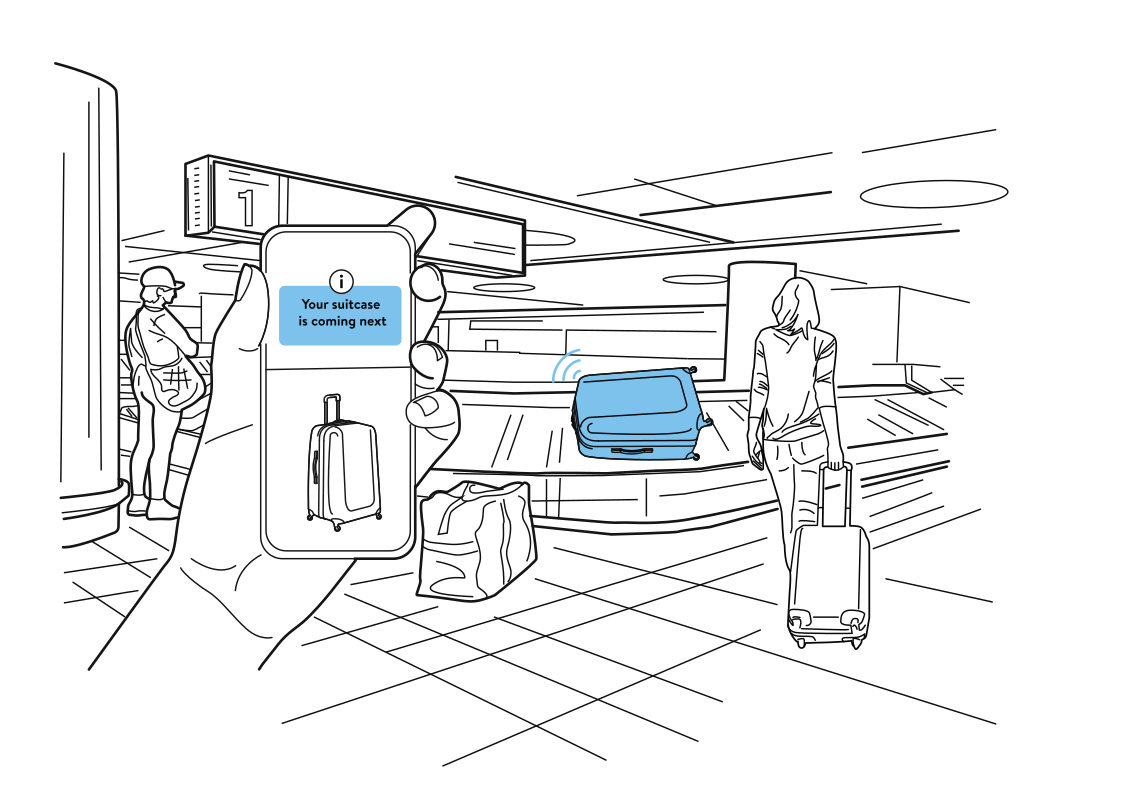
Let passengers know when their tagged bag is detected near an equipped carousel. Connect Bluetooth receiver events to the baggage app and show the collection point. Make waiting more informative without asking travelers to watch every suitcase.
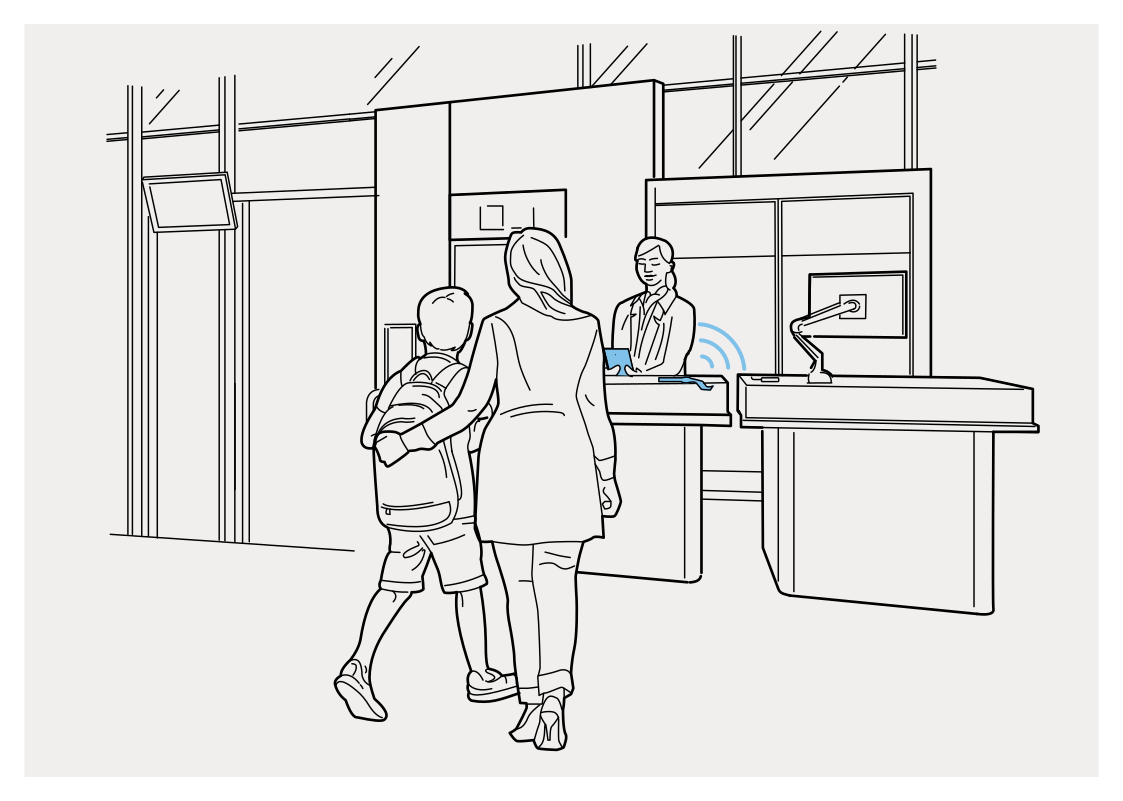
Give families clearer guidance at the airport desk. A nearby beacon helps an app recognize the counter, and a connected wearable can support a child's assistance request. Link these interactions to the airline's family-service workflow.
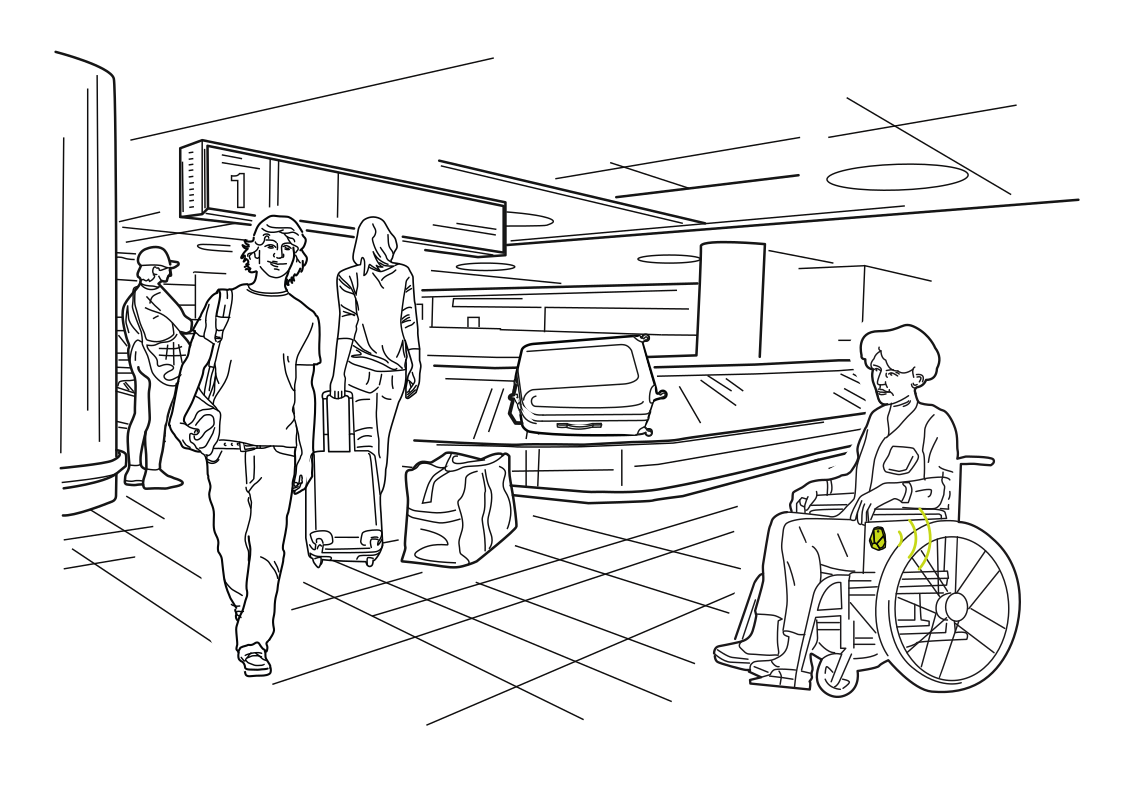
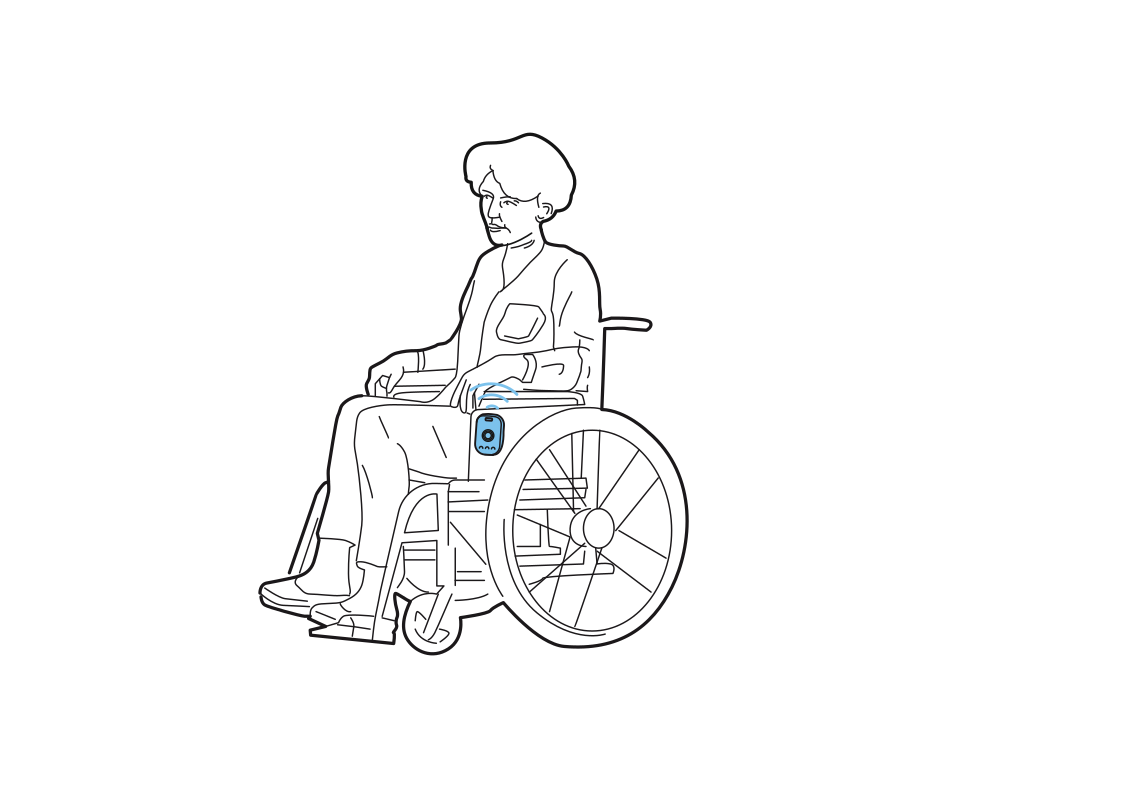
Give wheelchair users a dedicated way to request support. A wearable button sends the request to your service workflow, with nearby Bluetooth landmarks adding place context. Help staff coordinate the response without requiring a smartphone.
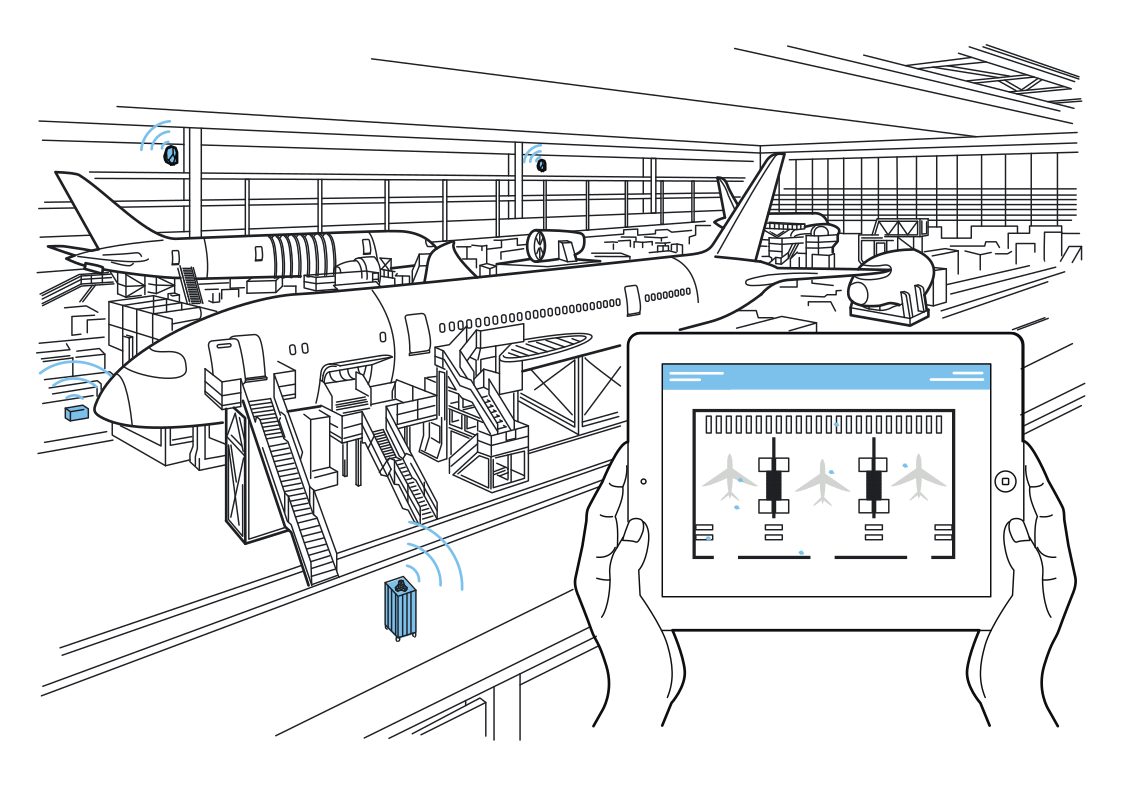
Help airport teams locate equipment around the terminal. Tag movable assets and connect detections from equipped areas to an operations map. Give crews wearable buttons to confirm availability or ask for the next piece of equipment.
Make queue conditions visible to airport teams. Radar can add activity signals near desks, while Bluetooth landmarks identify the service area. Connect those observations to counter status so your app can suggest where travelers should go next.
Record when a tagged suitcase reaches an equipped check-in area. Bluetooth detections provide the place event; your baggage system decides how to update its status. Share that handoff with staff and the passenger app.
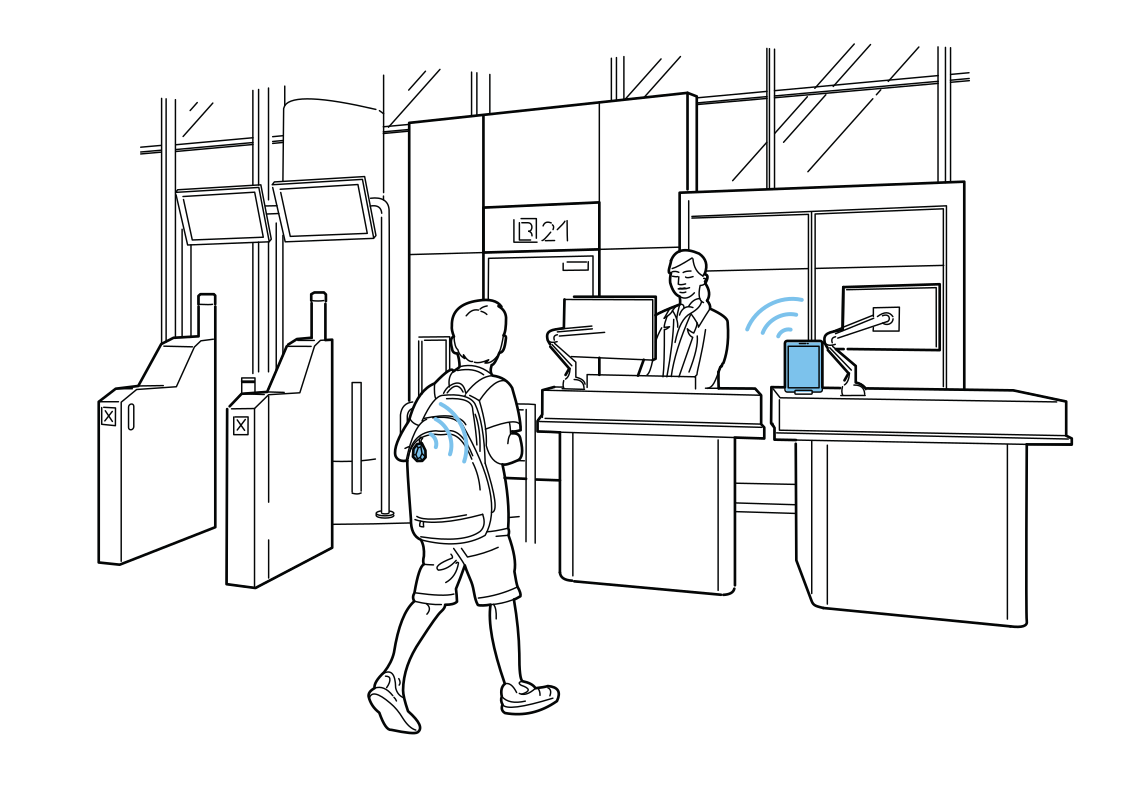
Turn gates, service desks, and junctions into recognizable places for an app. Install beacons for nearby context or UWB anchors for compatible-phone positioning. Connect the infrastructure to terminal maps and passenger services.
Bring an exhibit's background to a visitor's phone as they approach. Beacons identify nearby points of interest, and UWB can refine gallery position. Link that context to text, audio, or an accessible version of your collection story.
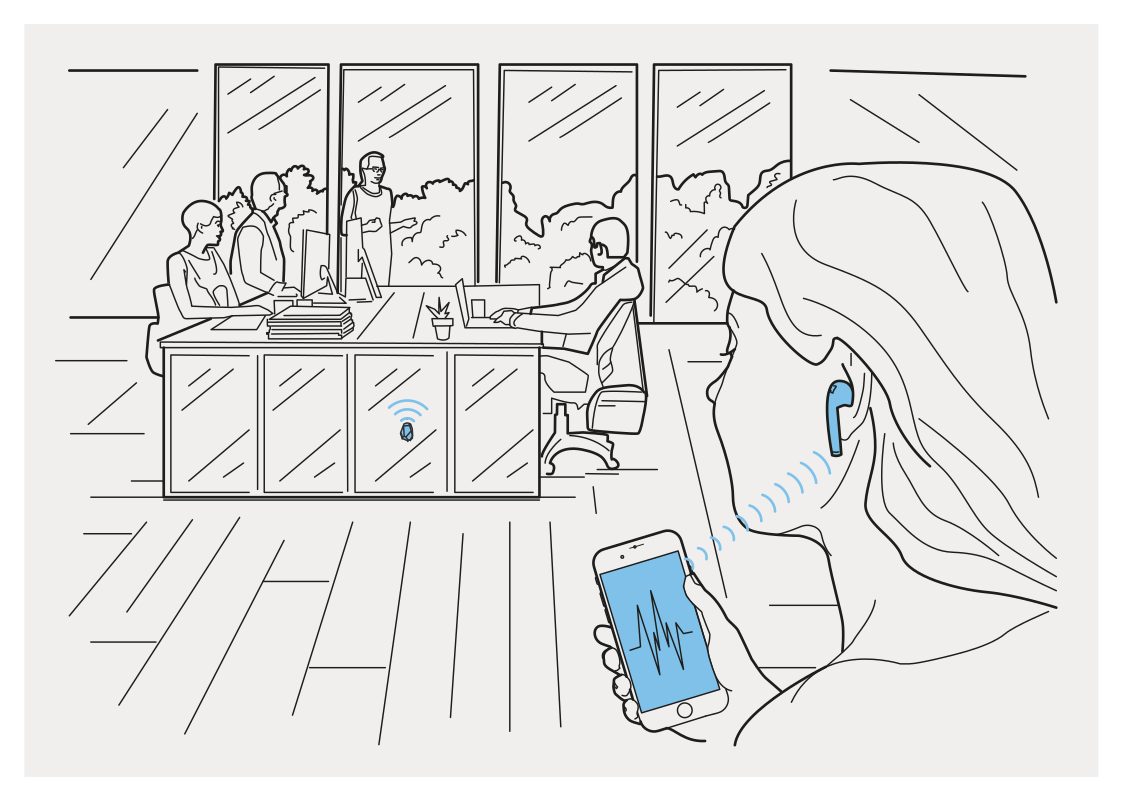
Let a workplace guide offer useful audio when someone reaches a room. Beacons identify nearby places, while UWB can refine positioning on compatible devices. Connect location to your content app for tours, room instructions, or accessibility support.
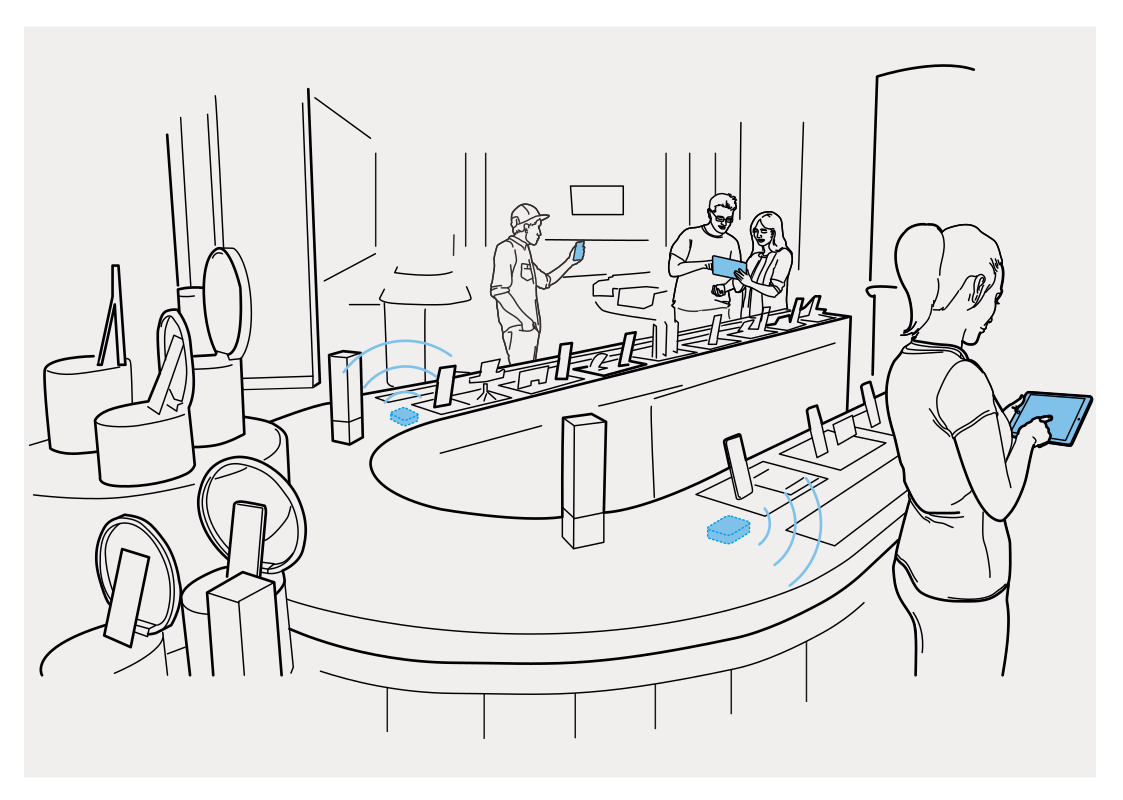
Help shoppers explore devices on display with information on their own phones. Beacons provide nearby product-area context; radar can wake a screen when someone approaches. Connect the signals to demos, comparisons, or a request for assistance.
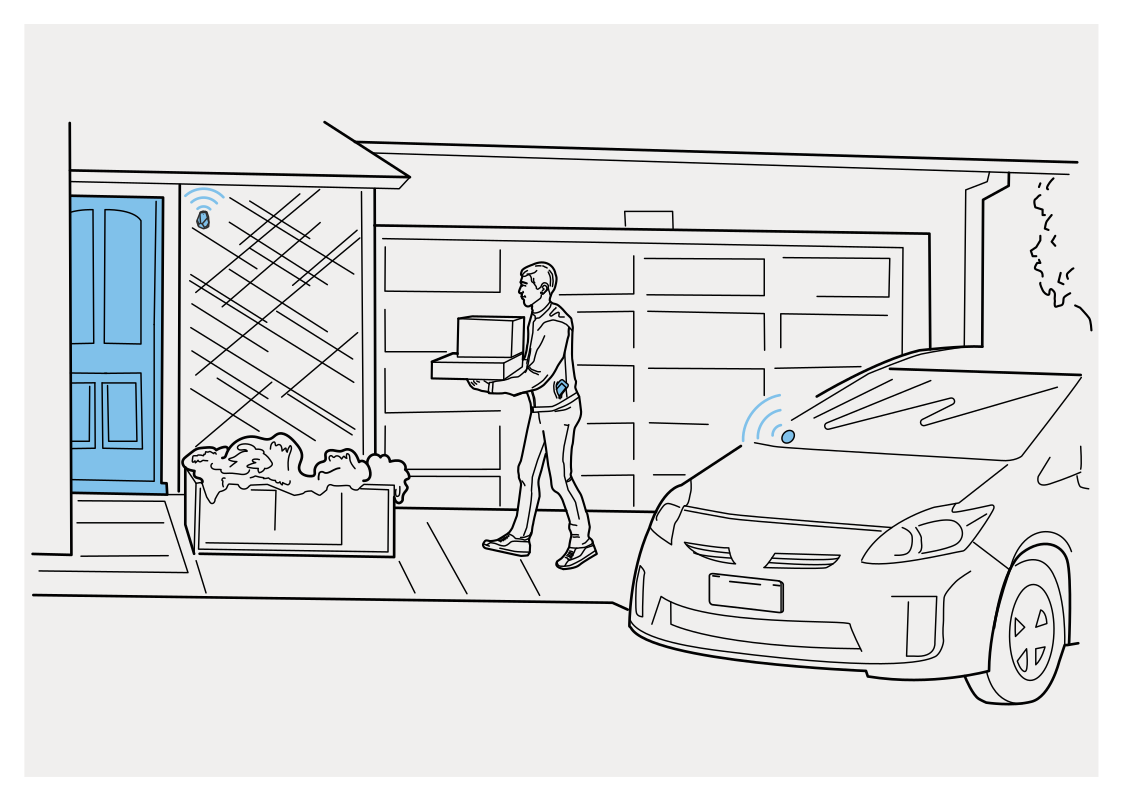
Help a driver recognize the delivery entrance and record a handoff. Beacons provide local place context, while a wearable button can confirm a completed stop. Connect these events to the delivery app and its existing proof-of-delivery process.
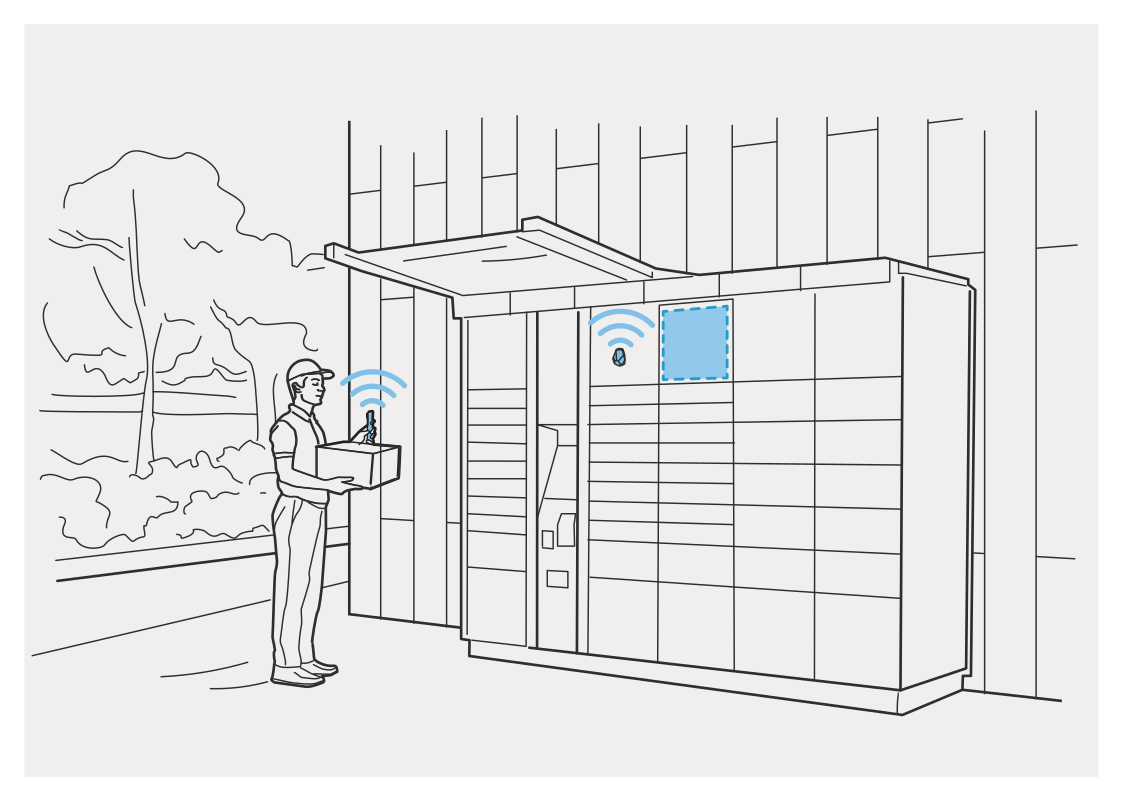
Make a locker bank recognizable to a courier or customer app. Beacons provide nearby context and UWB can guide compatible phones through a larger site. Connect location to the locker system, which handles authorization and compartment access.
Help delivery teams distinguish the correct entrance at a property. A beacon can give the app a recognizable arrival point. Connect that context to delivery instructions and let a wearable button record completion or a request for support.
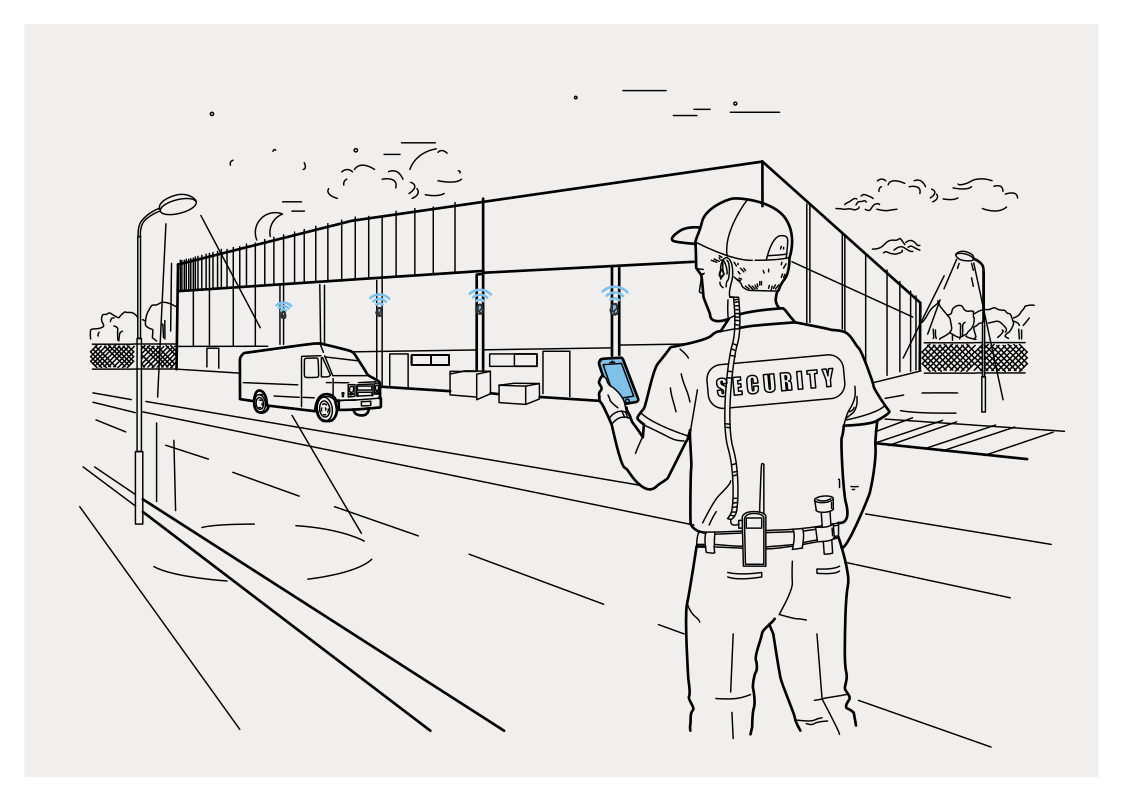
Give security teams a straightforward way to confirm a patrol stop. Beacons identify checkpoints, and connected wearables provide a check-in or assistance button. Share the events with supervisors coordinating coverage across the site.
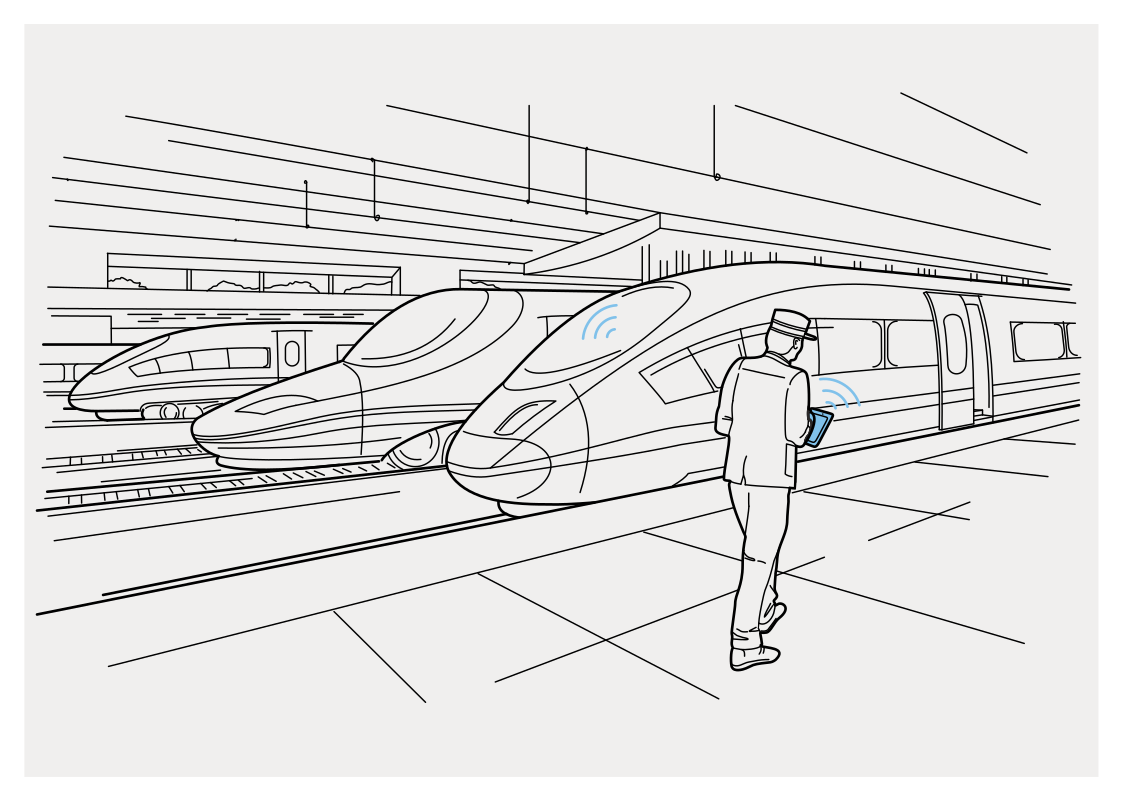
Help station staff recognize the train or platform area they are checking. Beacons provide nearby context, and wearable buttons can confirm a task. Connect the events to inspection records and the team coordinating station operations.
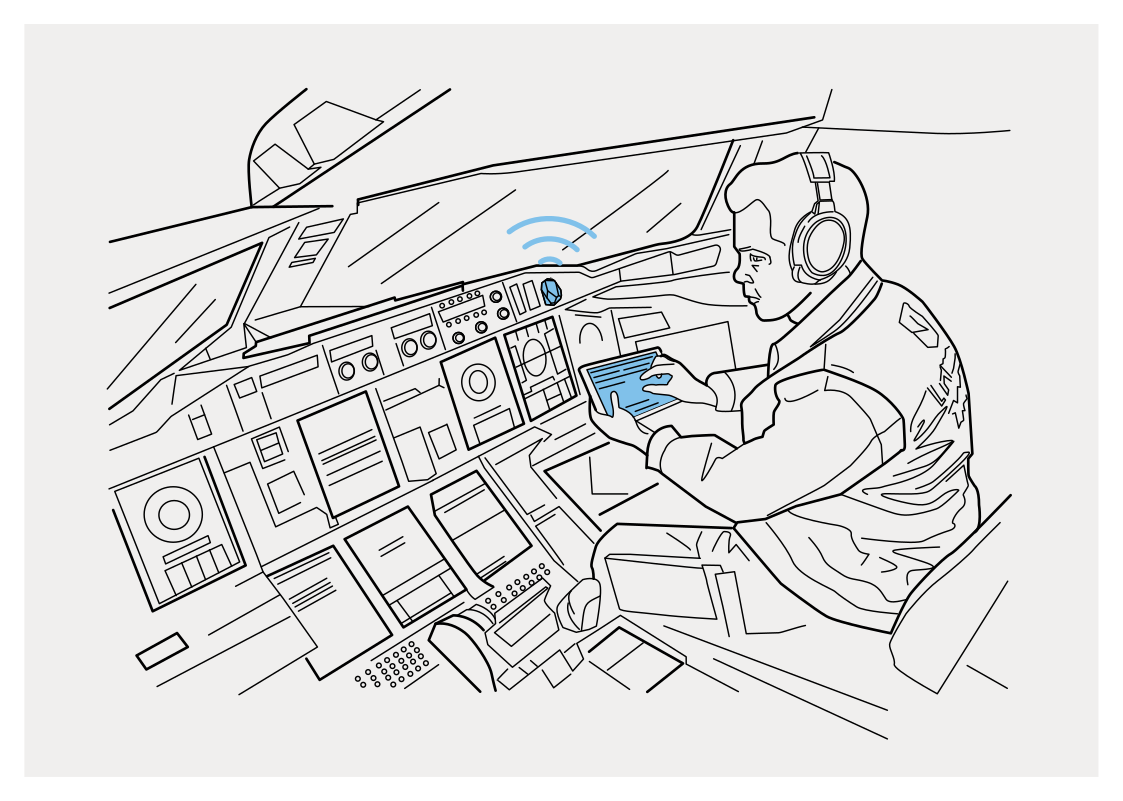
Let a maintenance app recognize the aircraft work area and offer the relevant checklist. Beacons add place context, while a connected wearable can confirm a step or request support. Keep inspection decisions in the approved maintenance workflow.
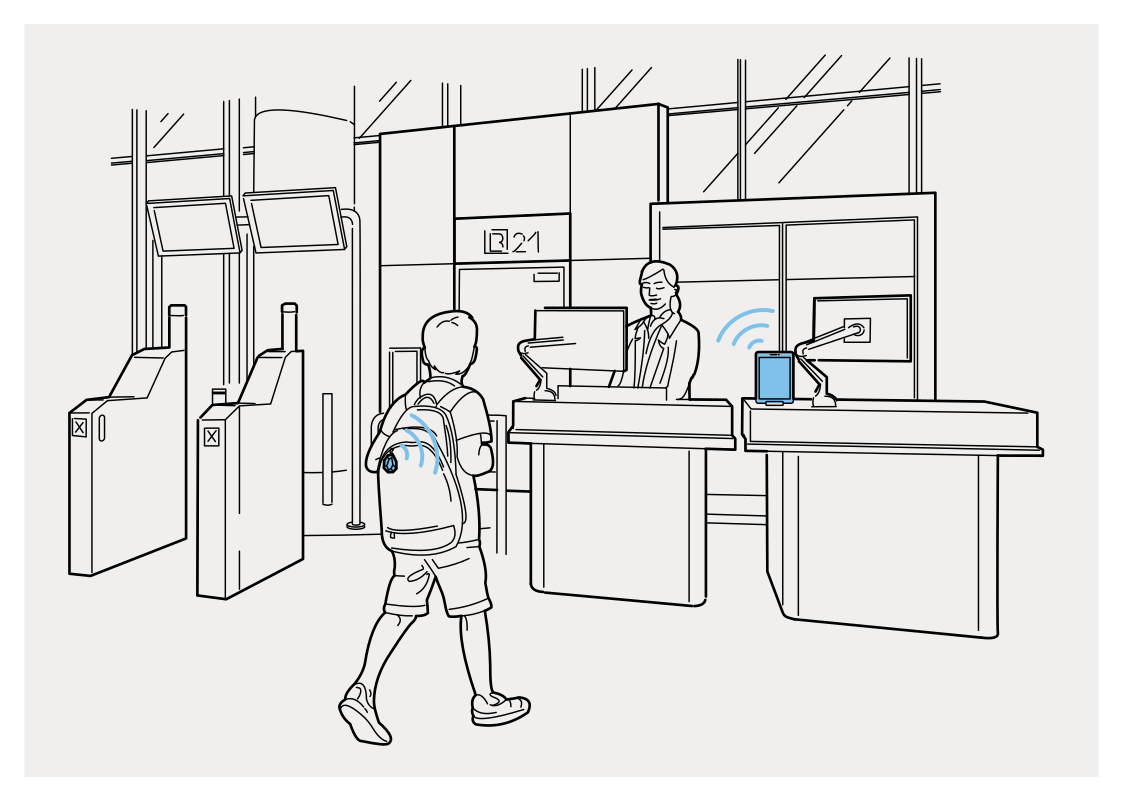
Make the airport desk easier to recognize for a traveling child. A nearby beacon can identify the counter, while a wearable offers a simple assistance button. Connect these interactions to the airline's existing accompanied-travel workflow.
Help staff coordinate passengers who need extra assistance at boarding. Wearable check-ins and nearby beacons add place context to the handoff. Keep identity and ticket verification in the airline system while sharing the service event.
Let an approaching traveler request support through a nearby app. Beacons identify the desk, while radar can detect activity in the waiting area. Connect those events to the service queue so staff can prepare for the next visitor.
Connect hospital-bed location to the operational record. Bluetooth tags and equipped-area receivers can show where a bed was last detected. Combine that context with availability and cleaning status from the hospital's existing systems.
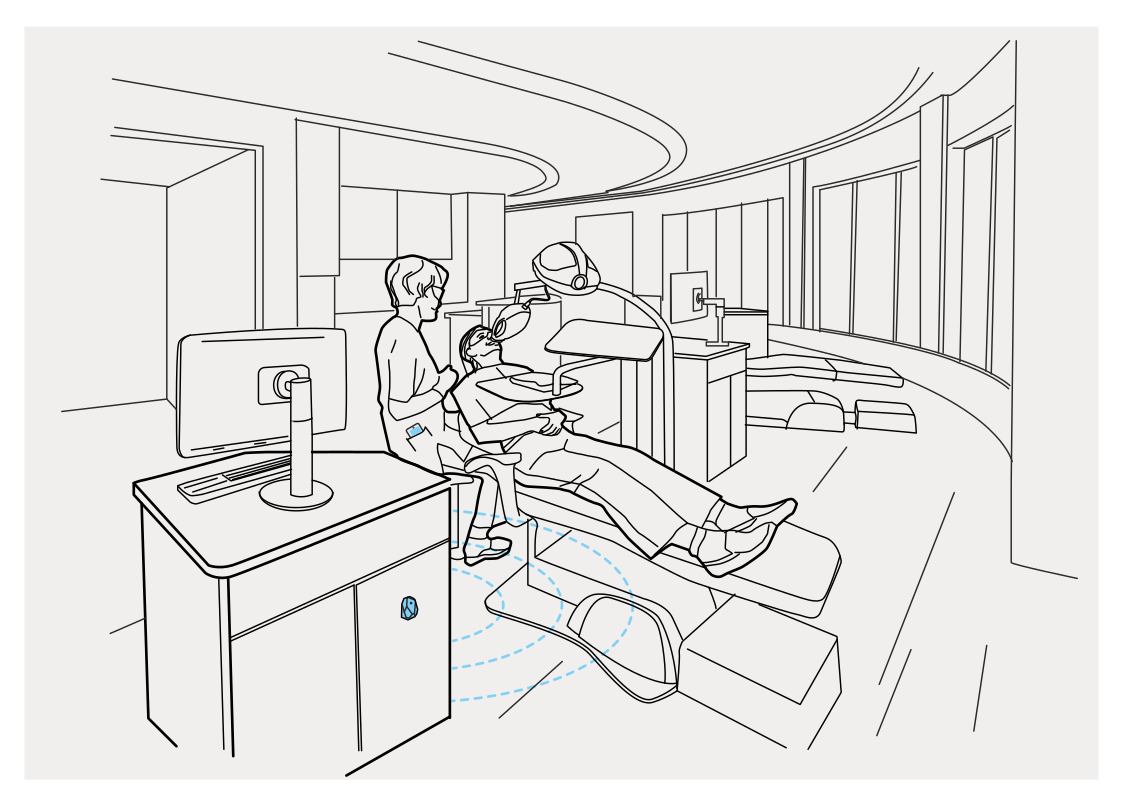
Help dental teams understand which rooms are in use and ready for the next appointment. Radar provides presence signals, while beacons identify the room for nearby apps. Connect those events to scheduling and turnaround tasks.
Help a busy clinic follow animals between reception and treatment. A suitable Bluetooth tag on a carrier or collar provides identity at equipped areas. Bring last-seen updates into the clinic's coordination view.
Understand activity across event zones without relying on camera images. Radar can add presence signals, while opt-in wearable check-ins support participant services. Combine the events with the venue plan to coordinate staffing and meeting points.
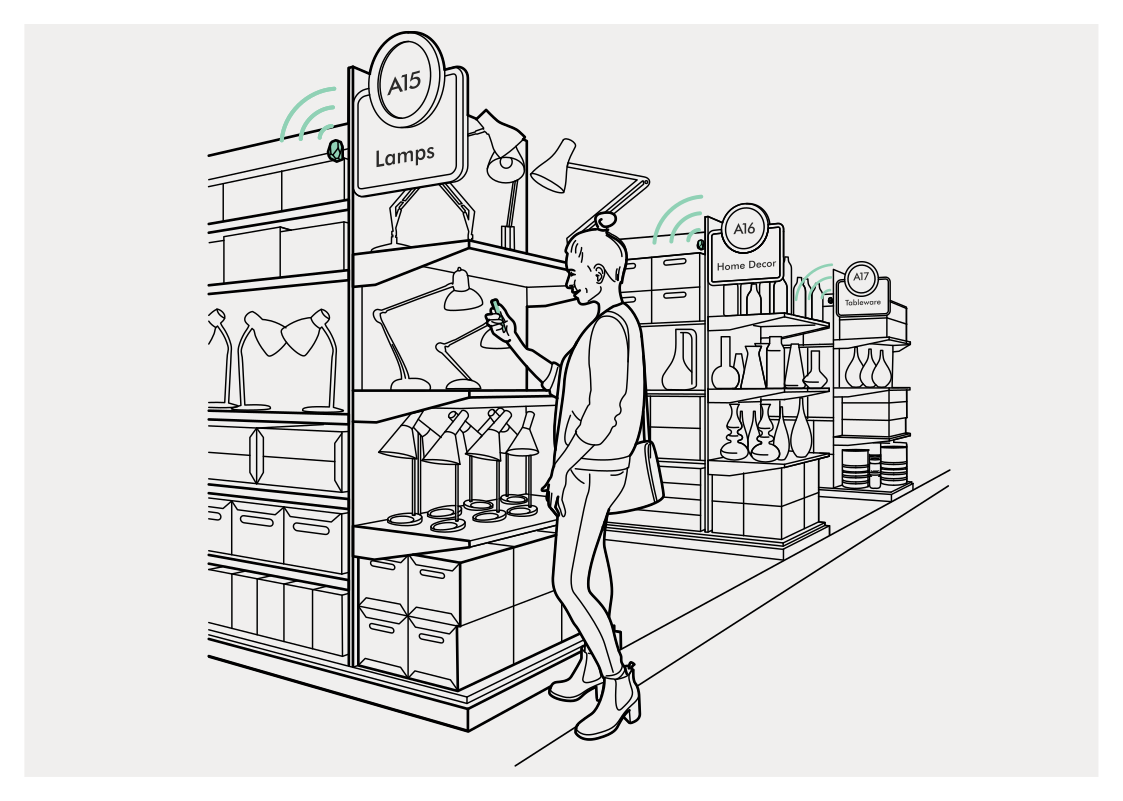
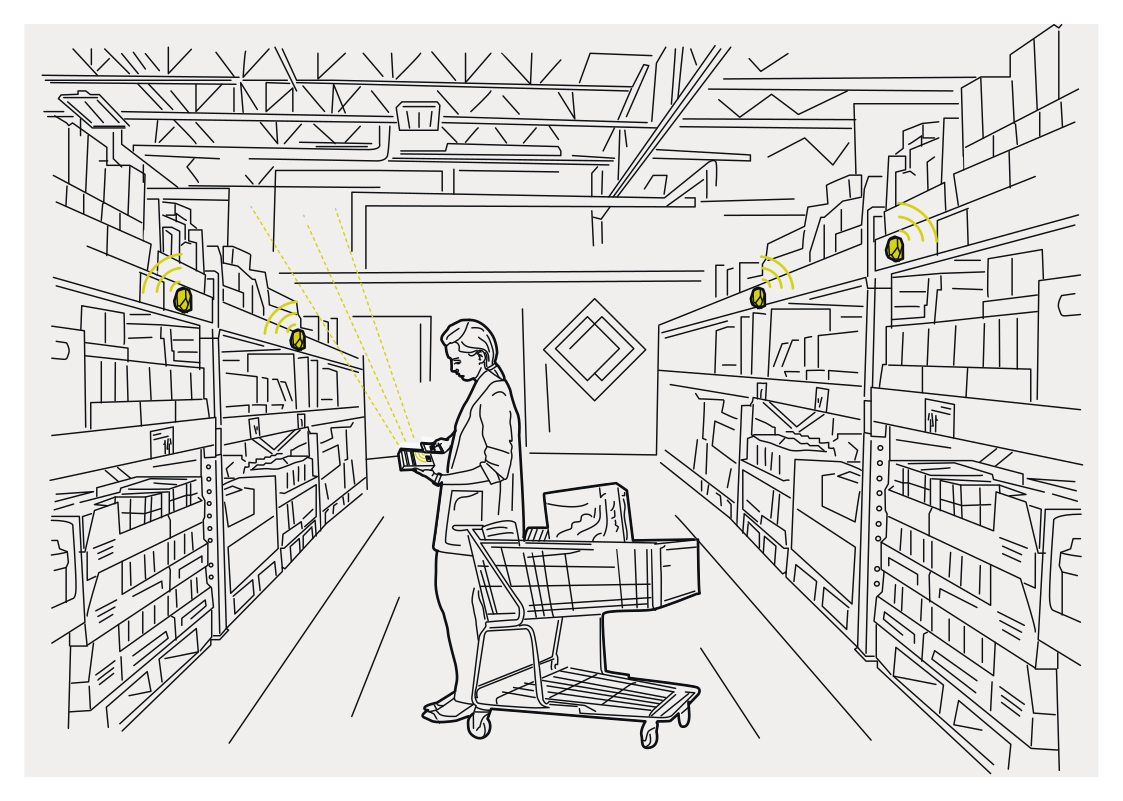
Turn aisle markers into useful app landmarks. Beacons can identify the nearby department, while UWB can guide a compatible phone along a store route. Connect that context to product information and the shopper's list.
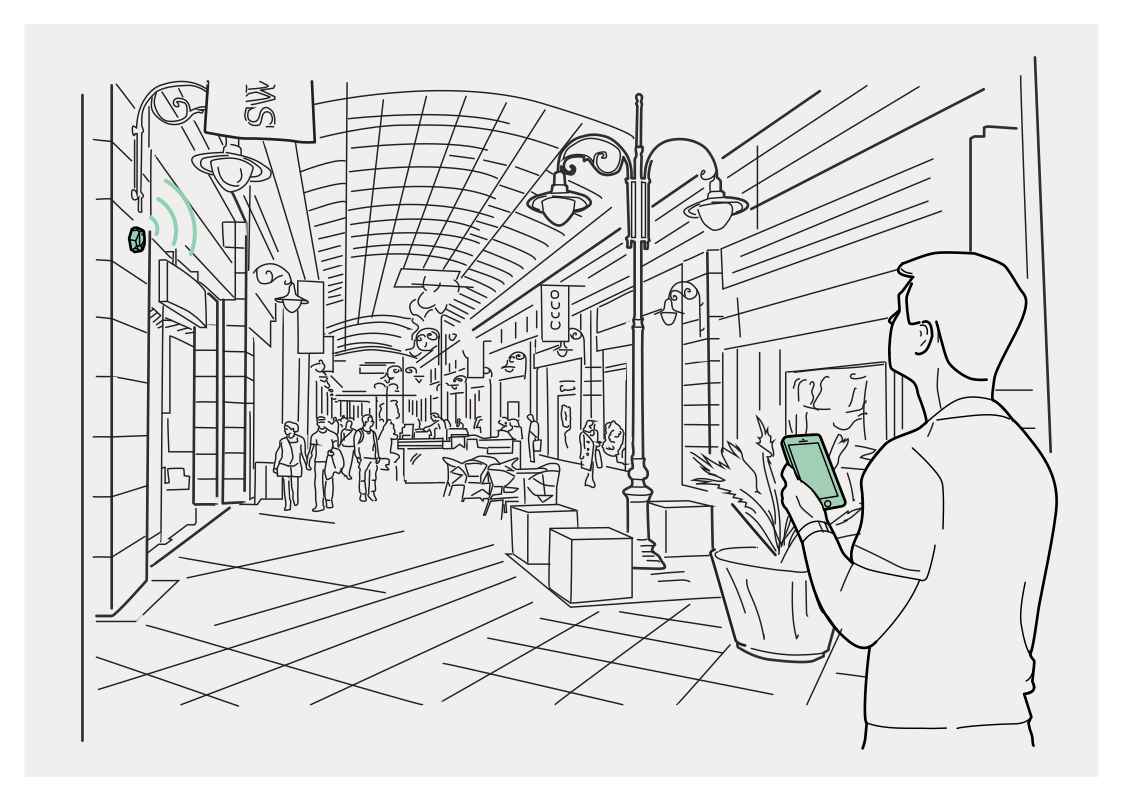
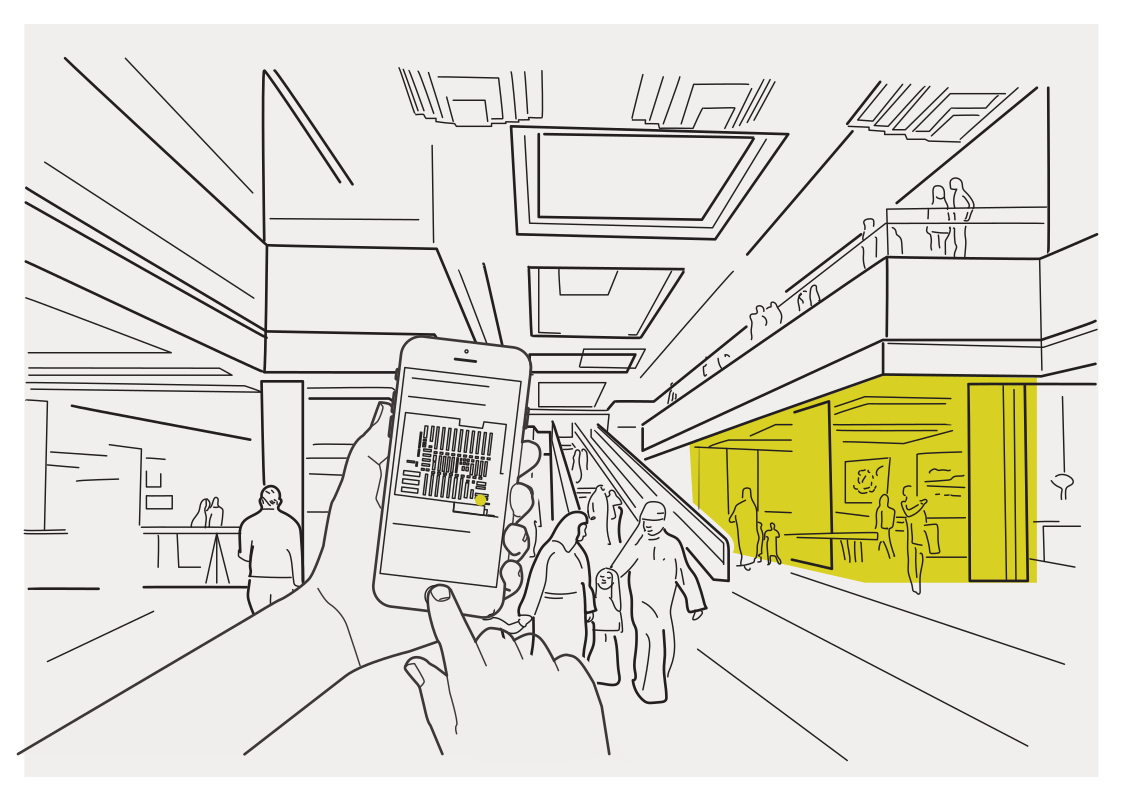
Help visitors find stores and services without stopping at every directory. Connect a shopping-center map to Bluetooth landmarks or UWB positioning. An opted-in app can offer directions and relevant information as people move through the venue.
Let travelers choose to receive relevant information near a terminal shop. Beacons give the app local context; radar can help operators understand activity around the entrance. Connect content to the store's offers and opening hours.
See when the entrance is busy and where staff support may be useful. Radar can provide presence and movement signals, while beacons identify the area for connected apps. Use the combined view to plan service and staffing.
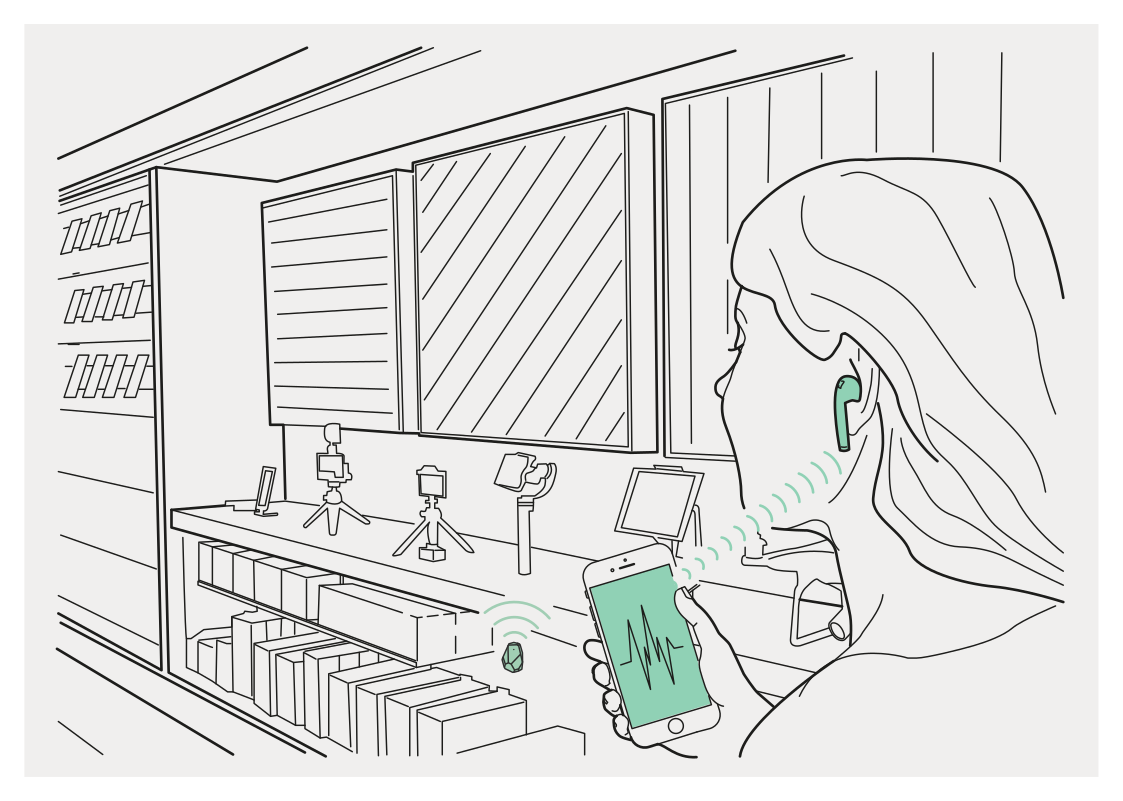
Let shoppers hear a demonstration or explanation on their own phones. Beacons identify nearby displays, and UWB can refine position where needed. Link each area to your audio or video content and let the visitor choose what to play.
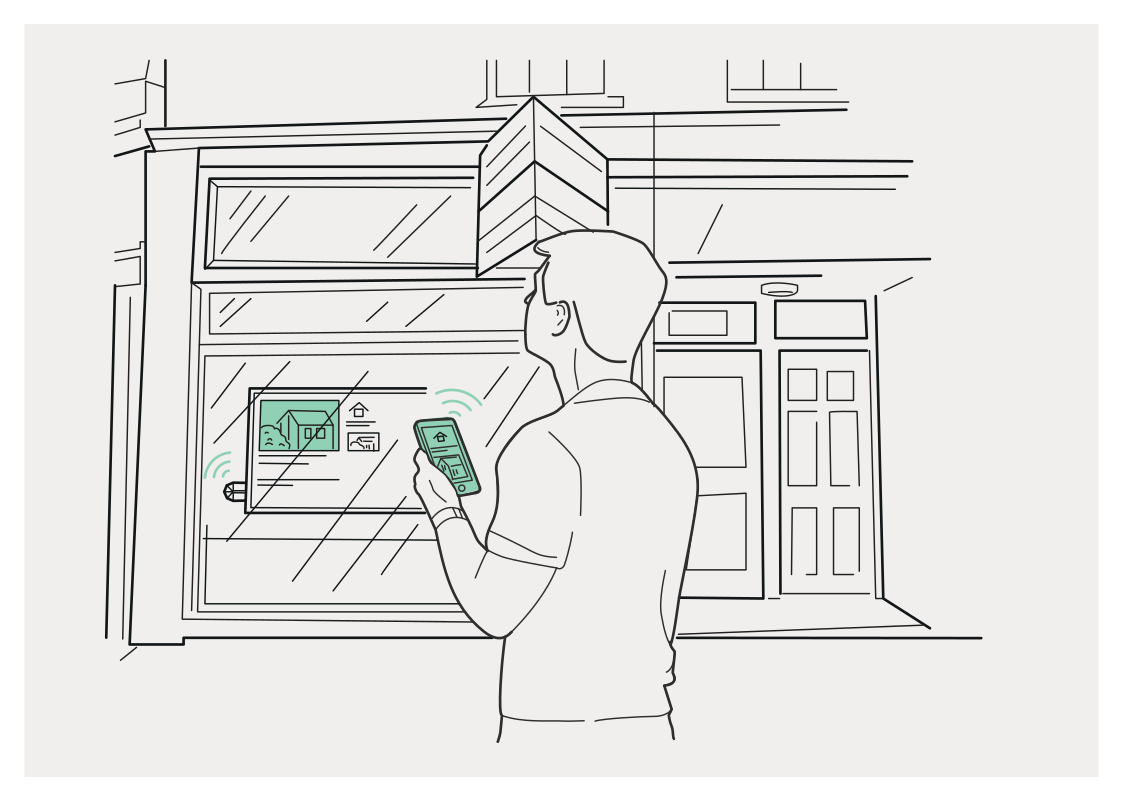
Make a property listing easy to discover on a nearby app. Beacons provide location context, while radar can wake an interactive window display. Connect visitors to listing details or a viewing request through the agency's software.
Bring useful venue information to people while they wait. A beacon can identify the lounge for an opted-in app, and radar can add occupancy signals. Connect local content and service updates to the space.
Help visitors explore a collection in their own order. Bluetooth landmarks can suggest nearby exhibits, while UWB provides finer location context. Connect each stop to audio, text, and accessible content in the museum app.
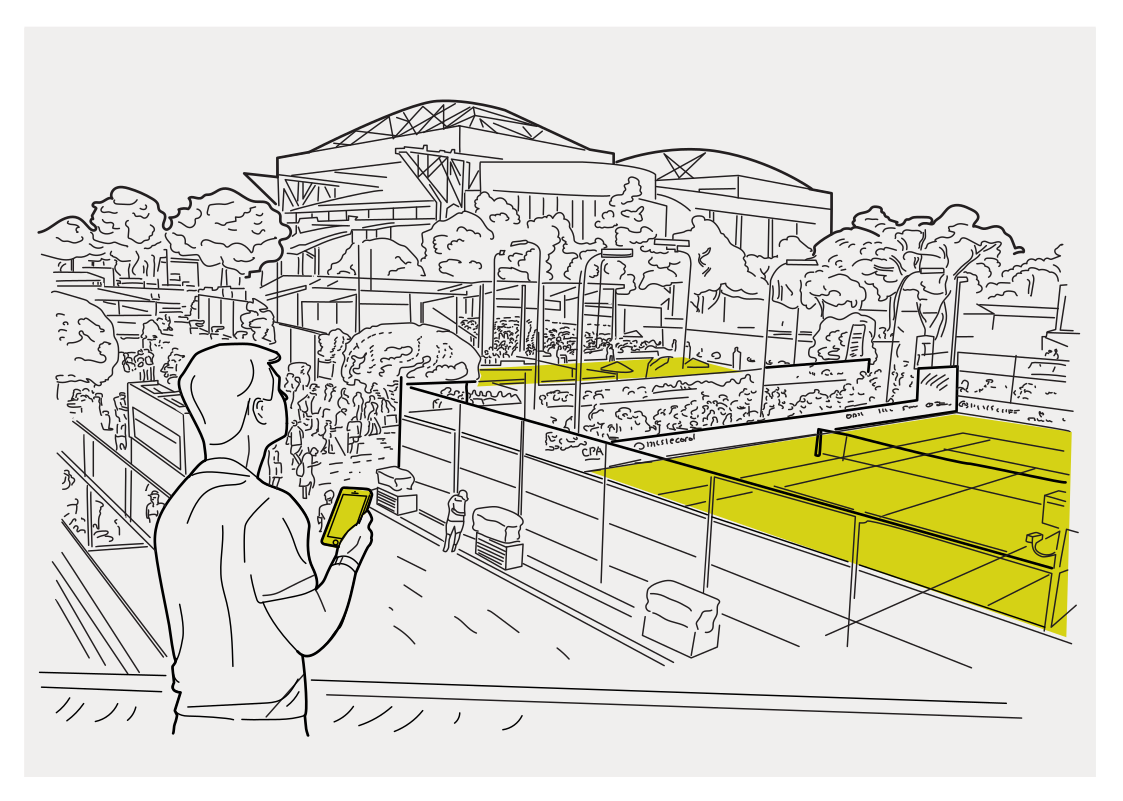
Help fans discover food, restrooms, and meeting points around the venue. Connect the event map to Bluetooth landmarks or compatible-phone UWB positioning. Let the app use location context for directions and nearby service information.
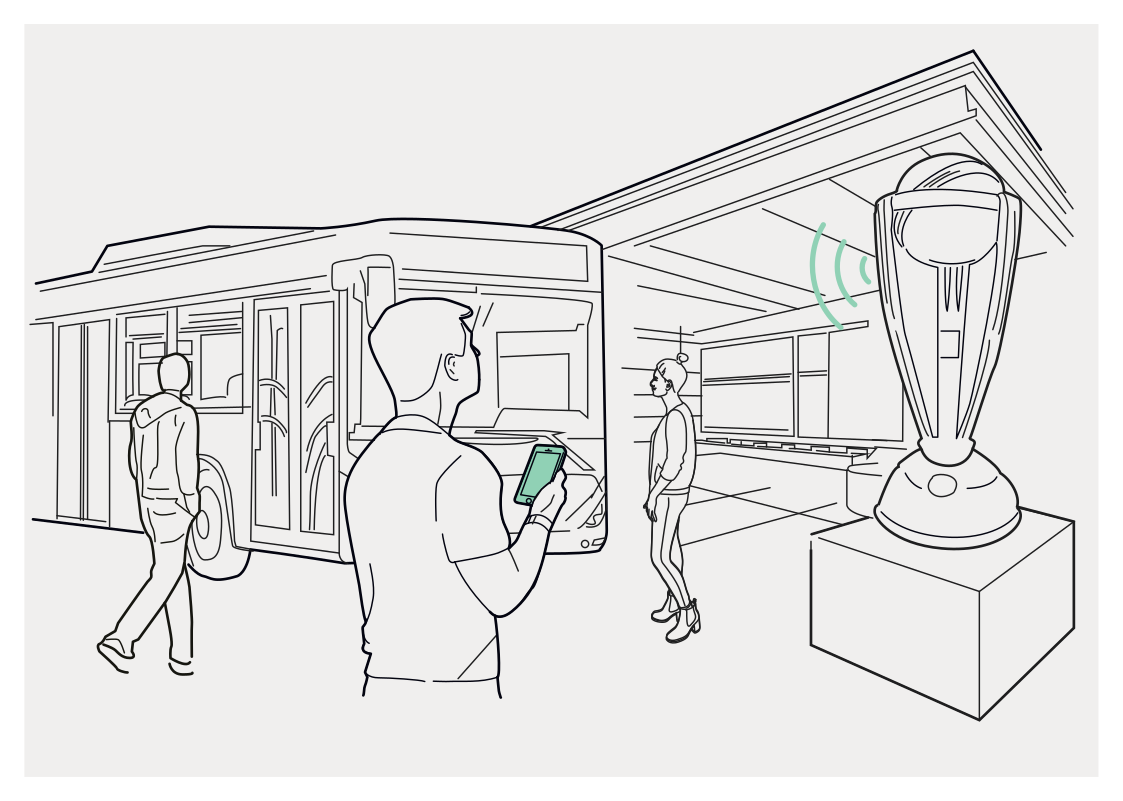
Turn a landmark display into a moment of discovery. A nearby beacon can suggest the trophy's story in a visitor app. Add UWB guidance through larger venues and connect the content to a wider self-guided tour.
Help drivers recognize the charging station in front of them. Beacons provide local context, and radar can add bay-presence signals. Connect those events to the charging provider's app for availability, session details, and support.
Add presence context at a parking barrier. Radar can detect activity in the entrance area, while beacons let an app identify the gate. Connect the events to the parking controller and its access rules.
Help staff know when a customer reaches the service window. Radar adds arrival signals, and beacons provide place context for an opted-in app. Connect the events to the order queue so the team can prepare the handoff.
Connect a rental or shared-car booking to the vehicle nearby. Bluetooth can identify a car or pickup area, while UWB supports finer guidance in equipped locations. Keep reservation and access decisions in the mobility provider's system.
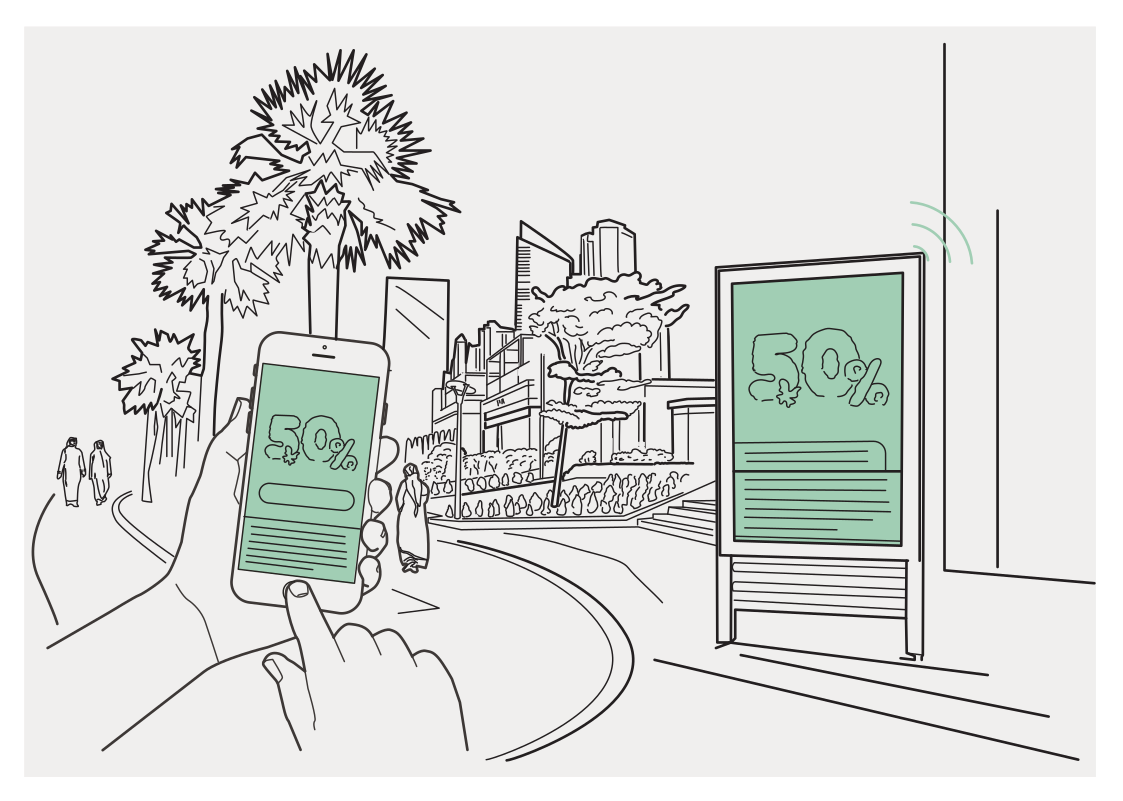
Let visitors save a nearby promotion to an opted-in app. A beacon provides the display's identity; radar can wake the screen when someone approaches. Connect the interaction to your content or campaign system.
Help an opted-in shopper app recognize the store nearby and surface a relevant department or offer. Beacons provide place context; UWB can continue the journey with indoor guidance once the visitor enters.
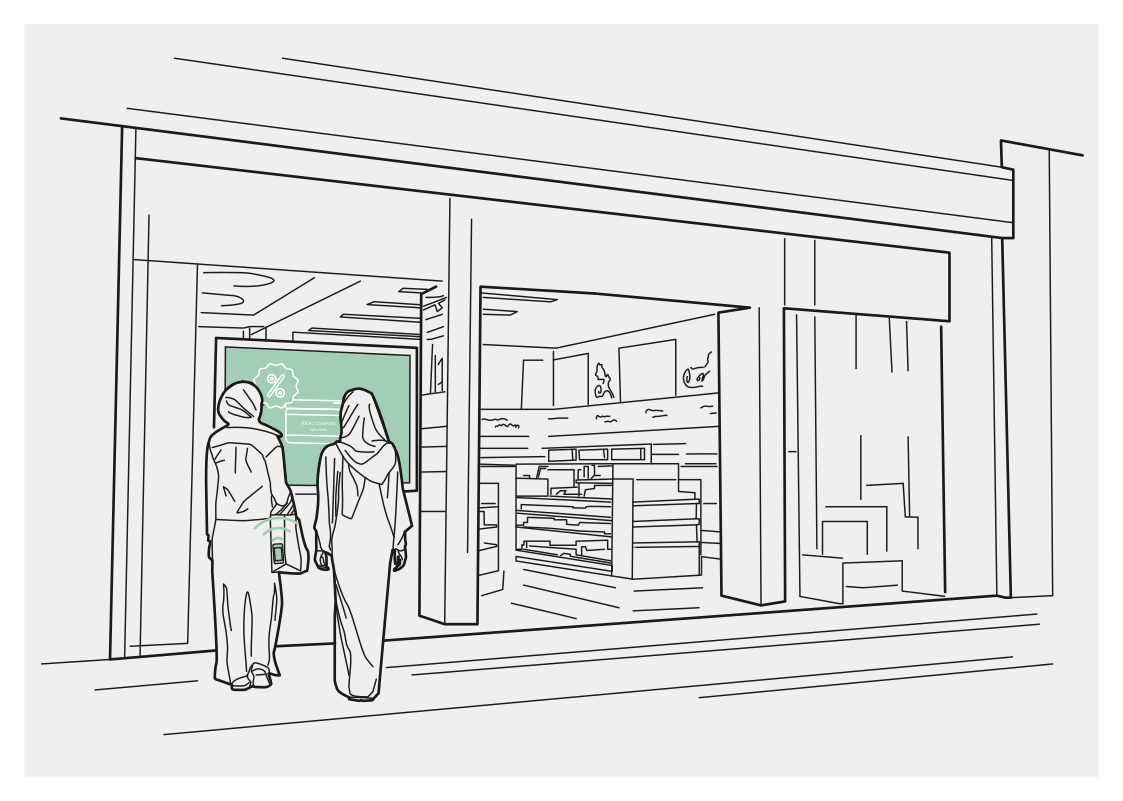
Turn interest at a shop window into useful information. Radar can wake a display when someone approaches, while beacons link a nearby app to the storefront. Connect the interaction to your latest collection or in-store services.
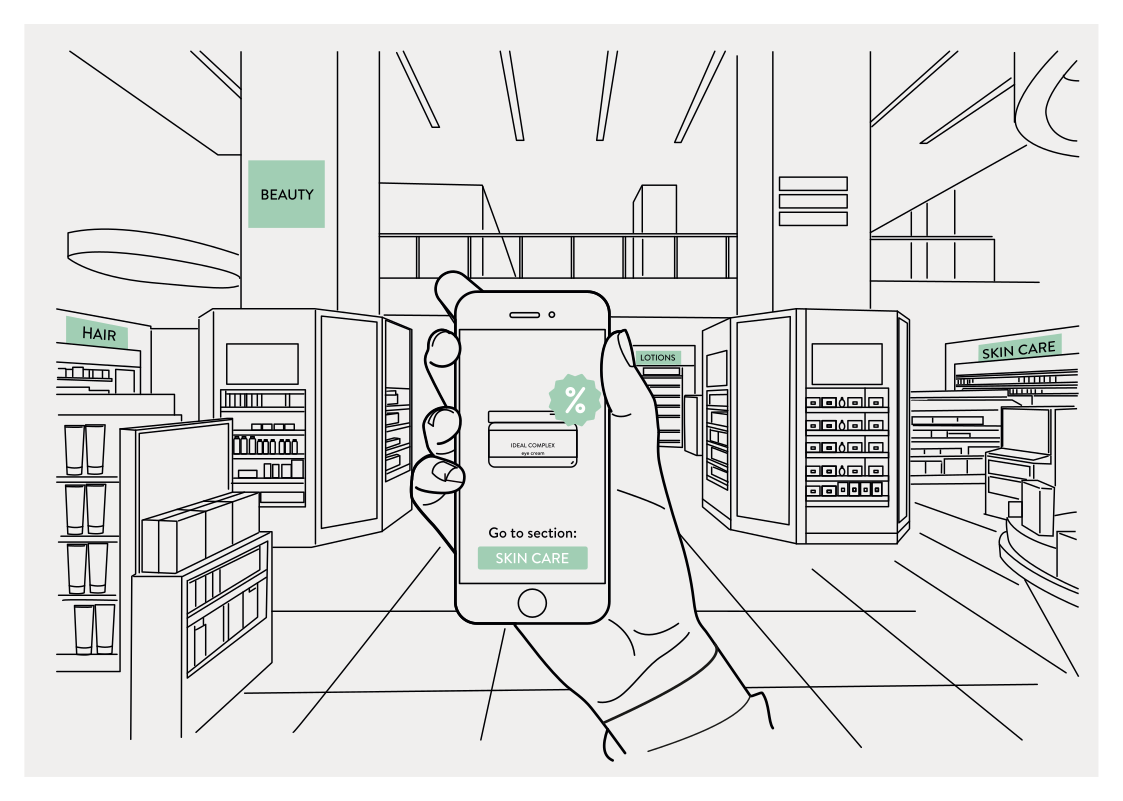
Help shoppers act on a saved offer without searching the whole store. Connect product departments to Bluetooth landmarks or UWB positioning, then guide a compatible app from the entrance to the relevant section.
Make a product display more responsive. Radar can detect an approach, and Bluetooth can add nearby item context. Connect those events to your content system so shoppers can explore details or ask for advice at the shelf.
Let a shopper's app recognize the checkout or service desk and open the right loyalty or pickup workflow. Beacons provide local context, while staff wearables can signal readiness or request help during a busy period.
Help teams connect display items to their inventory records. Bluetooth tags and nearby receivers can show where tagged stock was last detected. Bring location updates into the retail dashboard alongside sales and replenishment data.
Let people who use your app discover the menu as they approach. Beacons identify the restaurant, while radar can add entrance-activity signals. Connect nearby content to opening hours, service options, and offers visitors choose to receive.
Help guests see where to order next. Radar can add activity signals around kiosks, while Bluetooth landmarks identify each station for the app. Combine those events with kiosk status to guide the next customer.
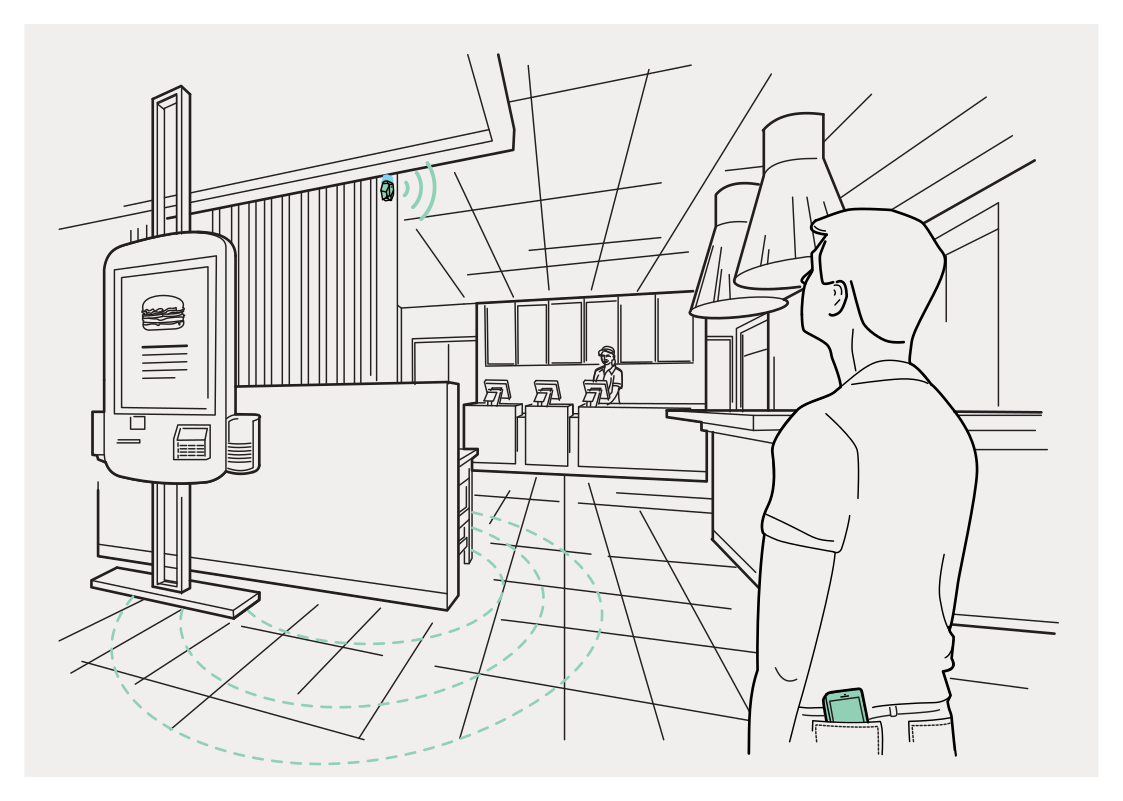
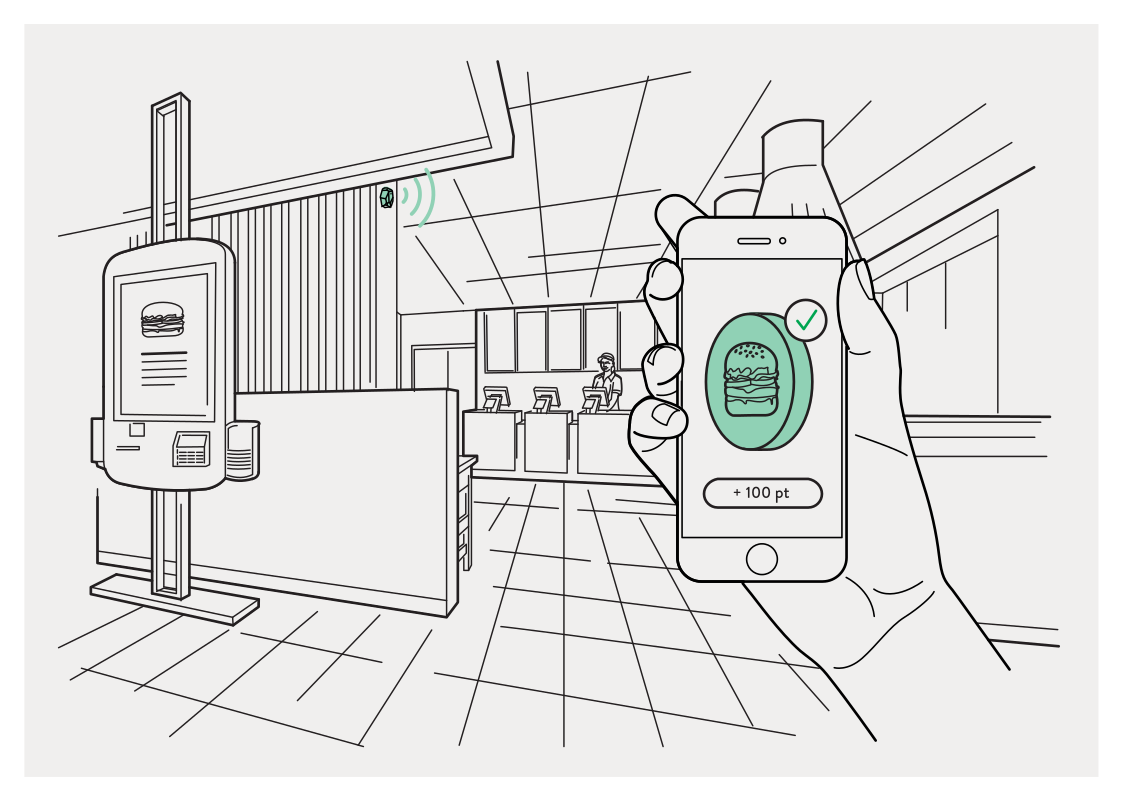
Let a customer app recognize a participating kiosk or service area. Beacons supply the nearby context, and your loyalty system decides whether the interaction qualifies. Radar can add activity signals to help operators understand kiosk use.
Give customers control over location-based offers. Use beacons to recognize a nearby restaurant and let the app show or dismiss the promotion. Connect preferences to your content system so future messages reflect the visitor's choices.
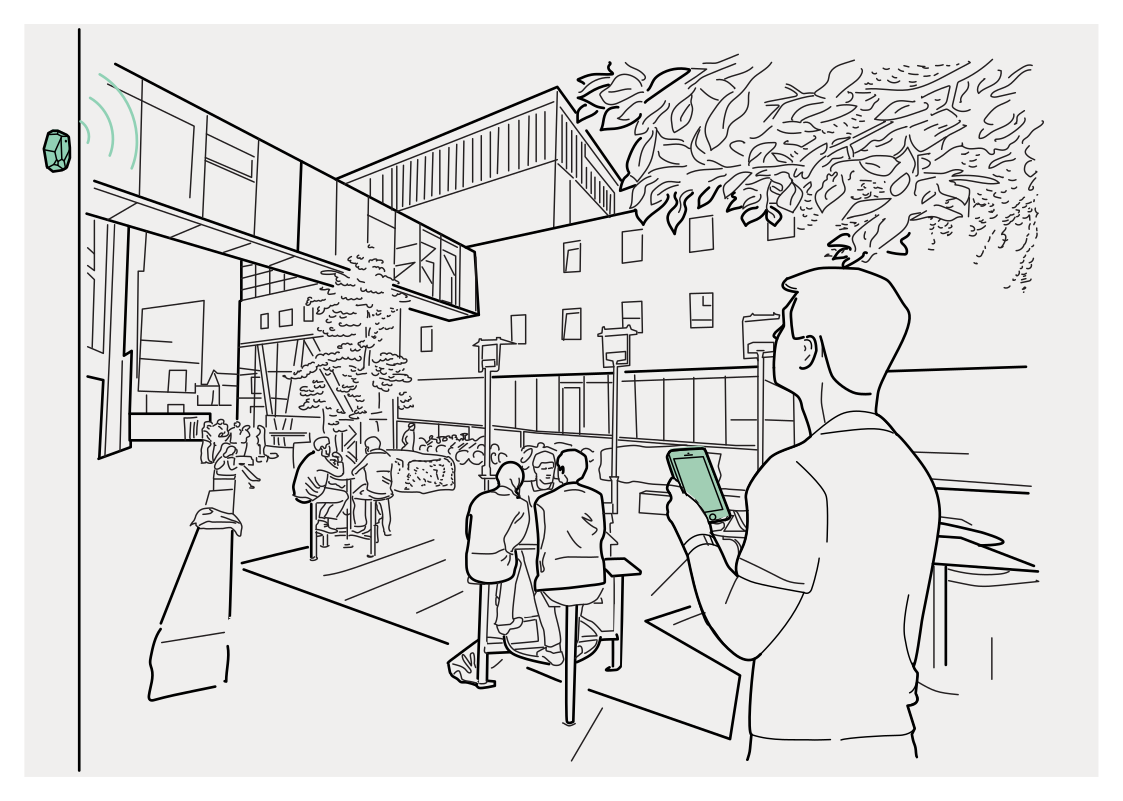
Help visitors move between outdoor seating, shops, and facilities. Connect a site map to Bluetooth landmarks or UWB positioning in equipped areas. Let the app guide people to the next service they want to use.
Let a visitor app recognize the welcome desk and open ticket, guide, or accessibility information. Beacons provide the local context, while staff wearables can support assistance requests. Keep admission decisions in the museum's ticketing system.
Give airport teams a shared view of where ground assets were last detected. Tag equipment and connect receiver events to the apron map. Wearable confirmations can help crews report readiness before the next service task.
Help crews locate carts as they move through equipped airport areas. Bluetooth tags provide identity, and receiver detections update the operations map. Connect handoffs to the baggage workflow so the next team knows where to start.
Help travelers connect the terminal exit to their saved parking area. Beacons mark nearby landmarks, while UWB can guide compatible phones in equipped zones. Add parking-level details to make the final part of the trip easier.
Give parking operators local presence signals where vehicles arrive or wait. Radar can add observations at selected bays, while beacons identify places for connected apps. Combine them with the parking system's availability data.
Help teams locate cars in a storage or service area. Bluetooth tags identify vehicles at equipped zones, and your software connects detections to the work record. Wearable buttons let staff confirm a move or handoff.
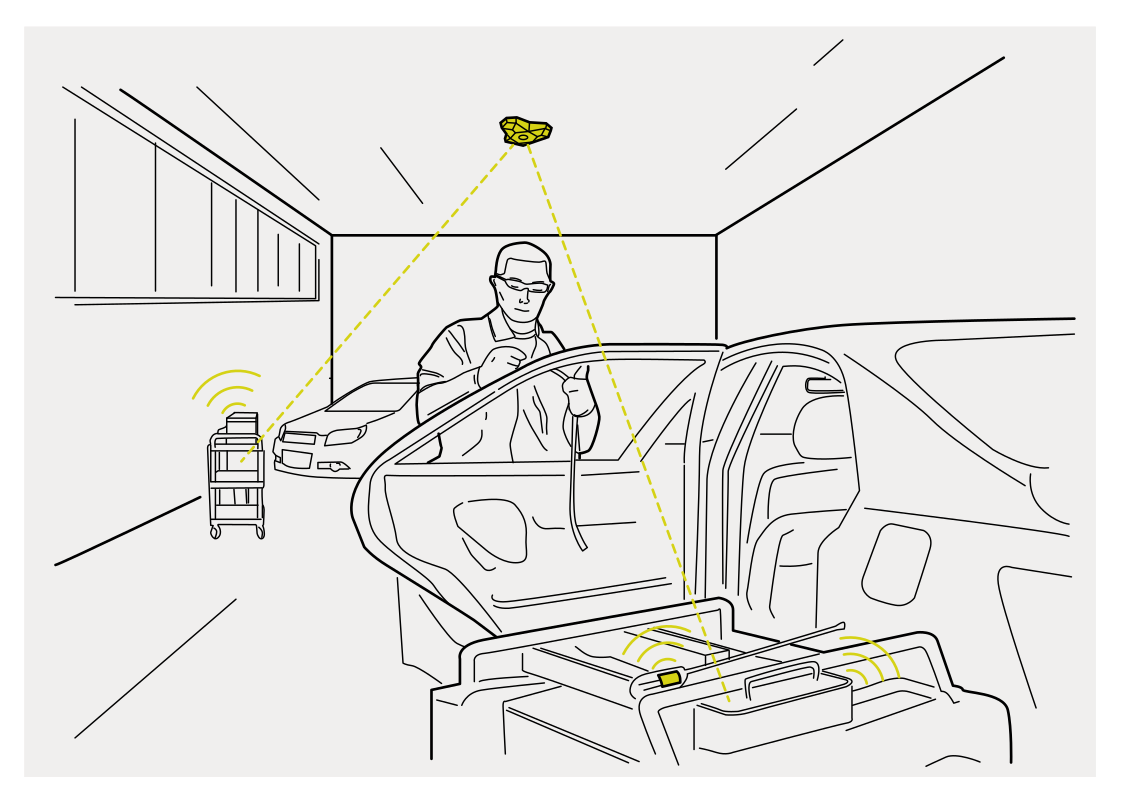
Help technicians find the tool case or parts kit assigned to a vehicle. Tag movable equipment and record detections at equipped bays. Connect location to work orders, with wearables supporting quick handoff confirmations.
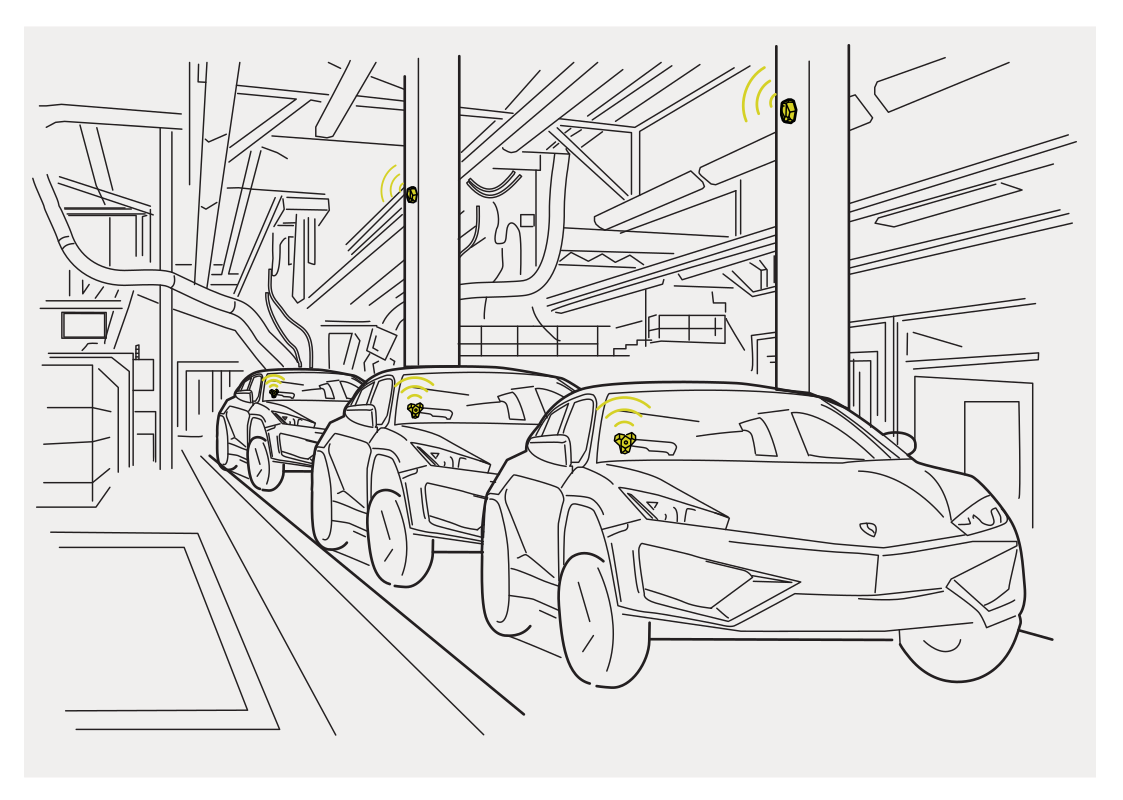
Give production teams context as vehicles and components move between stations. Bluetooth tags identify work-in-progress at equipped areas. Connect detections and wearable task confirmations to the manufacturing system that records each build step.
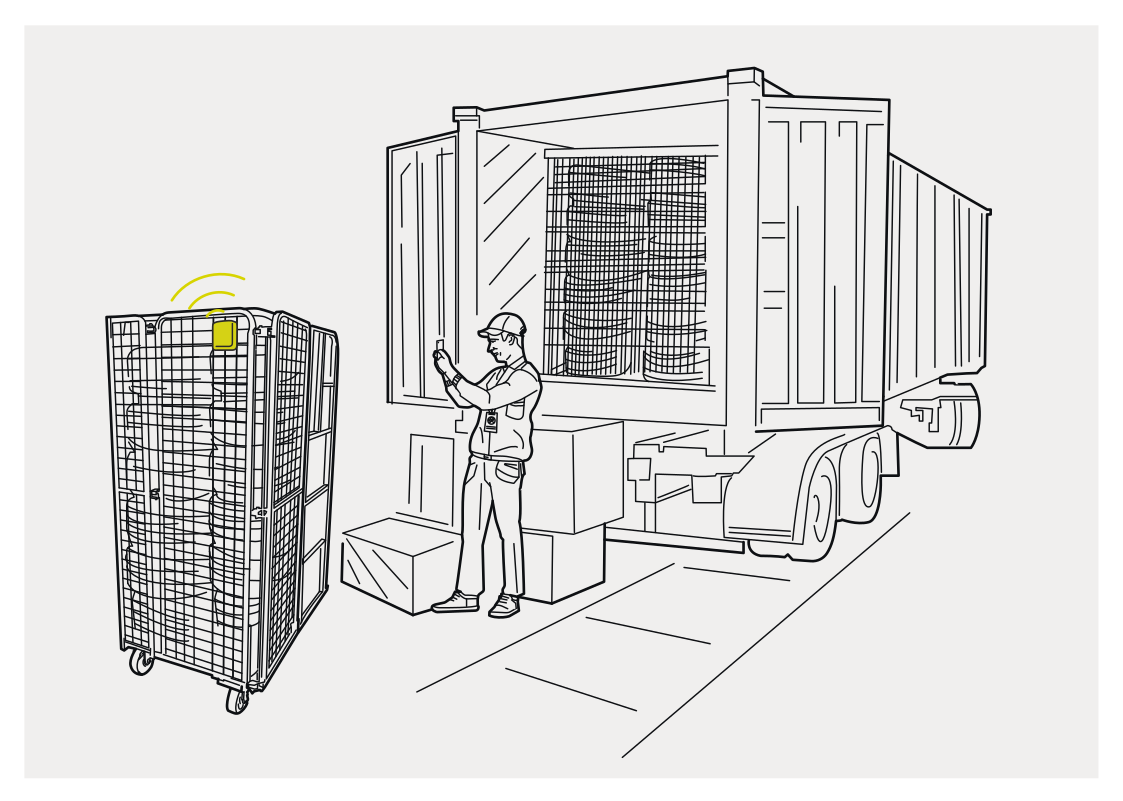
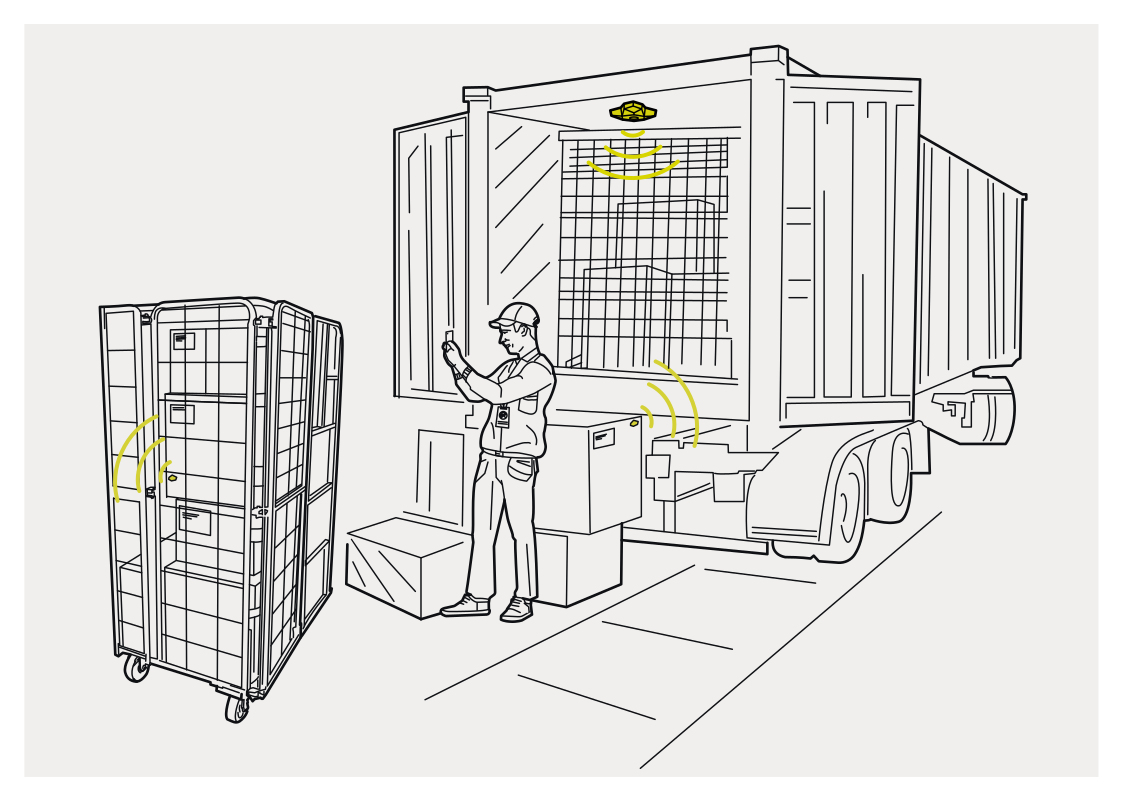
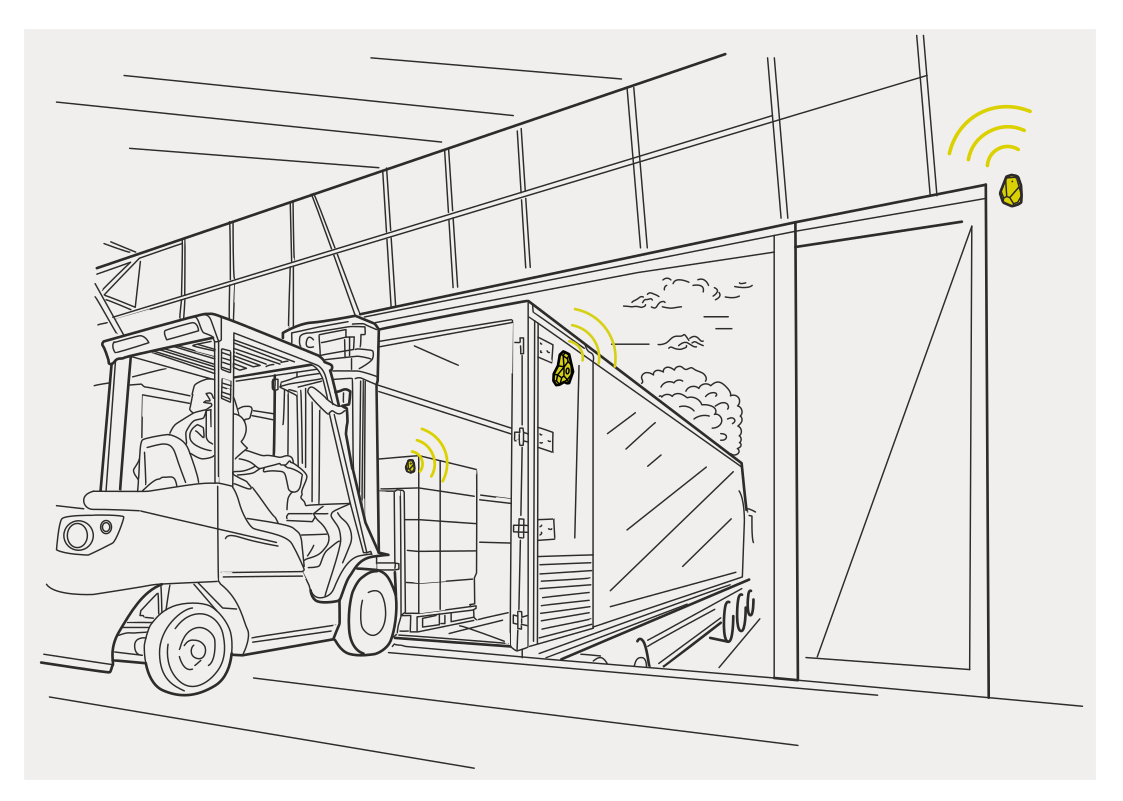
Identify rolling cages and containers as they reach an equipped loading area. Bluetooth tags provide the asset identity, while your software links the detection to a shipment. Give crews a simple wearable confirmation for the handoff.
Help operators see which tagged crate was last detected at each equipped station. Connect Bluetooth receiver events to the process map and production records. Use the shared view to coordinate the next handling step.
Record where tagged cages and containers are detected during loading. Beacons identify work areas, and receiver events add location context to the shipment record. Let the dispatch system combine those events with its loading checks.
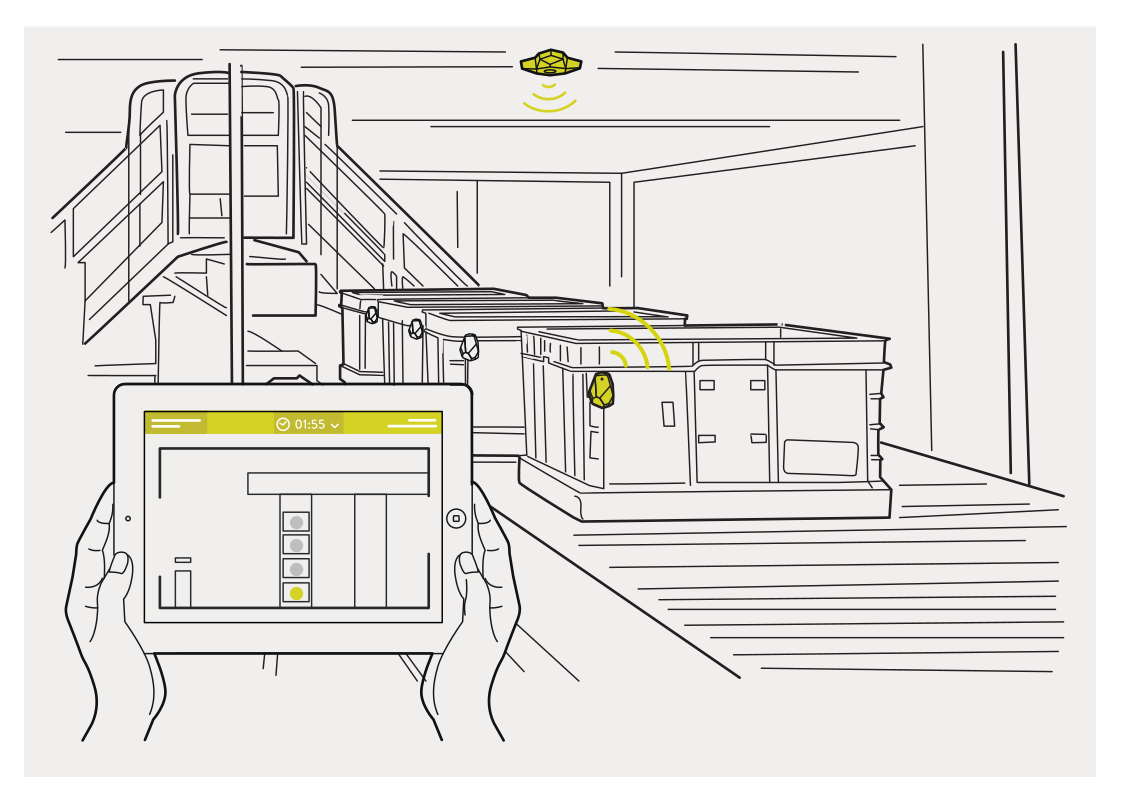
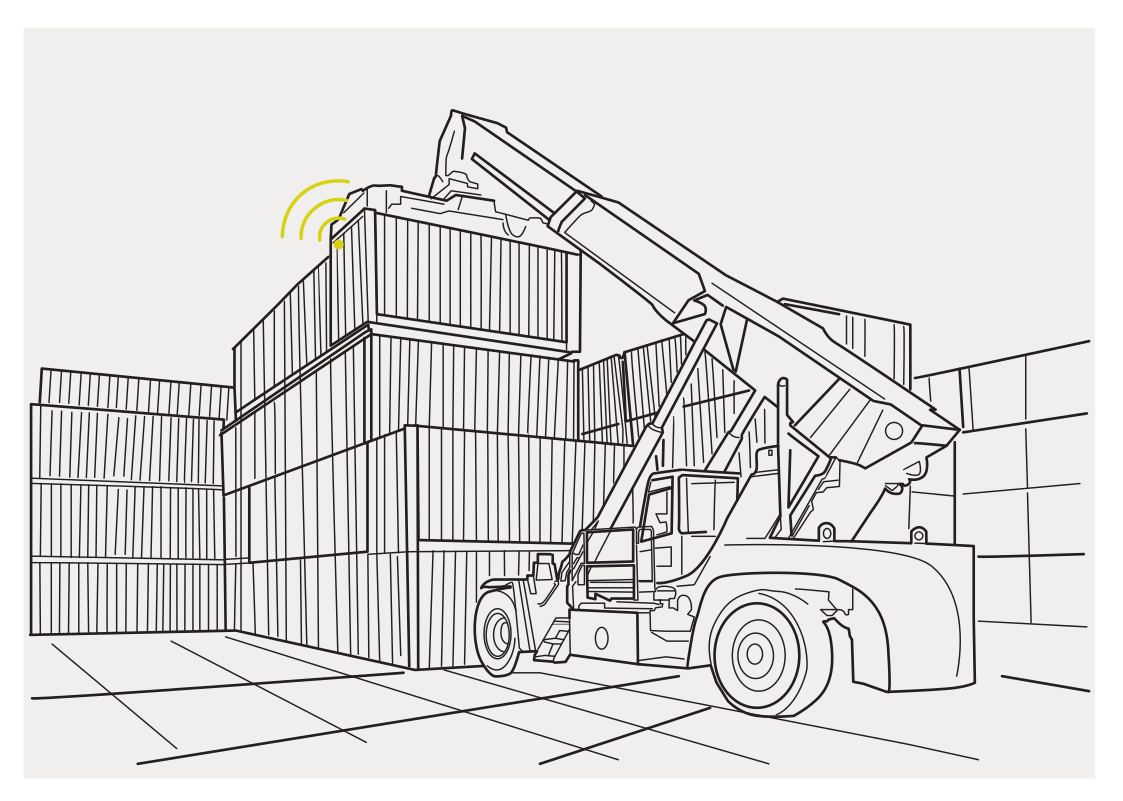
Give a container a wireless identity at equipped yard zones. Connect Bluetooth detections to its storage or handling record, and let crews confirm moves with wearables. Build a shared view that helps the next team find the right stack.
Help crews locate machinery in equipped work areas. Bluetooth tags identify the asset; receiver detections provide a last-seen area. Connect those updates to the site map and let operators report availability with a wearable button.
Connect the movement of tagged loads through an equipped dock to your operations map. Bluetooth detections add area context, while wearables let crews confirm a loading task. Use the combined view to coordinate dispatch and receiving.
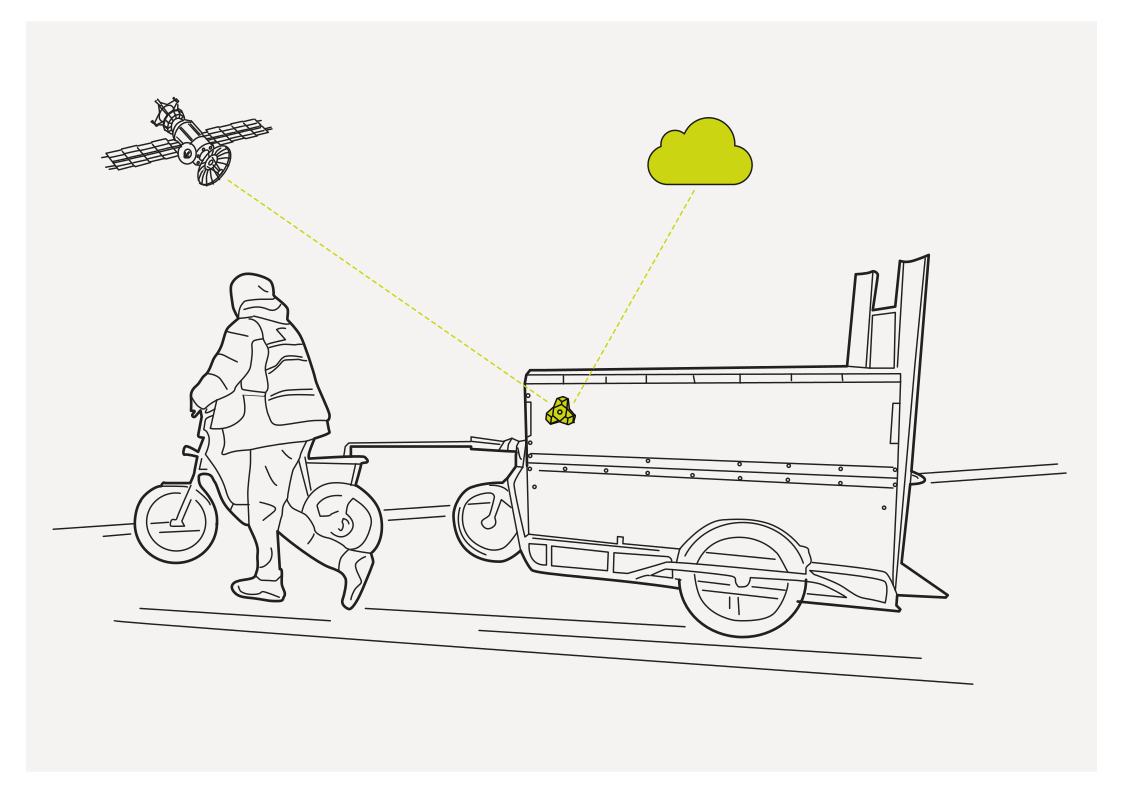
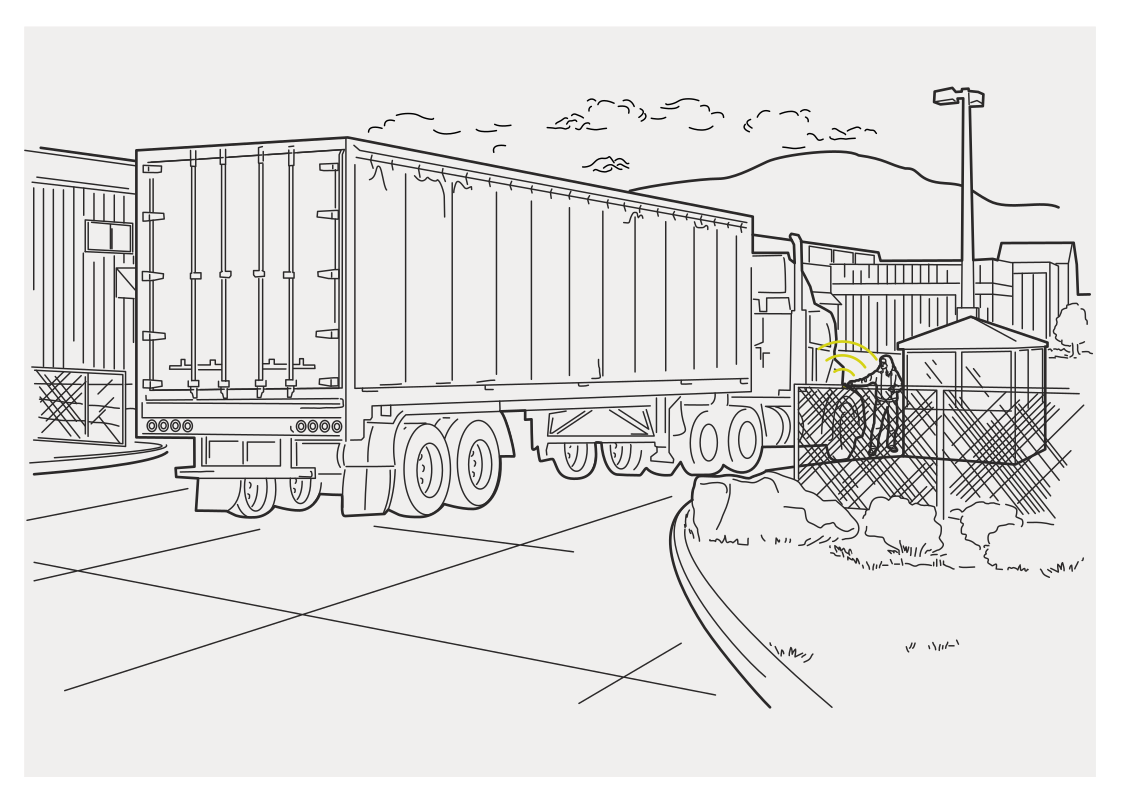
Turn a trailer's arrival at an equipped gate into a dispatch event. Bluetooth tags provide identity and nearby receivers detect it. Connect the update to bay assignment and let crews confirm the next handoff.
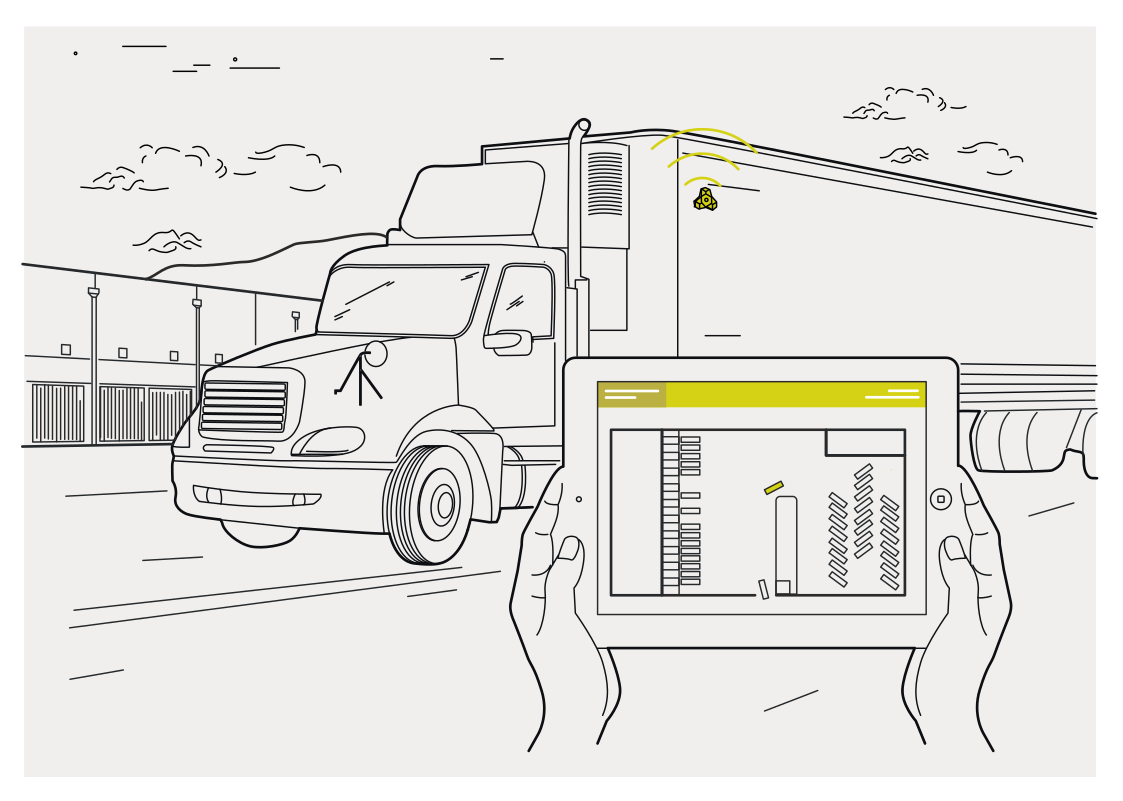
Help dispatchers find trucks and trailers in equipped areas. Bluetooth tags and receivers provide local detections, while staff wearables can confirm readiness. Connect those events to the yard map and the schedule already used by the team.
Show warehouse teams the last detected area of each tagged vehicle. Connect Bluetooth receiver updates to your operations map, and let drivers confirm availability with wearables. Make equipment dispatch easier during a busy shift.
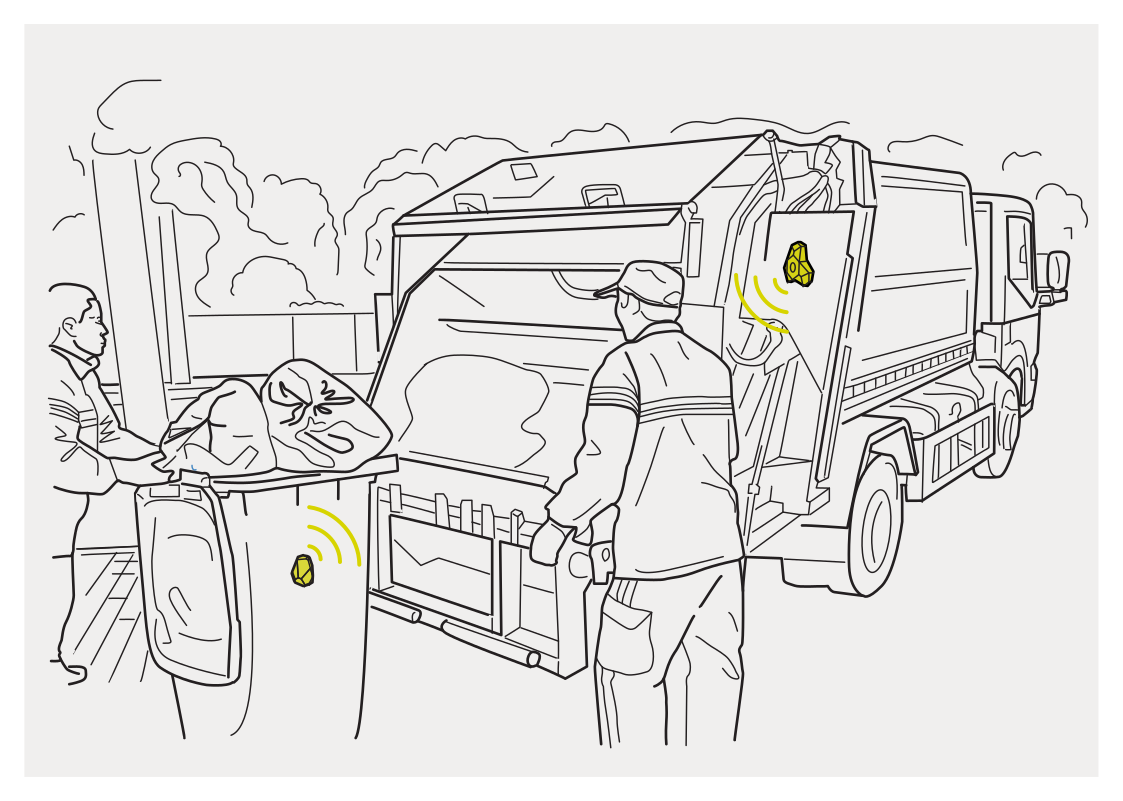
Help waste teams identify a tagged bin at the collection point. Connect Bluetooth detections and crew confirmations to the service record. Bring those events into the route workflow so missed or completed stops are easier to review.
Give crews a simple way to share a work-area check-in or request support. Wearable buttons and Bluetooth landmarks add context to the event. Connect updates to the site map used by the team coordinating operations.
Help crews recognize which part of a changing site they are working in. Beacons mark local areas, while compatible-phone UWB positioning supports finer guidance. Connect the map to work instructions as the project develops.
Keep track of movable equipment as work areas change. Bluetooth tags and nearby receivers record its last detected area. Connect that context to the site map so the next shift can locate the kit it needs.
Help employees reach the right room on a busy floor. UWB positioning can guide compatible phones, while Bluetooth landmarks identify nearby destinations. Connect room names and booking details to the map in your workplace app.
Let colleagues choose to share a meeting location in the office app. Connect that place to UWB guidance or Bluetooth landmarks so visitors can find the way. Keep sharing under the participant's control.
Let a nearby app recognize the desk a person has chosen. Beacons provide workstation context, and radar can add occupancy signals. Connect these events to booking or desk-control software for a workspace that responds to use.
Help teams locate keys and other small shared assets. Bluetooth tags provide identity, and nearby receivers record where an item was last seen. Put that context in the office app for a quicker handover.
Make routine workplace arrivals easier to record. Wearables and nearby beacons add person-approved place context, while a button can confirm a visit. Connect the events to the booking or team-coordination workflow that needs them.
Let the room react when people gather or leave. Radar provides presence signals without requiring a phone, while beacons identify the room for connected apps. Use those events to coordinate lighting and other home-automation routines.
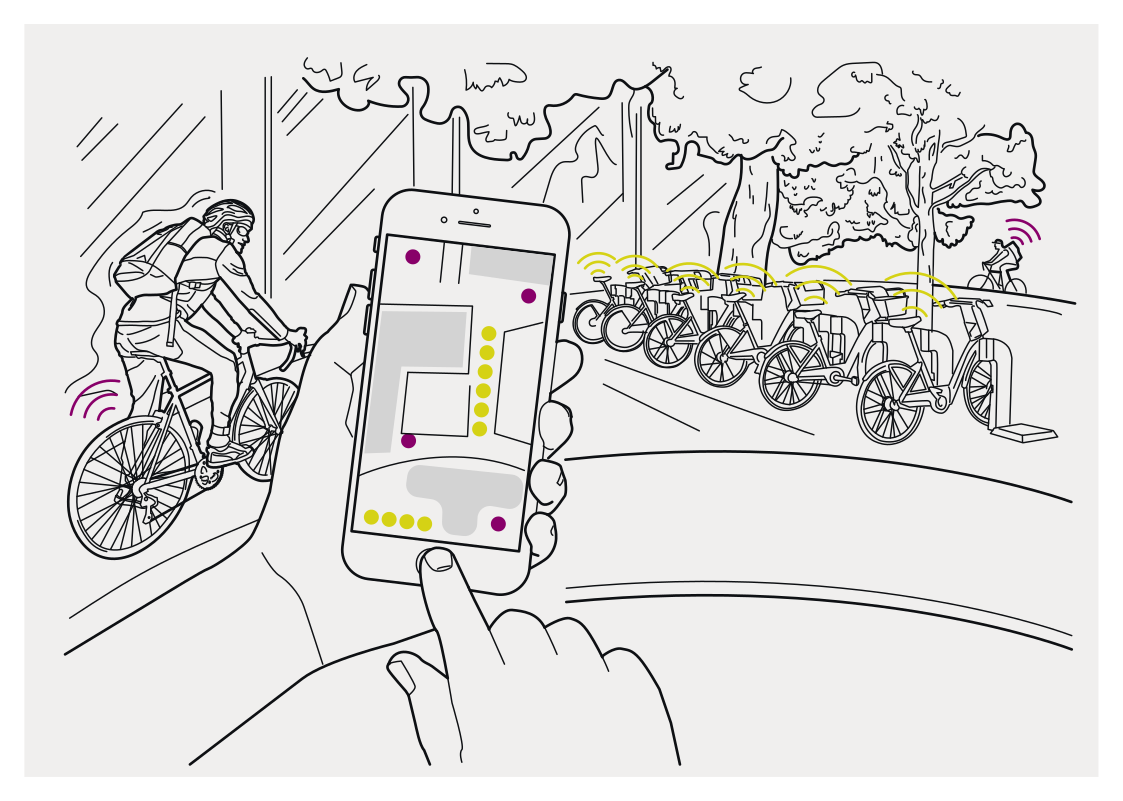
Help riders discover a bike at an equipped rental point. Tags identify bicycles at participating receivers, while beacons mark the station for nearby apps. Connect location events to the rental system's availability and access workflow.
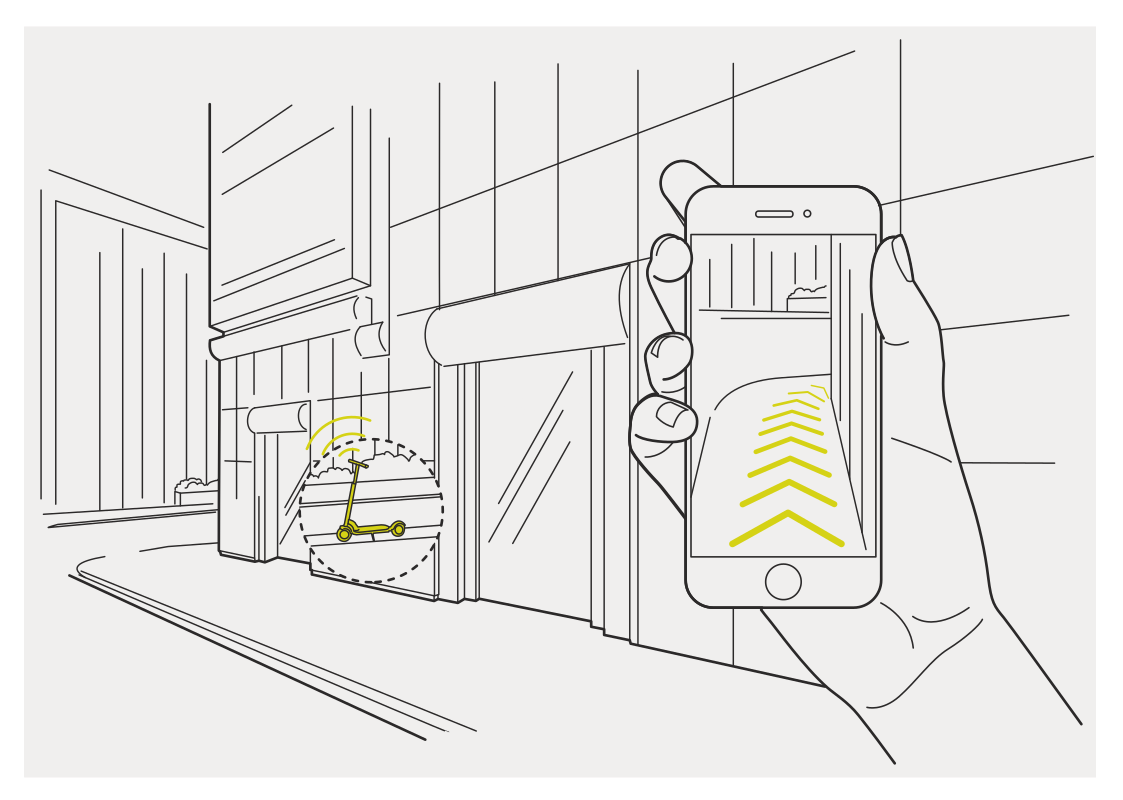
Guide a rider to the pickup area rather than leaving them with a map pin alone. Beacons identify nearby landmarks, and UWB can refine guidance in equipped locations. Connect the route to the scooter booking in the app.
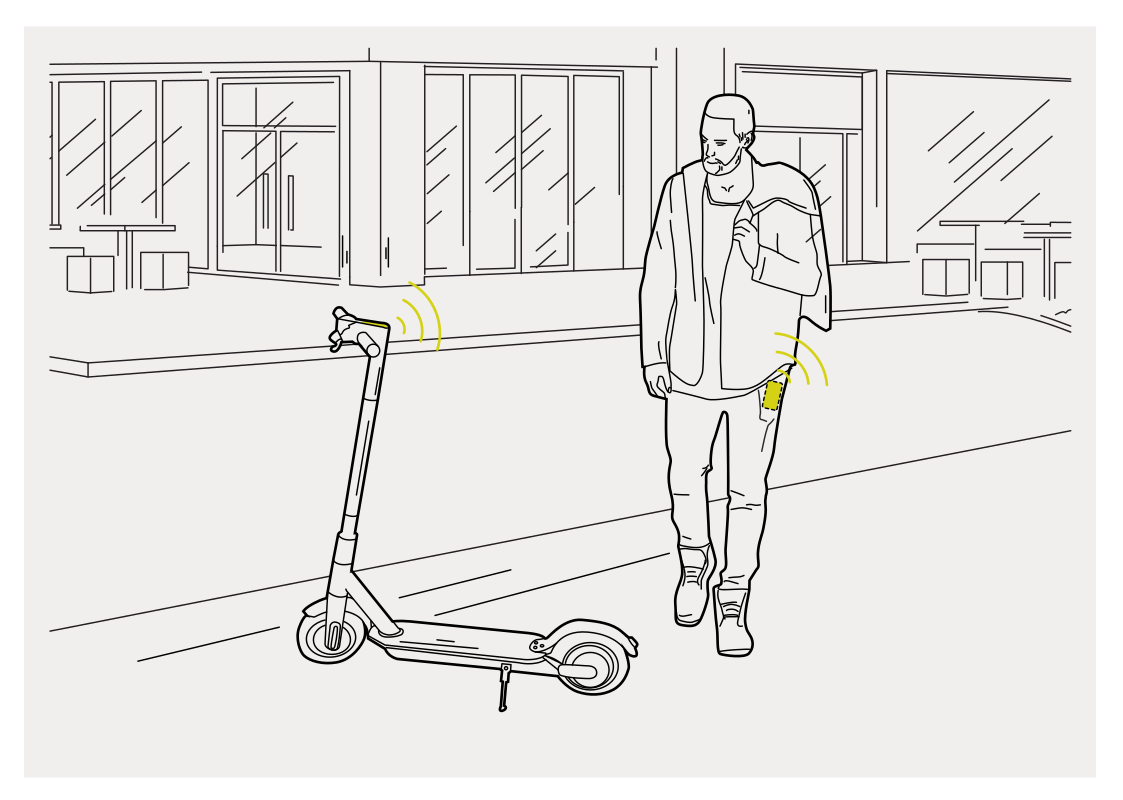
Help a rental app identify the scooter a rider has approached. Bluetooth tags and nearby detection provide local context. Connect that identity to the rental provider's system, which handles authorization, payment, and unlocking.
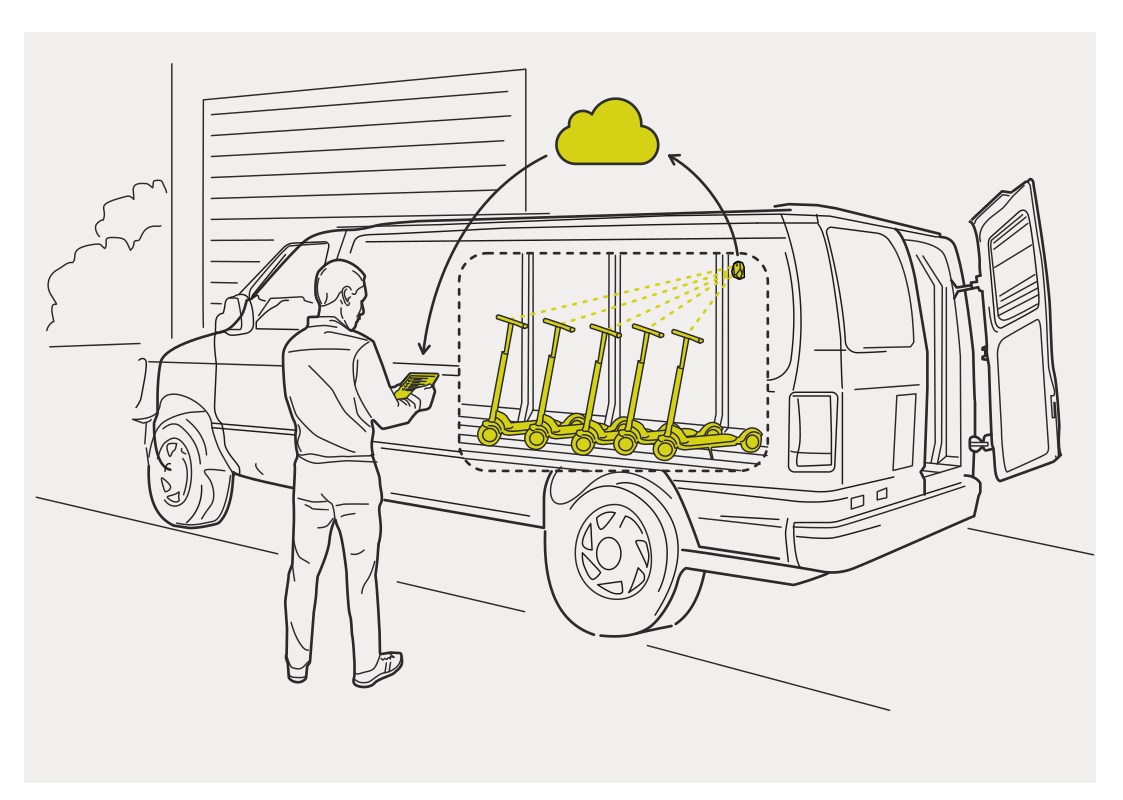
Record which tagged scooters are detected during collection or at an equipped depot. Connect the events to maintenance and redistribution records. Wearable confirmations give field crews a simple way to report a completed pickup.
Help visitors recognize their entrance and request assistance when needed. Beacons add gate context, while connected wearables support staff coordination. Feed the events into the event workflow alongside the ticketing system's admission checks.
Make a large concourse easier to explore. Combine the terminal map with UWB positioning on compatible phones or Bluetooth landmarks. Let the app guide travelers to gates, connections, and the services along their route.
Turn public landmarks into discoverable app destinations. Beacons can introduce nearby points of interest, while UWB can support guidance in equipped areas. Connect each location to visitor information and routes through the site.
Help visitors navigate a large attraction from one experience to the next. Beacons mark destinations, and UWB can refine positioning in equipped zones. Connect the route to entrances, services, and meeting places in the venue app.
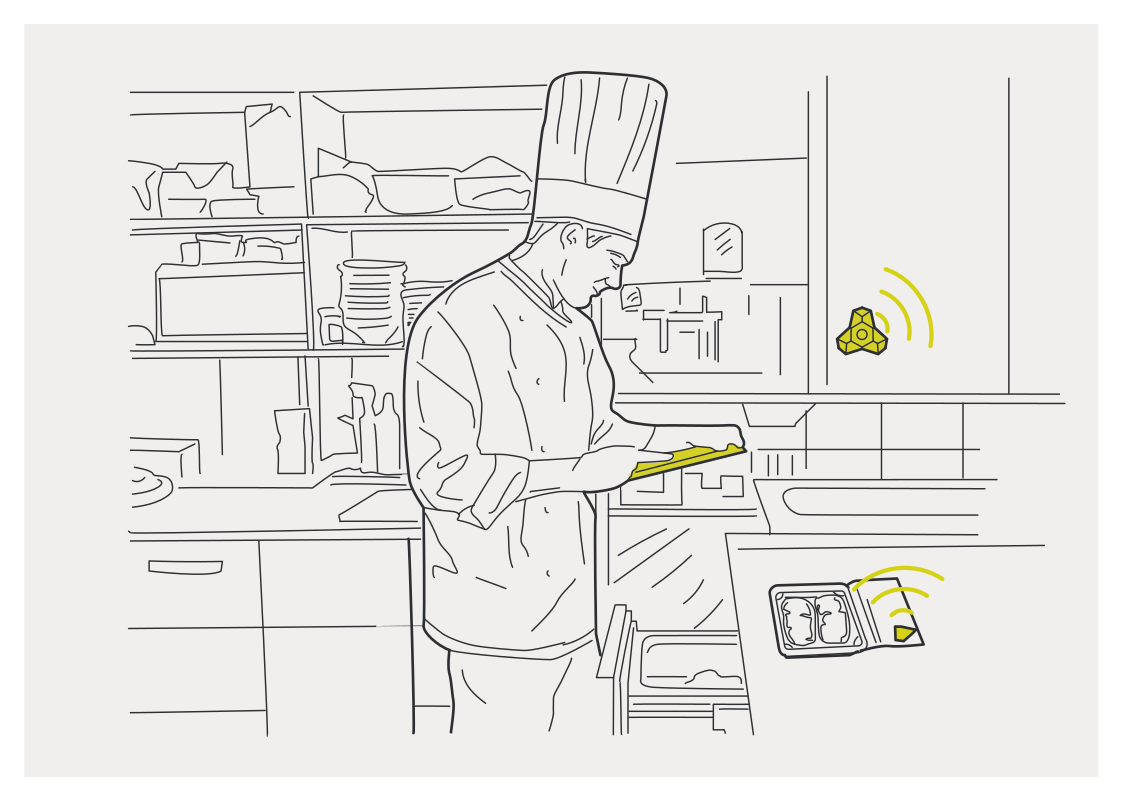
Help kitchen teams locate tagged containers or equipment in equipped storage areas. Bluetooth detections add last-seen context to inventory records. Connect those updates to the kitchen workflow for replenishment and preparation.
Explore activity around product displays without asking every visitor to install an app. Radar can add presence and movement signals, while beacons support opt-in content. Connect the observations to decisions about layout, demonstrations, and staff support.
Give visitors directions that continue inside the shopping center. UWB positioning or Bluetooth landmarks connect the app to the mall map. Guide people to stores, services, and entrances using destinations they can recognize.
Help warehouse teams coordinate around people and equipment. Tagged assets provide last-seen area updates, while wearable buttons support staff check-ins and task confirmations. Connect these events to the operations map and shift workflow.
Help a shopper find the department or aisle for an item. Beacons provide nearby landmarks, while UWB supports finer guidance on compatible phones. Connect the route to your product catalog and current store layout.
Help staff navigate to a storage area without guessing which aisle to use. Connect your warehouse map to Bluetooth landmarks or compatible-phone UWB positioning. Link the destination to the stock location in your inventory system.
Add location context when staff scan or register an item. Nearby beacons identify the work area, while Bluetooth tags link assets to records. Connect those events to the inventory workflow so updates include where the task happened.
Explore how tagged carts move between equipped store areas. Receiver detections can provide zone-level paths, while radar adds local activity signals. Bring the observations together to review layout and service points without identifying shoppers.
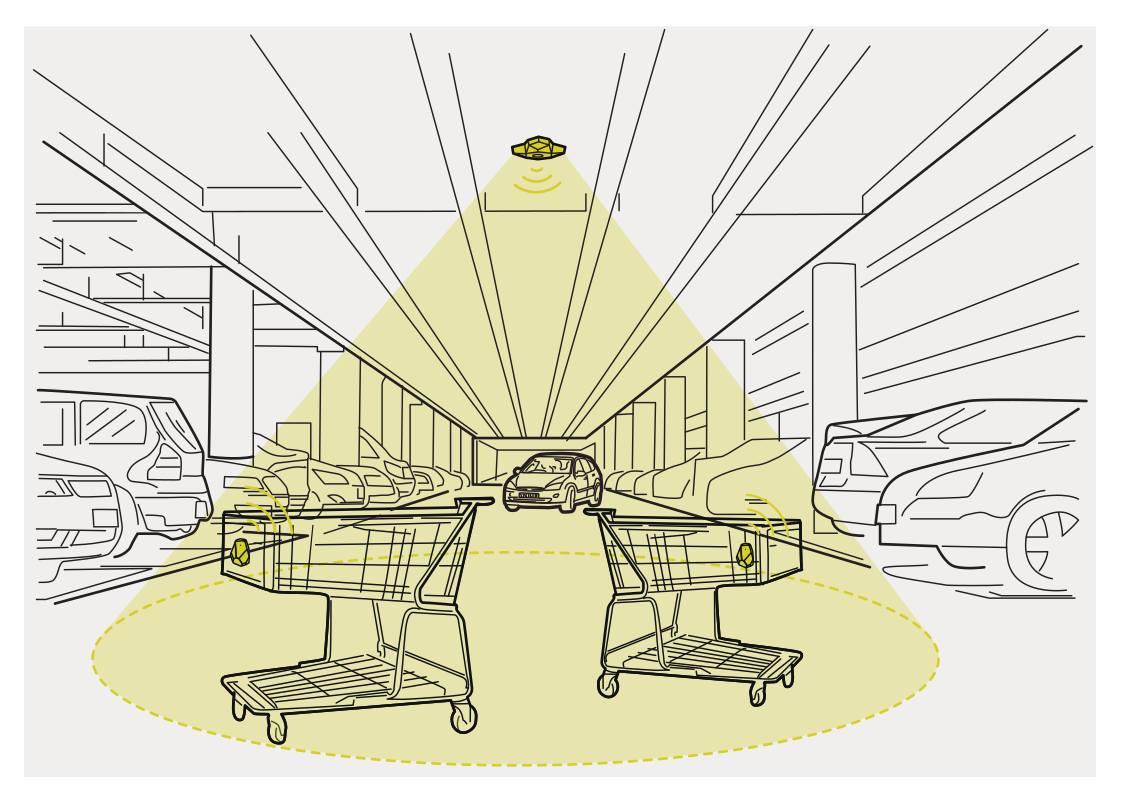
Help store teams locate carts left in parking areas. Bluetooth tags identify them at equipped receivers, and radar can add activity signals in collection zones. Connect the events to the retrieval workflow before carts run low.
Explore a shared location layer for your warehouse. Compatible UWB positioning can support robot and phone applications, while radar adds presence signals. Connect the events to operational software alongside the robot's own navigation and safety systems.
Let a mobility app recognize when someone reaches the vehicle and offer the relevant controls. Beacons provide nearby context, while radar can add cabin-presence signals in a suitable setup. Connect events to the vehicle's authorized software interfaces.
Give a cart-mounted app context about the department around it. Beacons identify nearby product areas, and UWB can refine positioning in equipped stores. Connect the location to shopping lists, product information, and relevant in-store services.
Explore local awareness for vehicles operating in an equipped depot or work area. UWB positioning can add location context, while radar provides presence signals. Feed the events into fleet software alongside existing driver and vehicle safety systems.
Let an app recognize the car a user is standing beside. Bluetooth supplies nearby identity and radar can add presence context. Pass these events to the access platform, which remains responsible for authorization and the unlock decision.
Help a property system recognize activity at the entrance. Radar can detect an approaching vehicle and beacons identify the gate for a nearby app. Connect these events to the access controller and its authorization rules.
Bring tagged containers and equipment onto a warehouse map. Bluetooth receiver detections provide area-level updates, while beacons identify work zones. Connect the events to inventory records so teams can locate items before the next move.
Help lab teams follow equipment between benches and rooms. Bluetooth tags and equipped-area receivers provide last-seen updates. Connect location to booking or service records so the next user can find the instrument they need.
Give instrument cases and carts a wireless identity. Nearby receiver detections can show where the kit was last seen. Connect those events to lab workflows so teams can plan the next transfer or preparation step.
Link an equipment case to its contents in your asset records. A Bluetooth tag provides identity and nearby receivers record its last detected area. Use the app to locate the case and open the associated checklist.
Help hospital teams locate transport equipment across equipped areas. Tag beds and wheelchairs, then connect receiver updates to the operations map. Wearable buttons let staff request a move or confirm a handoff.
Connect a tagged bed to its last detected area and the hospital's turnaround workflow. Give staff a wearable button to confirm preparation or request collection. Combine the events with the system that manages availability.
Help visitors reach an agreed meeting point inside a large building. UWB positioning or Bluetooth landmarks connect the app to the floor plan. Let participants choose whether to share their location for the meetup.
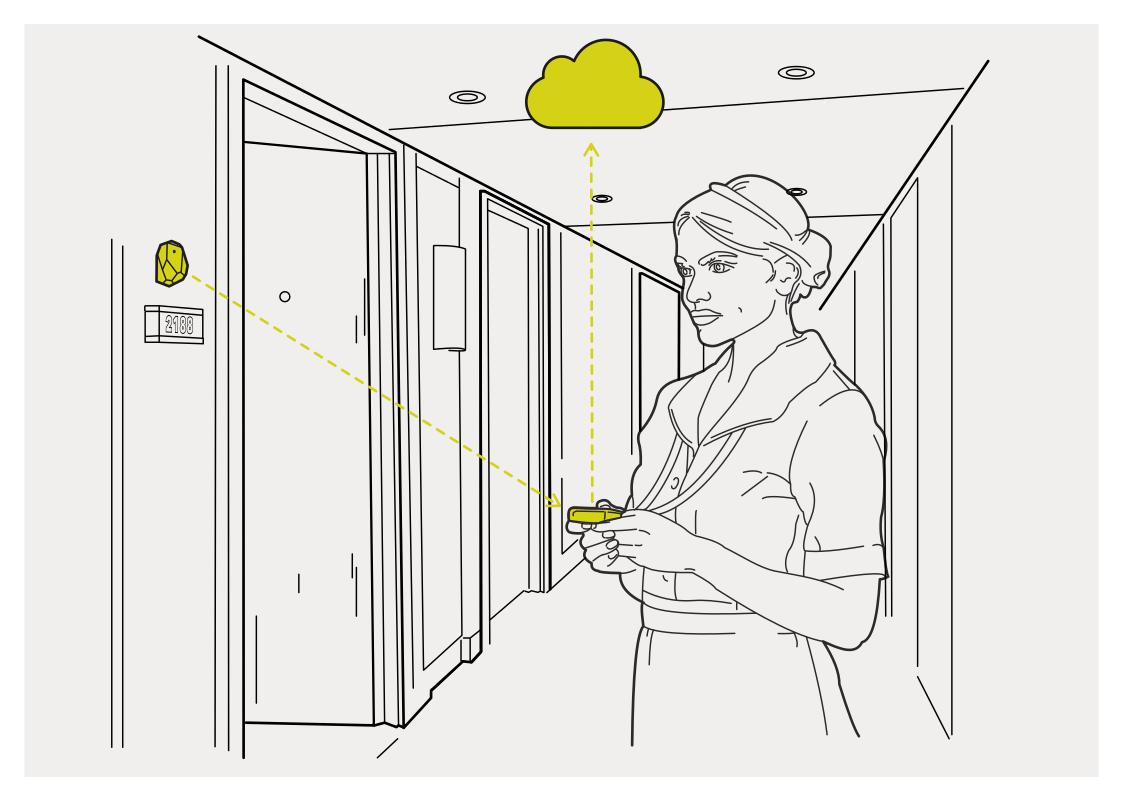
Give cleaning teams a simple way to record a room visit. Beacons identify the nearby room and a wearable button confirms the task. Connect those events to the housekeeping schedule so the next shift can see progress.
Let staff confirm a visit at the right doorway. Beacons identify the nearby room, while a wearable button sends the check-in. Connect these place-aware events to the rounds workflow without adding another paper log.
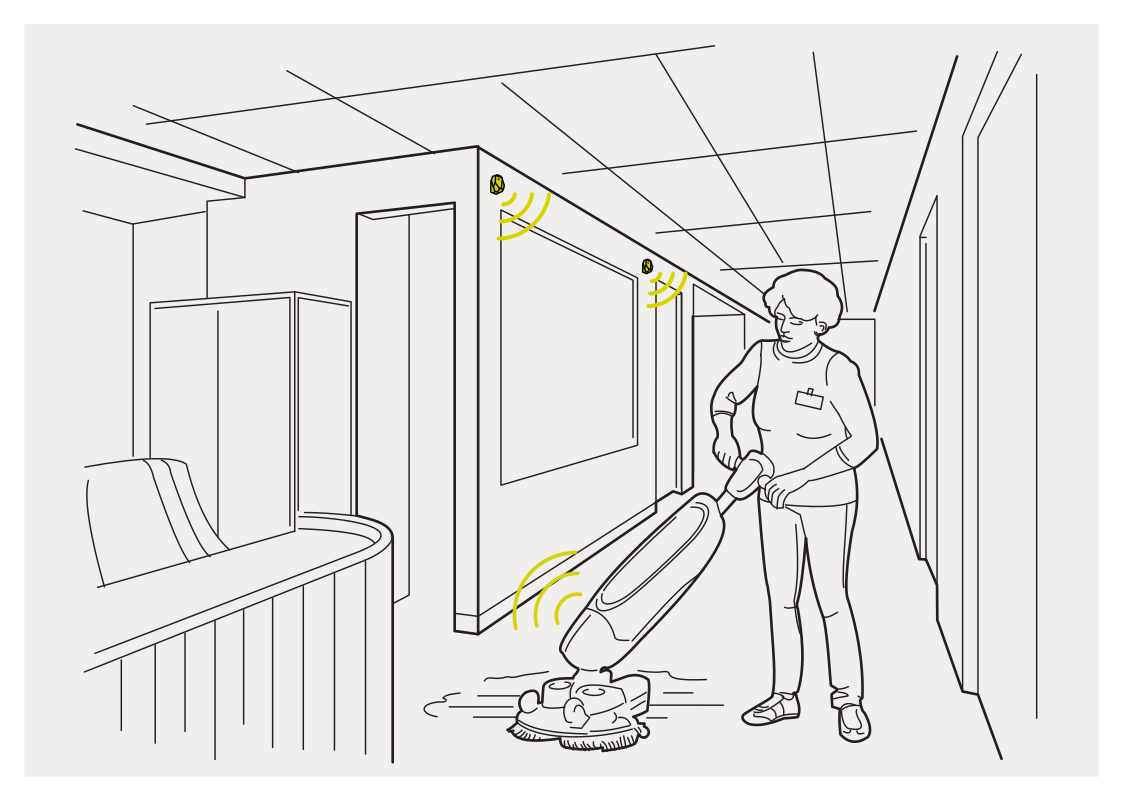
Help teams coordinate cleaning across a large floor. Beacons mark service areas, and a wearable button can confirm completion. Connect the events to the facilities schedule so supervisors can plan the next task or handover.
Use presence to support everyday home routines. Radar can detect room activity without a phone, while beacons help connected apps recognize the kitchen. Link those events to lighting and automation rules chosen by the household.
Help families reconnect inside a busy attraction. Wearable check-ins can add context for a guardian app, while UWB guidance on compatible phones helps adults reach an agreed meeting point. Build around the venue's family-support workflow.
Give families a clear route to their chosen meeting place. Connect the attraction map to compatible-phone UWB positioning, with wearables supporting check-ins or requests for help. Make the next step easier during a busy day out.
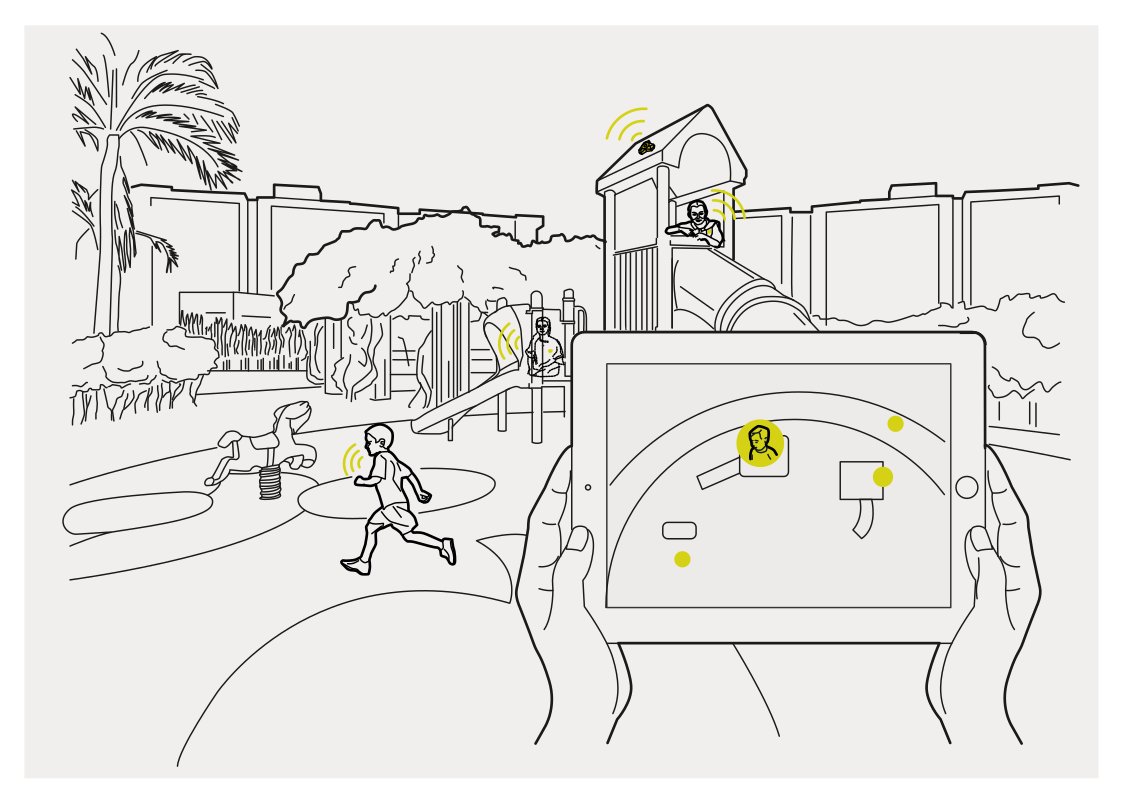
Help supervised groups share check-ins at equipped play areas. Wearables give participants a simple interaction, and beacons add place context. Bring the events onto the activity map used by the adults coordinating the visit.
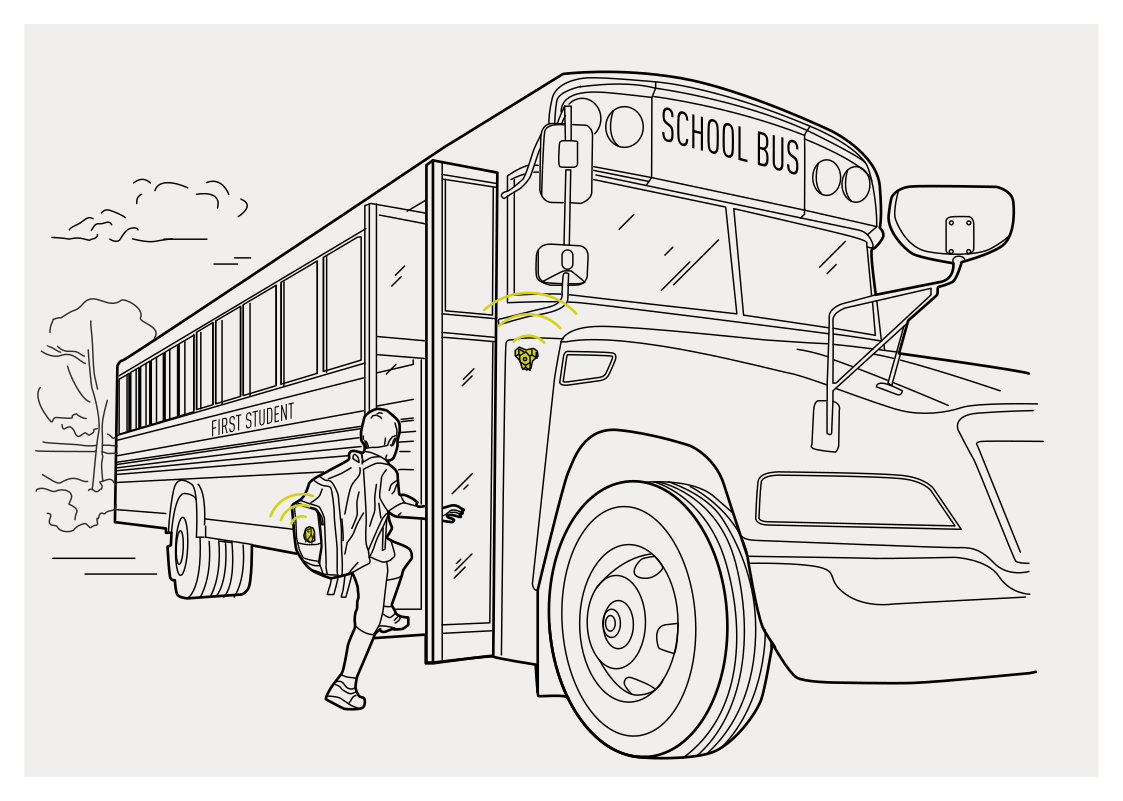
Help staff record boarding at an equipped bus entrance. A wearable or nearby Bluetooth event provides context for the transport app. Connect it to the school's attendance workflow, with staff confirming the passenger list.
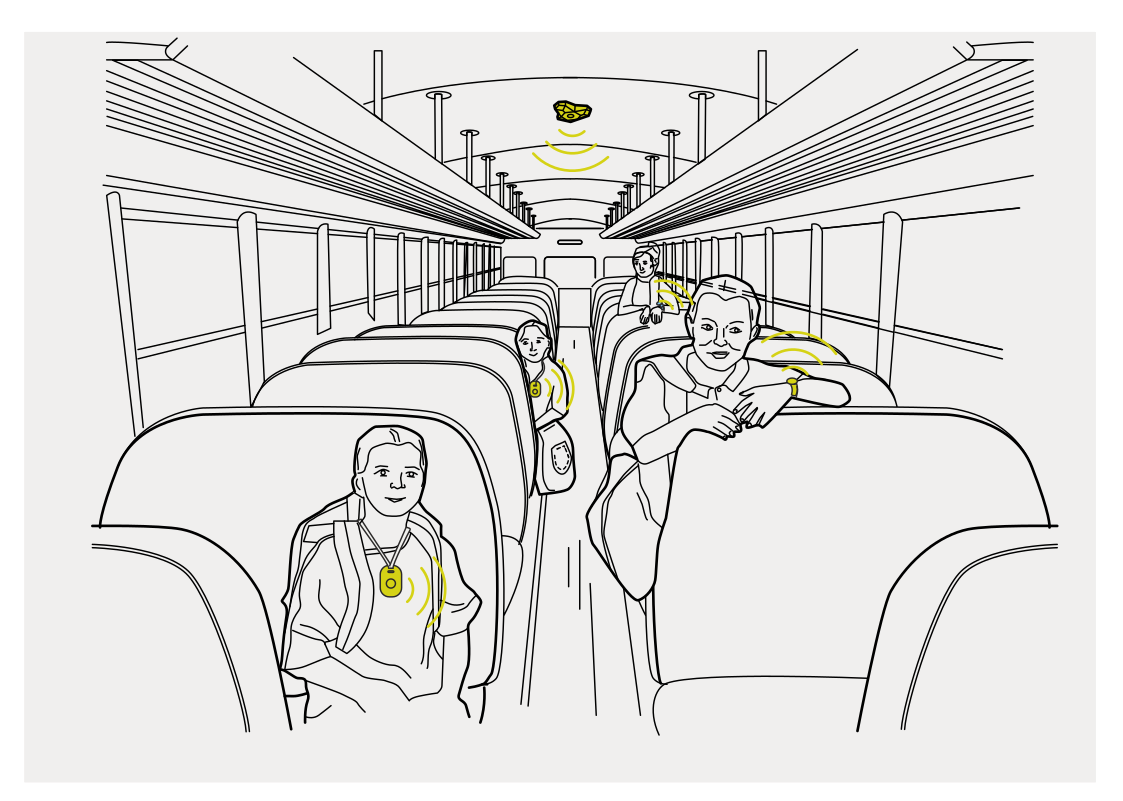
Give passengers a dedicated button to request support while on board. Wearables send the interaction when connected, and Bluetooth landmarks identify the vehicle or area. Route the event to the service team responsible for the journey.
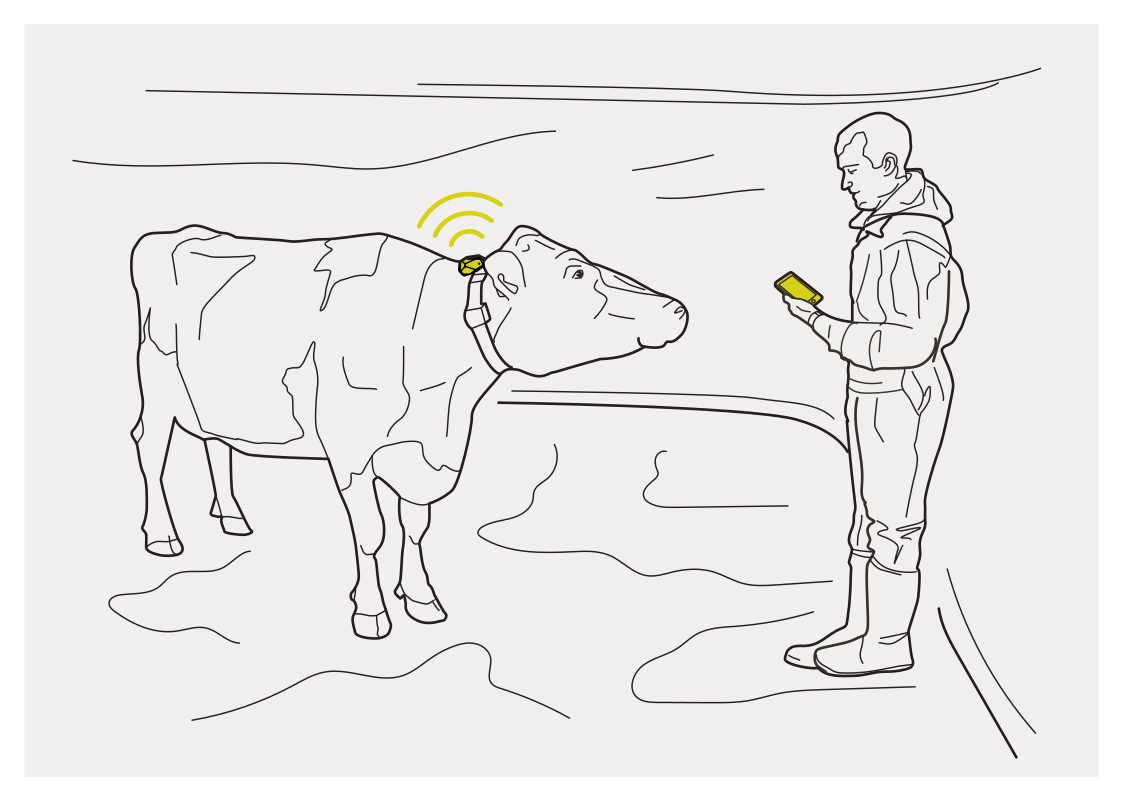
Give an animal a suitable wireless identity for equipped areas such as feeding or handling points. Bluetooth detections can add last-seen context to farm records. Connect the events to the herd-management workflow used by the team.
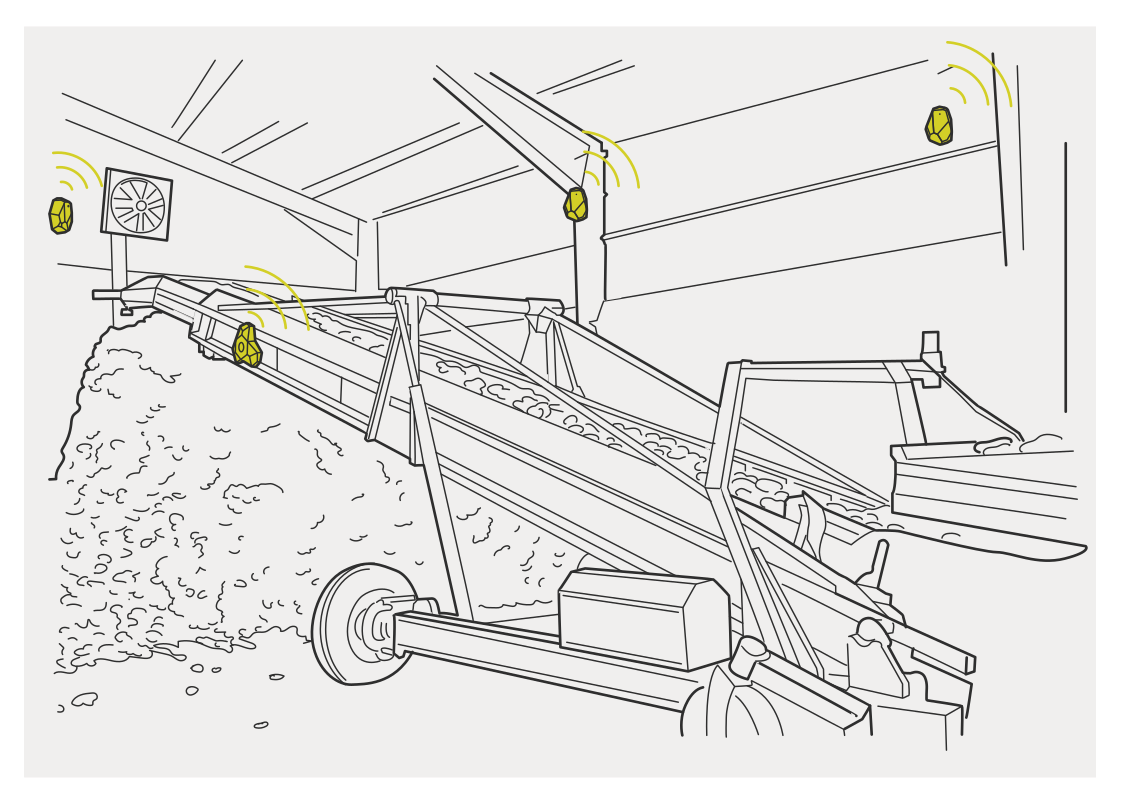
Help teams locate tagged machinery and mobile equipment in equipped buildings or yards. Receiver detections provide last-seen area updates. Connect them to a farm map, with wearable buttons supporting handoffs and service requests.
Let staff identify the nearby dispensing station and report a service need with a button press. Beacons provide place context, while wearables send requests. Connect these events to replenishment and maintenance workflows used by the venue.
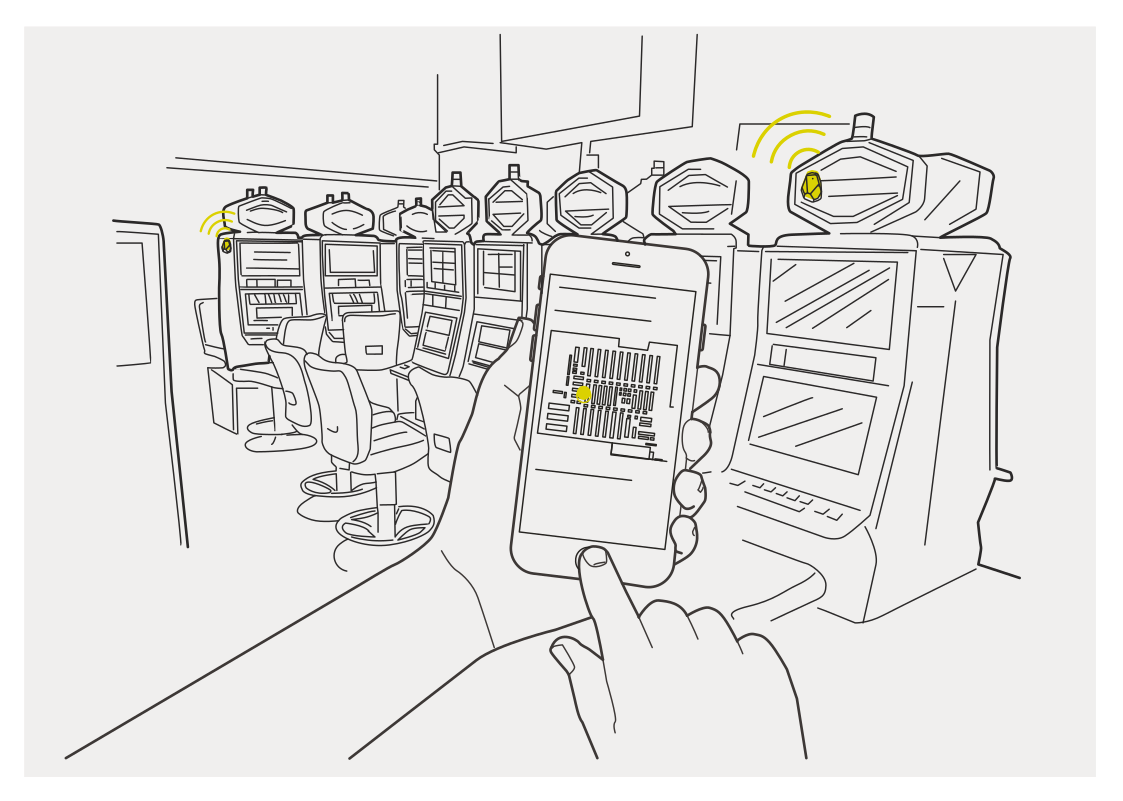
Help visitors navigate a large gaming floor with a venue map. Bluetooth landmarks or compatible-phone UWB positioning provide location context. Guide people to services and destinations listed by the venue's own availability system.
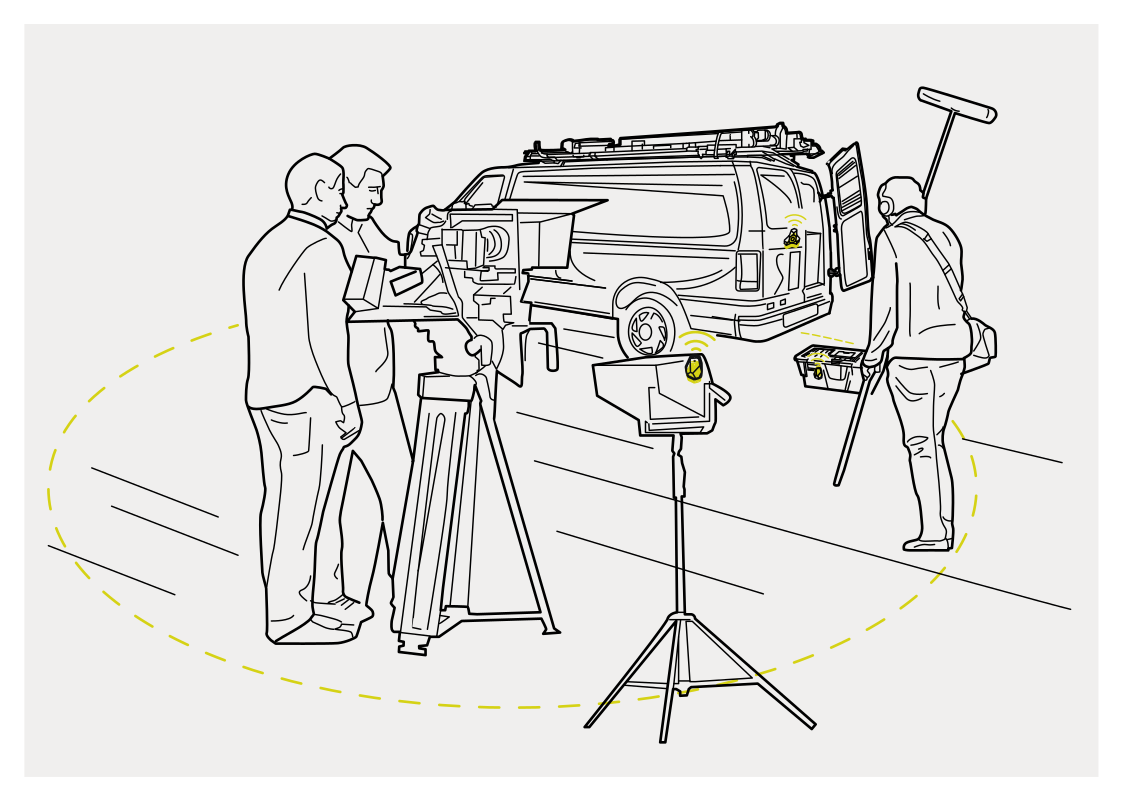
Help a crew locate cameras, cases, and other equipment around an equipped set. Bluetooth tags identify assets, while wearable buttons can confirm a handoff. Connect the events to a shared kit list before the next location move.
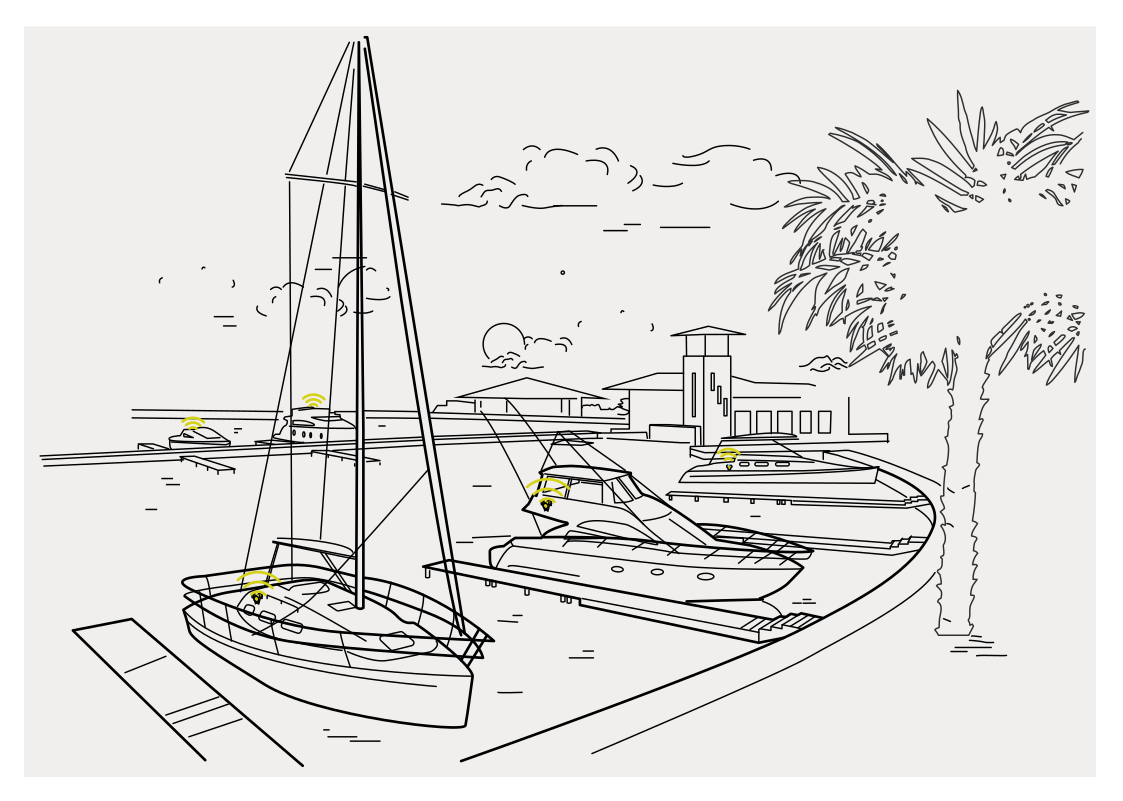
Give marina teams a local view of tagged boats or movable equipment at equipped berths. Bluetooth detections add last-seen context to berth records. Staff wearables can support service requests and handoff confirmations.
Bring local presence and movement signals into a city's operational view. Radar can observe selected areas, while beacons mark places for connected apps. Combine the events with existing infrastructure data to inform service and lighting decisions.
Help visitors navigate a sports complex from the entrance to the right area. Connect the venue map to Bluetooth landmarks or compatible-phone UWB guidance. Include courts, seating, and services as recognizable destinations.
Help staff coordinate arrivals and departures at an equipped play area. Beacons provide entrance context, and wearables support check-ins or assistance requests. Connect the events to the venue's existing supervision and collection workflow.
Bring product details onto a screen when a shopper engages with the display. Radar can detect an approach, while Bluetooth adds nearby item context. Connect the interaction to comparisons, sizes, or a request for staff assistance.
Explore activity on selected stretches of street. Radar can add local movement signals without depending on phones, while beacons identify places for connected services. Feed observations into planning tools alongside the city's existing traffic data.
Help city teams understand activity around a pedestrian or cycle route. Radar can add local presence signals, and beacons provide location context for opted-in apps. Combine observations with other route data to inform service and design choices.
Give care teams a simple way to request help or confirm a bedside visit. Wearables provide the button interaction, while radar can add room-activity signals where appropriate. Connect the events to the hospital's existing support workflow.
No use cases found. Try another search or .
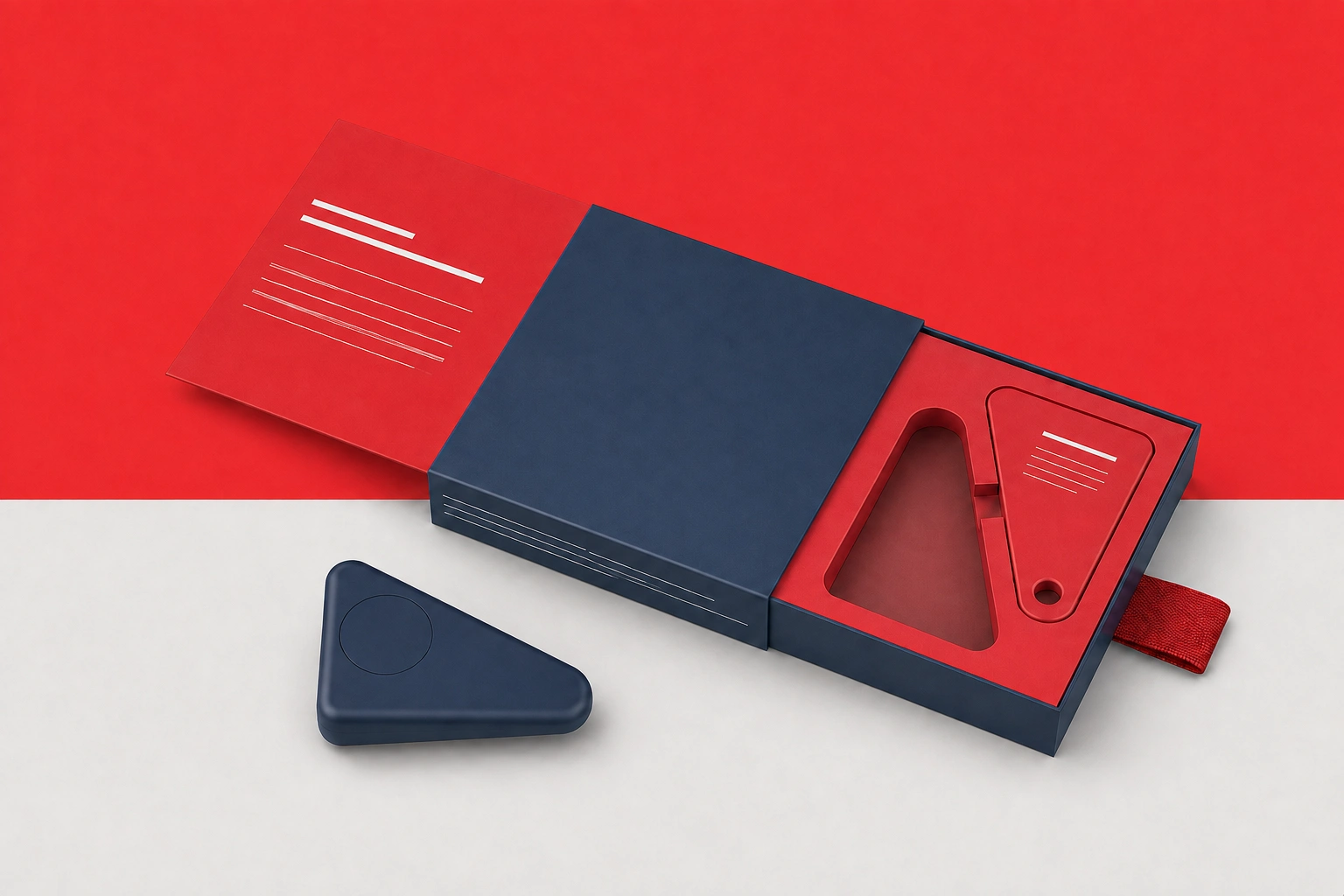
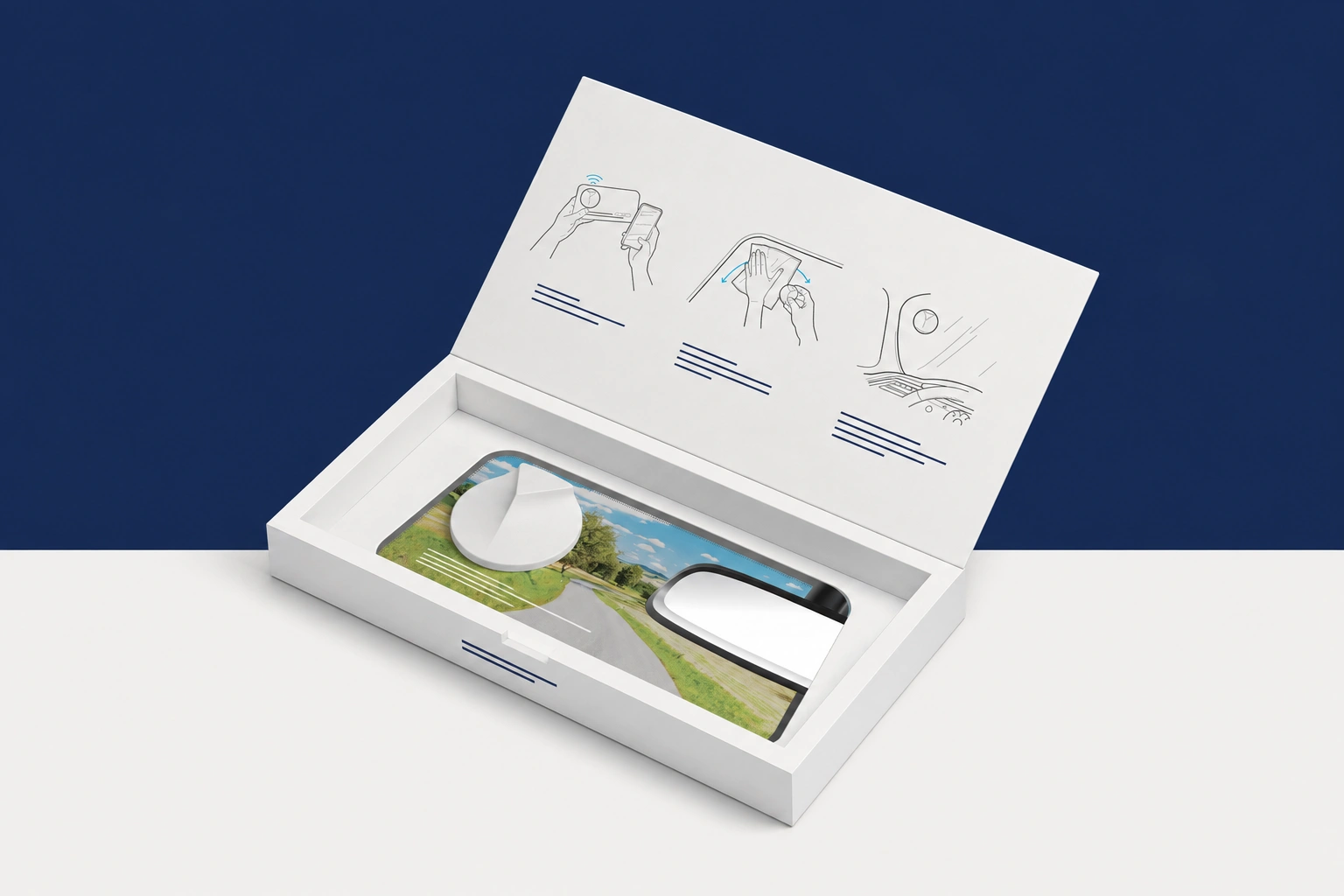
CUSTOMIZATION SERVICES
You know your teams and users best. We can embed our technology into any custom form-factor or design dedicated hardware, firmware or software.

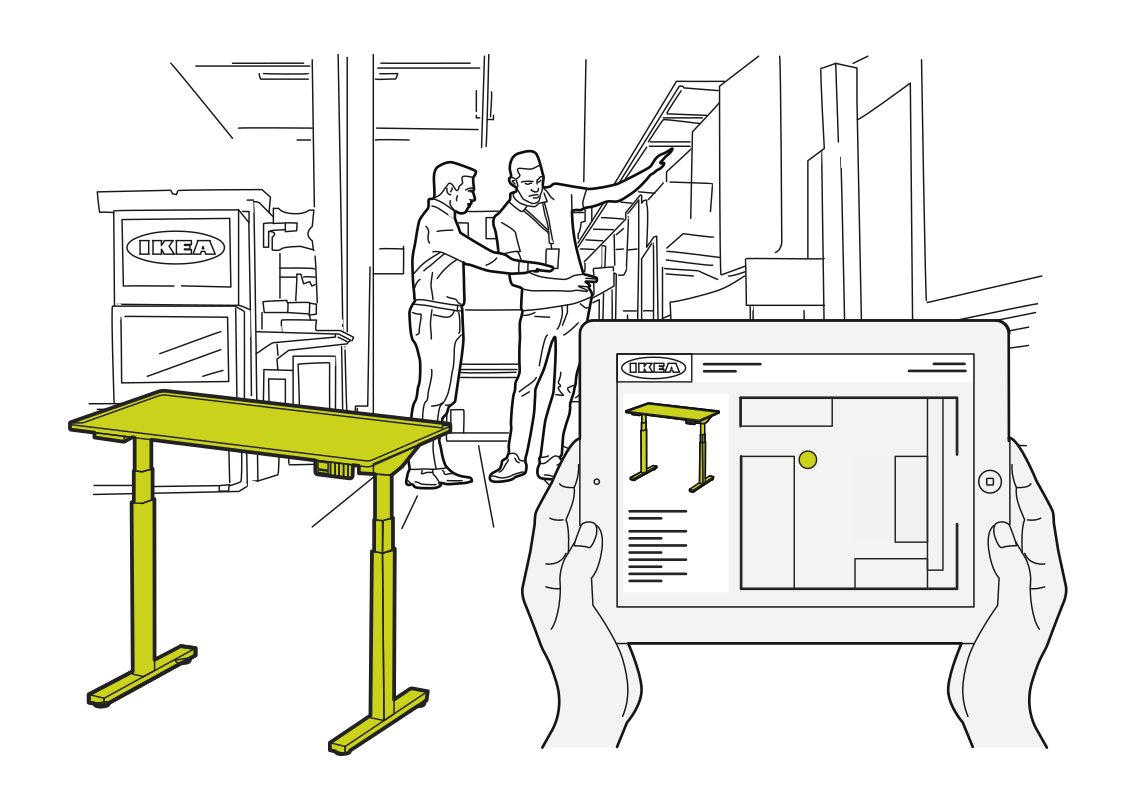
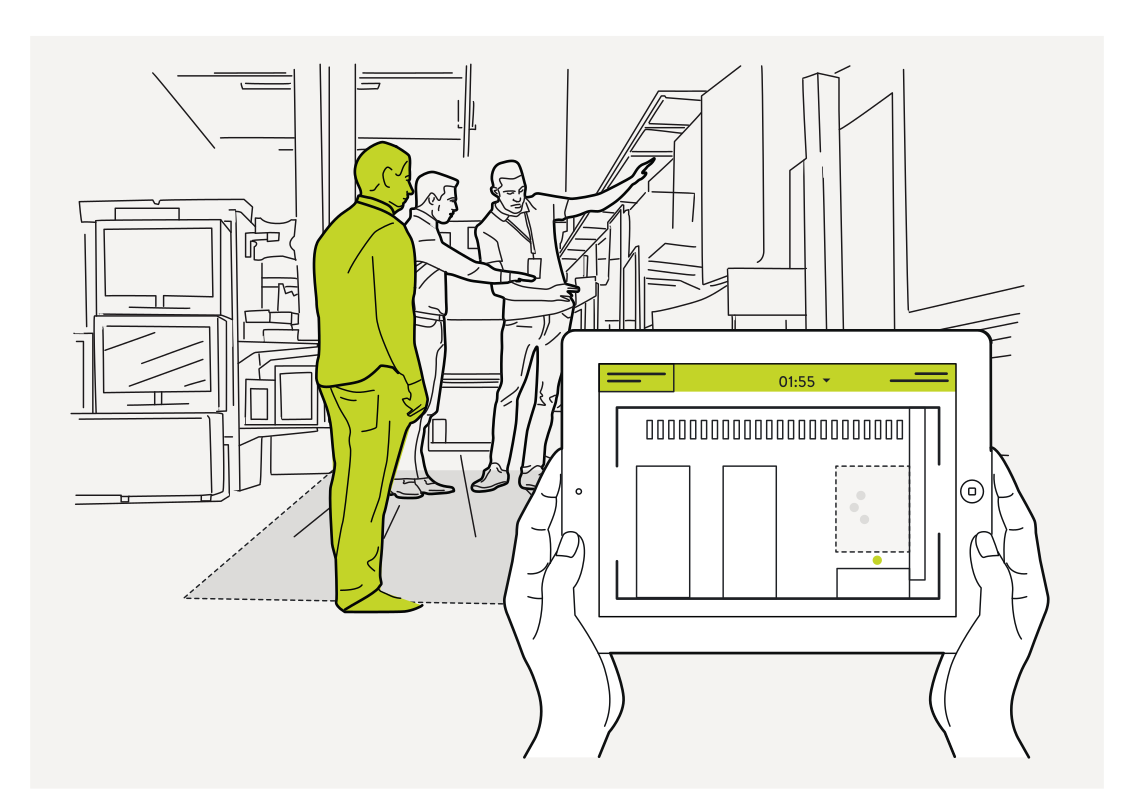
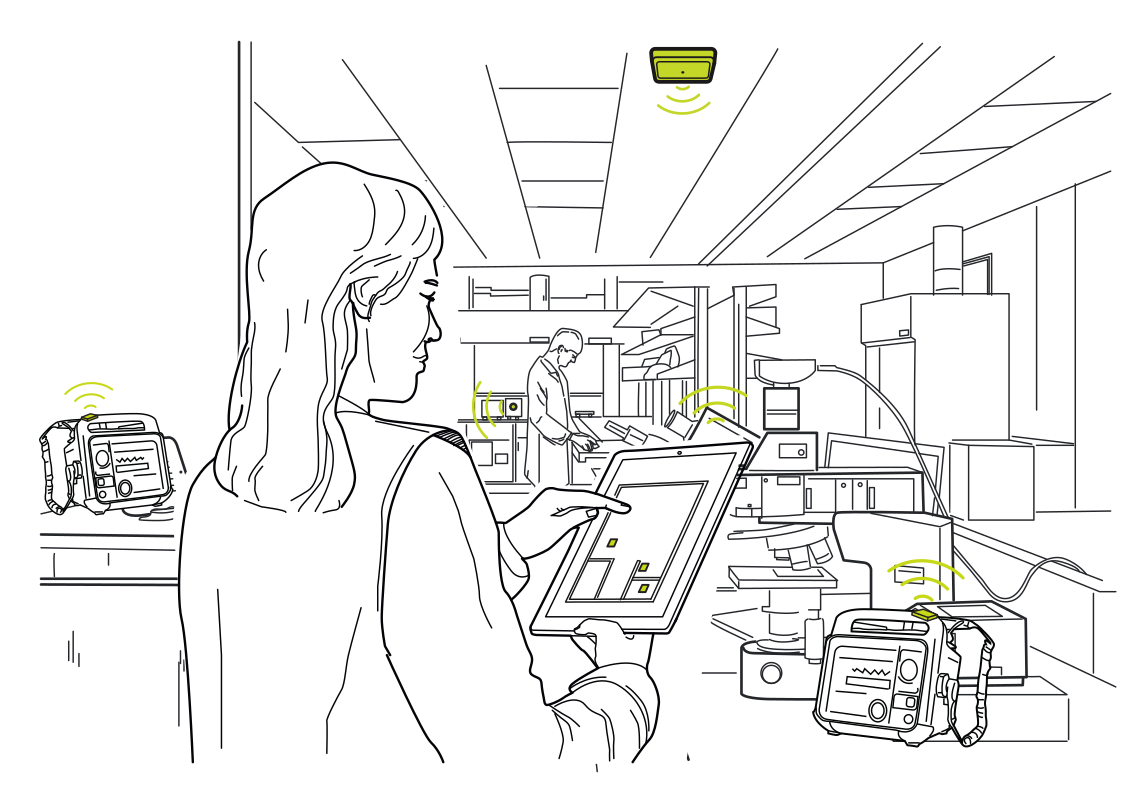
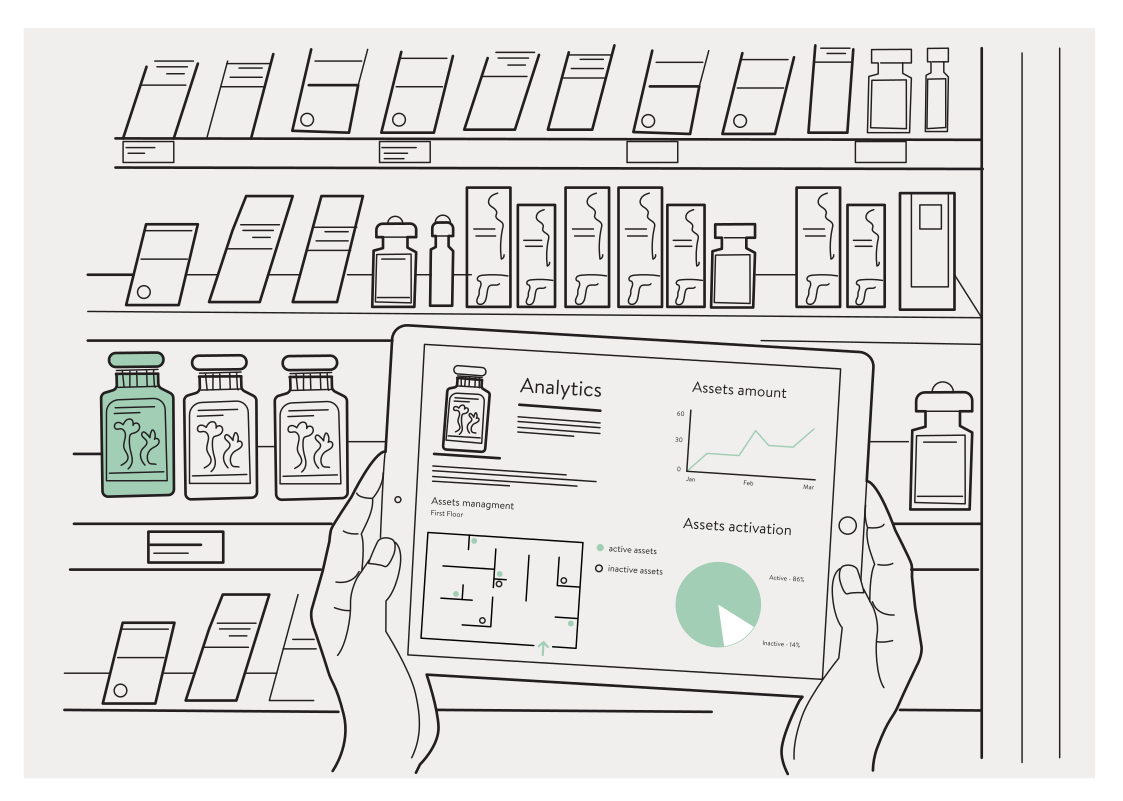
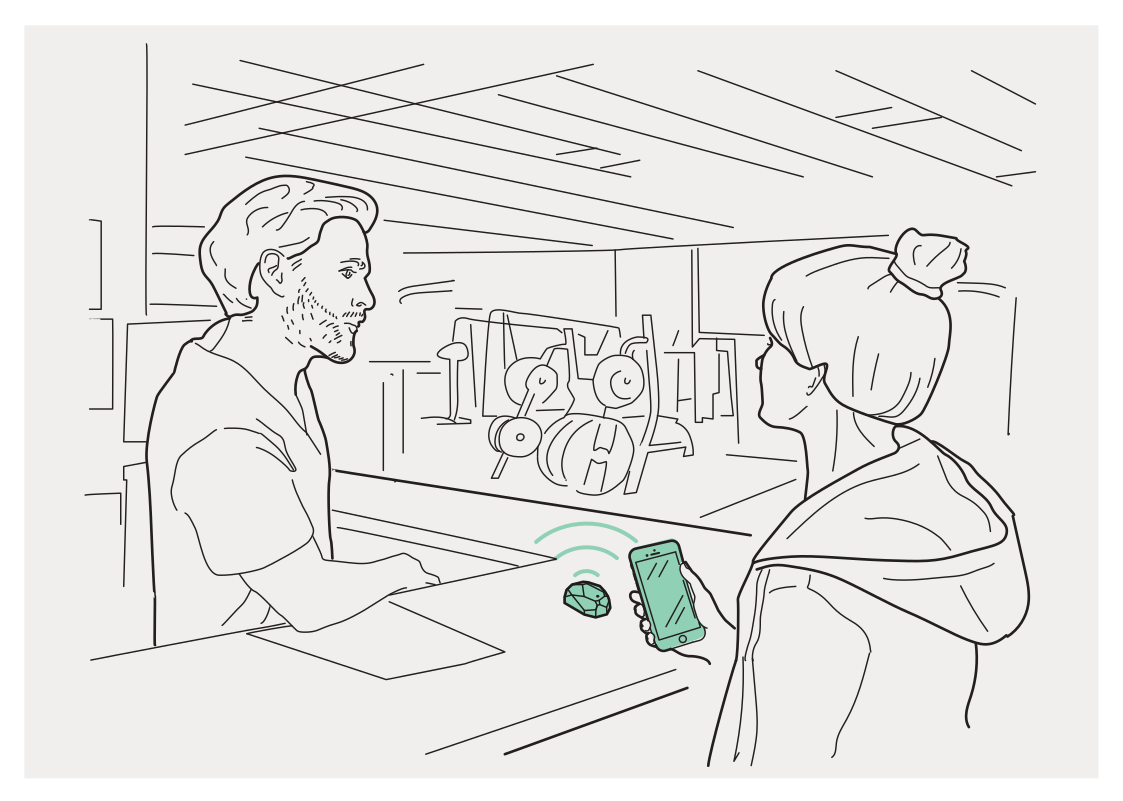
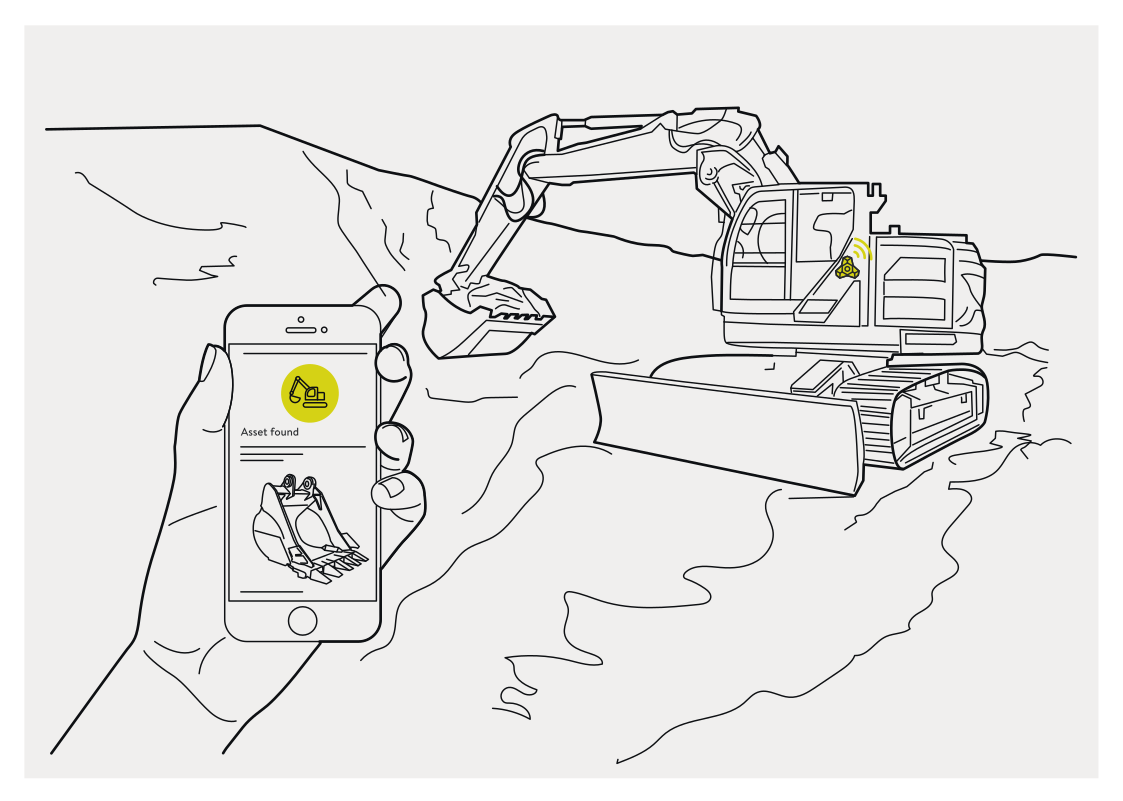
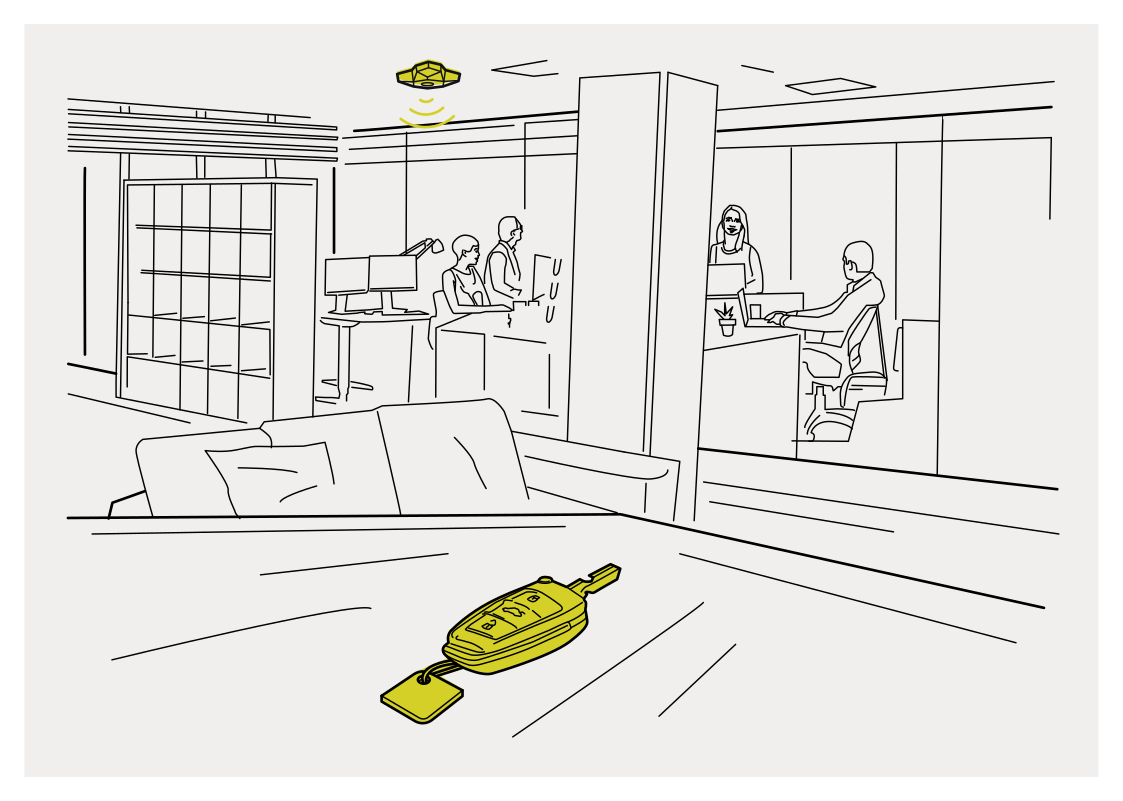
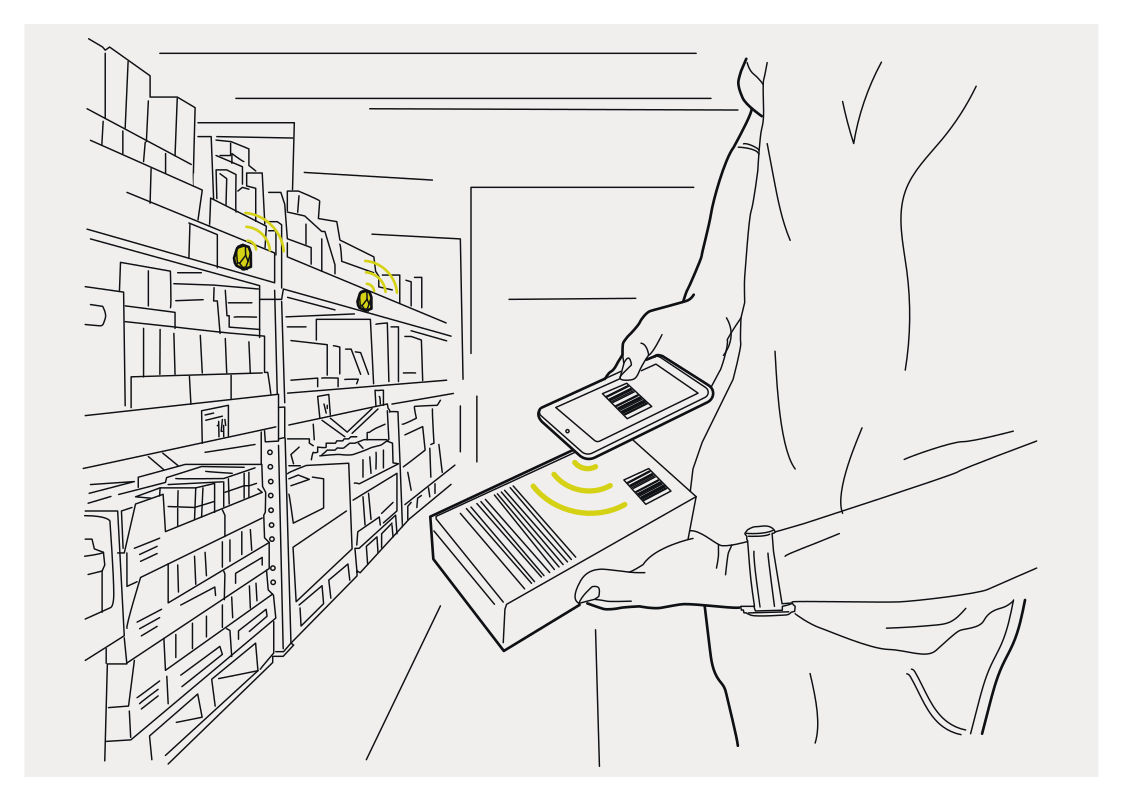
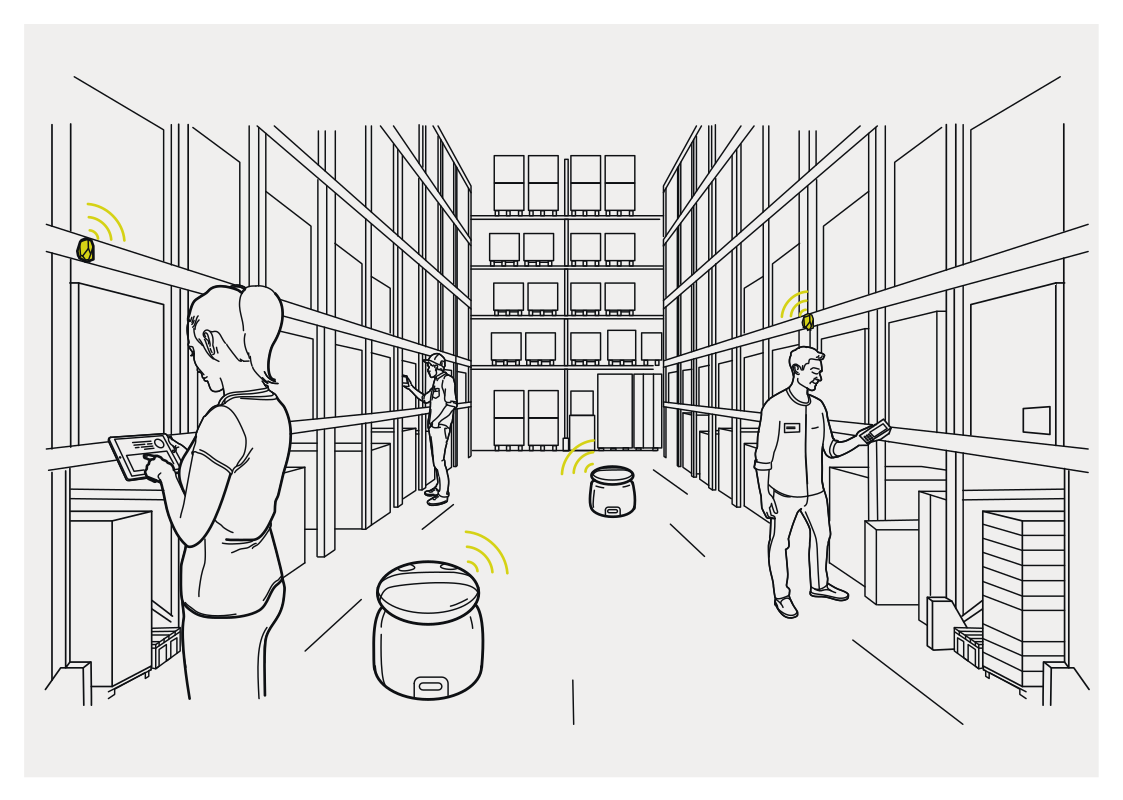
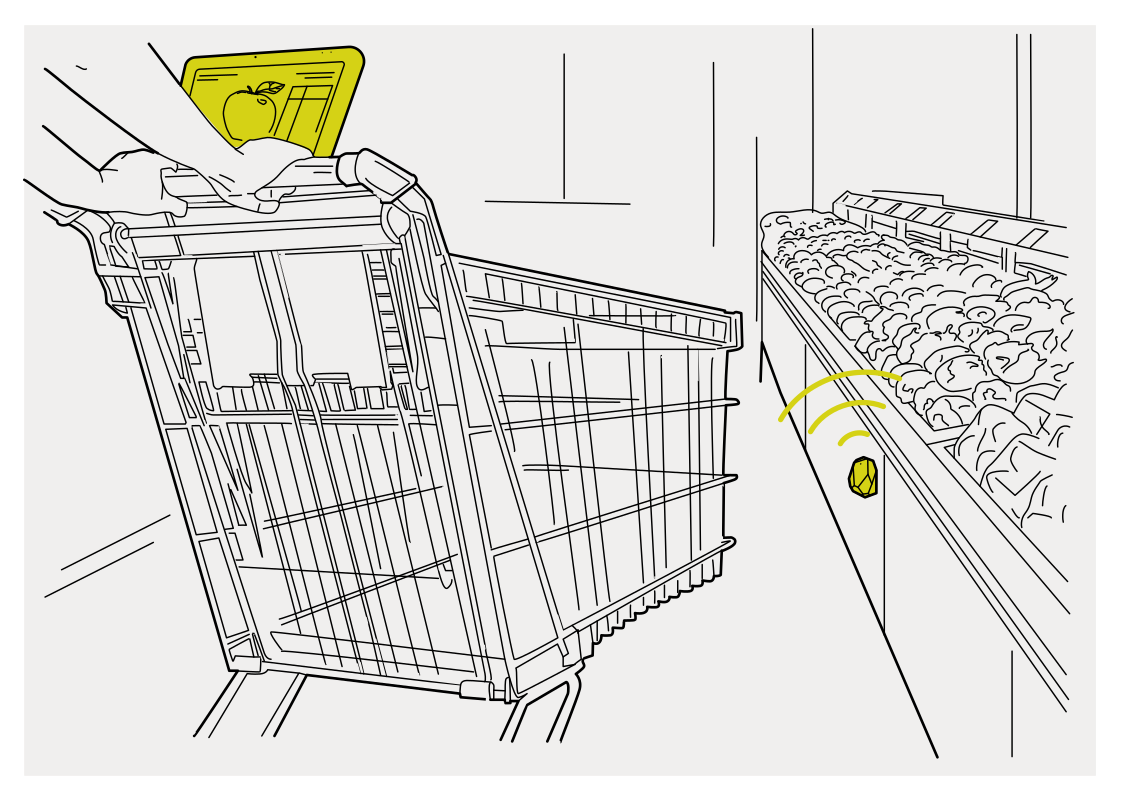
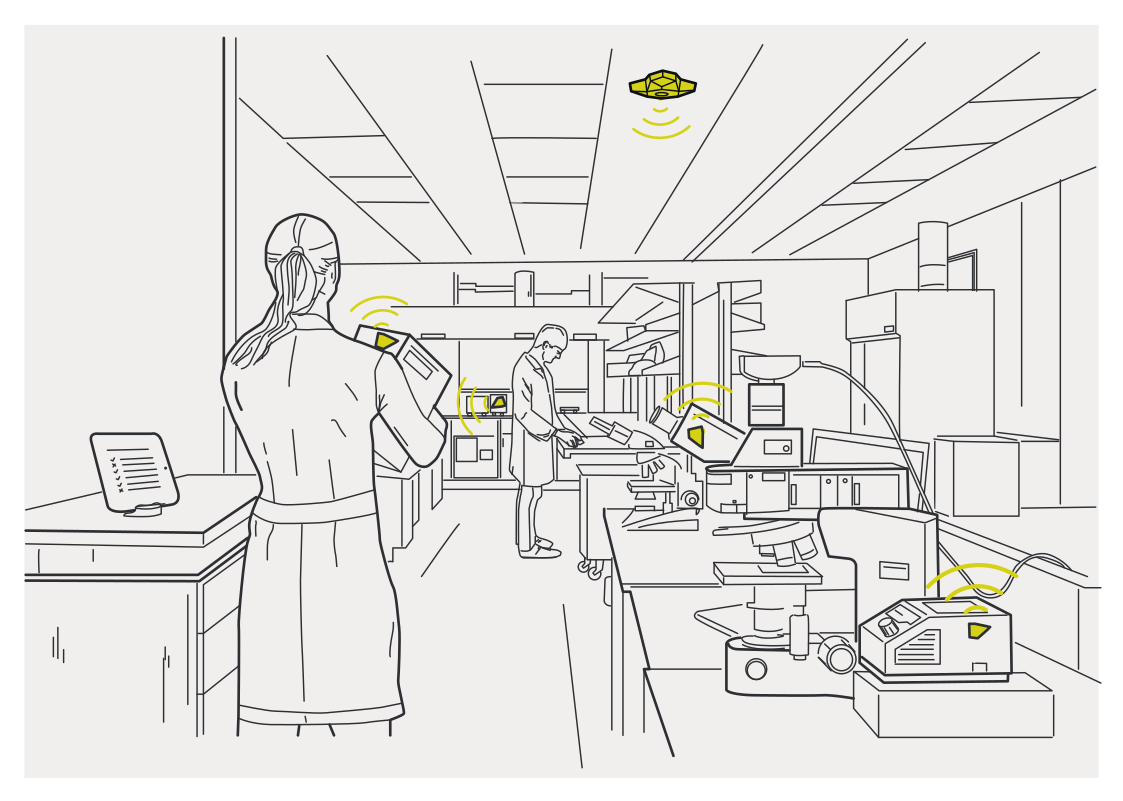
Small tags attached to key assets help busy staff find them quickly using an intuitive mobile app.
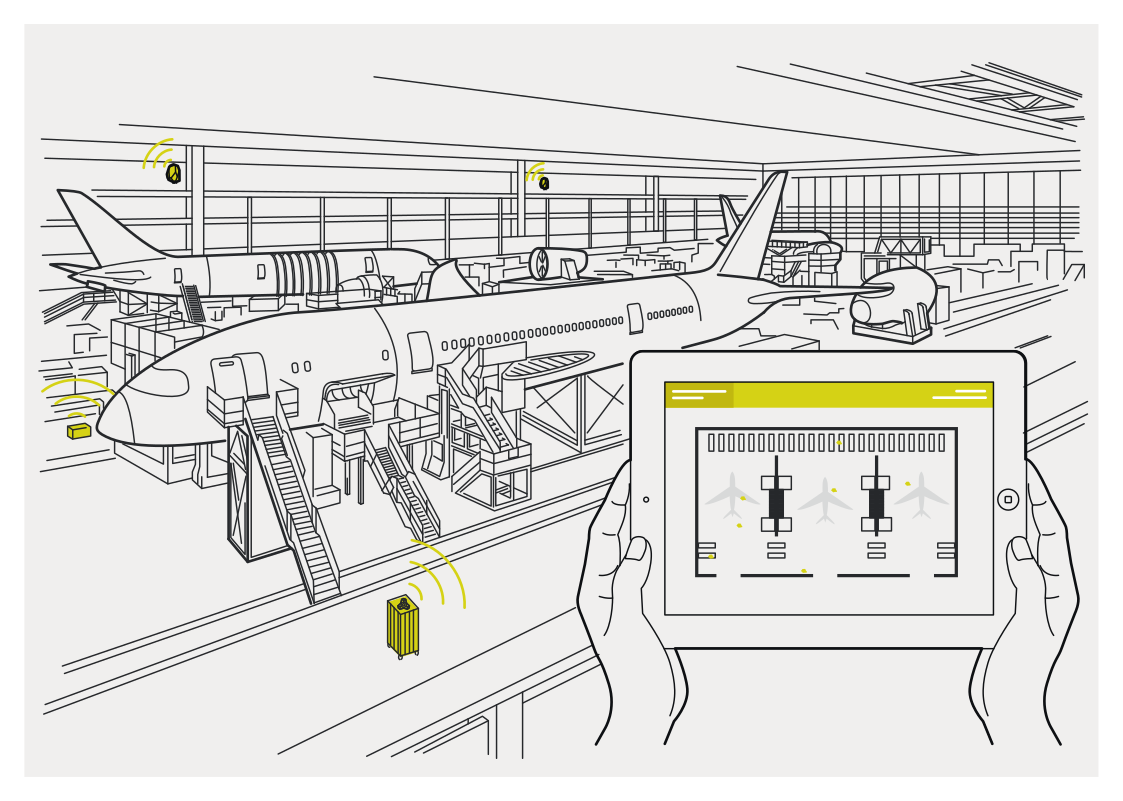
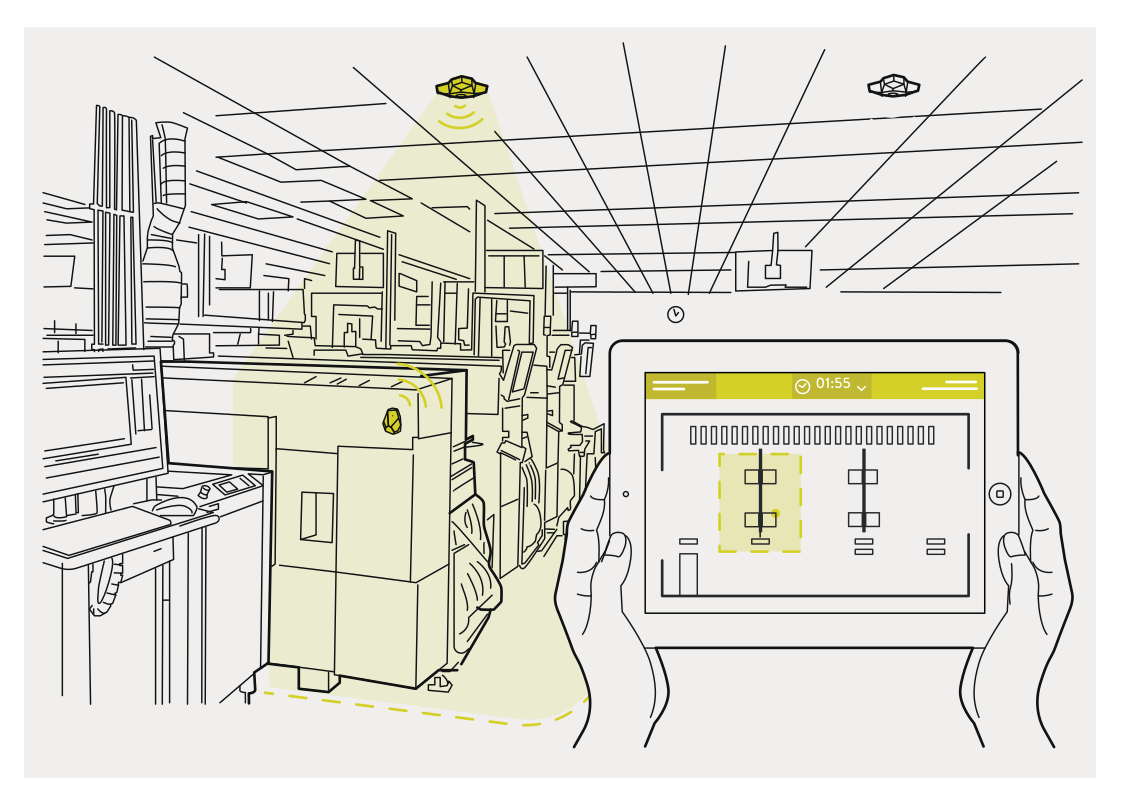
For equipment tracking, start by deciding which question the system should answer: is the item in the building, in this room or at this exact position? That choice helps determine the receivers, tags and software your installation needs.

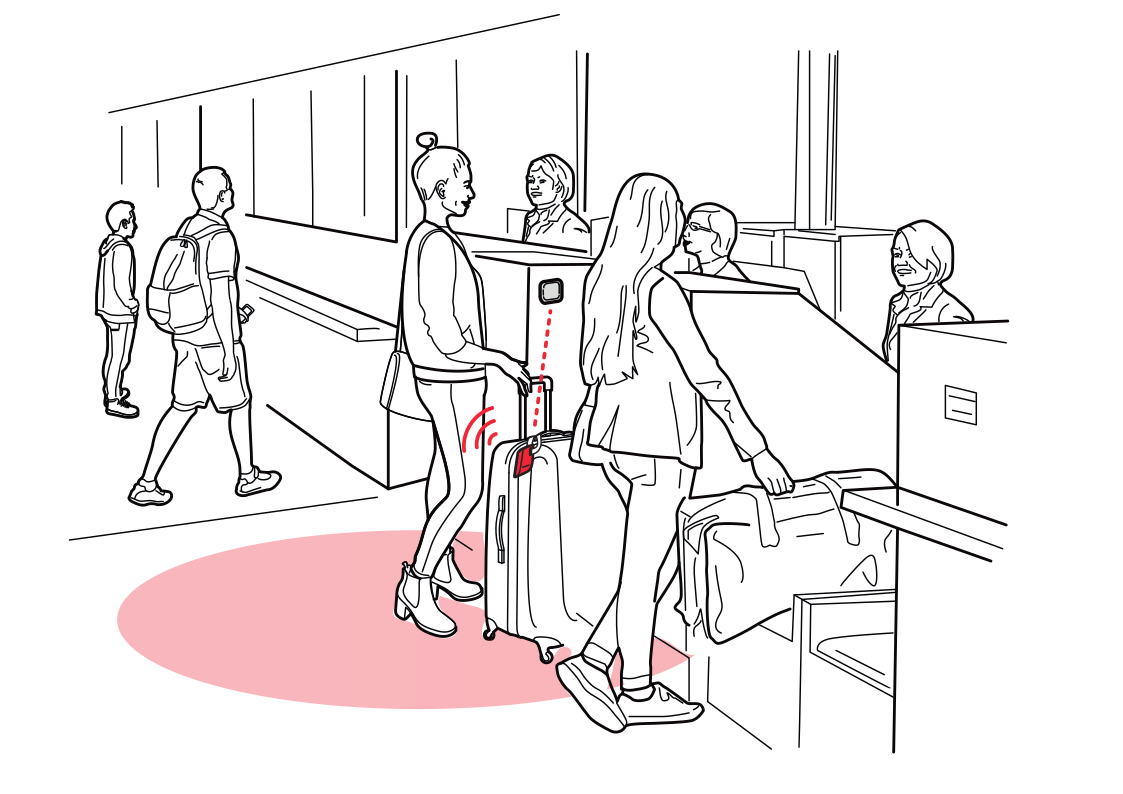
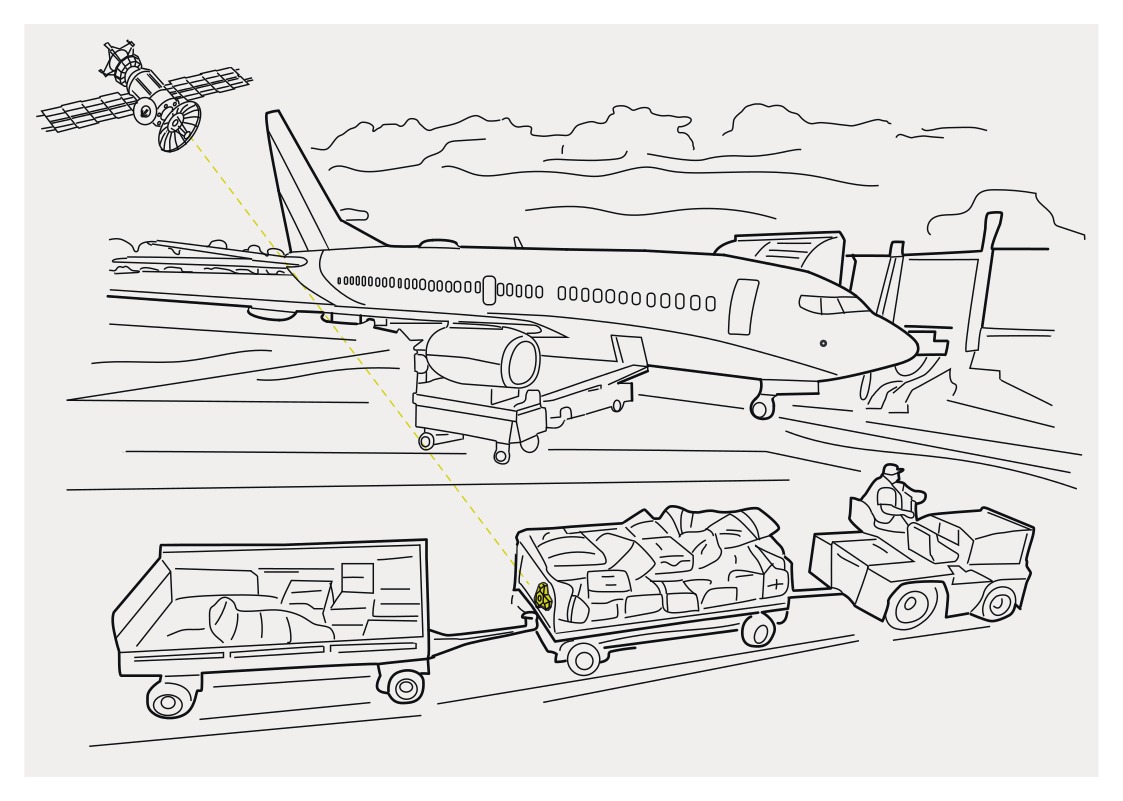
Tags attached to bags help passengers keep track of their belongings. If a bag is misplaced, airport staff can quickly locate it.
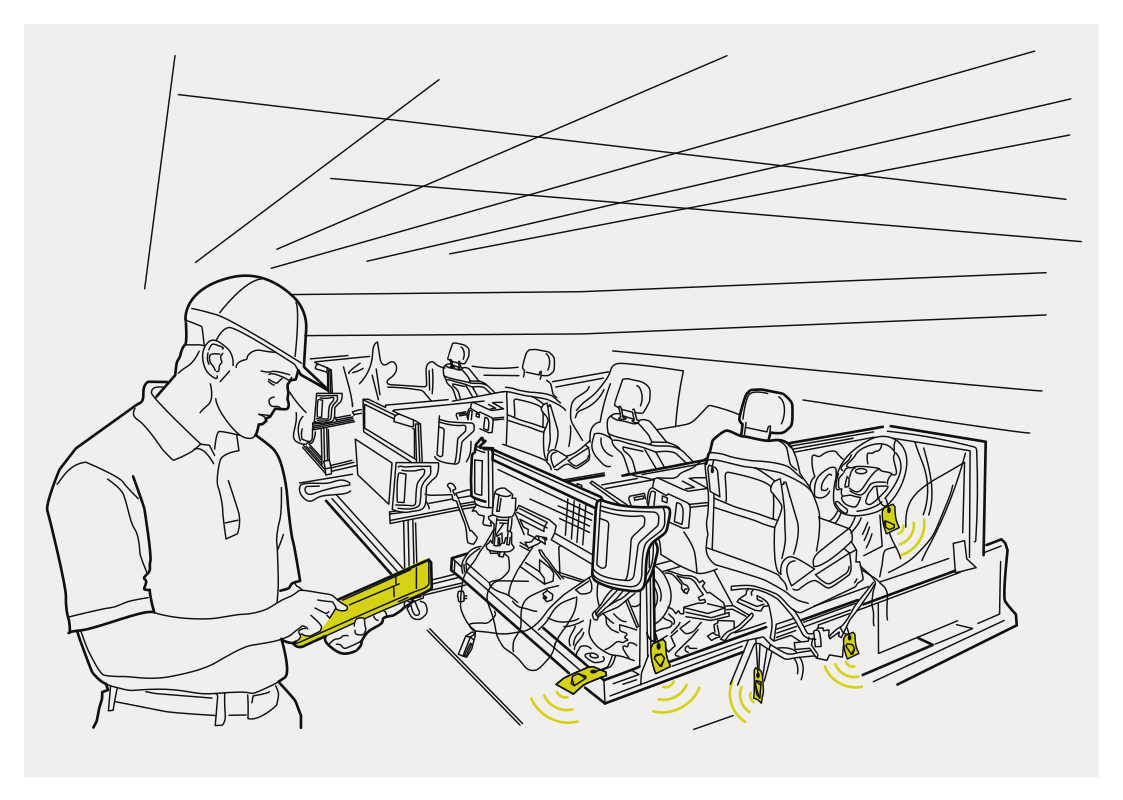
A custom tag or badge can fit into a team’s existing routine. Decide how it will be carried, what a button press should do and which information the receiving software needs. The enclosure and interaction can then be designed around that task.

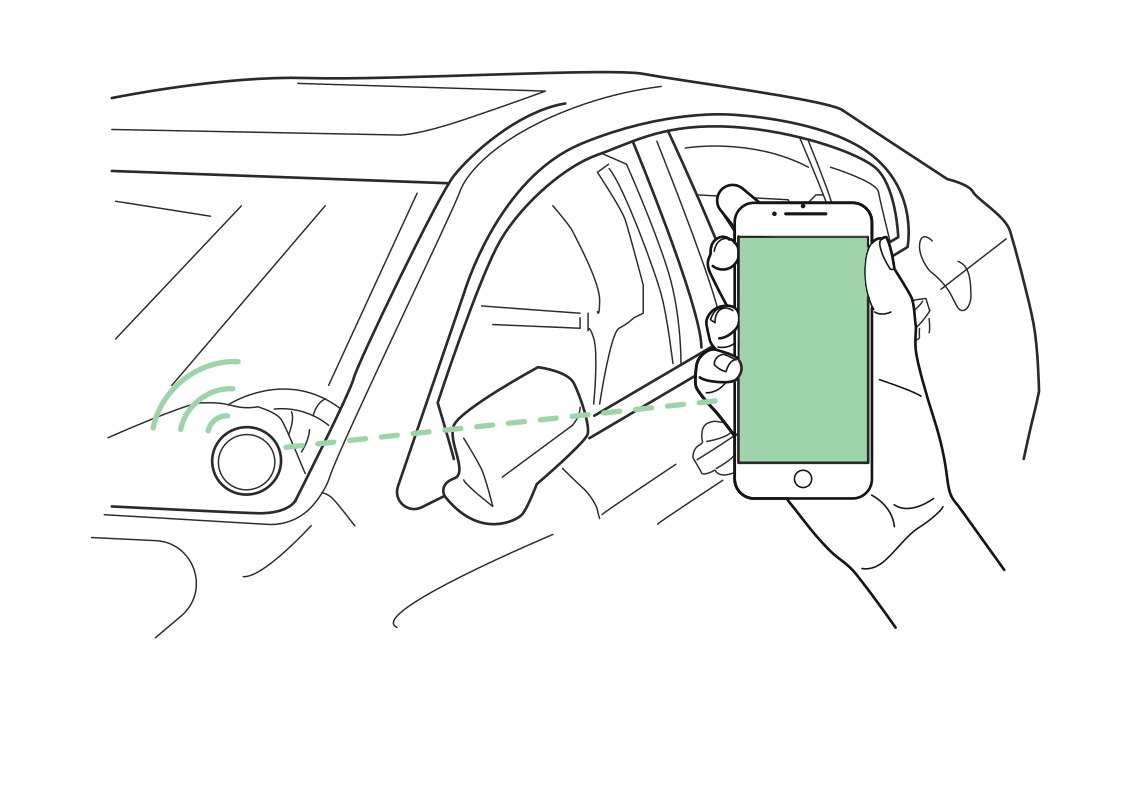
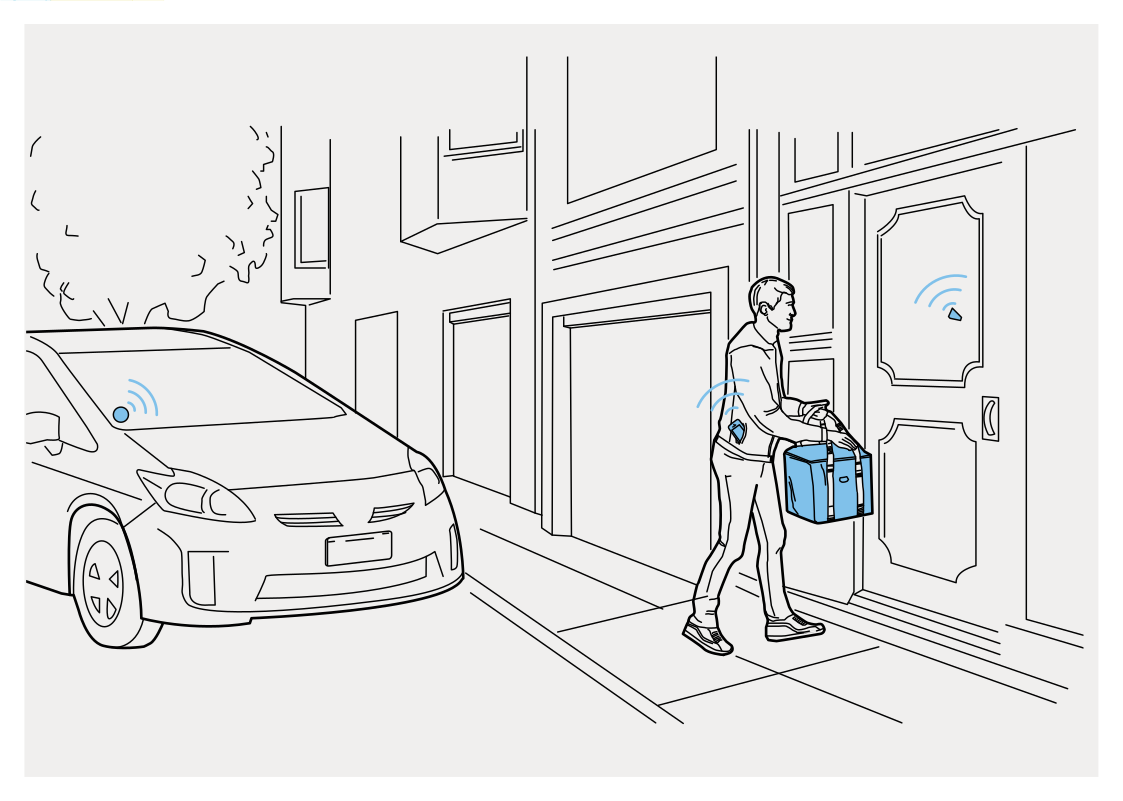
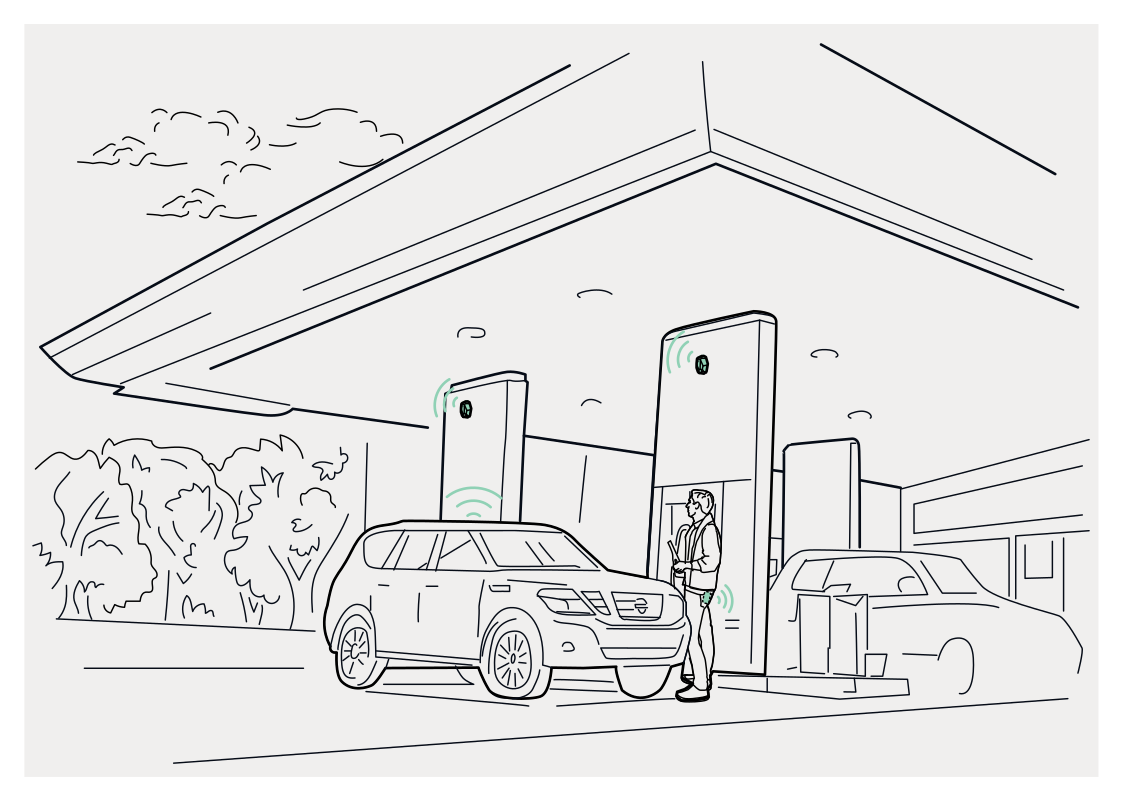
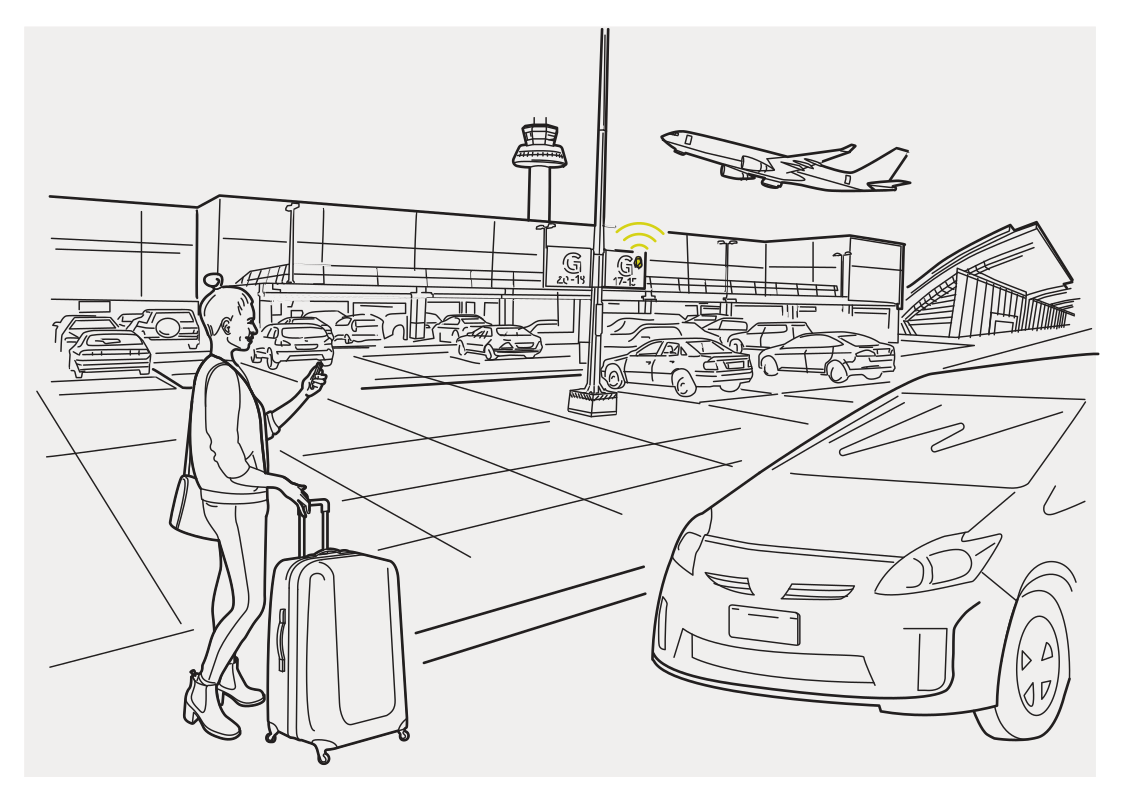
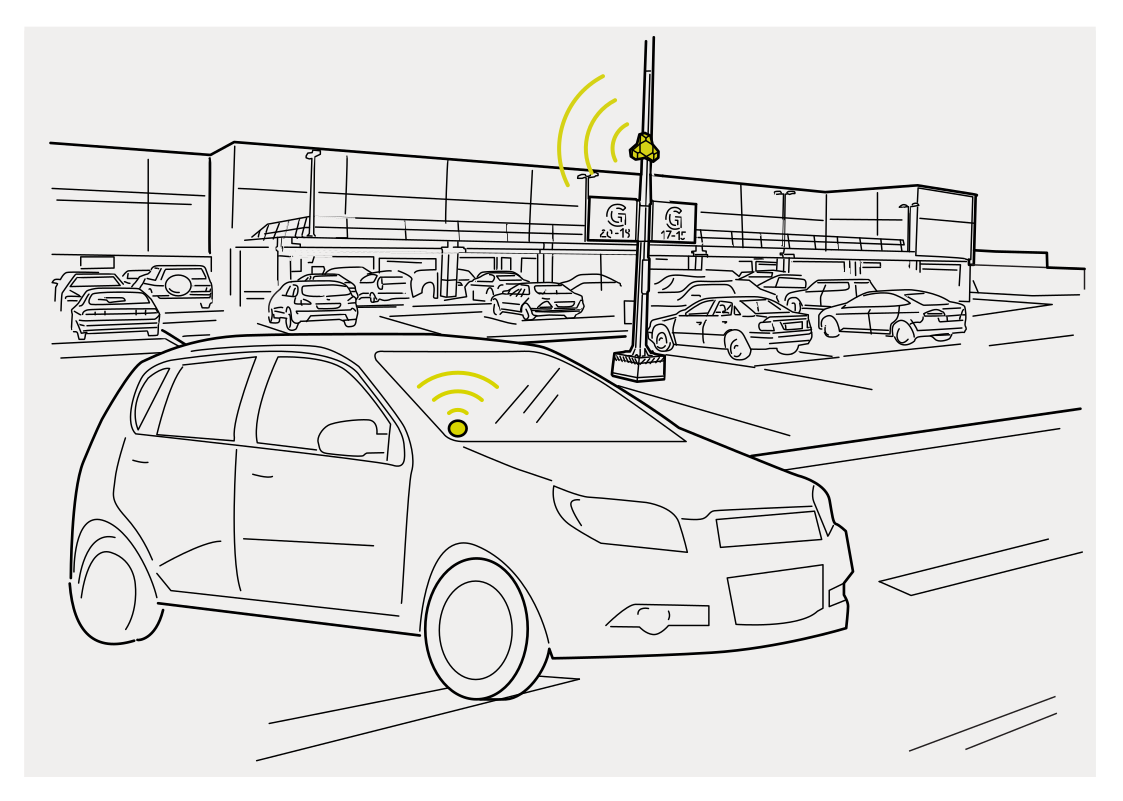
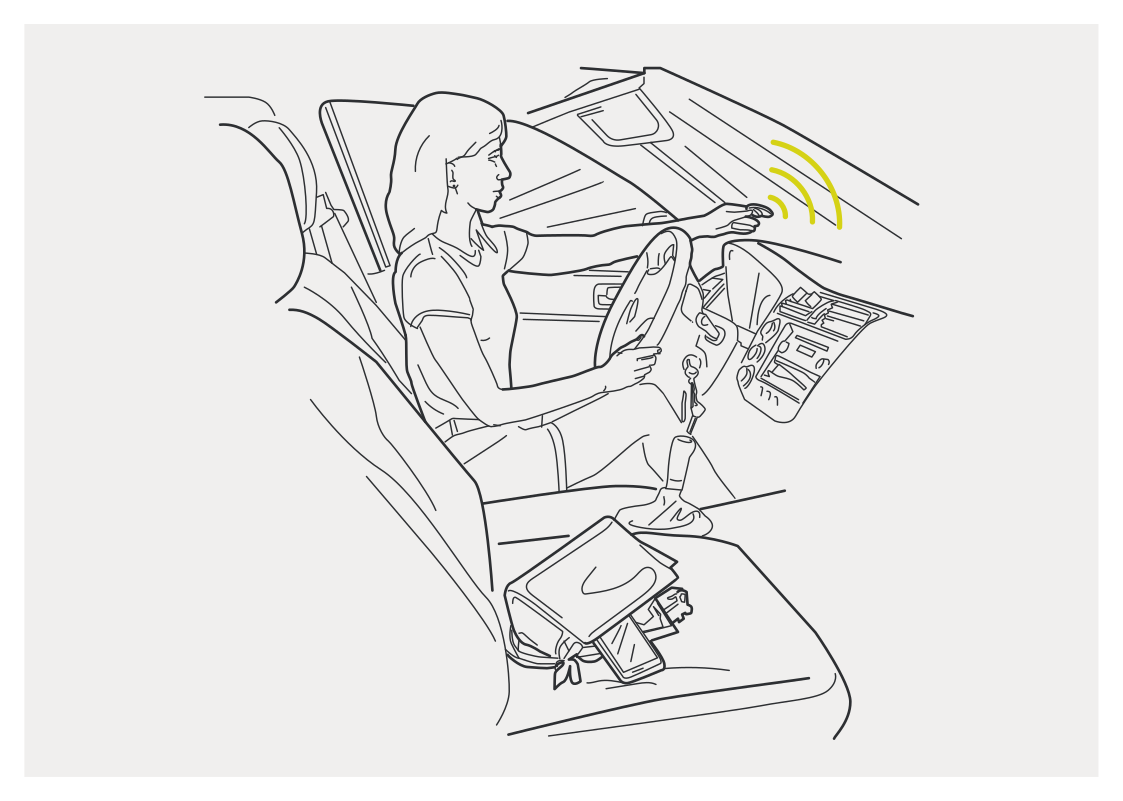
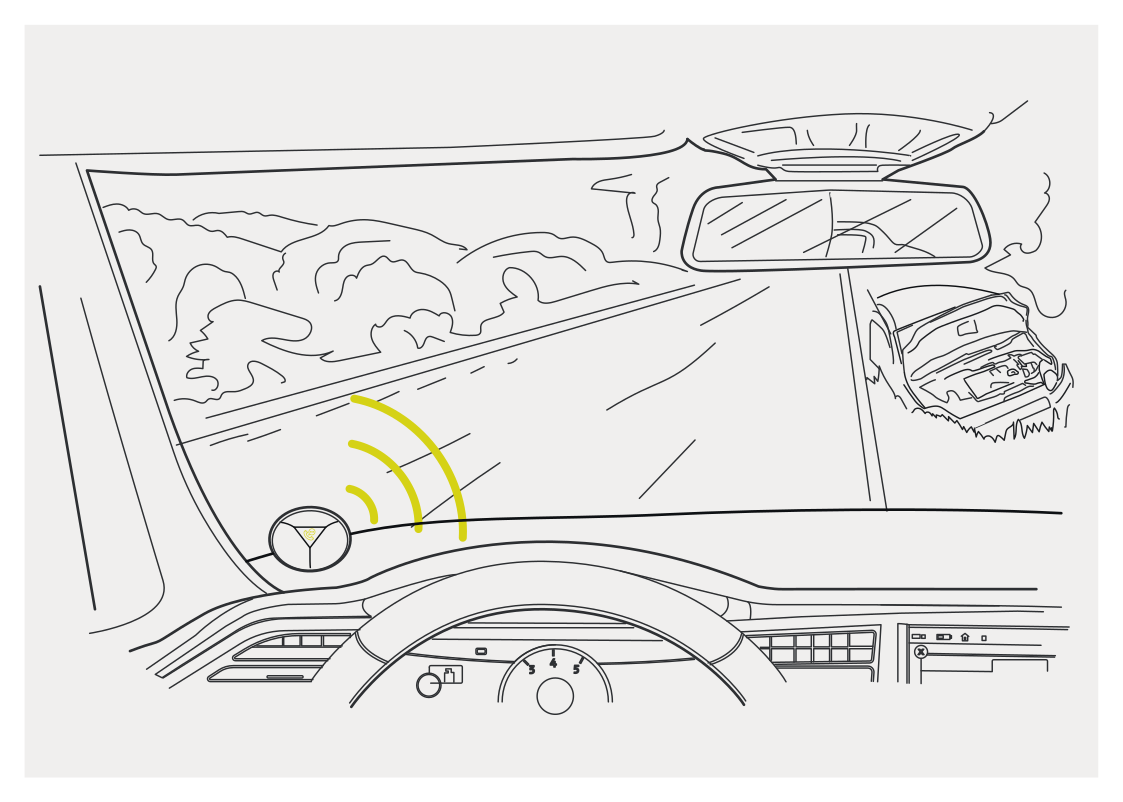
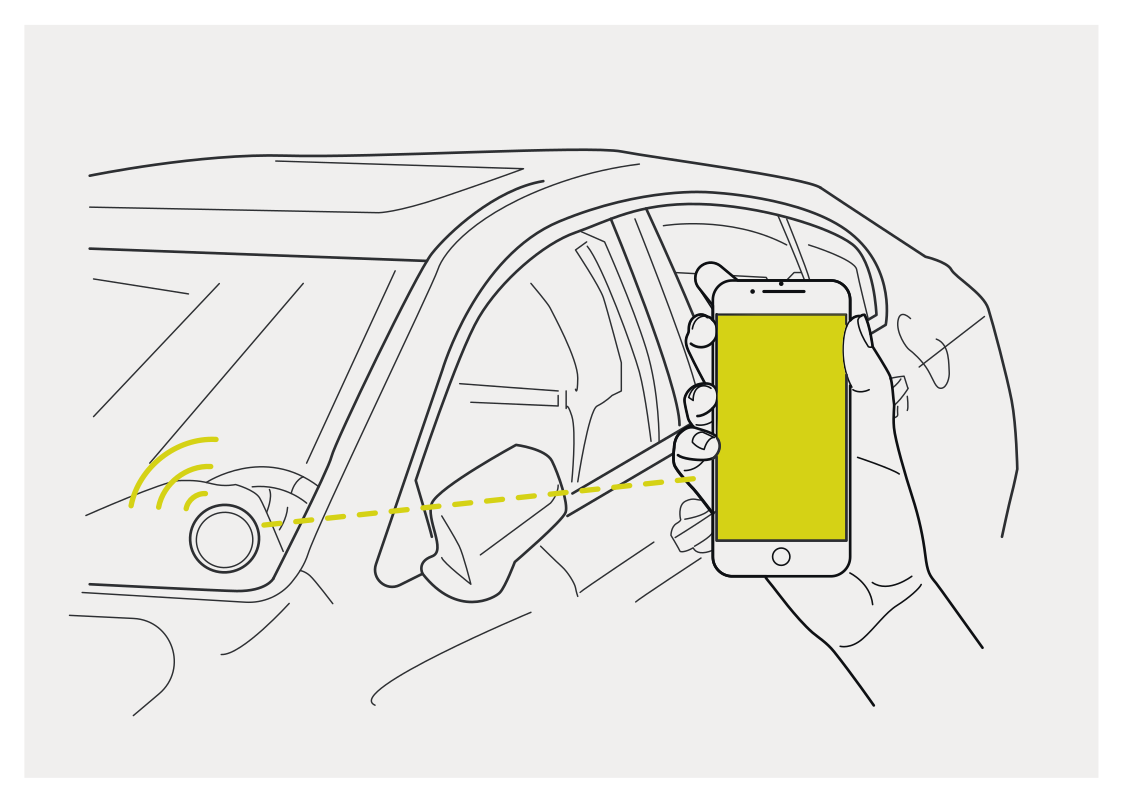
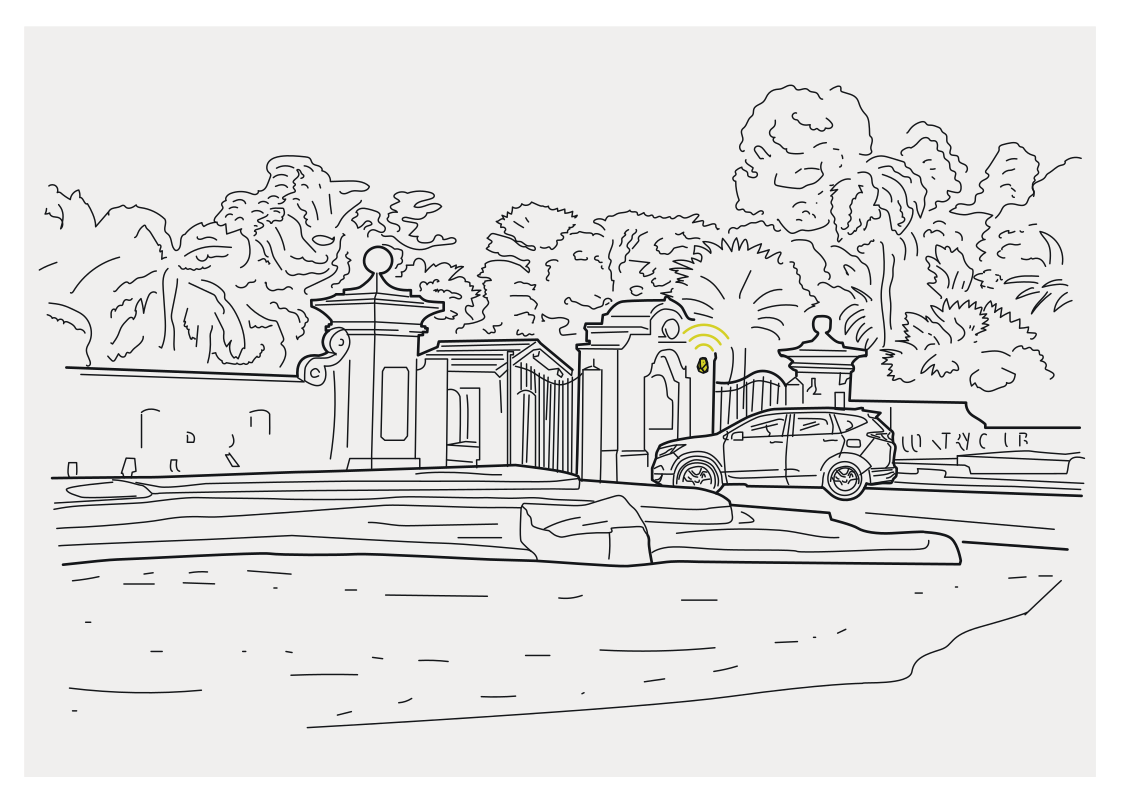
A beacon placed in a vehicle automates driver authentication, opens gates automatically and speeds up fueling.
A connected service needs more than a sensor. Think about installation, everyday use and how someone will know the device is working. A custom kit can bring the hardware, software and instructions together around one useful application.
Estimote, Inc. was founded in 2012 by Jakub and Lukasz with a bold vision and a passion for creating an operating system for the physical world.
After graduating from Y Combinator in 2013, Estimote launched its first-generation indoor location products based on Bluetooth and iBeacon. Their iconic design captured developers’ imaginations, opening the door to experiments with micro-location and contextual computing.
Estimote went on to deploy millions of sensors and tags worldwide, powering the largest commercial deployment of location technology at the time. Years of working across real spaces and operations gave the team firsthand knowledge that shaped every generation to follow, including LTE Wearables and more precise UWB positioning.
In 2022, Estimote introduced the first version of SpaceTimeOS, bringing its original vision to life: making the physical world software-defined and programmable. Developers can build apps and automations directly on physical spaces to improve safety and productivity and deliver delightful experiences that feel like magic.
Today, Estimote is extending that vision with a new release of SpaceTimeOS and is first to offer Downlink TDoA Anchors for precise, privacy-friendly indoor positioning, alongside UWB Radar for sensing presence and movement.
With Estimote, you get the latest tech backed by more than a decade of practical experience and a clear vision for what comes next.